Mestom / STROMY NA PLÁNOCH MESTA
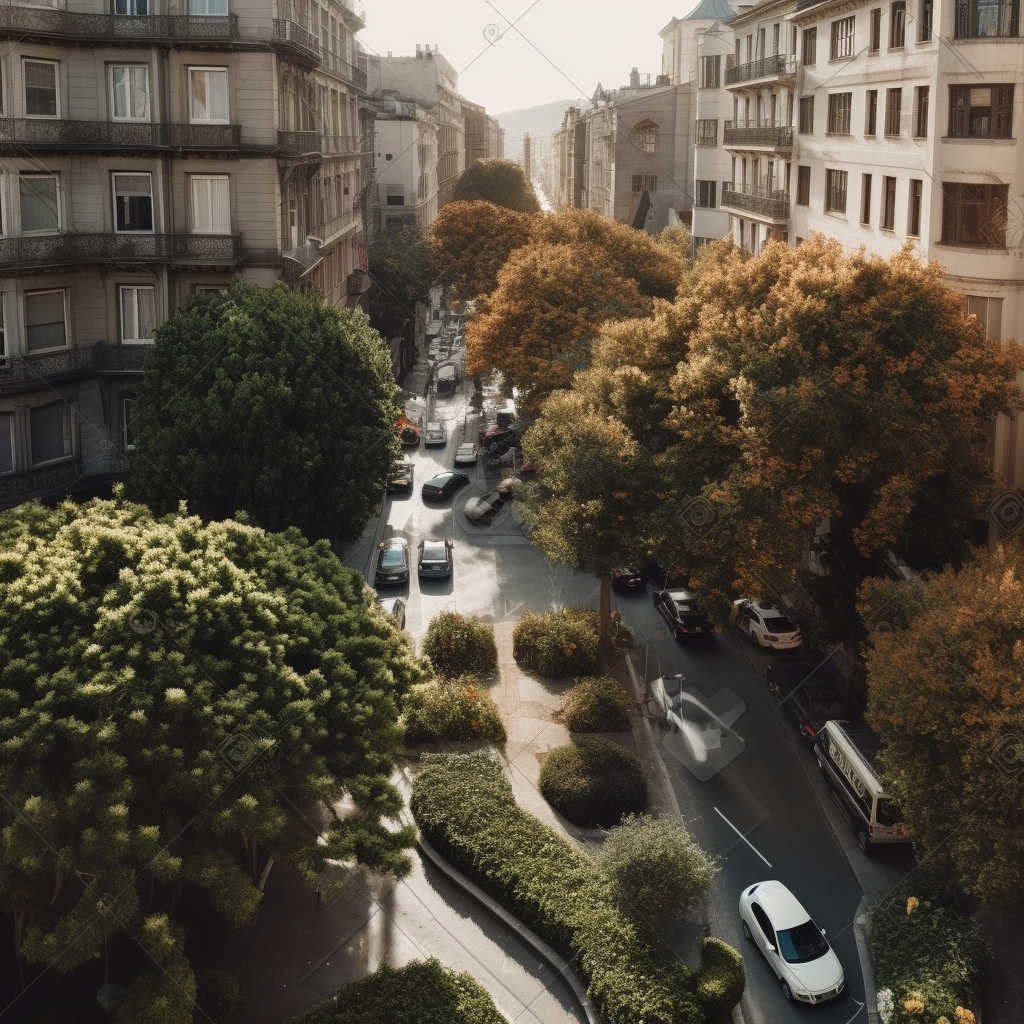
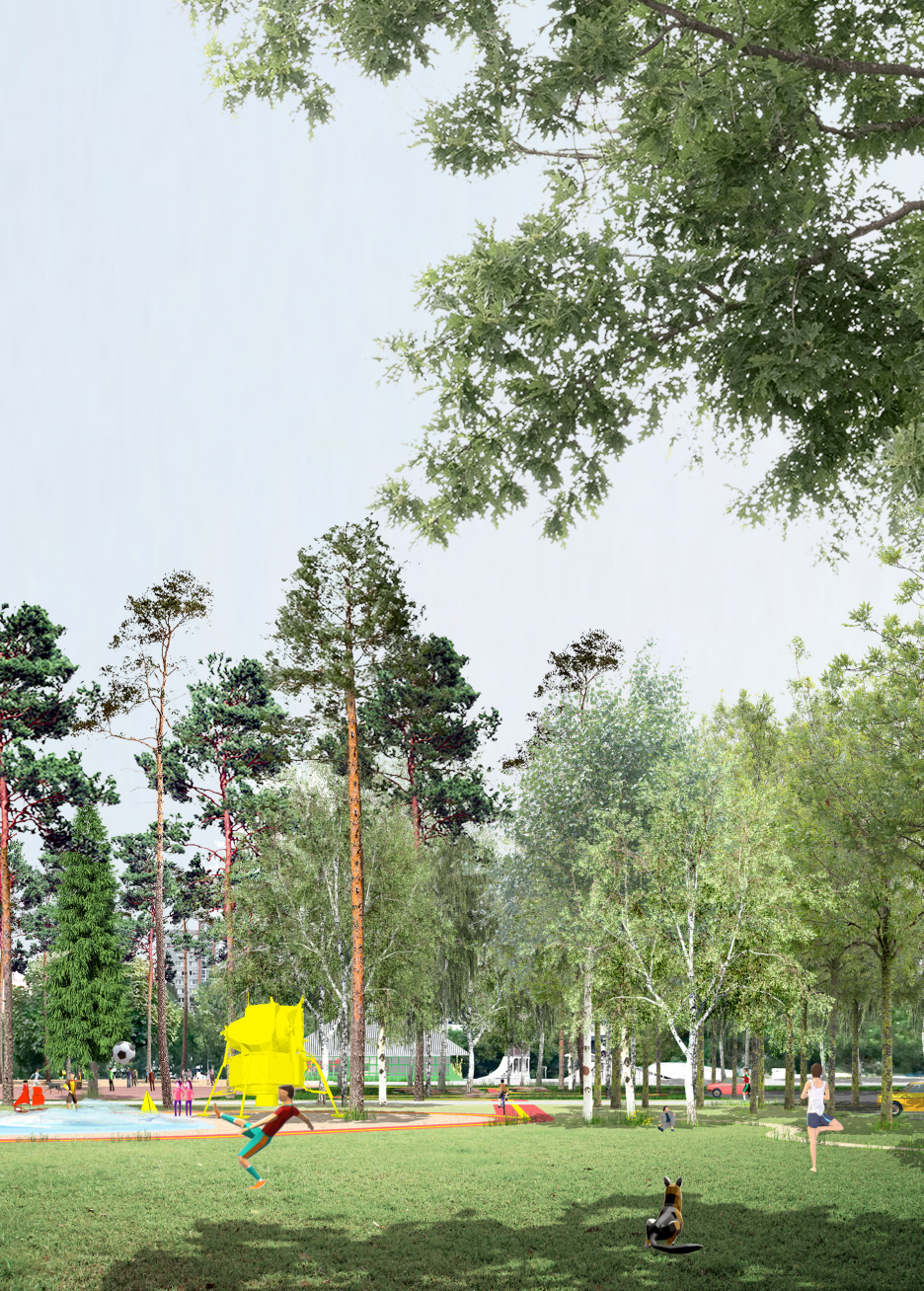
Obrázok vygenerovaný grafickým modelom Midjourney. Prompt zadal Michal Sládek.
Cez chodník je natiahnutá bielo-červená páska, je potrebné prejsť na druhú stranu. Za páskou je na chodníku vidieť konáre a na ceste auto s pracovnou plošinou vysunutou do koruny stromu. Človek na plošine človek vykonáva orez, počuť ako sa motorová píla prediera drevom. Sledujem akt starostlivosti o stromy v meste.
Čo tým stromom je? Sú v poriadku? Ako sa volajú? Stromy sú mlčanliví obyvatelia mesta od jeho vzniku. Len máloktoré sa v ňom objavili náhodou, väčšina stromov v meste rastie na vopred určených miestach. Často prežili plány aj ich plánovačov a svojou prítomnosťou pôsobia ako nemenné pozadie mestského života. Ako chodec sa pohybujem na úrovni kmeňov, v ktorej stromy pokorne prenechávajú priestor ostatným tvorom a predmetom mestského života. Cez chodník nevidieť ich spletité korene a do koruny treba zdvihnúť hlavu.
Strom je však v meste mimoriadny. Ukrýva symbolický význam a v kontexte mesta nesie vždy aj politickú vrstvu – rozhodnutie o jeho umiestnení. Premýšľam o tom, kto a ako ho na tejto ulici asi plánoval vysadiť.
Volanie po stromoch
Strom sa v meste teší novému záujmu. Milión stromov pre New York! Milión stromov cez Zastromuj Prahu, alebo milión stromov pre Freetown, Sierra Leone. Už za dva roky! Medzi nimi aj skromných 10 000 stromov pre Bratislavu. Strom pre svoje mimoriadne schopnosti poskytuje ideálne riešenie zložitých problémov mesta. Tieni pred prehrievaním, poskytuje potravu mestskej faune, zadržiava vodu a viaže oxid uhličitý. Teda CO2, plyn, ktorý sa stal mernou jednotkou dopadu na klímu. Vďaka satelitným snímkom a smart vyhodnocovaniu veľkých dát sa dá kompenzačná výsadba stromov presne spočítať a zacieliť. (Sadenie stromov je populárny spôsob carbon offsetting-u, v rámci ktorého je možné si za vyprodukované množstvo CO2 kúpiť odpustok vo forme nových stromov.) Opatrenie jednoduchšie, než zmena návykov ľudí – proti sadeniu stromov predsa nemôže nikto namietať. Mestá (či skôr ich reprezentantky a reprezentanti) po celom svete sa pridávajú a vyhlasujú veľké mestské iniciatívy. Zároveň reagujú aj na nový záujem verejnosti o stromy v meste, sprístupňovaním informácií alebo označovanie menovkami (portál v Starom meste Bratislavy [1]).
Záujem o stromy je súčasťou zvýšeného záujmu o biosféru okolo nás. Na základe biologických a biochemických objavov sa čoraz viac pozornosti obracia na živé aspekty flóry, doteraz vnímanej staticky. Na komunikáciu medzi rastlinami, na prenos informácií podhubím, na bohatosť interakcií rastlín a živočíchov, a to aj v mestskom prostredí. Po právach zvierat sa začína diskutovať etika rastlín, húb a vôbec živých organizmov [2]. Pod tlakom klimatickej krízy sa tieto poznatky pomerne rýchlo pretavujú do nových prístupov, akými sú mestské včelárstvo, alebo vytváranie nekosených zelených plôch.
Ako zobraziť strom?
Pomaly kráčam okolo ďalších stromov v aleji. Predstavujem si výkres, na ktorom boli naplánované. Ako vyzerali? Ako kružnice s bodkou uprostred? Zobraziť strom vo výkrese má svoje úskalia. Prvý problém je technický: ako zladiť komplexitu vzrastlého stromu, ktorý môže mať aj dvestotisíc jednotlivých listov, s abstraktným zobrazením výkresovej dokumentácie. V časoch ručného kreslenia výkresov mal tento problém aj utilitárnu rovinu, vykreslovať zložitosť tvaru bolo v praxi časovo náročné. Preto v mnohých výkresoch je strom znázornený len ako kruh, prípadne doplnený o rôzne šrafúry. Detailnejšie vykresľovanie plnej koruny v pôdoryse prináša ďalšie problémy. V striktne ortografickom zobrazení koruna zakrýva vrstvy pod ňou, a nepodáva dostatočnú informáciu o výške stromu. Ďalšou výzvou je napätie medzi výkresom stavby, ktorý sa má presne naplniť a rastlou podstatou stromu, ktorý si narastie do tvaru, ktorý nevieme presne určiť. A má byť vlastne súčasťou architektonického riešenia presne určený druh stromu, tak ako skladba steny? Alebo to už je doména inej profesie?
V neposlednom rade do výkresov prestupuje aj politická rovina. Podobne ako pri mapovaní, rozhodnutie čo a ako zobraziť na výkrese je politickým aktom. Má moc zvýrazniť, alebo zneviditeľniť niektoré aspekty, alebo niektorých aktérov v priestore. Výkres navrhovaného stavu sa dá chápať aj ako mapovanie imaginárneho priestoru, v ktorom autor či autorka znázorňuje to, čo považuje za dôležité. Pre komunikáciu so stavebníkmi to býva dohodnutý jazyk projektovej dokumentácie, ale výkres môže vyzerať aj inak. Peter Cook vo svojich kresbách Veg-House abstraktne zvýrazňuje úplne iné stránky vegetácie. A bez legendy je jasné, čo sú živé a organické časti priestoru.
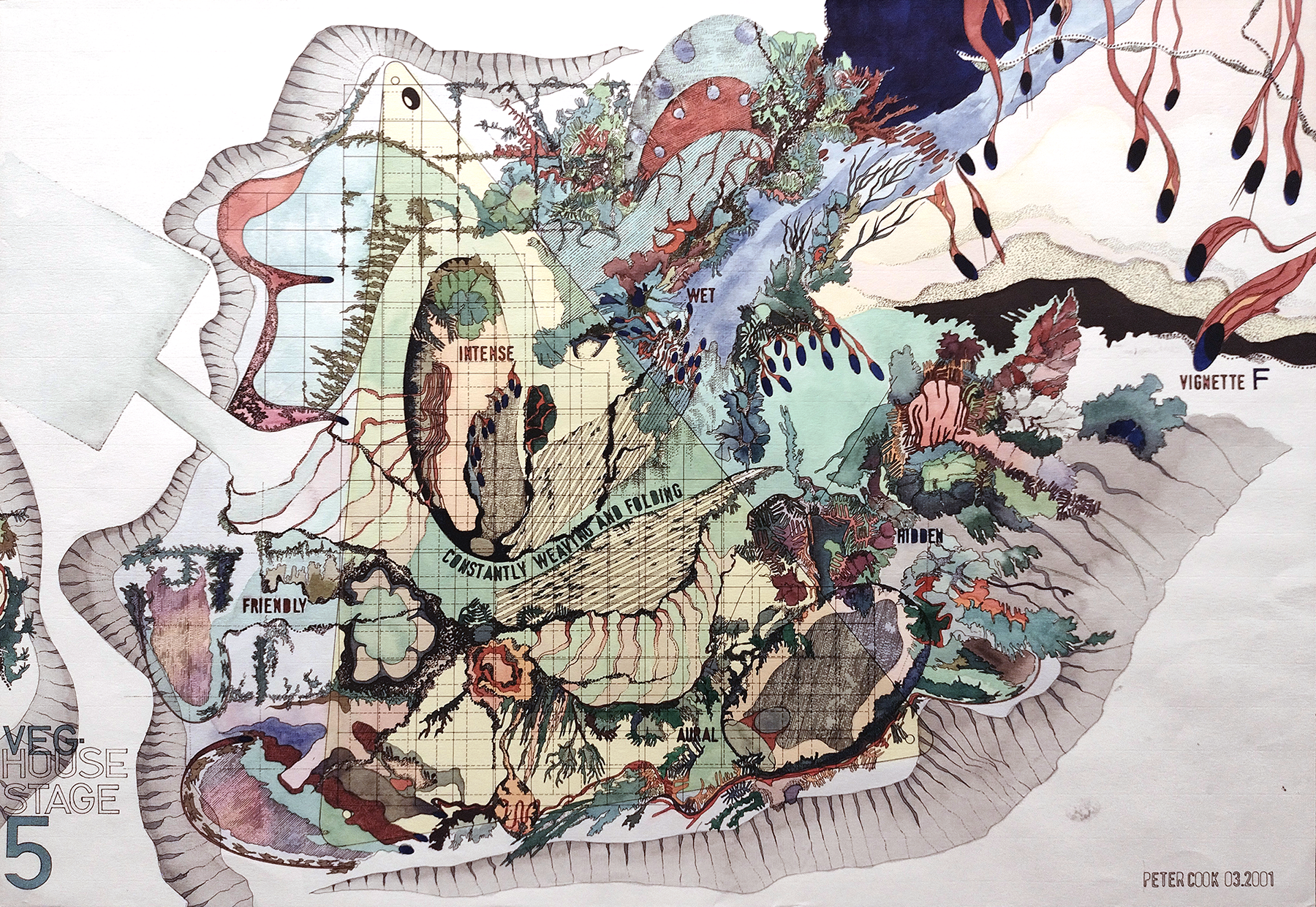
Peter Cook, Veghouse stage 5, reprodukcia z výstavy na Triennale of architecture Oslo, foto Michal Sládek.
Stromy a plány Bratislavy
Ako sa s témou stromov pracuje pri navrhovaní nových priestorov v Bratislave? Výkresy návrhov k aktuálnym súťažiam sú dobrým podkladom terajšieho rozmýšľania o budúcnosti. Ako súťažné tímy pristupovali k navrhovaniu nových drevín, a ako sa vysporiadali s ich zobrazovaním? Aké úmyselné aj mimovoľné posolstvá je z nich možné vyčítať? Aké typy zobrazenia sú teraz používané? Okrem pôdorysov a rezov sú výpovedné aj vizualizácie.
Ak nie je zvolené abstraktné zobrazenie, často sa strom objavuje v idealizovanej podobe. V dospelom veku, s dokonalým tvarom koruny a vždy s listami. Svoj vplyv má aj súčasný spôsob práce s počítačom, architekti a architektky môžu siahnuť po hotovom, dokonalom preddefinovanom strome, ktorý sa dá v modeli opakovať. Je jednoduchšie použiť jeden model na všetky stromy, než simulovať ich rozmanitosť. Napríklad ako v návrhu Urban Park (U/U Studio, 2021). Stromy tak majú rovnakú výšku, tvar aj farbu. Hoci sú perfetkne vykreslené, pôsobia strojene a tým ovplyvňujú celkové vyznenie výkresu.. Stromy nie sú zobrazené v ich cykle nielen na úrovni roka, kde sa strieda kvet, list, plod a holý konár, ale ani životného cyklu. Stromy v mladosti aj starobe potrebujú rozdielnu ochranu a podporu, a v jednotlivých štádiách svojho života aj vyzerajú odlišne.
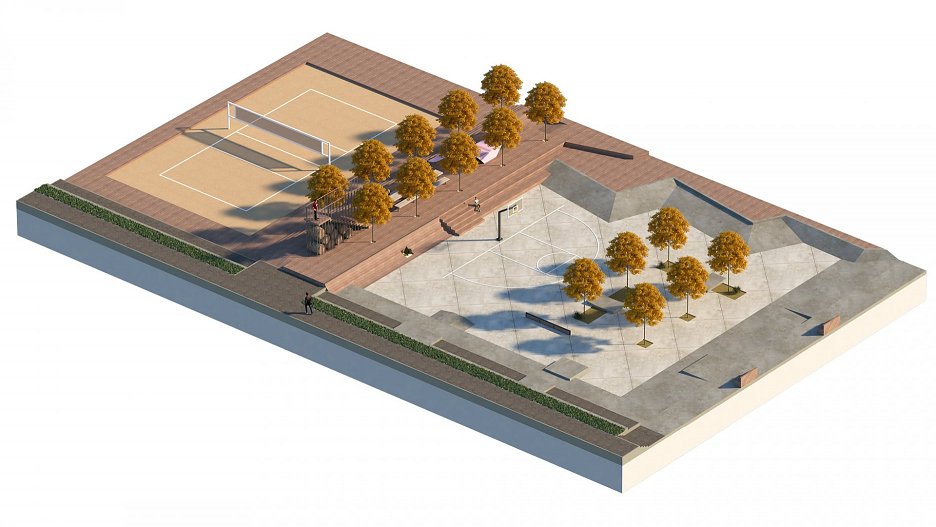
Projekt Urban Park Tbiliská Bratislava, U/U studio, zdroj www.uustudio.cz
Strom má v meste svoju konkrétnu hodnotu, ktorú vieme presne vyčísliť a kapitalizovať ako spoločenskú hodnotu drevín[3]. Je to cena, za ktorú možno vykúpiť jeho výrub, alebo o koľko by sme ako spoločnosť prišli, keby sa stromu niečo stalo. V čase zvýšeného záujmu si všimol ekonomickú hodnotu stromov aj trh s nehnuteľnosťami. Idealizovane zobrazené prisľúbené stromy dokážu pritiahnuť klientov. Niektoré vizualizácie projektov sa teda nesnažia zobraziť budúcu realitu, spadajú na úroveň reklamy, kde sa akceptuje estetika zveličenia a klišé. Slnečné lúče presvitajú cez štavnato zelené koruny krásnych stromov, pod ktorými sa hrajú a oddychujú zdraví a krásni ľudia. Táto estetika však preniká aj do verejných projektov, ako napríklad vizualizácia v súťaži na Jurigovo námestie od 2M ateliér architektúry. V tomto kontexte také zobrazenie pôsobí až nedôveryhodne.
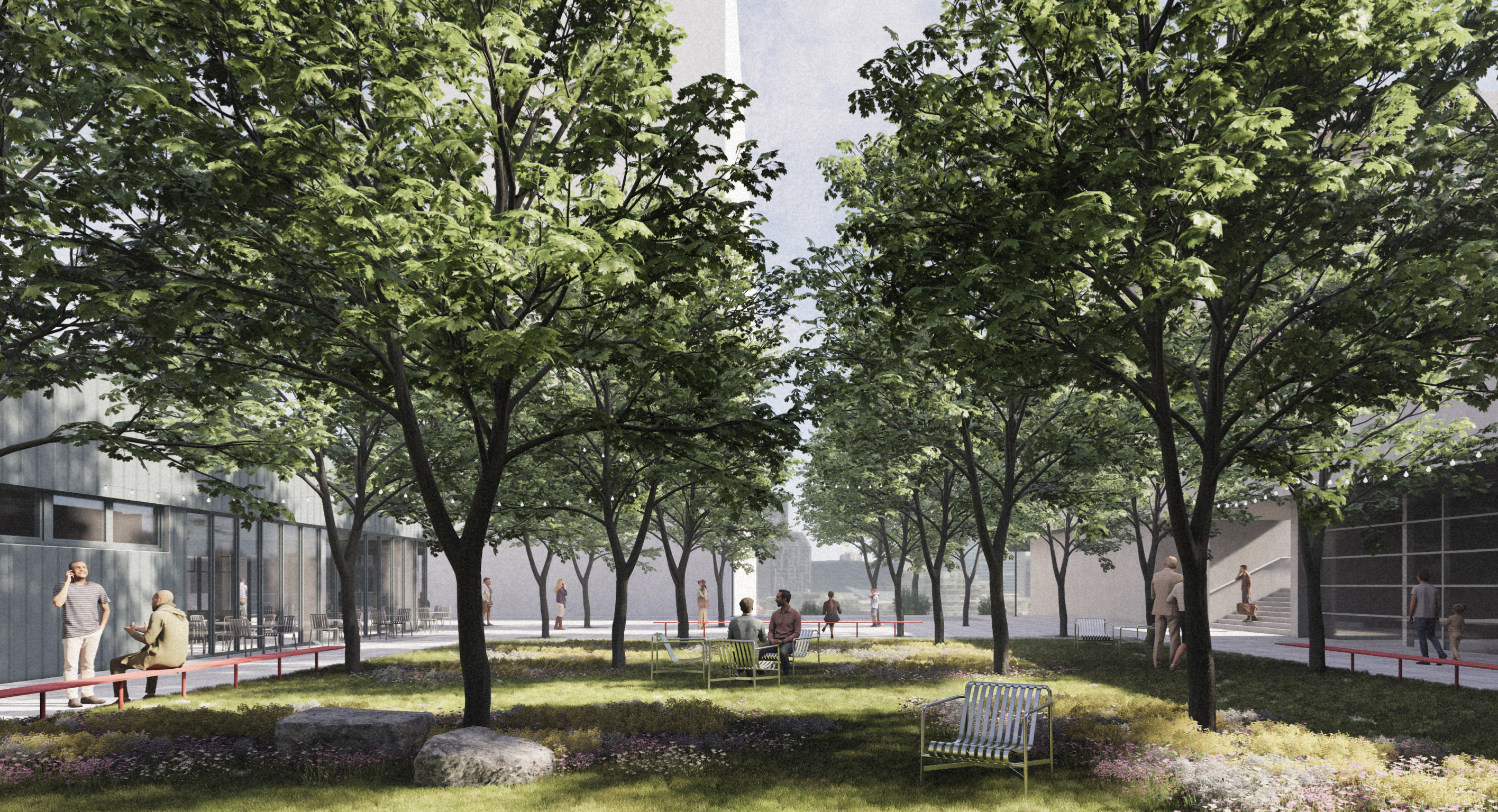
Projekt do súťaže Jurigovo námestie – 1. miesto: 2M ateliér architektúry, zdroj: www.mib.sk
Sú však projekty, kde vo výkresoch vidíme úprimný záujem zobraziť zamýšľanú rôznorodú zeleň. Projekt do súťaže na revitalizáciu Námestia Republiky (Amulet + sustektecl + Veronika Brabcová, 2021) je rozhodne takým, kde je podrobnosť návrhu zelene prekvapujúca. Každý jedinec je označený číslom a k výkresom je doložená legenda drevín. Prelínajú sa existujúce a navrhované porasty. Vizualizácie sa neboja zobraziť stromy, pravdepodobne je to koláž, rôznych nepravidelných tvarov. Nasvedčuje to tomu, že v kreatívnom tíme boli zrejme prítomné rôzne profesie obohacujúce návrh.
Projekt do súťaže na revitalizáciu Námestia Republiky – 2.miesto: Amulet + sustektecl + Veronika Brabcová, zdroj: www.mib.sk
Rameno pracovnej plošiny klesá dolu ku kope orezaných konárov. Dúfam, že strom je v poriadku a bude tu rásť ešte dlho. Pokračujem v cest mestom. Všímam si množstvo stromov okolo mňa a uvažujem nad množstvom starostlivosti, ktoré im je potrebné venovať a na všetko, čo nám prinášajú. Ich reprezentácia na architektonických návrhoch je rôzna, avšak vždy sa môže len priblížiť komplexnosti života stromov. Obrázky generované umelou inteligenciou (Obr.1) prinesú technickú možnosť do vizualizácií vysadiť stromy – jednotlivcov v rôznych životných a cyklických obdobiach. O to viac bude potrebné premýšľať nad abstraktnou časťou výkresov. Ako by sme mohli zobraziť vplyv stromov na okolie, ich vzťahy s inými životnými bytosťami a predovšetkým ako zachytiť ich potreby. Ako nezabudnúť na korene, na vodu, na peľ a plody, na hmyz a vtáky a celý ekosystém? Reprezentácia ich potrieb by ich pomohla zviditeľniť ako dôležitých obyvateľov mesta, ktorí by mali mať pri jeho ďalšom plánovaní svoj hlas.
Michal Sládek
Spolupráca Viktória Mravčáková a Kristina Roman
Text vznikol vďaka podpore štipendijného programu Nadácie mesta Bratislava.
1 staremesto.sk/sk/content/vyruby-drevin
2 PUIG DE LA BELLACASA, María. 2017. Matters of care: speculative ethics in more than human worlds. Minnesota: University of Minnesota Press.
3 shd.sk
Bibliografia:
LAVIN, Sylvia. 2020. Trees move in [online]. Dostupné z: drawingmatter.org
PASCUAL, Daniel Fernández and SCHWABE, Alon. 2017. The Offsetted [online]. Dostupné z:e-flux.com
PUIG DE LA BELLACASA, María. 2017. Matters of care: speculative ethics in more than human worlds. Minnesota: University of Minnesota Press.
MATTERN, Shannon. 2021. Tree Thinking [online]. Dostupné z: placesjournal.org
Links:
himalisinghsoin.com
drawingmatter.org/writer/lavin-sylvia
manual.mib.sk/zelen-v-meste
cup.columbia.edu/book/plant-thinking
eurozine.com/cultural-citizenship/
journals.openedition.org
link.springer.com/article
shd.sk
staremesto.sk/sk/content/vyruby-drevin