[:sk]Skryté mestá / GALETO ALEBO POSLEDNÉ LISABONSKÉ TAJOMSTVÁ[:en]Hidden Cities / GALETO OR THE LAST SECRETS OF LISBON[:]
[:sk]Keď sa v architektúre zhmotní zeitgeist, alebo malá revolúcia v Lisabone. Ikonický podnik GALETO už takmer šesť desaťročí vytvára priestor pre hlučné rodinné stretnutia, romantické momenty, ale aj introvertov.
Vlastné narodeniny som sama v bare oslavovala zatiaľ len raz, v novembri 2021. V tom čase som bola v Lisabone a moje plány osláviť môj deň s kamarátmi sa na poslednú chvíľu zrušili. V to ráno som sklamaná sedela na byte a popoludní som sa rozhodla odviezť sa k oceánu. Prechádzala som sa po pláži a nič viac mi v tej chvíli nebolo treba. Po ceste domov som však dostala náladu na sólo drink – a tiež rande so svojim mestom. Namiesto večere s blízkymi sa plánom B stal bar s menom GALETO. Na zastávke Saldanha som vystúpila zo žltej linky metra a po Avenida da República kráčala k podniku. Sadla som si k dlhému baru v zadnej časti a objednala si pohár portugalského červeného. Už si nepamätám, či bolo z juhu, od pobrežia alebo zo severu, bolo každopádne výborné. Sedela som tam sama obklopená inými ľuďmi – solitérmi ako ja, staršími i mladšími párikmi, rodinami – a takmer žiadnymi turistami. Letmo som pozorovala okolie, pila víno a popritom si niečo písala do diára. Podnik sa po chvíli úplne zaplnil. O tom, že mám narodeniny, som vedela iba ja – a túto “tajnú” oslavu som si dosť užila.
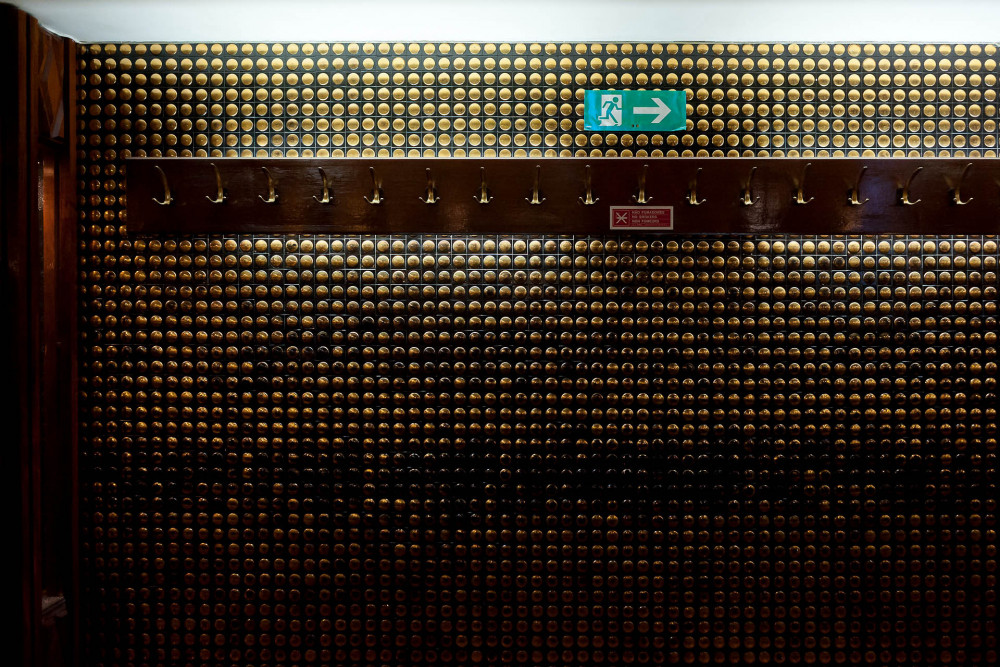
Galeto som po prvýkrát navštívila už pár rokov predtým, v lete 2015. Vtedy ma tam zobral môj známy Nikolai Nekh, portugalský umelec, s ktorým sme v tom čase pripravovali spoločnú výstavu. Chcem ti ukázať jedno miesto. Myslím, že sa ti tam bude páčiť, povedal mi jedného dňa a o týždeň neskôr sme sa spolu ocitli v Galete. Vidíš tie ošúchané steny? povedal Nikolai. Zadívala som sa na zlatistý reliéf tvorený množstvom guličiek, ktorý už mal pekne poctivú patinu. Kedysi sa tam po nociach zvykli opierať prostitútky, kým neodišli s niektorým zo zákazníkov, vysedávajúcich na bare.
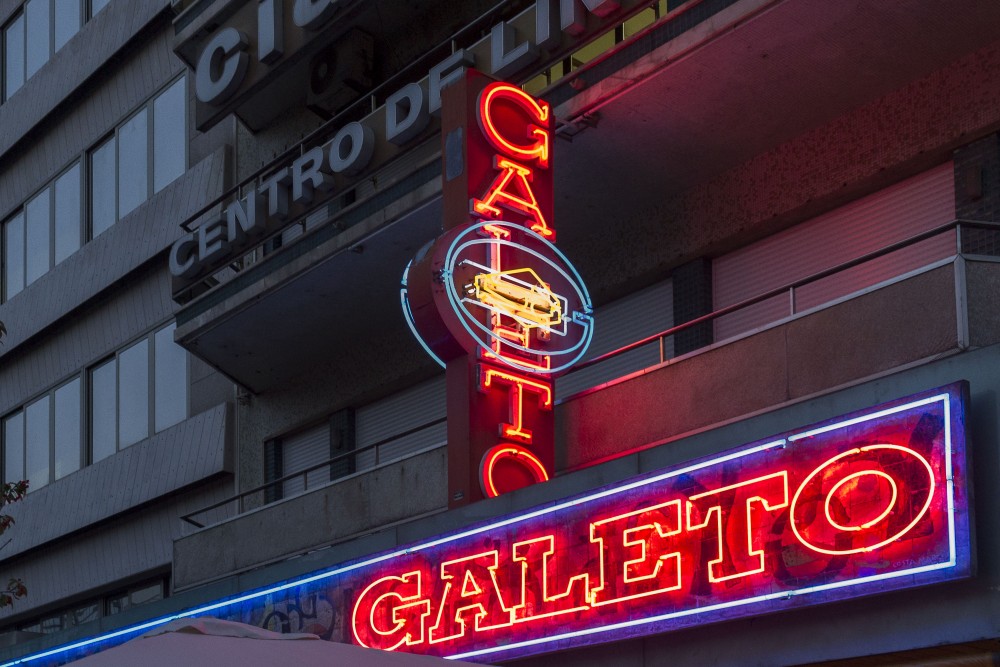
Galeto nie je len bar a reštaurácia – je to ešte oveľa viac. Skladá sa z niekoľko za sebou zaradených častí, ktorých život utícha alebo buble podľa jednolivých fáz dňa. Podnik sa nachádza v parteri obytného domu, na fasáde ktorého už 57 rokov visí modro-červený neón GALETO. Pred ním je esplanada, terasa. Keď vojdete dnu, najskôr sa ocitnete v pastelarii a gelaterii, teda pekárni a zmrzlinárni. V zadnej časti priestoru sa rozprestiera veľká reštaurácia, ktorá zároveň slúži ako bar.
Keby Edward Hopper žil v Lisabone, som si istá, že by do Galeta chodil za námetmi pre svoje obrazy. Viem si celkom dobre predstaviť lisabonskú verziu obrazu Nighthawks. Tento podnik totiž svojim interiérom a atmosférou trochu pripomína americký diner. To je tiež dôvod, prečo som si pre svoju sólo oslavu vybrala práve toto miesto. Narozdiel od iných lisabonských podnikov (Portugalci sú zväčša veľmi sociálni a milujú veľké spoločné večere a posedenia), som sa tu sama so sebou na mojej narodeninovej “párty” ani chvíľu necítila nepatrične.
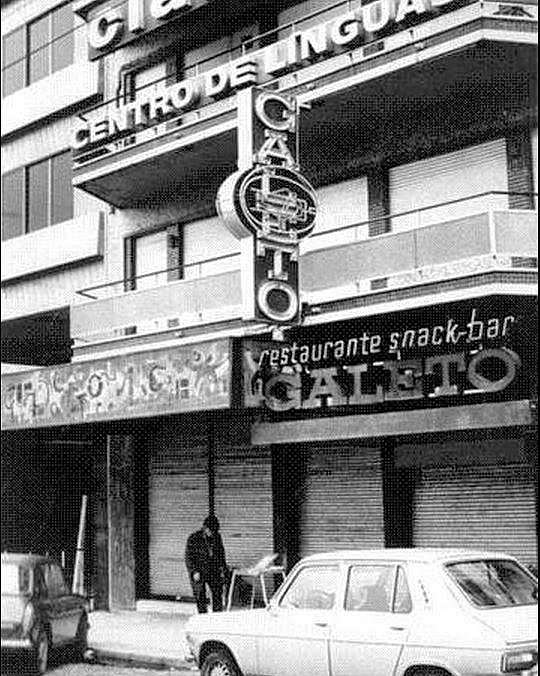
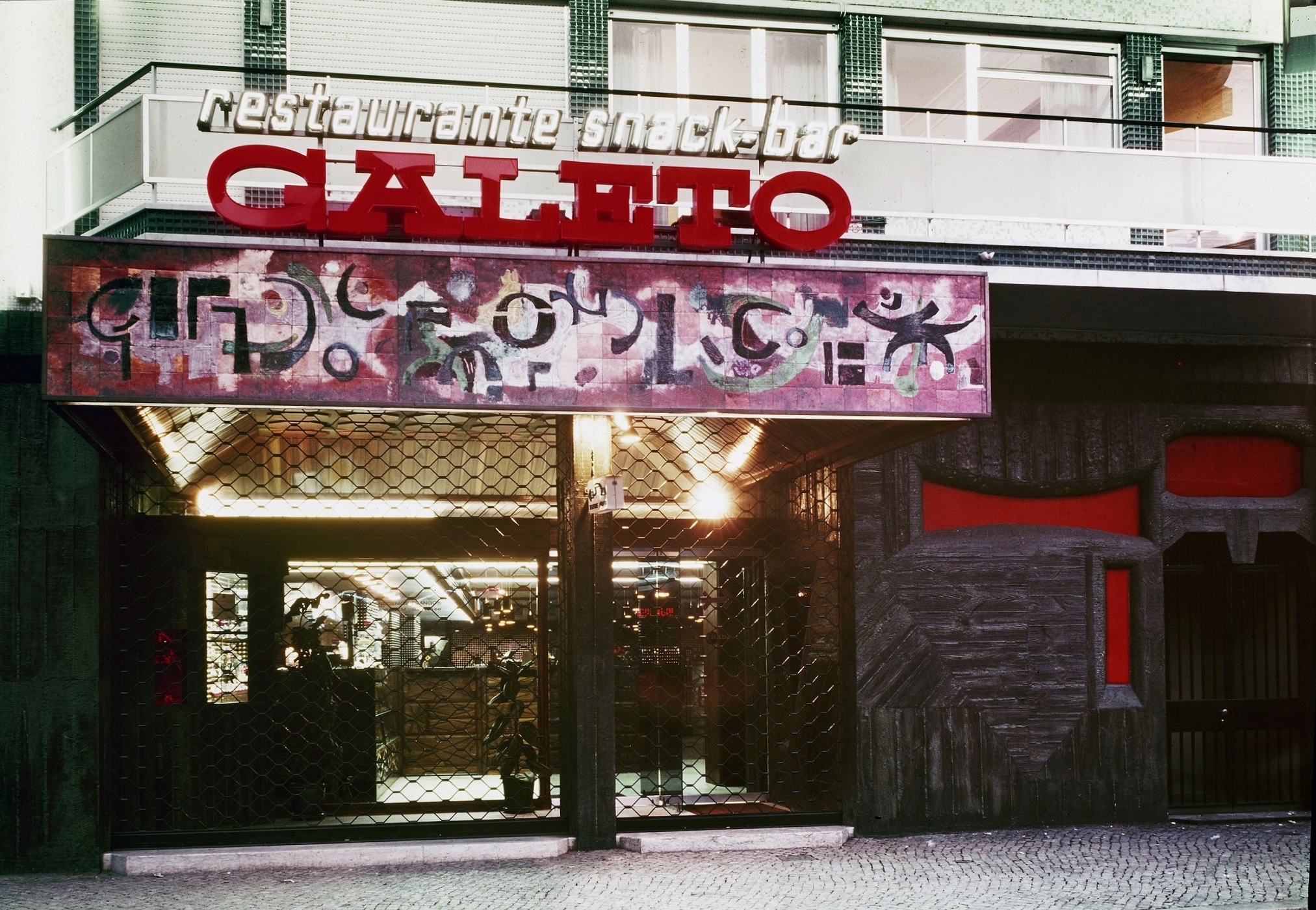
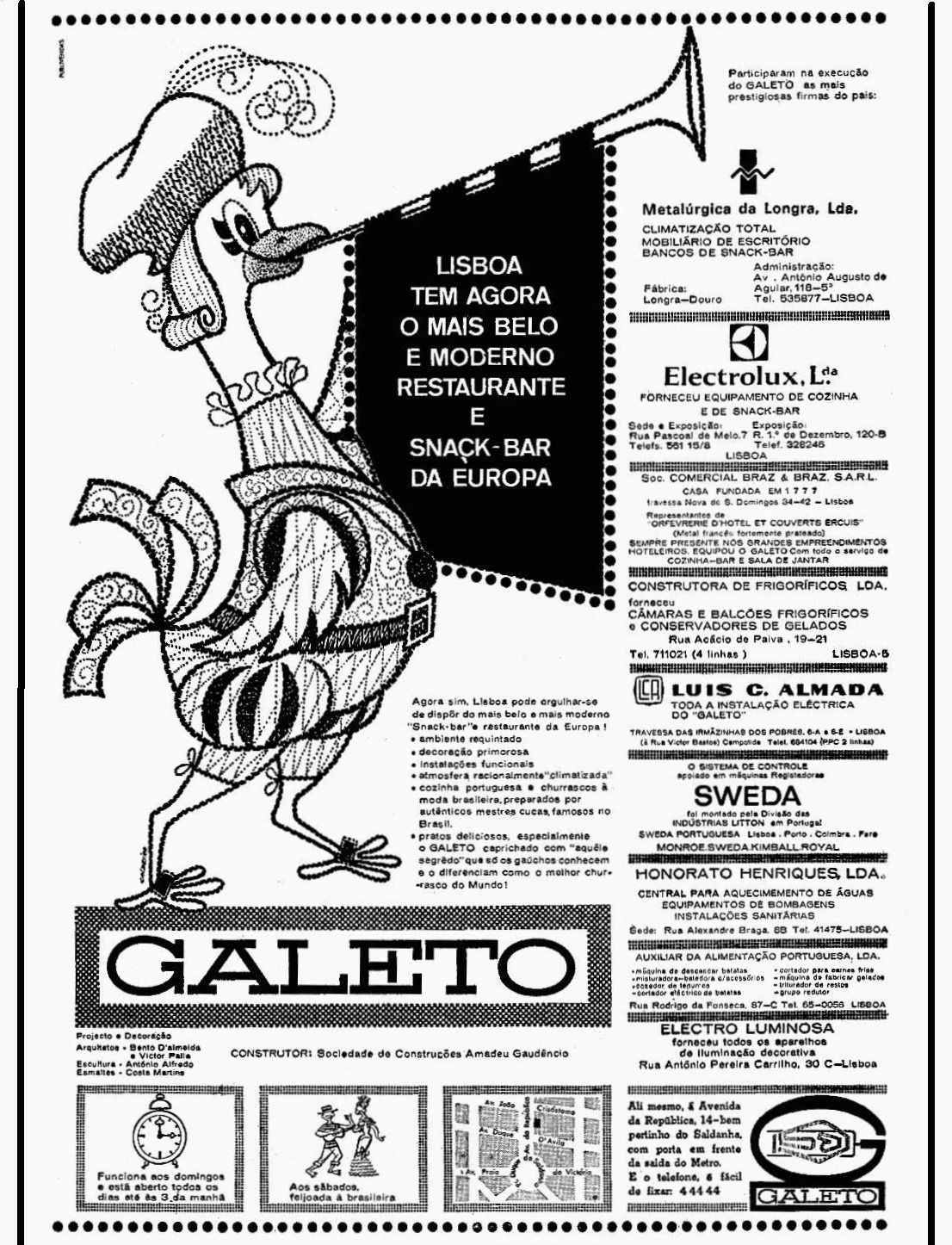
GALETO sa v 60. rokoch nezjavilo z ničoho nič. V čase svojho vzniku naplnilo potreby doby – prišlo v období, kedy sa spoločnosť, dovtedy prevažne fungujúca v komunitách, začala atomizovať a individualizovať pod vplyvom života vo veľkomeste a ďalšími okolnosťami. Tento podnik, ktorý sa na mapu Lisabonu dostal v roku 1966, tiež súvisí s urbanistickým rozvojom mesta. Saldanha – štvrť, v ktorej sa nachádza – predstavuje iný Lisabon, ako ten, ktorý vidíte v historickom centre. Keď dlhší čas pobudnete v úzkych a nelogicky prepletených uličkách a potom sa jedného dňa metrom vyveziete trochu vyššie, vzdušný charakter ulíc a nečakaná urbanistická veľkorysosť pôsobí takmer ohurujúco. Akoby ste sa zrazu mohli poriadne nadýchnuť. Táto časť mesta nesie tiež názov Avenidas Novas, alebo “nové cesty” a vznikala od konca 19. do prvej polovice 20. storočia. Cieľom bolo prepojiť rozrastajúce sa centrum mesta so severne položenými, kedysi rurálnejšími časťami, ktoré sa dostali na mestskú perifériu. S novým spoločenským nastavením a vibrujúcim mestským životom prirodzene vyvstala potreba nových miest a služieb.
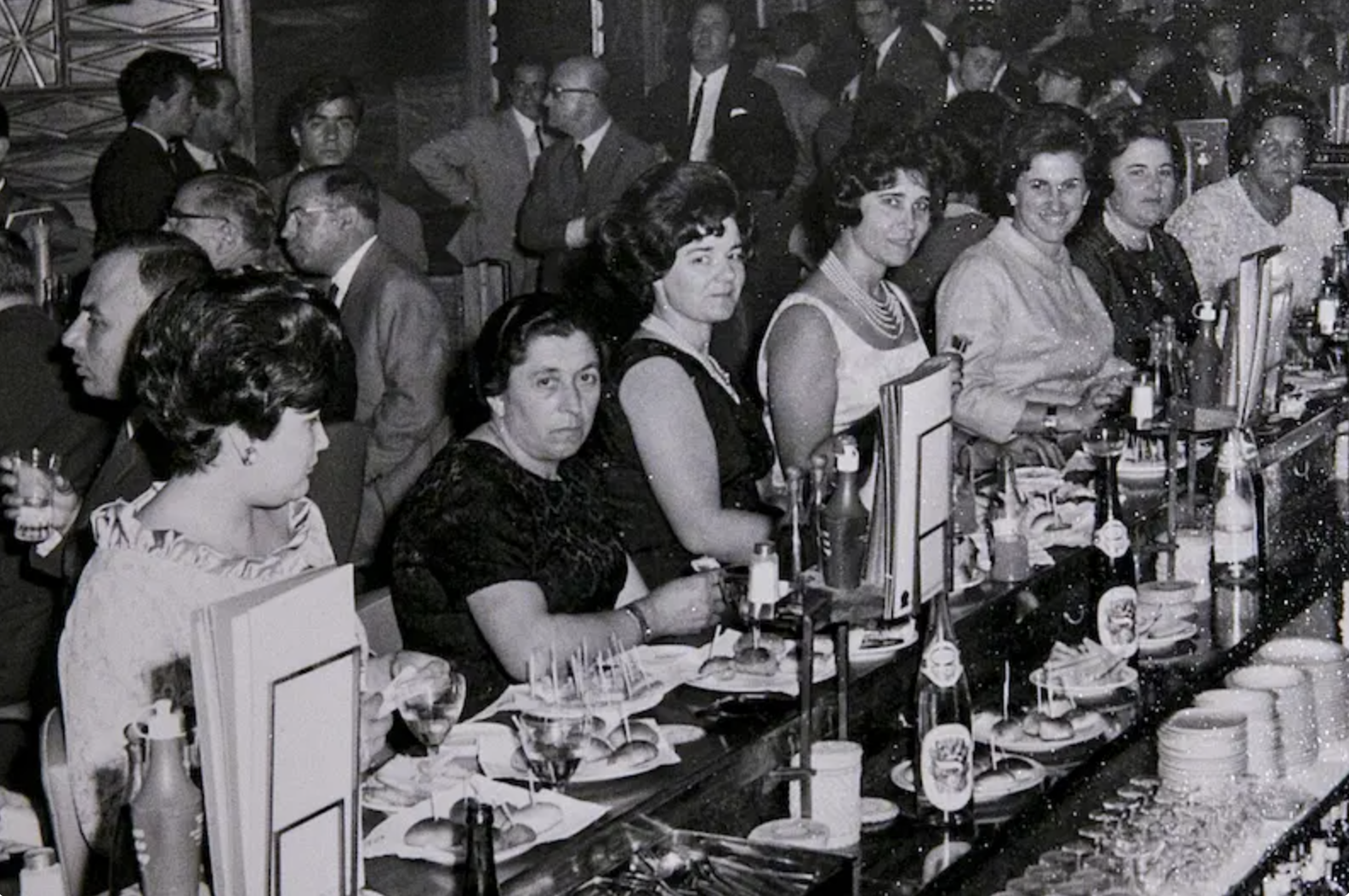
Príbeh vzniku Galeta má zaujímavú trajektóriu: Taliansko – Brazília – Portugalsko. Talianska komunita pôsobiaca v Brazílii na tamojšej gastronomickej scéne spopularizovala Galletto – malé kurča grilované na uhlí. Partia šiestich portugalských emigrantov žijúcich v Brazílii sa rozhodla populárny koncept preniesť do vlastnej krajiny. Po ceste sa z pôvodného názvu vytratili písmená “L” a “T”, a nový podnik s jednoduchým a dobre znejúcim menom GALETO sa čoskoro stal hot spotom moderného Lisabonu 70. rokov minulého storočia. Neponúkalo sa tu však len grilované kurča, ale aj (v tom období na portugalskej gastro scéne priam revolučné) burgre a sendviče.
Prirodzene, segment fast foodu za uplynulé desaťročia prešiel veľkými zmenami a v tomto smere už podnik nedokáže konkurovať aktuálnym a neustále sa meniacim trendom. Jedlo v Galete v kontexte súčasnej ponuky nepredstavuje nič výnimočné, popularita podniku našťastie nestojí výlučne na gastronomickom zážitku. Povedala by som, že pre mnohých návštevníkov a návštevníčky (medzi ktorých rátam i seba) je až v druhom pláne. V popredí totiž doteraz stojí jedinečná atmosféra a architektonické riešenie tohto miesta. Ak ste Portugalsko niekedy navštívili, isto poznáte charakter typických reštaurácií, ktoré miestni nazývaju tasca – kachličkami obložené steny, jednoduchý interiér so stolmi pokrytými papierovými obrusmi a neónovým osvetlením. Galeto v období svojho vzniku prinieslo niečo výnimočné nielen v rámci gastronómie, ale aj samotného interiéru.
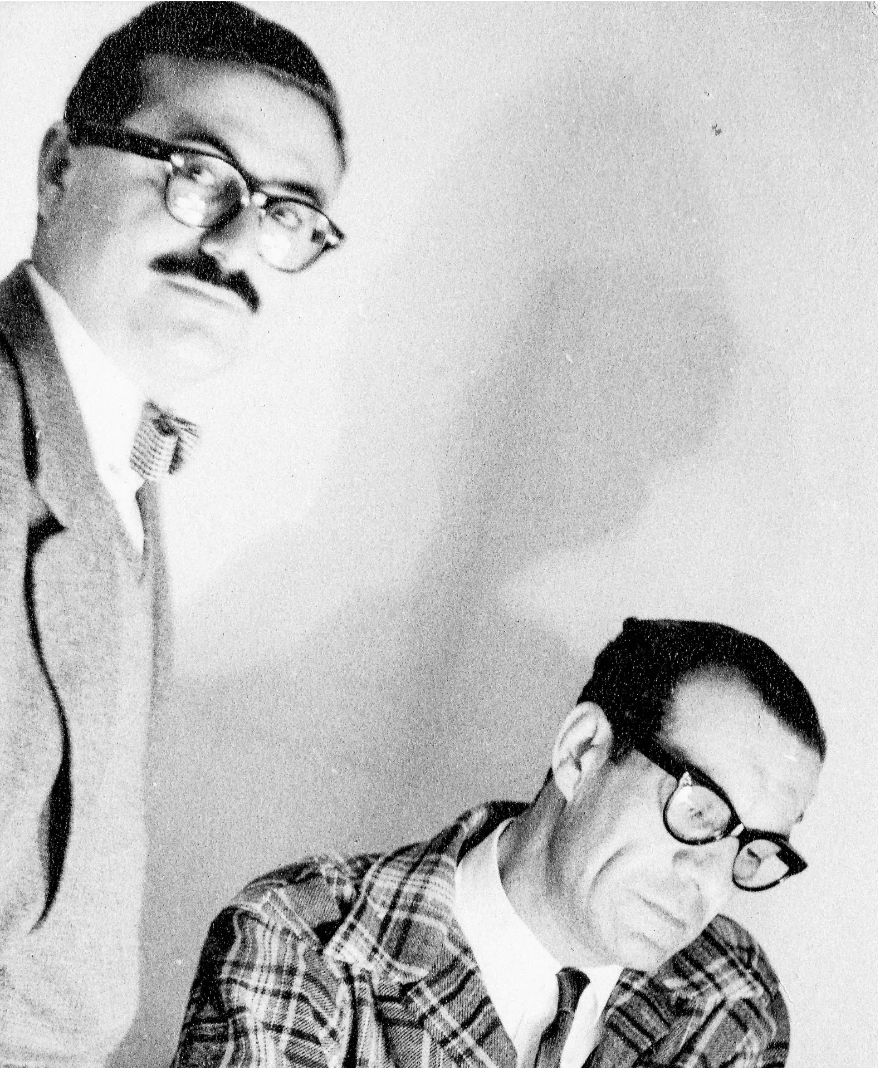
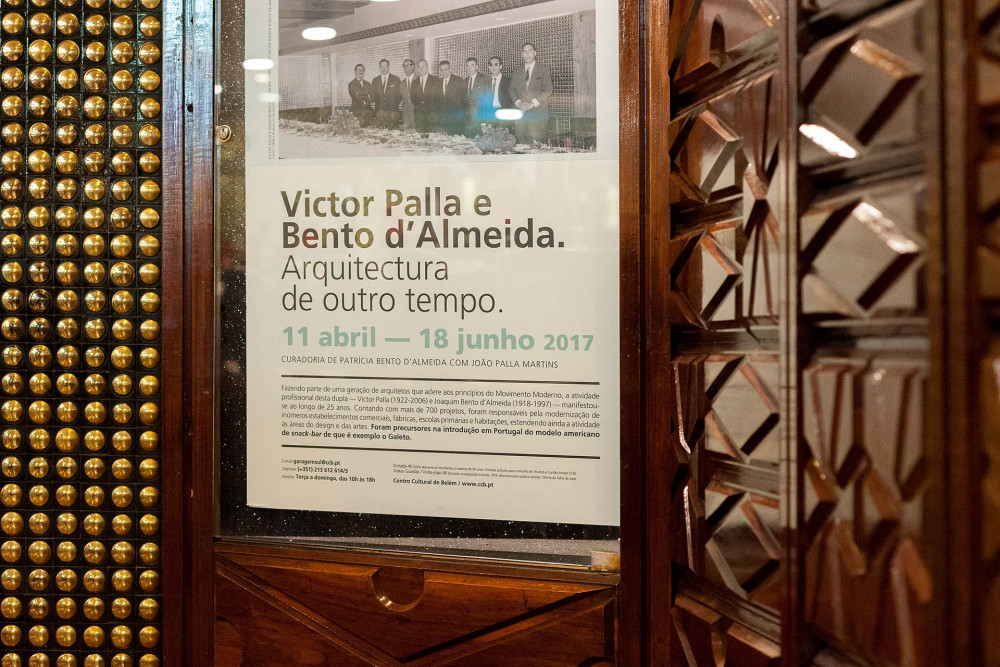
Za architektonickou koncepciou podniku stoja Victor Palla a Joaquim Bento d’Almeida, ktorí sa spájajú s miestnym modernistickým hnutím. Dvojica za 25 rokov svojej spolupráce (1947–1973) navrhla viac než 700 stavieb. Do ich portfólia patrili továrne, školy, hotely, obytné domy, reštaurácie a obchodné centrá. A boli to práve Palla a Bento d’Almeida, ktorí priniesli do Portugalska moderný severoamerický reštauračný model – snack bar. Okrem Galeta realizovali ďalšie výrazné podniky tohto typu, ako napríklad snack bary Noite e Dia a Pique-Nique, alebo Cunha, ikonickú reštauráciu v Porte.
Po otvorení podniku sa v 70. a 80. rokoch Galeto stalo miestom, kde sa stretávala bohéma: herci a herečky, ľudia od literatúry, hudby alebo výtvarného umenia. Obľúbili si ho aj tí, ktorí si po večeri strávenom v kine alebo divadle chceli zájsť na večeru alebo len tak niečo zakusnúť a podebatovať pri drinku v čase, keď už iné reštaurácie a bary boli zatvorené. A napriek tomu, že miestna bohéma sa časom z Galeta vytratila, rôznorodí a neskorí hostia chodiť nikdy neprestali.
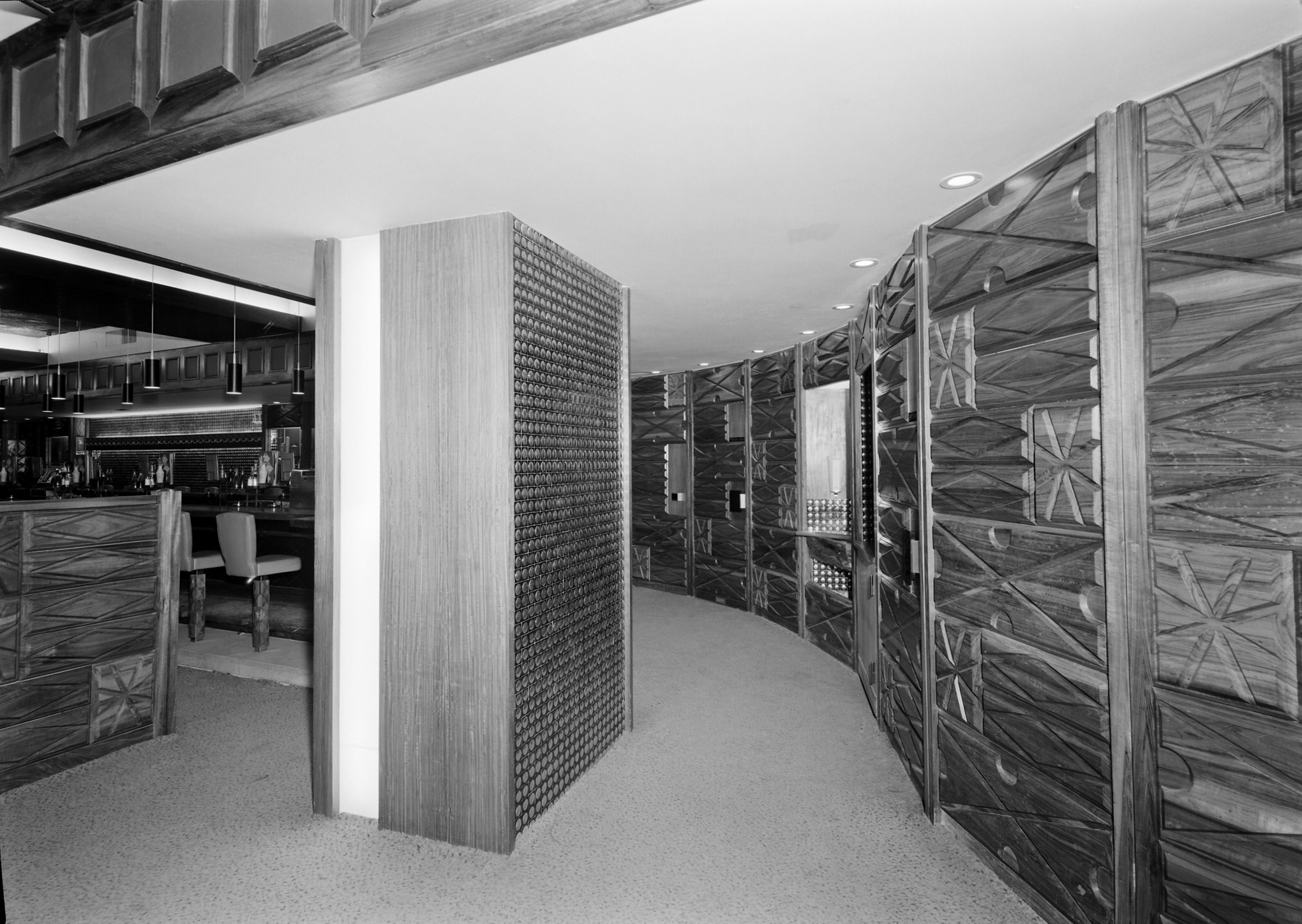
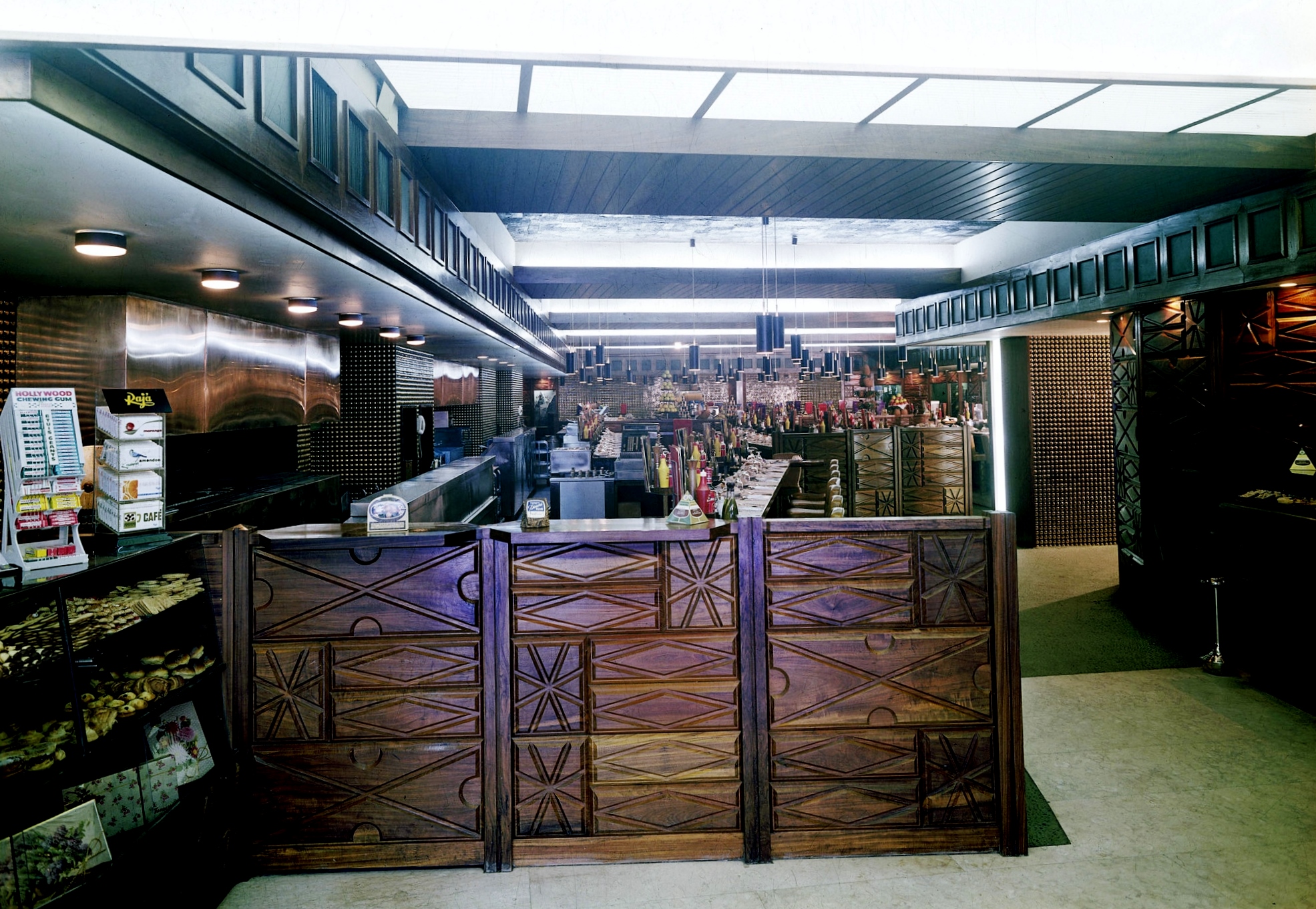
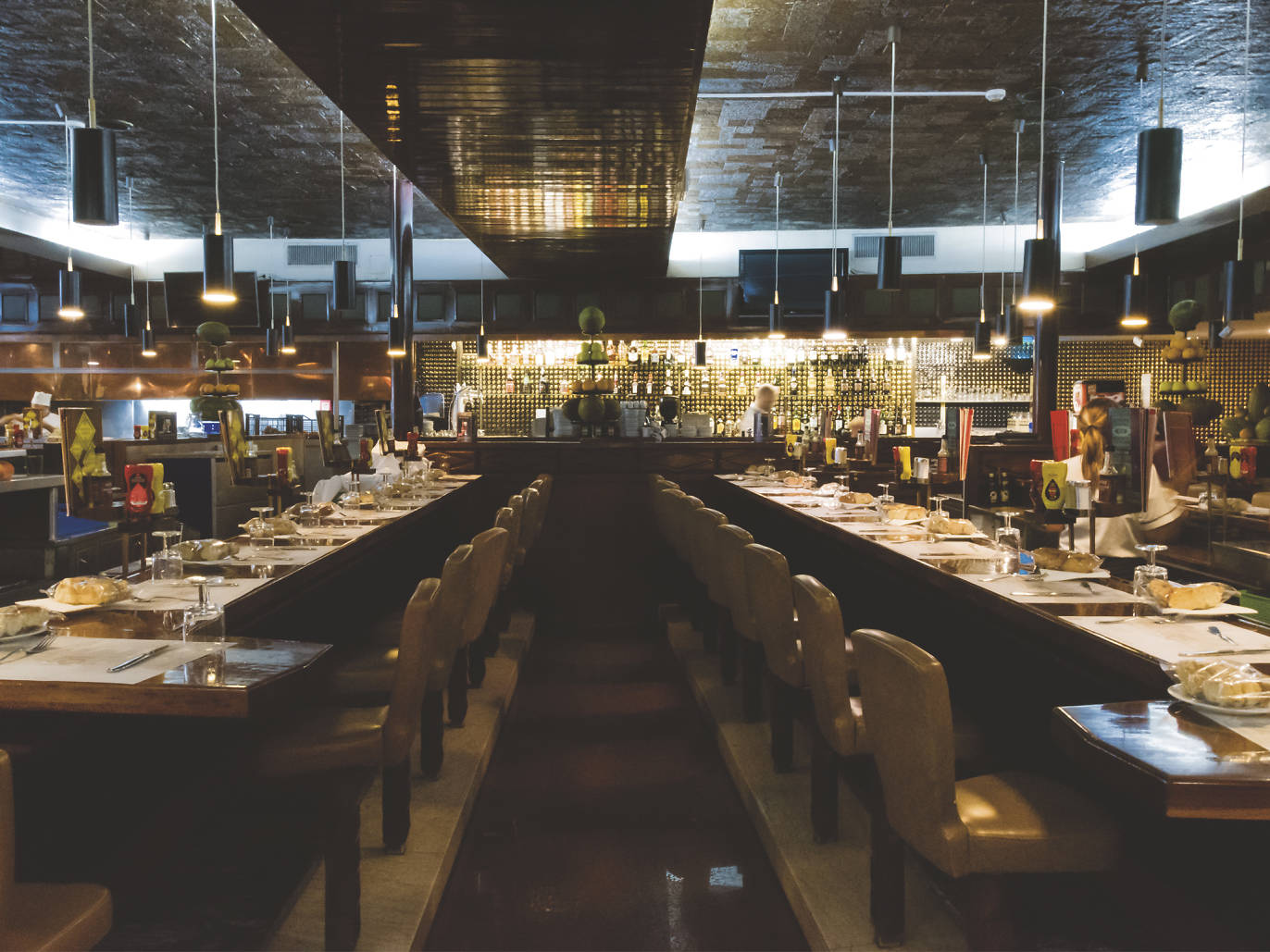
Avantgardný interiér Galeta pojme až 125 ľudí. Napriek tejto veľkorysosti má intímnu atmosféru, a to vďaka nízkemu stropu, osvetleniu a použitým materiálom. Steny sú po celej dĺžke obložené už spomínaným mosadzným guličkovým reliéfom, ktorý plasticky vystupuje z tmavého pozadia. Takto riešené plochy stien sa striedajú s obložením z tmavého lakovaného dreva, ktoré je vyskladané do geometrického reliéfu tvoreného blokmi rôznych veľkostí. Na pulte v pravidelných rozostupoch trónia nerezové misy doplna naložené ovocím. Na samom vrchu je vždy položený sebavedomý ananás, portugalsky abacaxi (“abakaši”).
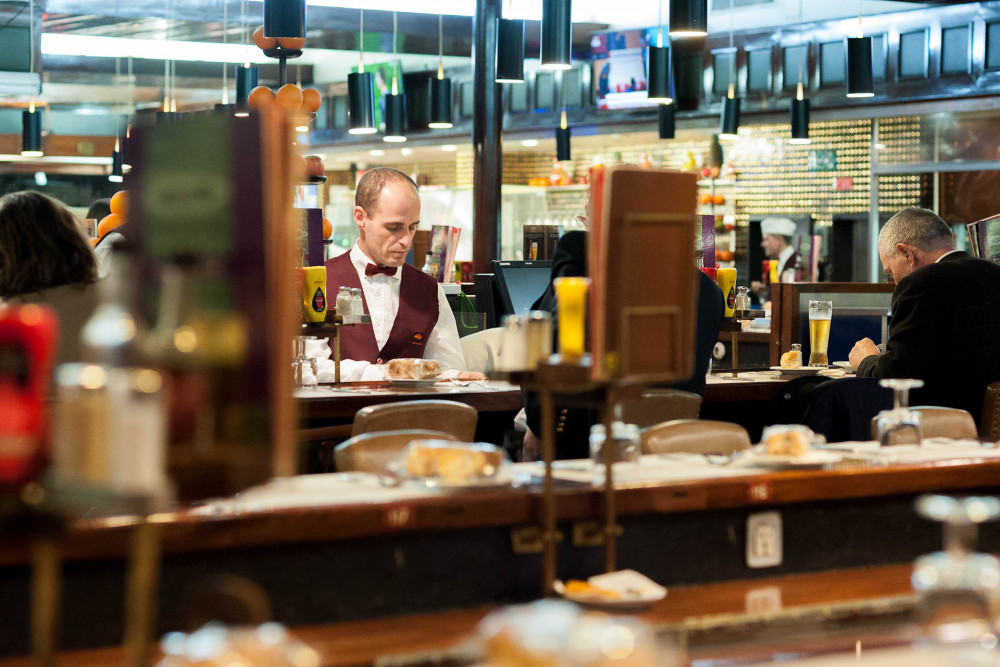
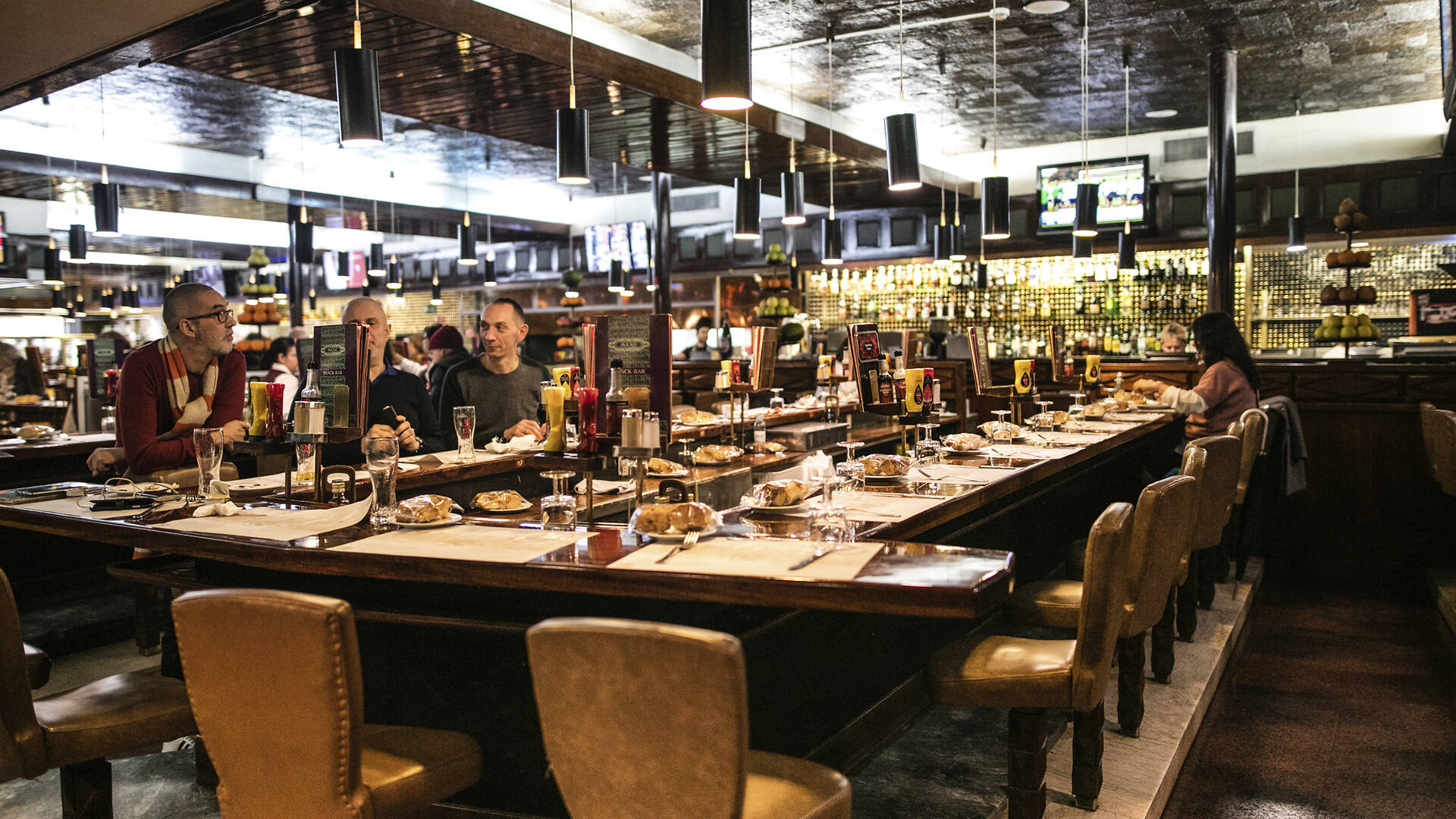
Toto všetko vytvára príjemné, ale jasne definované a predovšetkým nadčasové pozadie pre ústredný motív podniku: bar, ktorý sa ako had kľukatí celým interiérom. Jeho dispozícia podnecuje zaujímavé sociálne momenty: človek môže sedieť sám a nadviazať očný kontakt s ľuďmi sediacimi oproti. Spolu s tlmeným osvetlením to nemusí, ale určite môže vytvoriť vhodnú atmosféru pre flirt. Ako jeden z mála podnikov je GALETO miestom, ktoré s ľahkosťou prijme rôznu klientelu. Často tu stretnete celé rodiny, ktoré sa ako vrabce na šnúre usadia na fixovaných barových stoličkách potiahnutých kožou a prekrikujú sa jeden cez druhého. Galeto je tiež skvelé miesto pre rande alebo neskorý business drink, a tiež spot vychýrený možnosťou dať si jedlo v neskorých večerných či skorých ranných hodinách. Galeto je správnou voľbou ak máte náladu na niečo slávnostnejšie, ale nie umelé a neuvoľnené, ako to pri fancy podnikoch občas býva. Často tu však uvidíte i solitérov, ktorí sem zájdu po práci, len tak, na večeru a prečítať si noviny. Alebo ženy, ktoré tu osamote oslavujú narodeniny.
GALETO má ešte jeden dôležitý aspekt – napriek turizmu, ktorý za posledné desaťročie pohltil centrum Lisabonu a postupne zasiahol aj ďalšie stvrte, ostáva toto miesto nekompromisne svojské. Treba podotknúť, že dôležitým faktorom je tu kontinuita – súčasný majiteľ podniku, Francisco Oliveira, je synom jedného zo zakladateľov. Tradícia dedenia zabehnutých reštaurácií a kaviarní z generácie na generáciu výrazne prispieva k budovaniu ich hodnoty a autentickej atmosfére. Okrem Galeta je silne prítomná aj na množstve iných, úplne obyčajných miest. I keď si Portugalsko prešlo veľmi krutým autoritárskym režimom, je tu jednoducho cítiť, že súkromné vlastníctvo, rodinné podnikanie a hodnoty s ním spojené tu – na rozdiel od našej krajiny – nikdy prerušené neboli.
P.S.
LOJAS COM HISTORIA je skvelý projekt iniciovaný Mestskou radou Lisabonu, ktorý už niekoľko rokov mapuje a upozorňuje na historické obchody, reštaurácie, kaviarne a ďalšie hodnotné miesta v rýchlo sa meniacom Lisabone. Okrem webu môžete i priamo v meste naraziť na obchody a podniky označené touto prestížnou “známkou”.
Použité zdroje:
lojascomhistoria.pt
restosdecoleccao.blogspot.com
observador.pt
culinarybackstreets.com
fundacaoserrahenriques.org
timeout.pt
[:en]When the zeitgeist materializes in architecture, or a small revolution in Lisbon. For almost six decades, the iconic GALETO has been creating a space for noisy family gatherings, romantic moments, and introverts alike.
I’ve only celebrated my own birthday alone in a bar once so far, in November 2021. I was in Lisbon at the time and my plans to celebrate my day with friends got cancelled at the last minute. Disappointed, I sat in my apartment that morning and decided to drive to the ocean that afternoon. I walked along the beach and that was all I needed at that moment. On the way home, however, I got in the mood for a solo drink – and also a date with my city. Instead of dinner with loved ones, Plan B became a bar called GALETO. I got off the yellow metro line at the Saldanha stop and walked down Avenida da República to the place. I sat at the long bar in the back and ordered a glass of Portuguese red. I don’t remember if it was from the south, the coast or the north, either way it was delicious. I sat there alone, surrounded by other people – solitaries like me, older and younger couples, families – and hardly any tourists. I glimpsed the surroundings, drank wine and wrote something in my diary. After a while, the place filled up completely. Only I knew it was my birthday – and I quite enjoyed this “secret” celebration.
I had visited Galeto for the first time a few years ago, in the summer of 2015. At that time I was taken there by my friend Nikolai Nekh, a Portuguese artist with whom I was preparing a joint exhibition at the time. I want to show you one place. I think you’ll like it, he told me one day, and a week later we found ourselves in Galeto together. You see those shabby walls? Nikolai said. I stared at the golden relief made up of lots of marbles, which already had a nice honest patina. It used to be where prostitutes used to lean at night until they left with one of the customers hanging out at the bar.
Galeto isn’t just a bar and restaurant – it’s so much more. It consists of several consecutive sections, whose life ebbs or bubbles according to the different phases of the day. The business is located on the ground floor of a residential building, on the facade of which the blue and red GALETO neon sign has been hanging for 57 years. In front of it is an esplanade, a terrace. When you enter, you first find yourself in the pastelaria and gelateria, that is, the bakery and ice cream parlour. At the back of the space is a large restaurant, which also serves as a bar.
If Edward Hopper lived in Lisbon, I’m sure he would go to Galeto to find subjects for his paintings. I can quite well imagine a Lisbon version of the Nighthawks painting. The interior and atmosphere of this place is a bit like an American diner. This is also the reason why I chose this place for my solo celebration. Unlike other Lisbon venues (the Portuguese are mostly very social and love big communal dinners and get-togethers), I didn’t feel out of place with myself for a moment at my birthday “party” here.
GALETO didn’t appear out of nowhere in the 1960s. At the time of its creation, it fulfilled the needs of the times – it came at a time when society, until then mostly functioning in communities, began to atomize and individualize under the influence of life in the big city and other circumstances. This enterprise, which put Lisbon on the map in 1966, is also linked to the urban development of the city. Saldanha – the neighbourhood in which it is located – represents a different Lisbon to the one you see in the historic centre. If you stay for a long time in the narrow and illogically intertwined streets and then one day take the metro a little higher up, the airy nature of the streets and the unexpected urban generosity is almost overwhelming. It’s as if you can suddenly breathe properly. This part of the city is also called Avenidas Novas, or ‘new roads’, and was built from the late 19th to the first half of the 20th century. The aim was to connect the sprawling city centre with the once more rural parts to the north, which had reached the urban periphery. With the new social setting and vibrant urban life, the need for new places and services naturally arose.
The story of the creation of Galeto has an interesting trajectory: Italy – Brazil – Portugal. The Italian community operating in Brazil popularised Galletto – a small charcoal-grilled chicken – on the local gastronomic scene. A group of six Portuguese expatriates living in Brazil decided to bring the popular concept to their own country. Along the way, the letters “L” and “T” were dropped from the original name, and the new venture, with its simple and good-sounding name GALETO, soon became a hot spot in modern 1970s Lisbon. It didn’t just offer grilled chicken, however, but also (revolutionary on the Portuguese gastro scene at the time) burgers and sandwiches.
Naturally, the fast food segment has undergone great changes over the past decades and in this respect the business can no longer compete with current and constantly changing trends. In the context of the current offer, the food at Galeto is nothing special, and fortunately the popularity of the company is not based solely on the gastronomic experience. I would say that for many visitors (among whom I count myself) it is an afterthought. In fact, the unique atmosphere and architectural design of the place is still at the forefront. If you’ve ever visited Portugal, you’ll be familiar with the character of the typical restaurants that the locals call tasca – tiled walls, simple interiors with tables covered in paper tablecloths and neon lighting. Galeto, in the period of its creation, brought something exceptional not only in gastronomy but also in the interior itself.
Victor Palla and Joaquim Bento d’Almeida, who are associated with the local modernist movement, are behind the architectural concept. The pair designed more than 700 buildings in their 25 years of collaboration (1947–1973). Their portfolio included factories, schools, hotels, apartment blocks, restaurants and shopping centres. And it was Palla and Bento d’Almeida who brought the modern North American restaurant model – the snack bar – to Portugal. In addition to Galeto, they implemented other distinctive ventures of this type, such as the snack bars Noite e Dia and Pique-Nique, or Cunha, the iconic restaurant in Porto.
After the opening of the establishment in the 70s and 80s, Galeto became a place where the bohemians met: actors and actresses, people from literature, music or fine arts. It was also popular with those who, after an evening at the cinema or theatre, wanted to go out for dinner or just to have a bite to eat and a drink at a time when other restaurants and bars were already closed. And even though the local bohemian scene has faded from Galeto over time, the diverse and late guests never stopped coming.
The avant-garde interior of Galeto can accommodate up to 125 people. Despite this generosity, it has an intimate atmosphere, thanks to the low ceiling, the lighting and the materials used. The walls are lined throughout with the aforementioned brass ball relief, which stands out plastically against the dark background. The wall surfaces thus designed alternate with a dark lacquered wood paneling, which is arranged in a geometric relief made up of blocks of different sizes. Stainless steel bowls, laden with fruit, sit at regular intervals on the counter. At the very top is always placed a self-confident pineapple, abacaxi in Portuguese.
All this creates a pleasant but clearly defined and above all timeless backdrop for the central motif of the establishment: the bar, which zigzags like a snake through the entire interior. Its layout encourages interesting social moments: one can sit alone and make eye contact with the people sitting opposite. Together with the dim lighting, this may not, but it can certainly create a suitable atmosphere for a flirtation. As one of the few venues, GALETO is a place that can accommodate different clientele with ease. You’ll often find entire families perched like sparrows on a string on the fixed leather-covered bar stools, shouting over each other. Galeto is also a great place for a date or a late business drink, and also a spot touted for late night or early morning food options. Galeto is the right choice if you’re in the mood for something more festive, but not artificial and relaxed, as is sometimes the case with fancy venues. However, you’ll often see solitaires who come here after work, just to have dinner and read the newspaper. Or women who are here alone to celebrate a birthday.
GALETO has one more important aspect – despite the tourism that has engulfed the centre of Lisbon over the last decade and gradually affected other districts, this place remains uncompromisingly distinctive. It should be noted that continuity is an important factor here – the current owner of the business, Francisco Oliveira, is the son of one of the founders. The tradition of inheriting well-established restaurants and cafés from one generation to the next contributes greatly to building their value and authentic atmosphere. Apart from Galeto, it is also strongly present in a number of other, quite ordinary places. Although Portugal has gone through a very harsh authoritarian regime, it is easy to feel that private ownership, family business and the values associated with it have never been interrupted here – unlike in my country.
P.S..
LOJAS COM HISTORIA is a great project initiated by the Lisbon City Council, which for several years has been mapping and highlighting historic shops, restaurants, cafes and other places of value in the rapidly changing Lisbon. In addition to the website, you can also come across shops and establishments marked with this prestigious ‘stamp’ in the city itself.
Sources:
lojascomhistoria.pt
restosdecoleccao.blogspot.com
observador.pt
culinarybackstreets.com
fundacaoserrahenriques.org
timeout.pt
[:]