[:sk]Recenzia / INÝ POHĽAD NA ŠPERK, ALEBO SOCIÁLNA HODNOTA OSOBNÉHO OBJEKTU[:en]Review / THE DIFFERENT VIEW OF JEWELLERY, OR THE SOCIAL VALUE OF A PERSONAL OBJECT[:]
[:sk]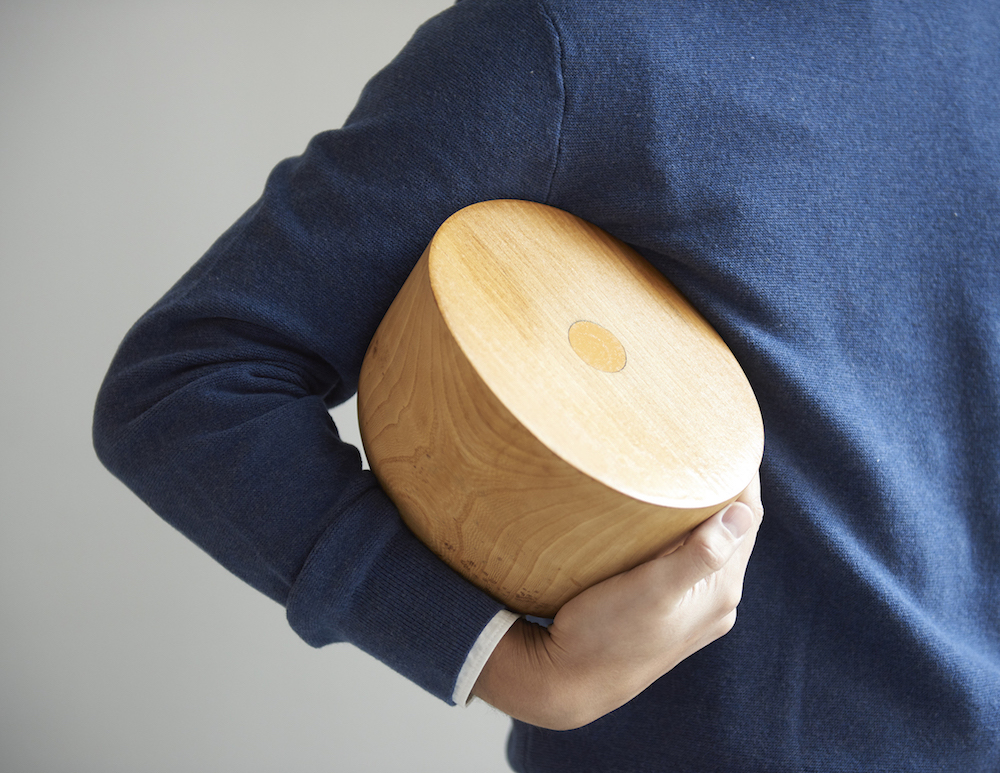
Rosa Sijben a David Bernstein, Something to hold on to, sochárska performancia, SculptureCentre NYC, 2019.
Mnohoznačnosť súčasného autorského šperku môže u „nezasvätených“ vyvolávať pocit, že šperk môže byť všetkým. Ide o pocit zneistenia, keďže mnohé diela na rozhraní voľného umenia a autorského šperku v sebe často nesú esenciu istej „šperkovosti“, a naopak, diela voľného umenia majú znaky šperku. Ako možno hovoriť o dielach autorského šperku a akými kritériami ich hodnotiť?
V súčasnosti finišuje výskumný projekt s názvom Pohľad z druhej strany – sociálna hodnota osobného objektu, ktorý sa zameriava na tému sociálnych presahov a sociálnej hodnoty autorského šperku. Daná téma rezonuje, keďže sa v tvorbe mladšej a strednej generácie autorov, šperkárov, čoraz viac objavujú intervencie do verejného priestoru, využívanie alternatívnych, performatívnych výstavných prístupov a organické presahy do iných umeleckých médií. Výskumný projekt nastavuje spôsob myslenia, akým je možné nazerať na súčasnú tvorbu autorského šperku aj z pohľadu jeho sociálnej interakcie. Myslí sa tým, ako šperk pracuje s vlastnou performativitou, časovosťou, s princípom hry a inými sociálne podnecujúcimi stratégiami, ktoré aktivizujú k akcii.
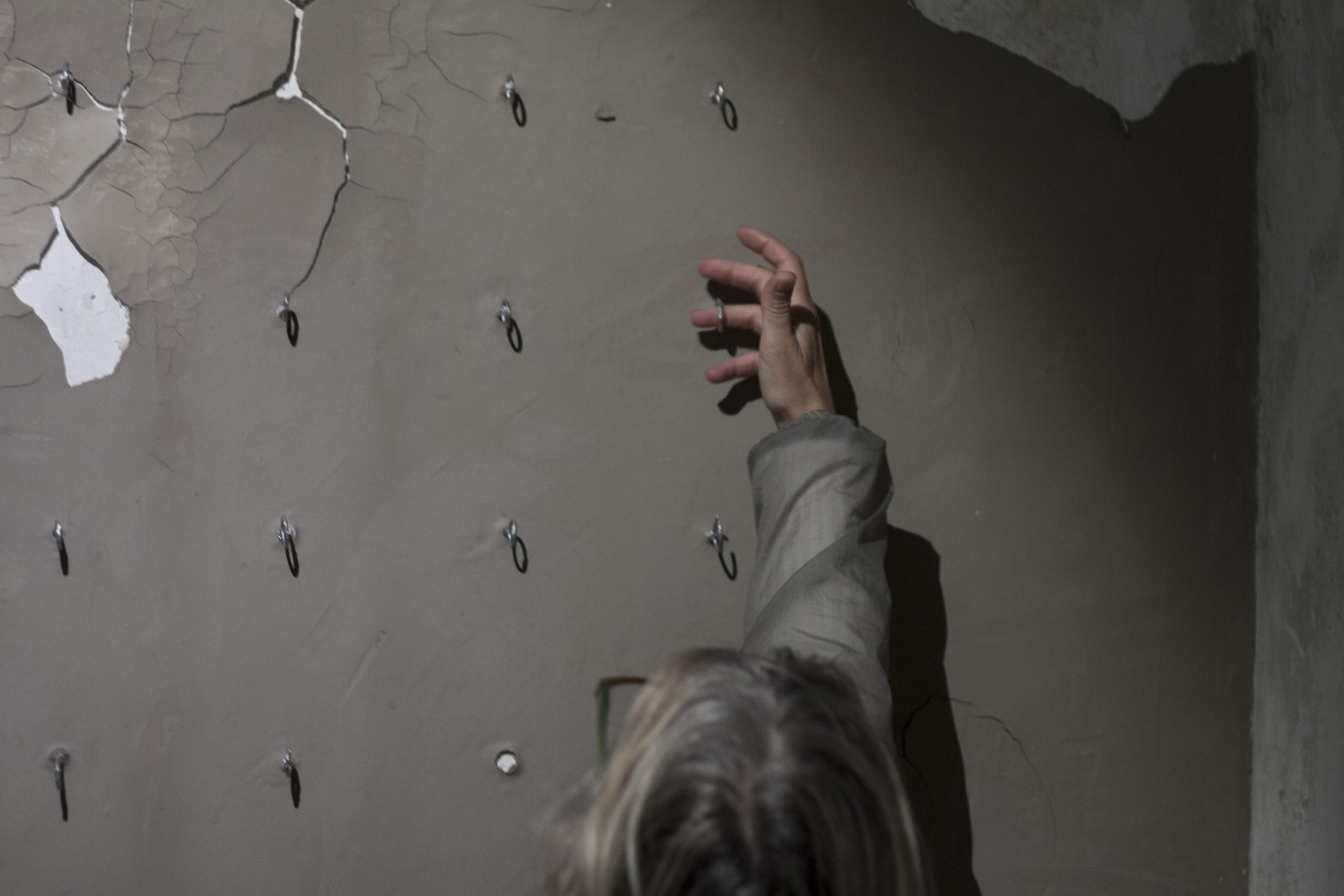
Katarína D.F. Siposová, Prostredie, šperkárska inštalácia, Galéria HIT, Bratislava, 2017, foto: Ján Skaličan.
Výskumný projekt bol iniciovaný aj s cieľom vytvoriť voľne dostupný register odborných a populárnych príspevkov venujúcich sa danej téme, ktorý je momentálne dostupný na sperkstret.
V príspevkoch oslovených autorov rezonuje názor, že o šperku ako o umeleckom objekte nemôžeme rozmýšľať ako o pasívnom klasteri materiálu. Proces čítania šperku generuje hodnotu objektu, objekt privoláva pohľad, nabáda k ľudskému dotyku a vyvoláva napätie medzi sebou a svetom, vzbudzujúc záujem a aktivitu. Šperk je interpretovaný ako proces, v ktorom je význam objektu vnímaný ako spoločenská komunikácia zahájená až jeho nosením na tele alebo so sebou. Nejde o jednosmerné čítanie šperku ako ustáleného znaku, ktoré je závislé iba od zámeru autora, či nositeľa, ale o čítanie podmienené aj samotným divákom, jeho osobnosťou, kultúrnym a výtvarným pozadím. Je naznačená sémantická nejednoznačnosť šperku ako znaku, ktorý je často vystavený nepredvídateľným okolnostiam. Zároveň sa narúša predstava o ňom ako o absolútnom objekte (objekte, ktorý komunikuje „jasnú“ správu) a otvára sa uvažovanie o šperku ako o objekte, ktorý koná.
Túto interpretáciu šperku dopĺňa aj citát americkej šperkárky Jennifer Lee Hallsey, podľa ktorej majú šperkyschopnosť presiahnuť svoju fyzickú formu, stávajú sa nástrojom, jazykom, ktorý podnecuje k stretnutiam a diskusii. V tomto kontexte forma nadobúda iný význam a stáva sa vzťahom medzi jednotlivcami okolo objektu. „[…] Keď hovoríme o funkcii šperkov, nemali by sme ich posudzovať len ako predmet, ale ako podnet pre vytváranie vzťahov, ktoré vznikajú prostredníctvom týchto stretnutí.“

Katarína D.F. Siposová, Biela, šperkársky event, Bratislava, 2018, video: Juraj Starovecký.
Výskumný projekt sformuloval stimulujúce otázky, ktoré reflektujú sociálnu hodnotu autorského šperku a rozširujú uvažovanie o médiu. Jeden zo 7 oslovených prispievateľov je indický filozof a teoretik umenia Pravu Mazumdar , ktorý sa pýta, či sa šperk môže stať gestom, ktoré obchádza tradičnú reprezentáciu média. „Môže byť drahý kameň v solitére nahradený jeho pohľadom a šperkársky objekt vnímaný ako akt videnia nazeraný z pohľadu viditeľnosti iných vecí, okolností, stanovísk?“
V textoch sa vynárajú aj ďalšie podnetné otázky. V čom spočíva sila prác, ktoré sú postavené na priamej interakcii s divákom, často pracujú so sociálnymi presahmi média vo verejnom priestore? Môže byť telo vnímané ako aktívna sila generujúca samostatnú formu artefaktu? Dá sa hovoriť o performativite osobného šperku?
Ukázalo sa, že sociálna hodnota autorského šperku je komplexný statement o komplexnom procese a jeho výskum prináša nové úvahy, formulácie limitov, hraníc, tenzií, ktoré v médiu vznikajú a ktoré je potrebné definovať. Hľadanie odpovedí na sociálne hodnoty a presahy v rámci výskumného projektu otvorilo nové možnosti interpretácie autorského šperku ako osobného objektu, ako procesu a šperkárskej akcie a otvorilo otázku novej sociálnej reprezentácie a prezentácie autorského šperku v súčasnej umeleckej praxi. Nové pomenovania významov, foriem a presahov autorského šperku boli formulované pre teoretický výskum daného média a odbornú verejnosť ako aj pre samotných tvorcov, ktorí reflektujú súčasné dianie a uvažovanie v rámci daného média.
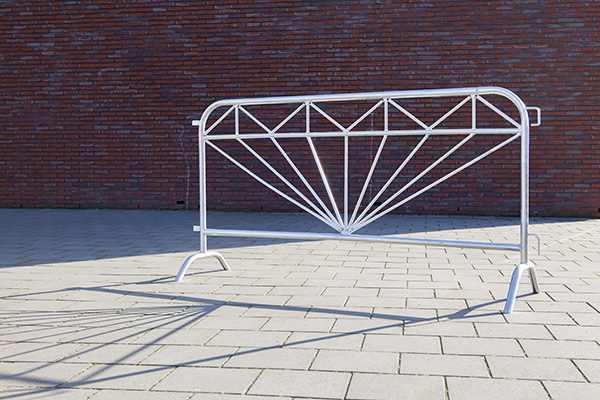
Liesbet Bussche, Urban Jewellery, Antwerpy, 2019, foto: archív autorky.
Viac o projekte tu: sperkstret
Rosa Sijben and David Bernstein, Something to hold on to, sculptural performance, SculptureCentre NYC, 2019.
The ambiguity of contemporary designer jewellery can give to the “uninitiated” one the feeling that jewellery can be everything. This is a feeling of insecurity, as many works on the borderline between art and author’s jewellery often carry an essence of a certain “jewellery-ness”, and, on the contrary, works of art have the characteristics of jewellery. How can we speak of works of original jewellery and by what criteria can they be evaluated?
Currently, a research project entitled The View from the Other Side – The Social Value of the Personal Object is being finalised, which focuses on the topic of the social overlaps and social value of the author’s jewellery. The theme resonates as interventions in public space, the use of alternative, performative exhibition approaches and organic overlaps into other artistic media increasingly appear in the work of younger and middle generation of jewellery artists. The research project sets a way of thinking about how contemporary jewellery making can be viewed from the perspective of its social interaction. This is meant by how jewellery works with its own performativity, temporality, the principle of play and other socially inciting strategies that activate to action.
Katarína D.F. Siposová, Environment, jewellery installation, HIT Gallery, Bratislava, 2017, photo: Ján Skaličan.
The research project was also initiated with the aim of creating a freely accessible index of scholarly and popular papers on the topic, which is currently available on sperkstret.
The opinion that jewellery as an art object cannot be thought of as a passive cluster of materials resonates in the contributions of the entitled authors. The process of reading a piece of jewellery generates the value of the object; the object summons the gaze, encourages the human touch and creates a tension between self and world, arousing interest and activity. Jewellery is interpreted as a process in which the meaning of the object is perceived as a social communication initiated only by wearing it on the body or with oneself. This is not a one-way reading of jewellery as an established sign, which is dependent only on the intention of the maker or wearer, but a reading also conditioned by the viewer, his or her personality, cultural and artistic background. The semantic ambiguity of jewellery as a sign, which is often subjected to unpredictable circumstances, is suggested. At the same time, the idea of it as an absolute object (an object that communicates a “clear” message) is disrupted, opening up a consideration of jewellery as an object that acts.
This interpretation of jewellery is complemented by a quote from the American jeweller Jennifer Lee Hallsey, who believes that jewellery has the ability to transcend its physical form, becoming a tool, a language that encourages encounters and discussion. In this context, the form takes on a different meaning and becomes a relationship between individuals around the object. “[…] When we talk about the function of jewellery, we should consider it not only as an object, but as a stimulus for the creation of relationships that arise through these encounters.“
Katarína D.F. Siposová, White, jewellery event, Bratislava, 2018, video: Juraj Starovecký.
The research project formulated stimulating questions that reflect on the social value of the artist’s jewellery and expand thinking about the medium. One of the 7 contributors addressed is Indian philosopher and art theorist Pravu Mazumdar , who asks whether jewellery can become a gesture that circumvents traditional representations of the medium. “Can the precious stone in the solitaire be replaced by its gaze and the jewellery object seen as an act of seeing viewed from the perspective of the visibility of other things, circumstances, points of view?“
Other thought-provoking questions arise in the texts. What is the strength of works that are built on direct interaction with the viewer, often working with the social overlaps of the medium in public space? Can the body be seen as an active force generating an independent form of artefact? Can one speak of the performativity of personal jewellery?
It turned out that the social value of the author’s jewellery is a complex statement about a complex process and its research brings new considerations, formulations of limits, boundaries, tensions that arise in the medium and that need to be defined. The search for answers to the social values and overlaps within the research project has opened up new possibilities of interpreting the author’s jewellery as a personal object, as a process and a jewellery action, and has opened up the question of a new social representation and presentation of the author’s jewellery in contemporary artistic practice. New meanings, forms and overlaps of the author’s jewellery have been formulated for theoretical research of the medium and the professional public as well as for the creators themselves, who reflect contemporary events and thinking within the medium.
Liesbet Bussche, Urban Jewellery, Antwerp, 2019, photo: author’s archive.