[:sk]Majsterky slovenského dizajnu / JÚLIA KUNOVSKÁ[:en]Masters od Slovak Design / JÚLIA KUNOVSKÁ[:]
[:sk]V zrkadle dní[:en]In the Mirror of Days[:]
[:sk]
Source: Júlia Kunovská.
Nábytková tvorba dizajnérky a architektky Júlie Kunovskej (1949) je len jedna časť z jej obsiahleho portfólia. Rovnako sústredne sa venuje tvorbe šperku, interiéru, bytového textilu, alebo trofejam. Ako autorka bola a je skôr solitérkou. Nikdy nebola súčasťou nejakého výtvarného zoskupenia, a ak mala nejakého tvorivého súputnika, bol to je manžel architekt Ferdinand Milučký. Práve ich spoločný domov, ikonická vila, ktorú stavali svojpomocne deväť rokov je najlepším „showroomom“ jej práce. V ňom svoj postmoderný dizajn jedinečne prepojila s manželovou modernistickou architektonickou koncepciou. Jej nábytkové zostavy (modulárny Box program), sedací nábytok (Form, Zet program) majú nadčasovú kvalitu a je obrovská škoda, že sa okrem krátkej epizódy na prelome osemdesiatych a deväťdesiatych rokov nevyrábali aj sériovo.
V malej vzorke nábytkových objektov z rôznych období, ktorá bude odprezentovaná na BADW, uvidíte viacero autorkiných prístupov (modernistický, postmoderný, technicistný, remeselný). Pri ich tvorbe dizajnérka vycizelovala konštrukciu aj estetiku objektov a dbala na maximálnu funkčnosť. Z materiálov si vyberá tie základné – drevo, kov, ľan, bavlna, sklo. Jej sedací nábytok Form je veľmi pohodlný, vie fungovať samostatne aj v zostavách. Júlia Kunovská navrhla nielen krásne prehľadnú nosnú konštrukciu – kombináciu dreva a oceľovej trubky – ale aj odnímateľné textilné čalúnenie pre lepšiu údržbu. Vešiaky On a Ona (1990) majú hravosť aj naratívnosť postmoderny, malý stolček inšpiroval klasický ľudový „šamrlík“ na dojenie kráv, ale dizajnérka ho ergonomicky adaptovala a do opierky pridala abstrahovanú romantiku (pripomínajúcu Kompánkové tvarové varianty). Polokreslo 4my (1986) ukazuje zase je záľubu v základných farbách aj jednoduchosť formálnej skladby pri zachovaní funkčnosti aj pohodlia pre užívateľa. Kovový servírovací stolík Butler (2007) má sochárske komponovanie, je ale proporčne stabilný a dobre sa s ním manipuluje.
Výstava počas Bratislava Design Week bude naozaj len úvodnou štúdiou k hlbšiemu bádaniu jej tvorby. Bude krátkym výletom do jej sveta, kde stále trpezlivo škicuje, formuje, experimentuje a zveľaďuje vlastné poznanie aj reflexiu každodennosti. Tam kde hľadá priestor pre radosť a zabúda na pochybnosti, také prirodzené pre tvorcov, ktorí vnímajú svet v jemnostiach.
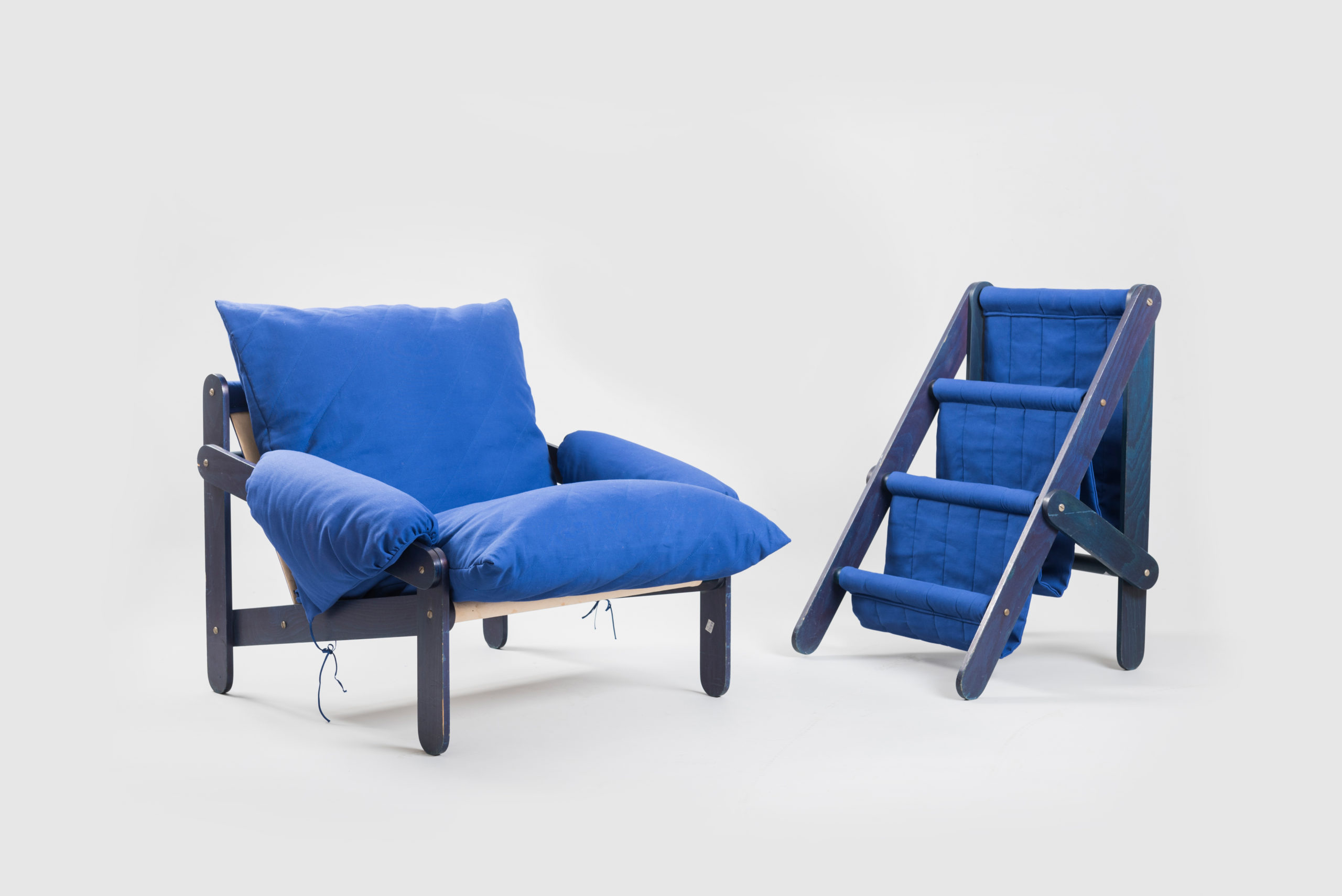
Nábytkový program ZET, 1980, zdroj: Júlia Kunovská.

Interiér, Kaštieľ Moravany nad Váhom, 1984 – 1987.
Ďakujeme pani Júlii Kunovskej za zapožičanie objektov.
Kurátorka: Ľubica Hustá
Inštalácia: Andrea Ďurianová
[:en]
Source: Júlia Kunovská.
The furniture design of designer and architect Julia Kunovska (1949) is only one part of her extensive portfolio. She is equally focused on jewellery, interior design, home textiles and trophies. As an artist, she has always been and continues to be more of a solitaire artist. She has never been part of an artistic group and if she had any creative contemporaries it was her husband, the architect Ferdinand Milučký. It is their shared home, the iconic villa they built on their own, that is the best “showroom” of her work. There, she uniquely combined her postmodern design with her husband’s modernist architectural concept. Her furniture sets (the modular Box program), seating furniture (Form, Zet program) have a timeless quality and it is a great pity that they were not mass-produced, except for a brief episode in the late 80s and early 90s.
In the small sample of furniture objects from different periods which will be presented at Bratislava Design Week, you will see several of the artist’s approaches (modernist, postmodern, technicist, artisanal,). In creating them, the designer refined both the construction and the aesthetics of the objects, taking care to maximize functionality. She chooses the basic materials – wood, metal, linen, cotton, glass. Her Form seating furniture is very comfortable, it can function both individually and in assemblies. Júlia Kunovská has designed not only a beautifully clear supporting structure – a combination of wood and steel tube – but also removable textile upholstery for better maintenance. The hangers On a Ona (1990) have both the playfulness and narrative of postmodernism; the small stool was inspired by the classic folk “shamrock” for milking cows, but the designer ergonomically adapted it and added an abstracted romance to the backrest (reminiscent of Kompánek’s shape variants). The 4my half chair (1986) again shows both a fondness for primary colours and simplicity of formal composition while maintaining both functionality and comfort for the user. The Butler metal serving table (2007) has a sculptural composition, but is proportionally stable and easy to handle.
The exhibition during Bratislava Design Week will really only be an introductory study to a deeper exploration of her work. It will be a short trip into her world, where she is still patiently sketching, shaping, experimenting and enhancing her own knowledge and reflection of the everyday. Where she seeks space for joy and forgets the doubts so natural to creators who perceive the world in subtleties.
Furniture set ZET, 1980, source: Júlia Kunovská.
Interior, Manor house Moravany nad Váhom, 1984 – 1987.
ľThanks to Mrs. Julia Kunovska for the loan of the objects.
Curator: Ľubica Hustá
Installation: Andrea Ďurianová
[:]