[:sk]Blízke veci / SVÄTOPLUK MIKYTA[:en]Close Things / SVÄTOPLUK MIKYTA[:]

[:sk]Autobiografia v lekvári[:en]Autobiography in a jam[:]

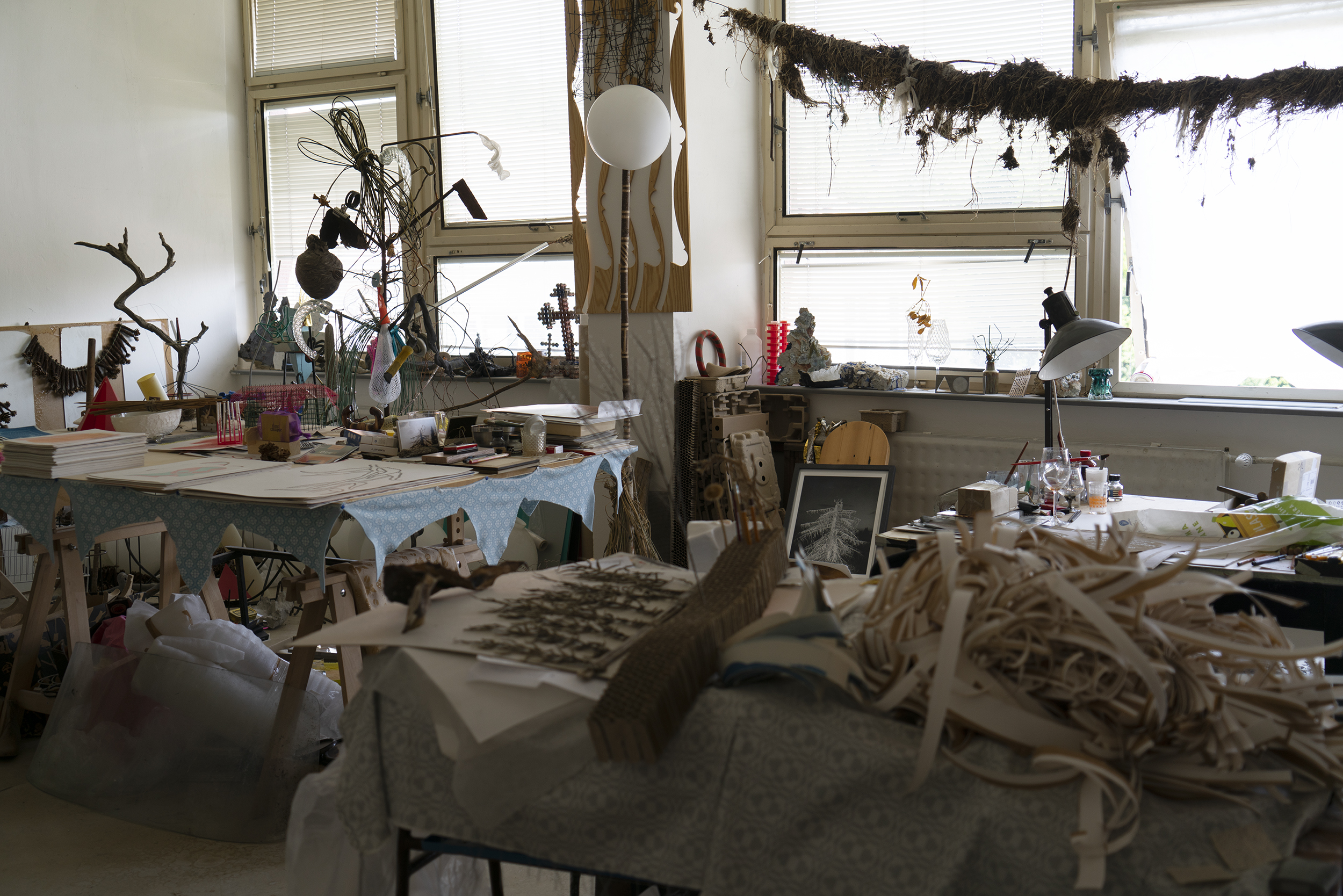
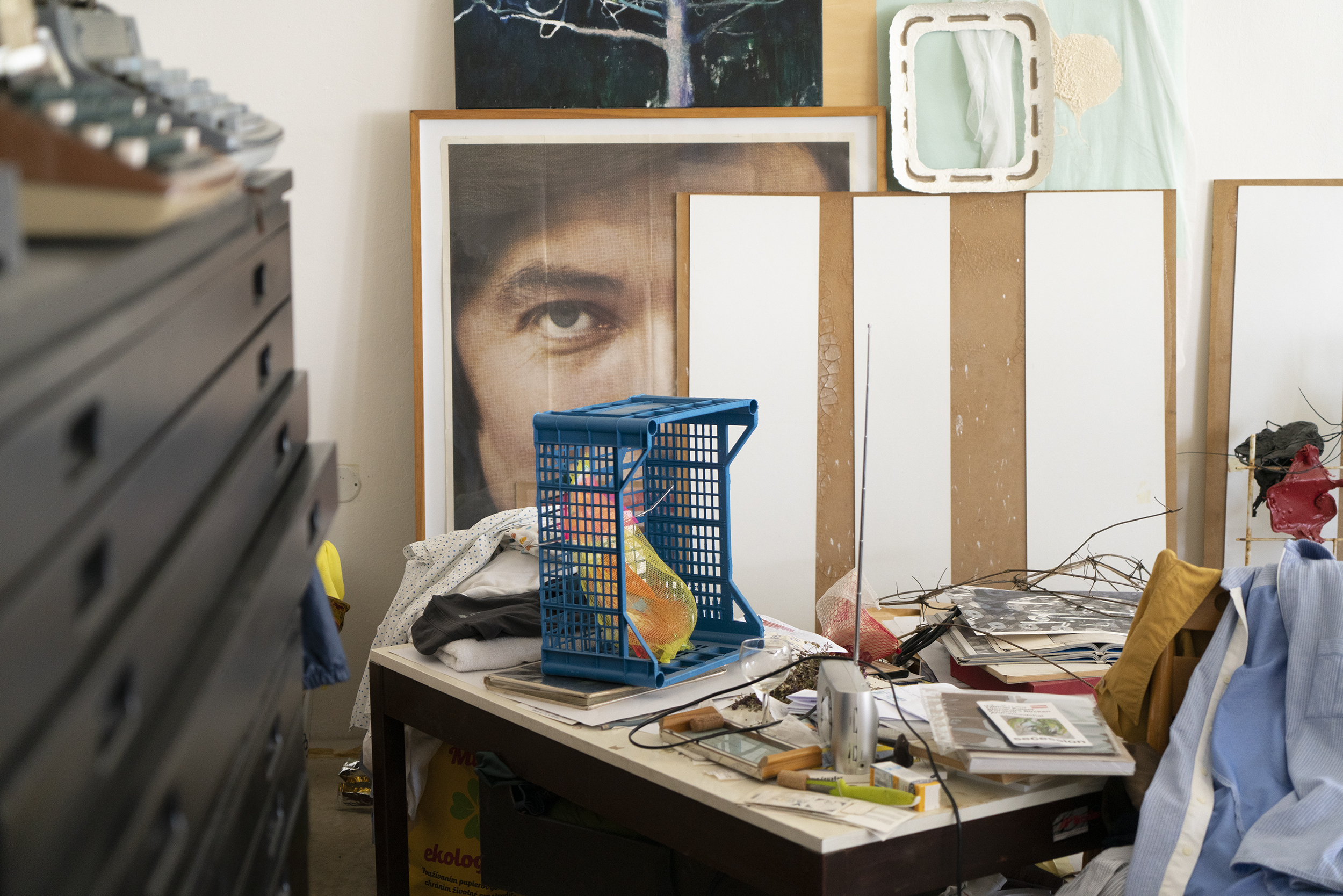
[:sk]Sme v Banskej Štiavnici, v priestoroch BANSKEJ ST A NICE v budove školy, kam sa kultúrne centrum presťahovalo z miestnej železničnej stanice v roku 2018. „Mohli by sme začať v mojom ateliéri, kde by som ti povedal pár slov na úvod,“, začína Svätopluk. Otvára dvere a vchádzame do kabinetu kuriozít, vesmíru osobných fascinácií – aj keď vystihnúť atmosféru tohto priestoru slovami je ťažké, dá sa len zažiť. To býva možné minimálne raz do roka počas Dňa otvorených ateliérov v Banskej Štiavnici, ktorý BSC organizuje.

Čo pre teba znamená zbieranie?

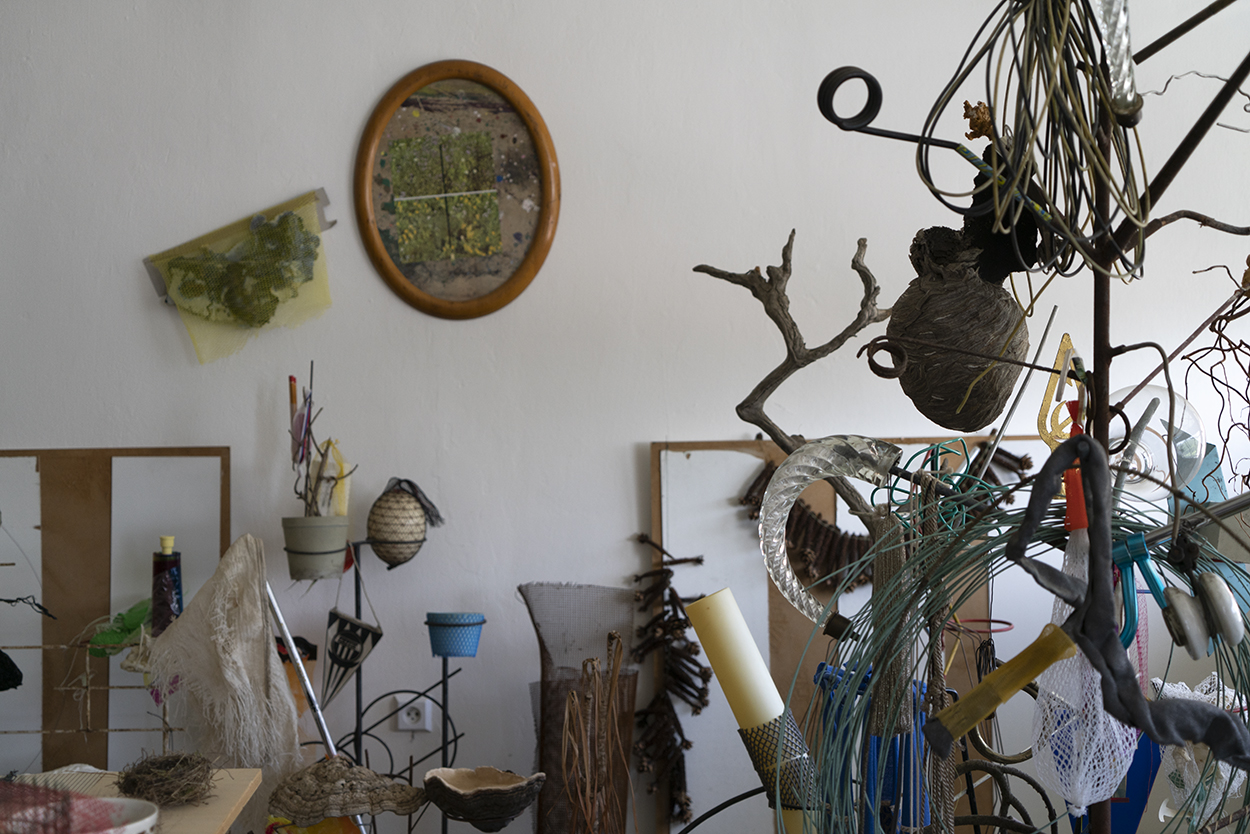
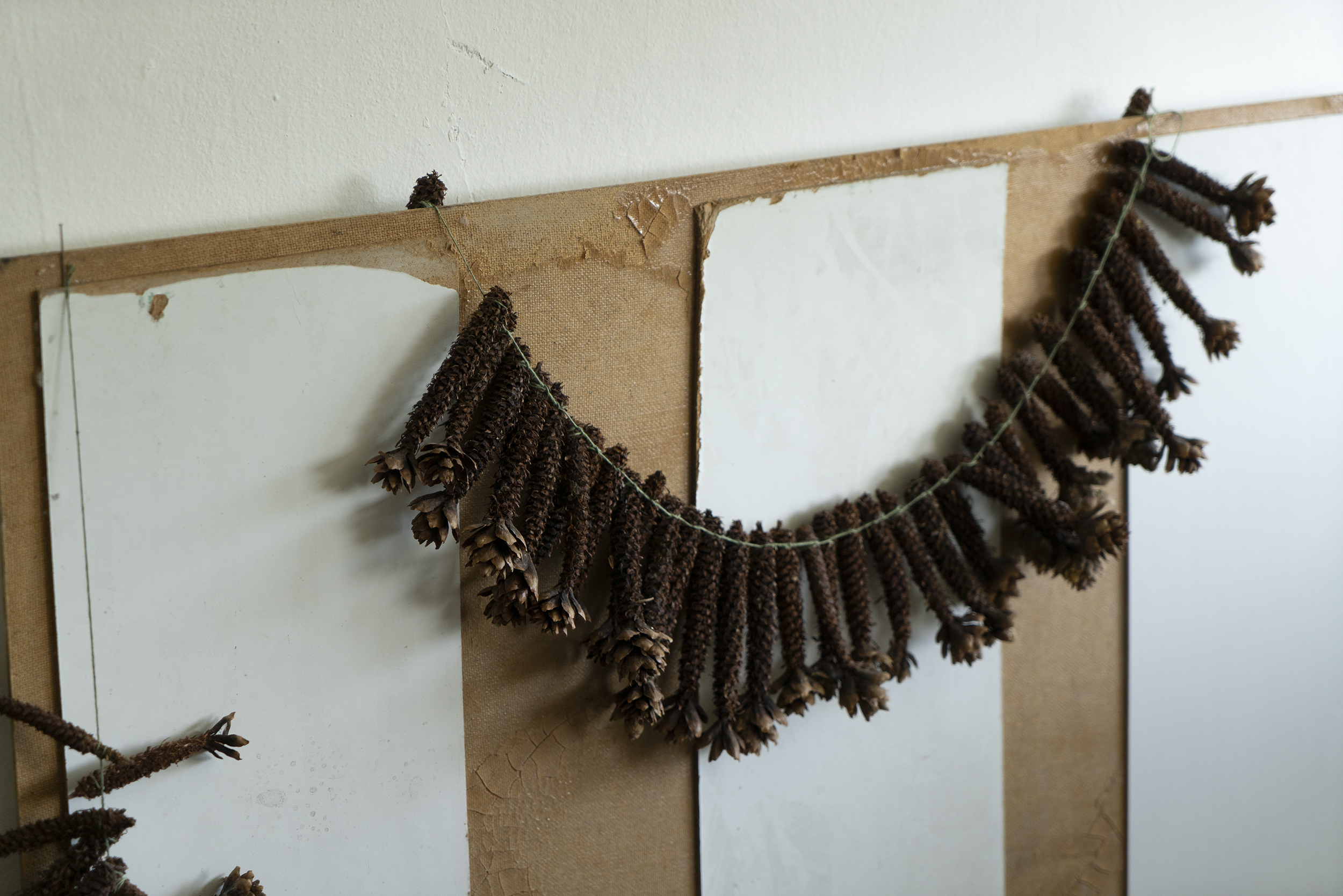
Zbieranie je pre mňa dosť dôležitá súčasť života i tvorby, rád sa obklopujem nájdenými vecami, často použitými a rozbitými, s neznámou minulosťou. Zaujímajú ma aj rôzne materiály. Je naozaj ťažké vybrať jednu vec, ku ktorej mám nejaký vzťah, svoj príbeh má každá z nich. Na väčšinu týchto objektov sa pozerám ako na zárodok budúceho diela. Z tých obľúbených prírastkov z posledného obdobia by som vybral napríklad tento náhrdelník z Posledného amazonského kongresu, vytvorený z “ohryzkov” šišiek, ktoré som našiel pod jedným smrekom na Poľane– predo mnou ich použili a vyhodili veveričky.

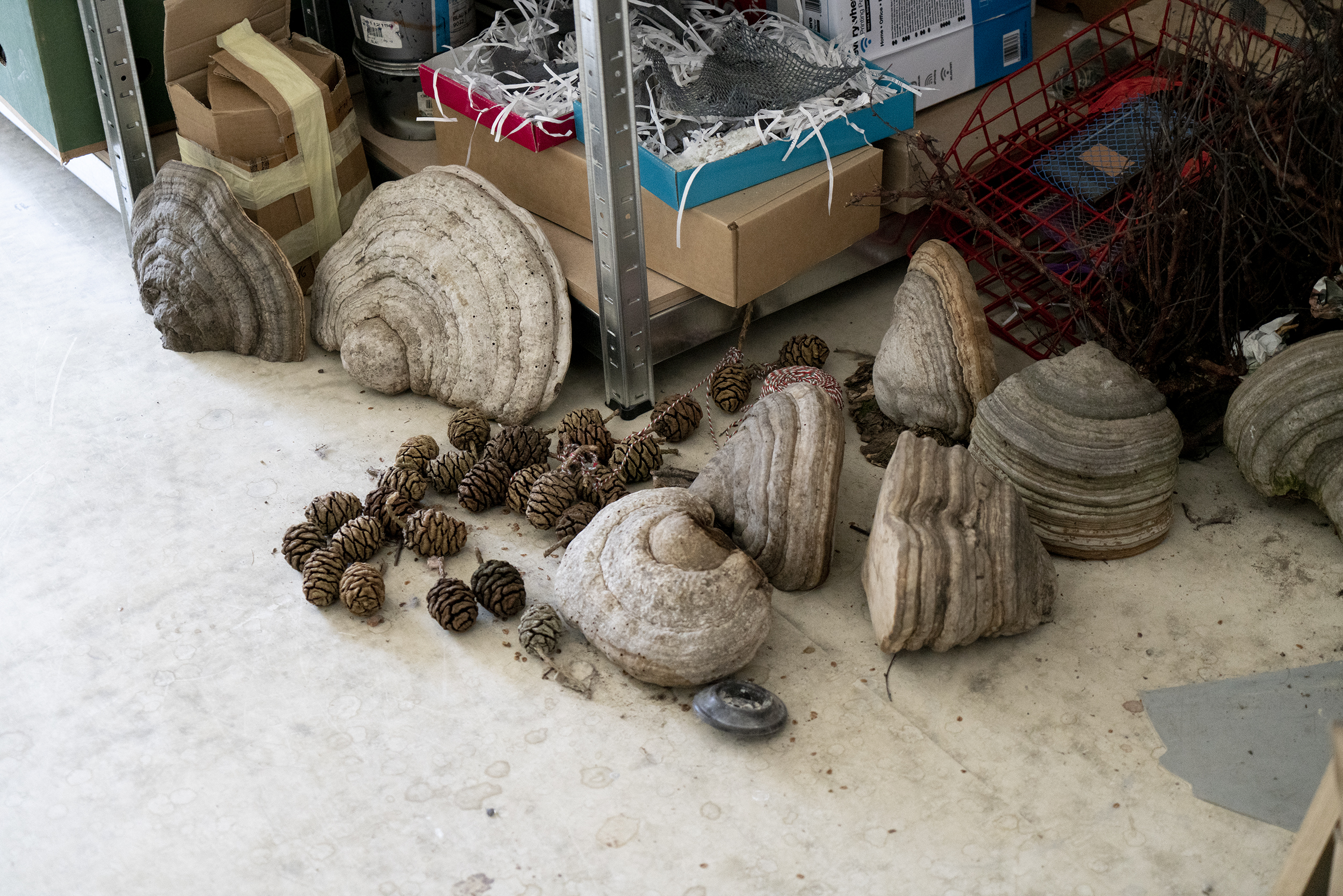
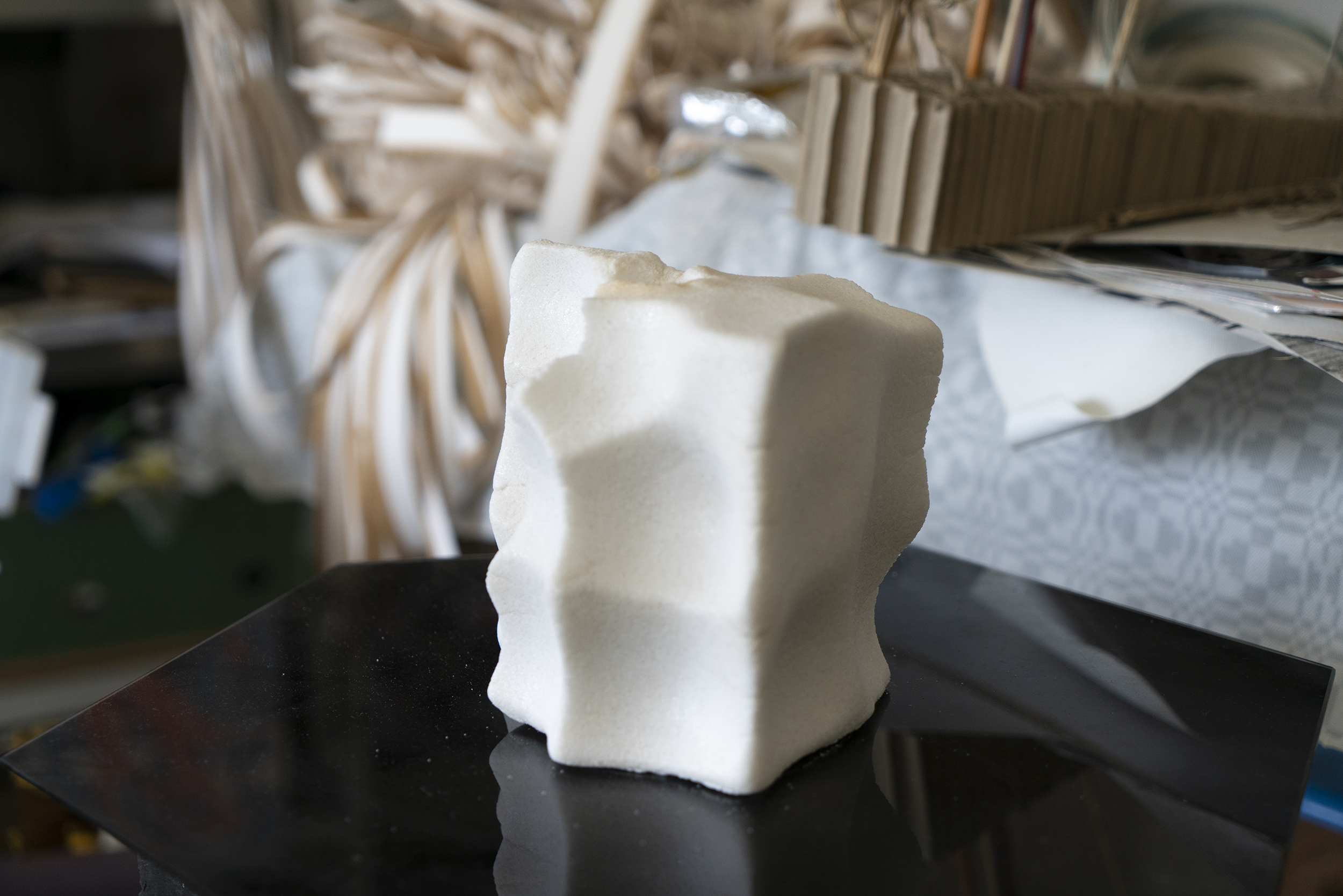
Hneď vedľa mám pravouhlý koreň z tatranskej kosodreviny, nájdený počas prechádzky, železo, ktoré som našiel na lúke v Iliji, pravdepodobne zdeformované traktorovou kosačkou, alebo kompaktné, štyridsať centimetrové osie hniezdo, ktoré pochádza priamo z tejto budovy. Mám rád aj túto soľ, ktorá je z krmítka, vylízaná srnkami do konkrétneho sochárskeho tvaru – je to už hotový nádherný objekt.

Len zriedkakedy zbieram spomienkové predmety. Vždy ma skôr zaujímajú veci, o ktorých uvažujem, že ich využijem v rámci tvorby. Napríklad ten koreň je pre mňa zaujímavý svojim tvarom, nezobral som si ho ako spomienku na nejaké miesto, na peknú túru. Skôr si viem predstaviť, že by som ho niekedy vedel využiť v inštalácii.
Ja osobne vnímam dve kategórie zberateľov/zberateliek – jedni majú k zbieraniu systematický prístup, sledujú nejakú kultúrnu, či finančnú hodnotu, pričom sa zameriavajú na konkrétne typy artefaktov, tvoria homogénnu zbierku. A potom existujú tí nesystematickí, ku ktorým by som zaradila aj teba, a ktorých motivácia je úplne iná. Ich kritériom pri výbere objektov je vizuálna príťažlivosť, určitá podivnosť, subjektívna fascinácia materiálom alebo príbehom…

Pre mňa to zbieranie a hľadanie vecí teraz dostáva ešte iný rozmer. Mám pocit, že u mňa momentálne nastáva istý odklon v spôsobe tvorby. Od vytvárania artefaktu sa posúvam niekde inde. V mojich prekresbách som používal staré knihy, alebo fotografie, do ktorých som zasahoval – bola to istá forma recyklácie. To sa teraz ešte zintenzívňuje. Nadobudol som pocit, že by som dielo vlastne nemal vyrobiť, ale skôr len objaviť a posunúť ďalej. A takto môže dostať nový, súčasný príbeh – pôsobiť v inom kontexte. To ma momentálne zamestnáva; robiť umenie, ale bez toho autorského egoizmu: toto som ja, umelec, génius, a toto sú diela, ktoré vytváram. Láka ma pristúpiť k tvorbe z inej strany.

Máš tebe blízkych umelcov/umelkyne, ktorí pracujú s podobným princípom?

Veľa umelcov používa vo svojej tvorbe nájdené objekty, ale každý z nás sleduje rôzne línie, špecifickú estetiku, materialitu, alebo niečo iné, čo tie veci prepája, aby fungovali. V tomto smere som bol veľmi prepojený s Michalom Moravčíkom. Aj keď tá jeho estetika bola absolútne iná, vychádzal z toho zozbieraného, čo sa vyskytovalo pri kontajneroch na sídlisku, a to aj podmieňovalo charakter jeho tvorby. Ja zbieram momentálne na vidieku v prírode.

Akú blízku vec si vybral pre túto príležitosť?

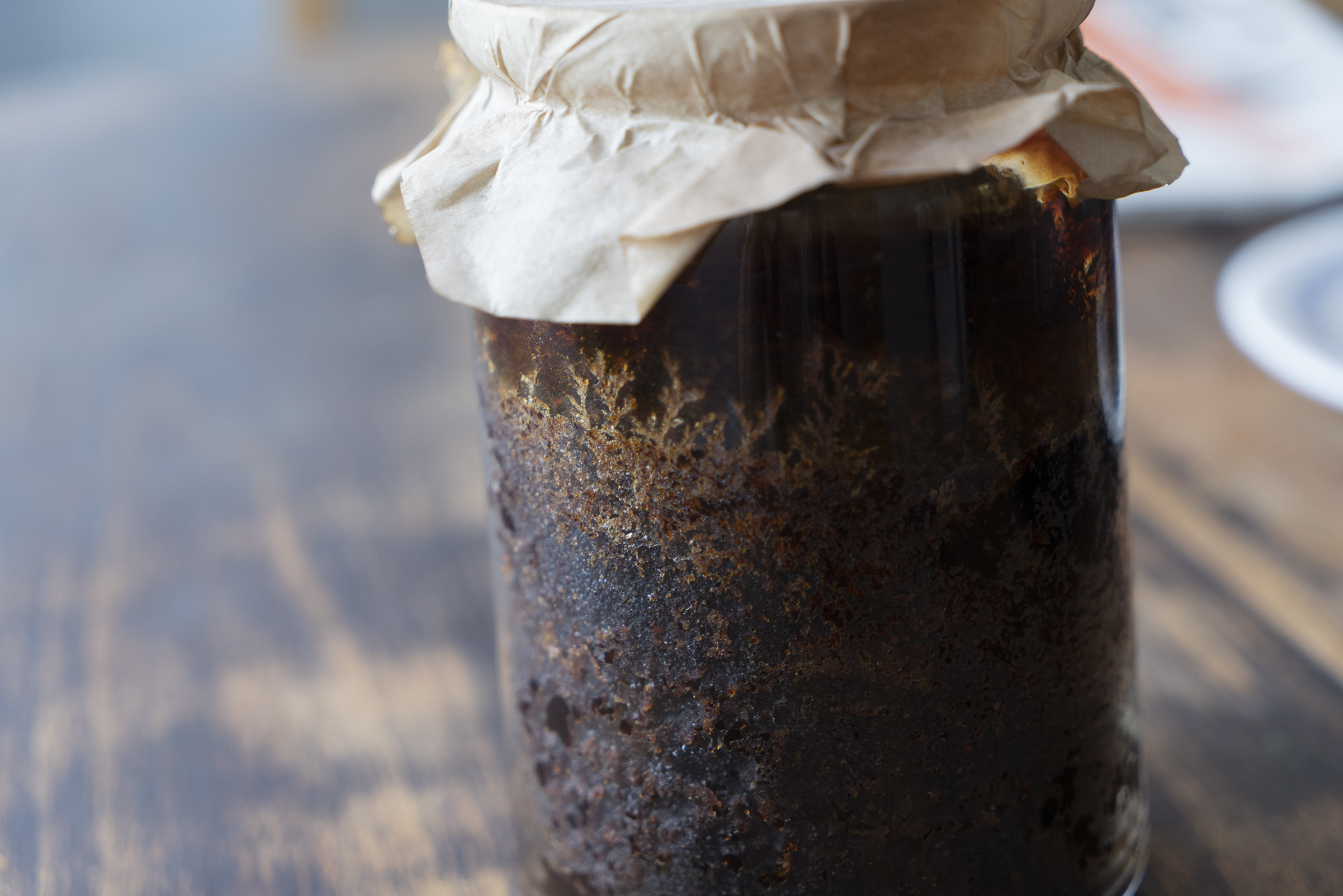
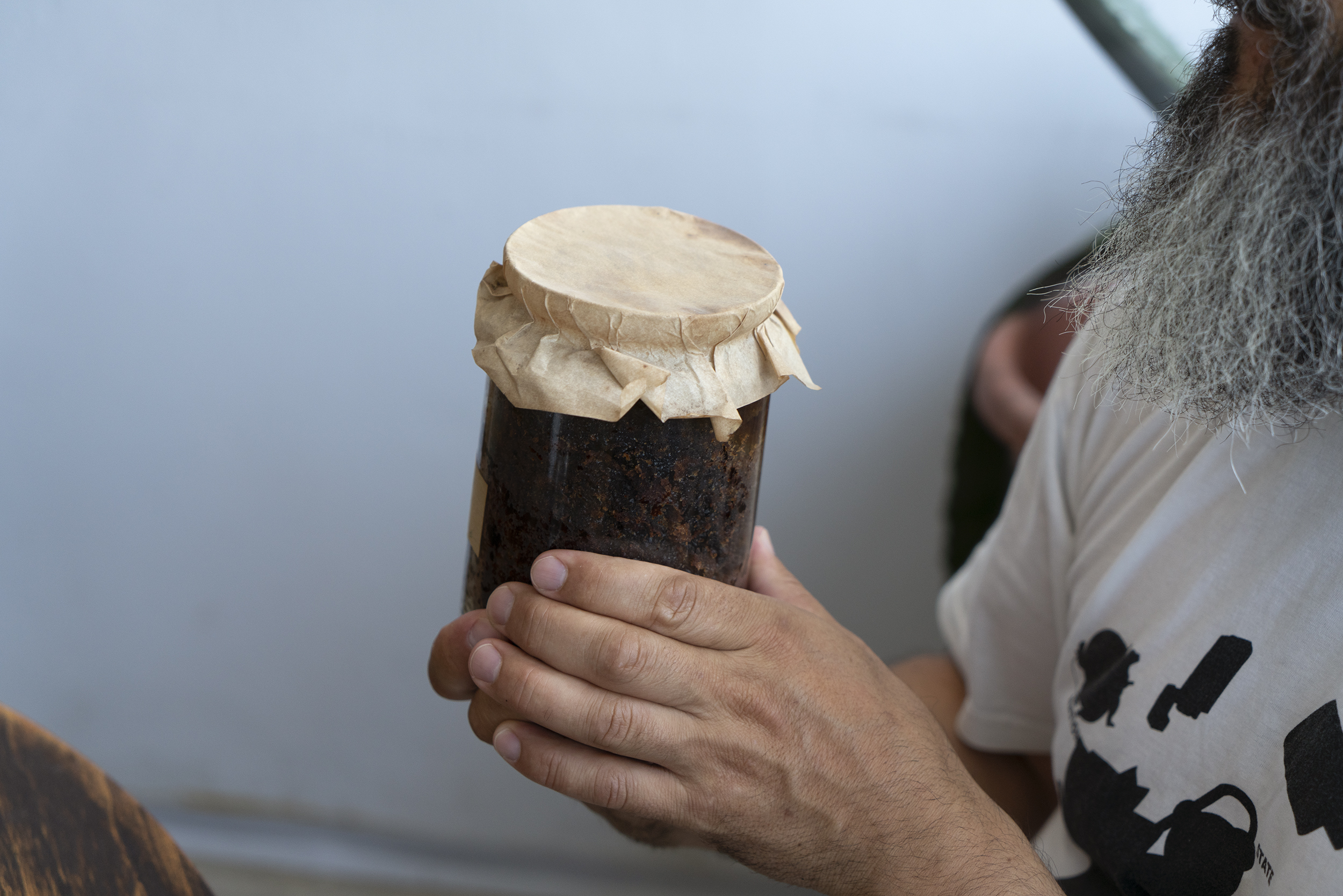
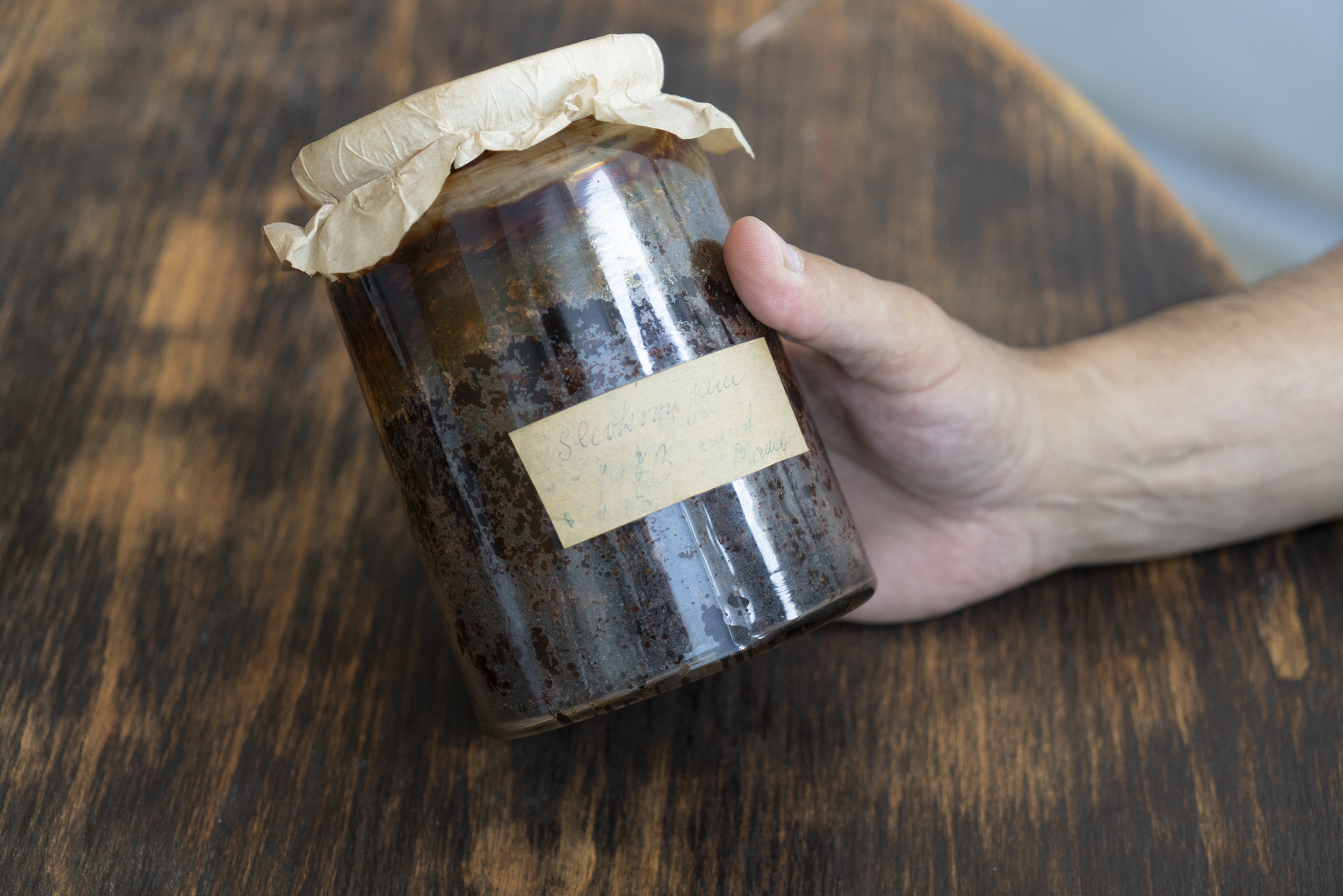
Je to domáci slivkový džem z roku 1973, zakonzervovaný v pohári z ručne vyrobeného skla. Našiel som ho pri vypratávaní jednej povaly tu v Štiavnici. Okrem nejakých funkčných, praktických vecí, ako nábytku, som, ako vždy, pozeral aj po takých tých špeciálnych veciach. Tento lekvár ma zaujal už ako objekt – tá jeho analógová čistota, jednoduchosť, ešte ručné sklo a papierový uzáver. A potom som si prečítal rok na štítku datáciu: 1973 – rok, kedy som sa narodil. Samozrejme sa mi to hneď prepojilo, pomyslel som si, že držím v ruke zakonzervovanú paralelu k môjmu životu. Ja aj lekvár sme na svete rovnako dlho. Je to v podstate veľmi jednoduchá, banálna vec, ale zároveň je to objekt, materiál, ktorý má nejaký potenciál, vlastne ponúka veľmi zvláštne uvedomenie si nášho času, nášho bytia na svete. A to od toho prvotného momentu, že keď som prišiel na svet, niekto pripravoval tento džem. Narodil som sa v júli, džem je z augusta – slivky už dozrievali. Na štítku je ešte dopísané “mama”. Tá tmavohnedá kryštalická hmota vnútri je ešte stále v nejakom procese, ale myslím, že je stále v poriadku, jedlý. Je to organická časová kapsula z úrody sedemdesiateho tretieho roku z konkrétneho miesta.
To je práve to, čo ma na nájdených objektoch zaujíma: pracovať s faktom, ktorý v sebe nesú.

No a tento objekt je pre mňa veľmi špeciálny – je procesuálny, obsahuje aj tú matériu, to jedlo. Vlastne sa trochu vymyká spomedzi iných vecí v mojej zbierke. A možno aj preto som si ho vybral. Je možné, že ten džem tu bude dlhšie, ako ja…(smiech).
Svätopluk Mikyta sa narodil 1973 v Čadci, Československo. Vyrastal v Krušetnici na Orave. Žije a pracuje v Iliji a Brne. Študoval na Gymnáziu v Námestove, následne na Vysokej škole výtvarných umení v Bratislave, na Akademie der Bildenden Künste v Stuttgarte a Hochschule der Künste v Berlíne. Je laureátom COČ 2008 a Strabag Art Award 2011 a so Zuzanou Bodnárovou spoluzakladateľom rezidenčnej platformy Banska St a nica Contemporary 2009. Od roku 2011 vedie Atelér kresby a grafiky na FaVU v Brne, CZ.
Svoje práce vystavoval okrem iných v: MUDAM Museum Luxembourg, LU, National Gallery Budapest,HU, Württembergische Kunstverein, Stuttgart, DE, ISCP NYC, USA, SNG, Bratislava, Národní galerie v Prahe, CZ, Futura, Praha, CZ a Fait Gallery a Dům umění Brno, CZ, Fotograf gallery, Vienna, AT, Kunsthalle Krems, AT, Emmanuel Walderdorff Galerie Cologne, DE, Galerie Plan B, Berlin, DE, The Goma Gallery, Madrid, ESP, Polansky Gallery, Praha, CZ, Annex 14 Galerie Zürich, CH, Federica Schiavo Gallery, Rom, IT, Trafo Gallery a Glass Yard Gallery, Budapest, HU. Je zastúpený v mnohých domácich i medzinárodných zbierkach.

[:en]

We are in Banská Štiavnica, in the space of BANSKÁ ST A NICA in the school building, where the cultural centre moved from the local railway station in 2018. “We could start in my studio, where I’d like to say a few words of introduction”, Svätopluk begins. He opens the door and we enter a cabinet of curiosities, a universe of personal fascinations – although capturing the atmosphere of this space in words is difficult, it can only be experienced. This is possible at least once a year during the Open Studio Day in Banská Štiavnica, which is organised by the BSC.

What does collecting mean to you?

Collecting is quite an important part of my life and work, I like to surround myself with found things, often used and broken, with an unknown past. I’m also interested in different materials. It’s really hard to choose one thing that I have a relationship with, each one has a story. I look at most of these objects as an embryo of a future work. Of those favorite recent additions, I would pick this necklace from the The Last Amazonian Congress, for example, made from “bites” of pine cones I found under a spruce tree in Polana – squirrels had used and discarded them before me.

Right next to it I have a rectangular root from a Tatra rhododendron found during a walk, an iron I found in a meadow in Ilija, probably deformed by a tractor mower, or a compact, forty-centimeter wasp nest that came right out of this building. I also like this salt, which is from the feeder, licked by the fawns into a particular sculptural shape – it’s already a finished, beautiful object.

I rarely collect memorabilia. I’m always more interested in things that I’m thinking of using in the context of making art. For example, the root is interesting to me because of its shape; I didn’t pick it up as a memory of a place, a nice hike. Rather, I imagine that I could use it in an installation at some point.

I personally perceive two categories of collectors – one has a systematic approach to collecting, pursuing some cultural or financial value, focusing on specific types of artifacts, forming a homogeneous collection. And then there are the non-systematic ones, which I would include you in, whose motivations are quite different. Their criterion for selecting objects is visual appeal, a certain strangeness, a subjective fascination with the material or the story…

For me, this collecting and looking for things now takes on an even different dimension. I feel that for me there is a certain departure in the way I create at the moment. I’m moving away from creating an artefact to somewhere else. In my repaints I used to use old books or photographs that I had interfered with – it was a form of recycling. That’s intensifying now. I’ve acquired a sense that I shouldn’t actually make the work, but rather just discover it and move on. And that way it can be given a new, contemporary narrative – to operate in a different context. That’s what occupies me at the moment; to make art, but without that authorial egoism: this is me, the artist, the genius, and these are the works I make. I’m tempted to approach the creation from a different side.

Do you have artists close to you who work with a similar principle?

A lot of artists use found objects in their work, but we all follow different lines, a specific aesthetic, materiality, or something else that connects those things to make them work. I was very connected to Michal Moravčík in that way. Even though his aesthetic was completely different, it was based on what was collected, what was around the containers in the housing estate, and that also determined the character of his work. I’m collecting at the moment in the countryside in nature.

What close thing did you choose for the occasion?

It’s homemade plum jam from 1973, preserved in a handmade glass jar. I found it while cleaning out an attic here in Štiavnica. Apart from some functional, practical things like furniture, I was, as always, looking for those special things. I was already attracted to this jam as an object – its analogue purity, simplicity, still handmade glass and paper cap. And then I read the year on the label dating: 1973 – the year I was born. Of course, I immediately connected the dots, thinking that I was holding a preserved parallel to my life. Both Jam and I have been in the world for the same length of time. It’s basically a very simple, banal thing, but at the same time it’s an object, a material that has some potential, actually offers a very special awareness of our time, our being in the world. And it’s from that primal moment that when I came into the world, somebody was making this jam. I was born in July, the jam is from August – the plums were already ripening. The label still says “mama”. That dark brown crystalline mass inside is still in some process, but I think it’s still okay, edible. It’s an organic time capsule from the harvest of the seventy-third year from a particular place. That’s what interests me about found objects: working with the fact that they contain.

And this object is very special for me – it is procedural, it contains the matter, the food. Actually, it’s a bit out of place among the other things in my collection. And maybe that’s why I chose it. It’s possible that the jam will be here longer than I will…(laughs).

Svätopluk Mikyta was born in 1973 in Čadca, Czechoslovakia. He grew up in Krušetnica on Orava. He lives and works in Ilija and Brno. He studied at the Gymnasium in Námestovo, then at the Academy of Fine Arts in Bratislava, the Akademie der Bildenden Künste in Stuttgart and the Hochschule der Künste in Berlin. He is the laureate of COČ 2008 and Strabag Art Award 2011 and, with Zuzana Bodnárová, co-founder of the residential platform Banska St a nica Contemporary 2009. Since 2011, he has been leading the Drawing and Graphics Studio at FaVU in Brno, CZ.
He exhibited his works in, among others, MUDAM Museum Luxembourg, LU, National Gallery Budapest, HU, Württembergische Kunstverein, Stuttgart DE, ISCP NYC, USA, SNG, Bratislava, National Gallery in Prague, CZ, Futura, Prague, CZ and Fait Gallery and House of Arts Brno, CZ, Fotograf gallery, Vienna, AT, Kunsthalle Krems, AT, Emmanuel Walderdorff Galerie Cologne, DE, Galerie Plan B, Berlin, DE, The Goma Gallery, Madrid, ESP, Polansky Gallery, Prague, CZ, Annex 14 Galerie Zürich, CH, Federica Schiavo Gallery, Rom, IT, Trafo Gallery and Glass Yard Gallery, Budapest, HU. It is represented in many domestic and international collections.

[:]

12 / 7 / 2021
by Katarína Poliačiková
[:en]Share on Facebook[:][:sk]Zdieľaj na Facebook[:]