[:sk]Rozhovor / KAROL PICHLER[:en]Interview / KAROL PICHLER[:]
[:sk]ĽH: Koľko jazykov vieš?
KP: Každý z jazykov, ktoré ma ovládajú, determinuje aj môj pohybový a akčný rádius:
Nemčina mi približuje mojich obľúbených – Elfride Jelinek, Gabriele Petricek či Heinricha von Kleista na intímnu vzdialenosť 30 cm.
Francúzština mi dovoľuje pohybovať sa v arabeskných labyrintoch francúzskeho (lingvistického) parku.
Portugalčina ma dokáže preniesť cez Atlantik do môjho rodného Ria de Janeiro.
Angličtina mi je dobrý služobník na orientáciu a pohyb všetkými štyrmi svetovými stranami.
Taliančina, tá ma už len necháva integrovať sa do univerz časopisov Domus či VOGUE Italia.
Maďarčina ma teraz už len občas sprevádza, 400 km tam a späť, počas návštev kúpeľov Gellért.
Odkiaľ a z akej rodiny pochádzaš?
Narodil som sa v troch mestách: v Bratislave, in Pressburg a Pozsonyban. A práve táto kozmopolitná situácia akoby určila preskripciu osi a dráhy môjho vitálneho pohybu – môj permanentný nomádizmus. Pochádzam z rodiny, ktorá mala okolo seba vybudovaný istý izolovaný ochranný mikrokozmos, zabezpečujúci vnútornú slobodu, takú nekompatibilnú s tou manifestovanou ideológiou v exteriéri a ponárajúcou do olovenej šedivosti vtedajší každodenný život. Túto ochrannú schránku, ulitu vybudovali ešte moji starí rodičia a stíhali mi odovzdať štafetu s posolstvom, že svet je o niečom inom a je postavený na iných hodnotách, než ako sa nám ho snaží vsugerovať aktuálna vládnuca politická moc.
Hlavne starí otcovia mi vštepovali, aké je dôležité vyhľadávať skôr vizionárske horizonty, plné farebných dobrodružstiev, a unikať tak pred negatívnym žiarením bašovaného režimu. A aj oni sami – Malý dedo a Grossvater Pichler boli obidvaja veľkí dobrodruhovia. Prvý musel najprv precestovať pol sveta – celú Áziu až po Japonsko, aby sa potom, na spôsob hrdinov Hesseho románov (ne – uzmierený so svetom) vrátil do Bratislavy a ako vyše 40-ročný si založil rodinu, postavil dom a zasadil strom. Malá babka bola aktivistkou a členkou všetkých vtedajších emancipačných dámskych spolkov; jej domácnosť sa pýšila jedným z prvých vysávačov v Bratislave. Počas 2. svetovej vojny sa utiekla do mentálneho dobrodružstva, z ktorého sa jej nepodarilo už nikdy medzi nás vrátiť. Grossvater Pichler zas dobrodružne unikol aj so synom z internačného tábora, keď po vojne vyhosťovali nemecky hovoriacu časť bratislavského obyvateľstva (nielen pridružencov fašizmu) – nevrátil sa späť do Viedne a ostal v Bratislave. Istý dobrodružný spôsob života viedli aj moji rodičia: mama archeologička a otec úradník v kultúre síce nie je nič dobrodružné, ale dokázali zariadiť bez toho, aby sa nejakým spôsobom zaviazali vtedajšiemu režimu, aby sme v 70. rokoch mohli každý rok zažívať dobrodružstvá, napr. vycestovať na „Západ“. Takže už ako junior som mal napozerané Gaudího paláce, Rembrandtovu Nočnú stráž, kolekciu Art brut v Lausanne, Akropolu či Hagiu Sofiu.
Čo máš pocit, že ťa najviac formovalo v detstve? Mohol by si spomenúť konkrétnych ľudí alebo zážitok?
Pozerajúc sa do spätného zrkadielka, objavuje sa mi v ňom nasledujúci obrázok. Vyrastal som v kultúrne bohatom zázemí, predstavujúcom pre mňa, vtedy ešte nevedome pevne konštruovaný oporný systém pozitívnych hodnôt na všetkých platformách. Pohyboval som sa v domácom prostredí, medzi barokovým nábytkom, kombinovaným s minimalistickým z Krásné jizby, na stole bol Čalovkov príbor, Tarabovo sklo, Moser, ako i solitérne kúsky nášho kubizmu či art deca.
Z aspektu dizajnu by som vyzdvihol asi iba tak tri ilustračné zážitky, pre-formujúce môj záujem o „pekný predmet“. Ovplyvnili takto vlastne začiatok životnej dráhy budúceho dizajnéra. Ich pestrofarebný tieň cítim nado mnou ešte aj teraz:
Zážitok 1. Keď som mal asi trinásť rokov, objavil som v časopise Schöner Wohnen (tento som si musel vystriehnuť každý mesiac v predajni zahraničnej tlače), lampu Taccia od bratov Castiglioniovcov. Z jej nadčasovej elegancie a nevídane veľkorysého tvaroslovia som ostal, s platnosťou až do dnešného dňa, absolútne unesený a uchvátený. Bola a je niečím mimoriadnym – francúzština má na to adekvátnejší výraz – „extraordinaire“. Práve ona ma „osvietila“ a ukázala mi, že aj všedný predmet každodenného používania môže vyzerať „inakšie“, niesť konštanty s odlišnou sociálno-estetickou nadhodnotou formy a popritom bytostne rešpektovať svoju funkciu. Pravdepodobne už vtedy som si uvedomil, akú energiu môže sprostredkovať objekt svojím tvarom pre každodenný (sociálny) priestor.
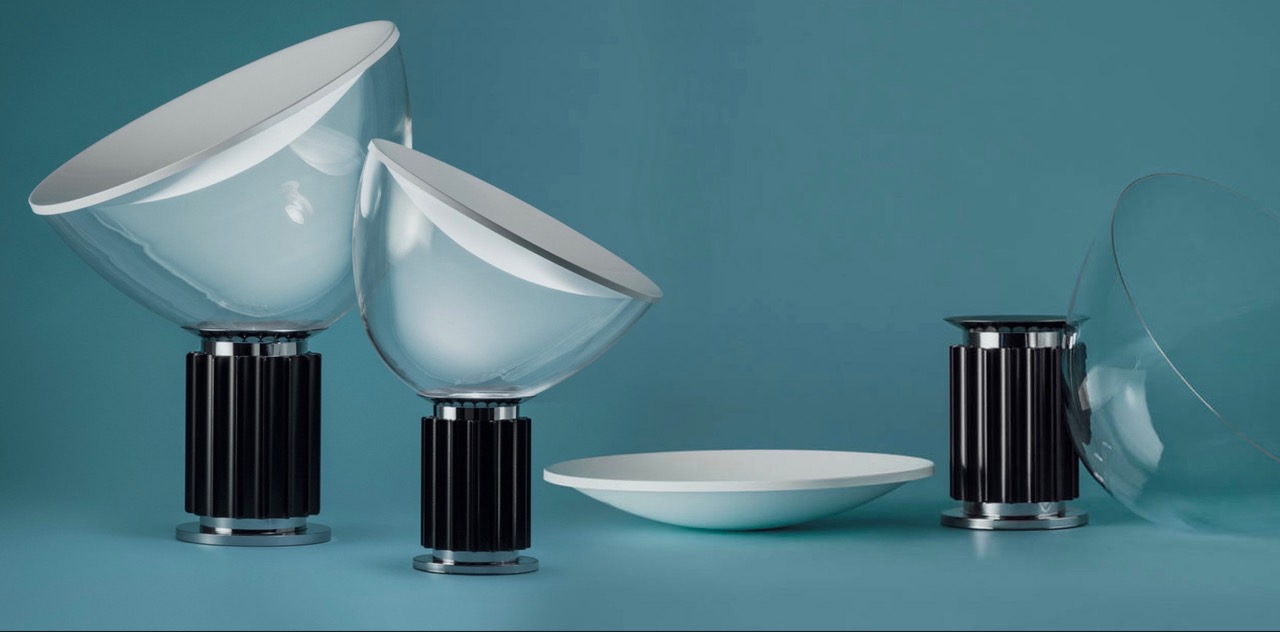
Lampa Taccia. Achille & Pier Giacomo Castiglioni, 1962.
Zážitok 2. „Zahraničnej tlači“ vďačím aj za ďalší objav a zážitok. Fascinácia priestorovými kreáciami Joea Colomba a Vernera Pantona, ich hybný faktor v relácii farby a priestoru. Futuristická vízia bývania jedného (Visiona 1), ako i už obývané chromatické priestory druhého, natrvalo vtlačili stopu do môjho vedomia i podvedomia. Ukázali mi, že chromatodysopsia sa dá liečiť a že šedá je síce v podstate elegantná farebná kvalita, ale nie je pre každodenný sociálny priestor.
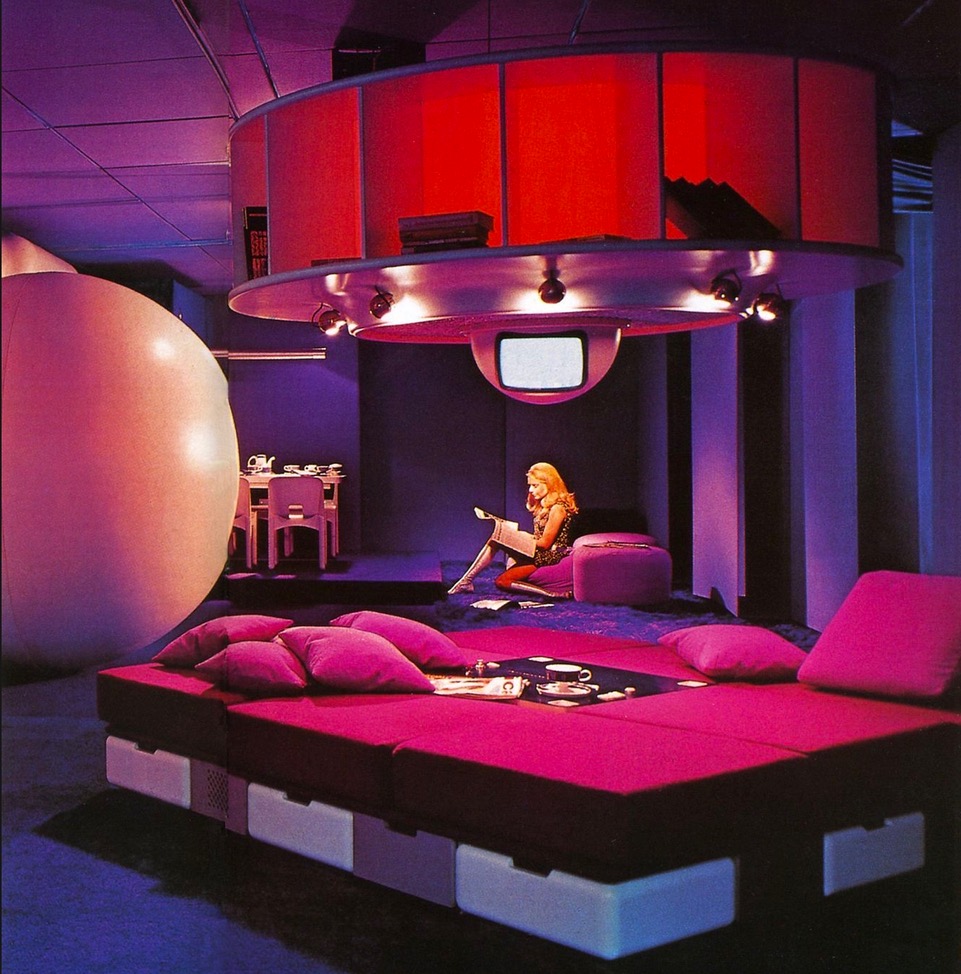
Visiona 1 show (Wohnmodell) pre Bayer AG, Joe Colombo, 1969.
Zážitok 3. Na prelome 70. rokov, v Dome nábytku na Štefánikovej ulici akýmsi zázrakom predávali penový sedací nábytok od Oliviera Mourgueho (poznáme ho z Kubrickovej Vesmírnej odysey 2001). Občas som si tam po škole pútnicky zašiel pre potešenie, a keďže som bol obvykle sám v obchode, aj vychutnával efemérny fyzický pôžitok z jeho chaise longue.
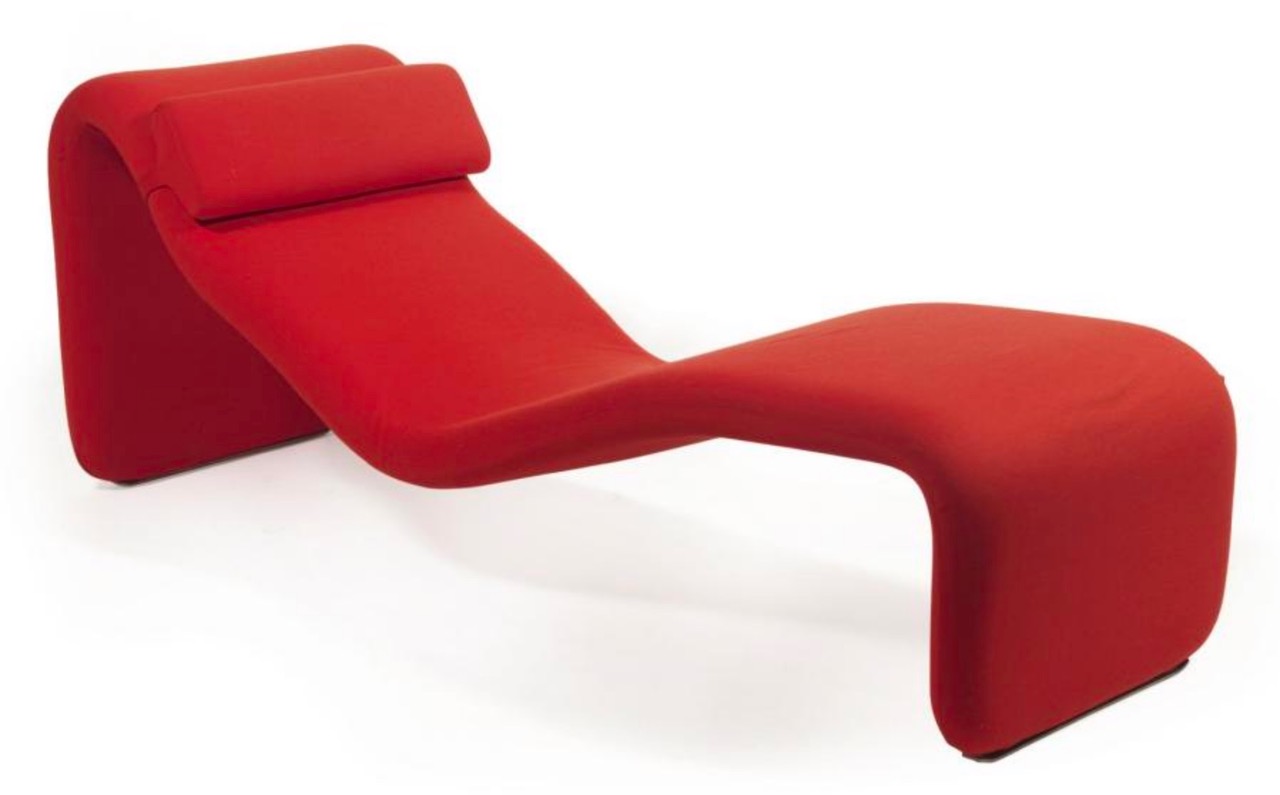
Djinn Chaise Longue, Olivier Mourgue, 1965.
Všetky takéto stretnutia „tretieho druhu“ prispeli k tomu, že sa úplne zmenilo moje vnímanie okolitej skutočnosti – respektíve vyprovokovali jej ignoranciu a posunuli ma do inej, vizionárskej „reality“, do iných svetov, plných vzrušujúcich „farebných“ impulzov.
Prečo si študoval v Budapešti a čo si študoval? Mal si vtedy už 23, keď si tam nastúpil. Čo si robil predtým? V čom bolo to prostredie iné oproti Bratislave?
Na vtedajšiu Vysokú umeleckopriemyselnú školu, dnes MOME Univerzita Moholy-Nagya pre umenie a dizajn, som išiel za štúdiom výtvarného umenia, keď som sa dozvedel, že existuje takáto možnosť štúdia na inej škole, ako bola VŠVU. Jediný družobný kvótový odbor bolo Oddelenie tapisérie, čo ma potešilo navyše. Na škole zameranej na dizajn to bolo jediné oddelenie výnimočne orientované na voľnú tvorbu. Škola sa vyznačovala zameraním na riešenie odborných a profesionálne tvorivých aktivít, inak vyjadrené – poskytovala možnosť používania celej škály farieb a nielen „červenej“, ako tomu bolo na vtedajšej VŠVU v Bratislave.
Kto bol najlepší učiteľ?
Mária Nemčeková Chmeliarová na bratislavskej ŠUP-ke s jej charizmatickou askézou: študentom dokázala vštepiť pre život platnú tvrdú tvorivú disciplínu. Okrem toho si ju vážim aj pre jej autorstvo najpozoruhodnejšej slovenskej autorskej tapisérie. Na vysokej škole to bola Margit Szilvitzky, ktorá podnietila a podporovala moje tvorivé experimenty a aktivity.
Aký bol život v Budapešti? Čo výtvarná (alebo dizajnérska) scéna vtedy v Maďarsku? Prekvapila ťa v niečom?
Študovať, žiť v Budapešti koncom 70. a v 80. rokoch znamenalo ocitnúť sa vo výnimočnej situácii – byť v centre diania dobre kamuflovanej subverzívnej dynamiky. Budapešť tvorila oxygénovú bublinu pre celý ostatný východný socialistický blok Európy. Chodilo sa tam liečiť si dušu ako do kúpeľov, na pútnické výpravy za kultúrou a konali sa undergroundové „križiacke výpravy“ na rockové koncerty. My, tam žijúci v tom okamžiku sme mohli naplno z neho profitovať, mohli sme vychutnávať toto privilégium v celej šírke ponúkanej škály delikates: svetovú filmovú distribúciu, ako i filmové kluby úzko špecificky programované, dovezené zahraničné výstavy, prekladovú literatúru či v originálnom cudzom jazyku, ale i maďarské edície venované sociológii, psychológii, estetike, umeniu a, a, a.
A ako ani dnes nevieme mnoho o aktuálnej maďarskej dizajnérskej scéne, tak ani počas obdobia môjho štúdia sa vo svete o maďarskom dizajne veľa nevedelo. Škola bola dobre špecializovaná, progresívna, ale v praxi potom prichádzalo k takej zvláštnej fúzii medzi dizajnom, voľnou umeleckou tvorbou a umeleckým remeslom – čoho rezultátom bola hybridná poloha objektu a takáto výslednica sa nedala poriadne zaradiť do žiadnej z uvedených kategórií.
Kde si mal prvú výstavu? A čo to bolo?
Prvú výstavu som mal ešte ako študent vysokej školy v našom budapeštianskom kultúrnom stredisku. Až keď na vernisáži videli aparátnici, akú som pripravil výstavu, obratom ju z „technických príčin“ uzavreli. Tematicky som prezentoval dva fenomény – čiaru a farbu, od ktorých sa odvíjala celá výstava: objekty a inštalácie, fotografie, autorská kniha i film (video ešte neexistovalo). Ako najprovokatívnejšia sa azda javila inštalácia „Ako by vyzeral náš svet bez farby“ – čierny životný priestor, otvorená kocka v mierke 1:1. Avšak už pred touto výstavou som zhotovil niekoľko inštalácií in-situ v areáli školy, ako i na verejných priestranstvách Budapešti.
Ty si nastupoval, keď v umení aj dizajne už plne obsadzovala diskurz postmoderna (aj keď u nás opatrnejšie). Zároveň sa menila aj spoločnosť. Nastúpila perestrojka. Ako si to vnímal?
Po návrate, v porovnaní s lived time v Budapešti, sa javilo miestne uvoľňovanie stále ako dosť tvrdý režim. Na ilustráciu by som uviedol jednu malú epizódu, dnes už zábavnú, o ktorej som sa dozvedel až po páde komunistického režimu: keď som začal učiť na ŠUP-ke, tak na Ministerstve školstva zasadla komisia, ktorá riešila problém, či pedagóg mužského pohlavia môže, alebo nemôže nosiť cop – v tom čase som totiž mal dlhé vlasy. Nakoniec vec nechali nedoriešenú a otvorenú, lebo veď som prišiel z Budapešti…
Ktoré osobnosti, diela z oblasti umenia, architektúry, kultúry boli vtedy pre teba formatívne?
Za najsilnejšie umelecké diela som považoval, a platí to až do dnešného dňa, dve veľkoplošné plátna. Prvé s názvom Persona od Ingmara Bergmana a druhým je L’année dernière à Marienbad od Alaina Resnaisa.
Kto ti bol blízky u nás? A ako si vnímal predchádzajúcu generáciu (Vilhan, Milučký a pod.) ?
Sledoval som skôr tvorbu v „západnom“ zahraničí; to, čo sa dialo okolo mňa, som považoval za určitú obmedzenú bezfarebnú nutnú a nudnú samozrejmosť, ale vždy som sa potešil, keď som objavil nejaký počin, vymykajúci sa z tejto šedi. Spomínam si, že som našou vtedajšou architektúrou i celou kultúrou dosť opovrhoval, Milučkého krematórium som kategorizoval ako déjà vu. Taktiež som nebol a nie som ani dnes s odstupom času prívržencom „trubkového“ dekoratívneho štýlu 80. rokov v našej interiérovej architektúre.
Kam ste chodili v meste?
Budapeštiansky HQ bol v Szép Ilonke pri škole – zabudnutý pavilón zo 60. rokov, alebo v meste kaviareň Gerbaud a Russwurm. V Bratislave to bolo – pre jedných Depresso, pre iných Lietadlo – ale stále išlo o jednu a tú istú „inštitúciu“ na bývalej Jiráskovej ulici, priamo oproti vchodu do VŠMU, kam som chodieval na kávu po obede; táto sa často dokázala predĺžiť na poobedňajší aperitív, voľne pokračovala vo večerných priateľských diskusiách pri dosť zlom víne a končila posledným fernetom, koľkokrát už po záverečnej...
Tvojím materiálom/médiom bol a je hlavne textil, ale tvoj záber je oveľa širší. Ale poďme k textilu. Ty s ním pracuješ dosť komplexne. Ako dizajnér aj ako voľný umelec. A veľa vieš aj o technikách jeho výroby i spracovania. Ako by si definoval svoj vzťah k nemu? A čím ťa dostal?
Textil to je láska, ale i moja slabosť! On jediný sa otvára spontánne a oddane mojím rukám, ale vie i poslúchať a vykonávať moje rozumové, racionálne povely. Môže byť subtílny maznáčik, ale i tvrdý vzdorujúci partizán, chrániaci svoje pozície, ktorého musím (samozrejme nežnou) silou zdolávať. Je bottom i top. V jednej postave skrýva i odkrýva cnosti i neresti. Fascinuje ma svojím chameleónskym potenciálom; dokáže z(a)meniť svoju substanciu, raz je plochý/zaberá len plochu – determinuje sa iba šírkou a dĺžkou, ale vie bez problému nabrať aj tretiu dimenziu – hĺbku a prehupne sa do priestorovej pozície. A bez starosti dokáže koketovať aj so štvrtou dimenziou, s časom. Jeho kapacity nie sú ešte dostatočne preskúmané, ostáva enigmatický a dáva len tušiť svoje potenciálne možnosti v reakcii na nepoznané – inovačné technologické výdobytky a aj ich integráciu. Naša, snáď vzájomne opätovaná, láska sa nenechá obmedzovať a neprestanú jej rásť krídla.
Textil je samozrejme aj móda a módny svet. Si jeho súčasťou. Vyrábal si niekedy svoje konceptuálne odevy aj vo väčších sériách? Alebo skôr išlo vždy o autorský odev?
Vždy išlo len o autorský prístup. Neexistujú dva rovnaké kusy; neodeješ sa dvakrát do rovnakého (odevu od) Pichlera.
Predával si v Diele? Kto boli klienti / zberatelia? Ako by si stručne popísal svoj rukopis, princíp alebo rituál?
V Diele som sa zúčastnil iba jednej predajnej výstavy odevu a šperku ešte v 80. rokoch. Predal som vtedy jeden odev a aj tento kúpila spoluvystavujúca kolegyňa. Predávať svoje práce, a nielen v Diele, ma nikdy nezaujímalo.
V dizajne je mojím princípom a krédom dať v danom objekte užívateľovi bázu, aby si podľa vlastných požiadaviek na sociálnej, mentálnej a estetickej úrovni vedel a mohol objekt, s určitou dávkou svojej kreativity, dotvoriť. Povyšujem týmto užívateľa objektu na rovinu akéhosi spolutvorcu či spoluautora. Objekt svojou „neukončenosťou“ stojí otvorený, ponecháva vizionársky priestor na svoje dokončenie. Niektorý len naznačuje, iný otvorene provokuje možné započatie manuálneho dokončovacieho procesu a dovedenie k jednej z možných výsledných interpretačných pozícií. Takýto proces je platný aj pre mnohé moje práce vo voľnom umení, kde sa tento proces odohráva skôr v mentálnej rovine.

Látka PROTEa-x, variácie mutácií.
Máš nejakú monumentálku?
Slovensko sa bude môcť pochváliť svojím prvým pravým gobelínom. Gobelínom môžeme totiž nazývať len tú ručne tkanú tapisériu, ktorá bola realizovaná v La Manufacture des Gobelins v Paríži. V jej ateliéroch práve naberá reálnu podobu moja prvá monumentálka – gobelín Mille Fleurs. Gobelínové dielne sú tou najvyššou profesionálnou inštanciou vo svojom odvetví, a pre každého umelca, hlavne pre „textiláka“, znamená utkanie jeho tapisérie – v týchto bývalých kráľovských dielňach s tradíciou siahajúcou až do stredoveku, to najvyššie ohodnotenie a uznanie. Keďže gobelínová manufaktúra spadá dnes pod správu Mobilier national, ostávajú zhotovené projekty v majetku francúzskej prezidentskej kancelárie alebo inej vládnej ustanovizne. Takže ide o „monumentálku“ par excellence, v pravom zmysle slova. V roku 2017 som dostal pozvanie od La Manufacture des Gobelins na vytvorenie návrhu pre nástennú tapisériu. Pripravil som projekt, prinášajúci inovatívnu pozíciu nielen z výtvarného, ale hlavne z technologického hľadiska, čím som podnietil aj samotné dielne posunúť sa do 21. storočia. Tapiséria bude síce tkaná klasickým spôsobom, avšak s integráciou optického vlákna. Výsledkom bude nástenná tapiséria, ktorej jednotlivé motívy sa budú v určitej choreografickej dynamike postupne rozsvecovať, až sa celá plocha úplne rozžiari do výsledného ohňostroja.
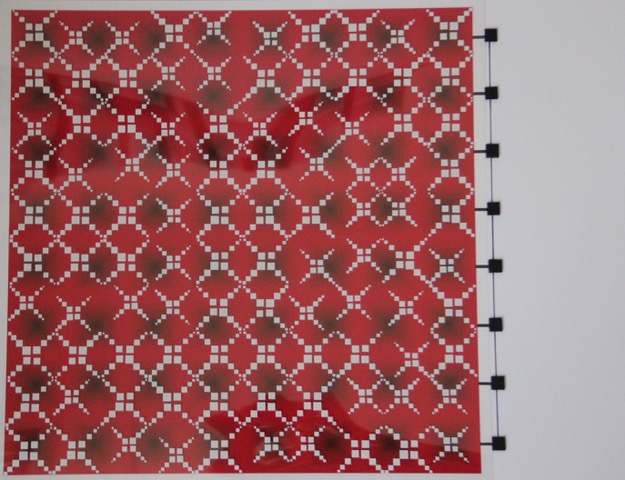
Návrh na gobelín Mille Fleurs pre La Manufacture des Gobelins v Paríži, fáza úplného rozžiarenia motívov, foto: autor.
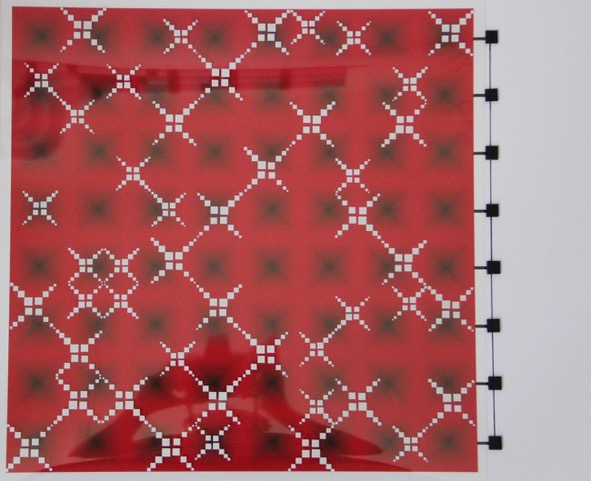
Návrh na gobelín Mille Fleurs pre La Manufacture des Gobelins v Paríži, fáza čiastočného rozžiarenia motívov, foto: autor.
Ako si vnímal módu v Československu na konci 80. rokov? A ako po revolúcii? Kto bol zaujímavý? A čo ťa iritovalo?
Móda v ČSSR ma vonkoncom nezaujímala. S neskrývaným výsmechom som ju kategorizoval a pomenoval ako „spomienkovú – suvenírovú módu“, nakoľko prinášala najmenej s dvojročným omeškaním tendencie, ktoré už medzičasom vo svete dávno odzneli a nechala „oživiť“ už vlastne módu upadnutú do zabudnutia. Od druhej polovice 70. rokov som sa tešil z abonmánu francúzskeho VOGUEu, čo mi dávalo možnosť sledovať dianie svetovej módy z „prvého radu“. Vtedajšie Bourdinove či Newtonove módne fotoreportáže ostávajú dodnes nezabudnuteľné!
A propos v spojitosti s módou: skôr som venoval pozornosť napríklad textom Antonína Kybala, pojednávajúcim o proporciách vzorov na šatovkách, o ich tvorení priestorových relácií, ako i o vzťahu k ľudskému telu, o ich dynamike tvarov a foriem, či o ich chromatických hodnotách. Paralelne ma fascinovalo aj štúdium (nielen našich) etnografických archívov.
Textilná výroba sa na Slovensku po revolúcii dosť zmenila. Povedzme rovno, že k horšiemu. Za čím ti je možno najviac smutno?
Nemal som vybudované žiadne puto, žiadnu špeciálnu „citovú“ väzbu k nášmu textilnému priemyslu, tak ma len mrzí , že sa celý náš vyspelý textilný priemysel – napr. patent unikátneho tryskového tkacieho stavu – dehonestujúco zmenil na trh s lacnou pracovnou a výrobnou silou.
Viem, že si spolupracoval a spolupracuješ aj s veľkými módnymi domami. Aký je to typ spolupráce? Chodíš na módne prehliadky? Máš aktuálne nejakého obľúbeného odevného dizajnéra/ku vo svete? A všimol si si niekoho aj na Slovensku?
Spolupráca medzi módnymi domami a umelcami je historicky potvrdená a frekventovaná. Už samotná Gabrielle Chanel si nechala navrhovať svoje tvídy od ruských umelcov-maliarov.
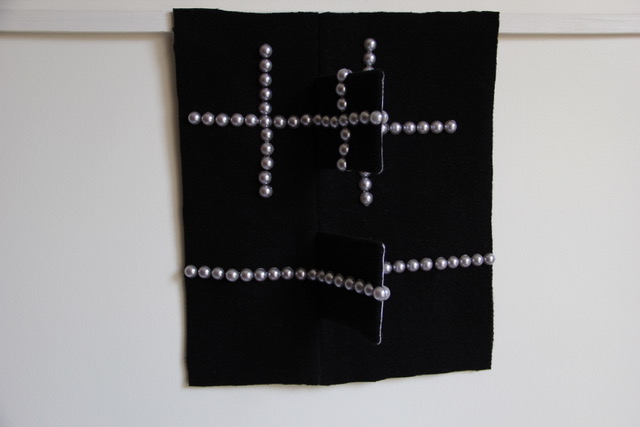
Z kolekcie „TWEEDS“, foto: autor.
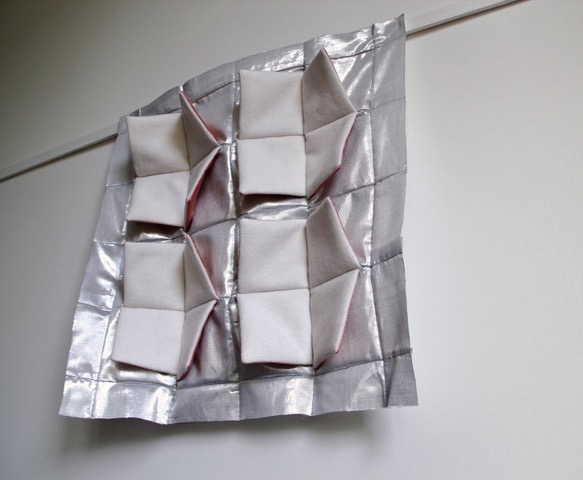
Z kolekcie „TWEEDS“, foto: autor.
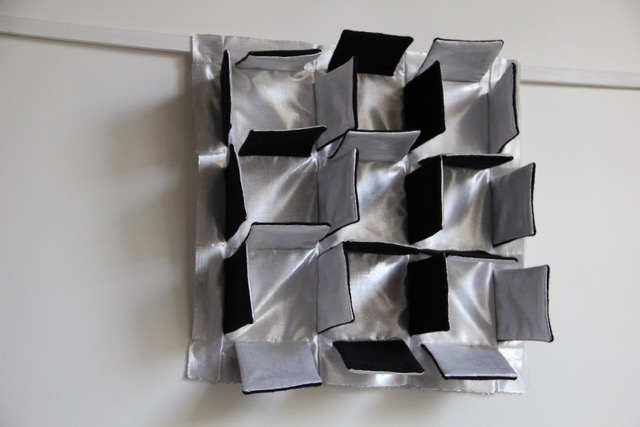
Z kolekcie „TWEEDS“, foto: autor.
Módni návrhári v klasickom zmysle slova dnes už skoro neexistujú. Vystriedala ich nová generácia kreatívnych biznismenov, merajúcich úspech kolekcií ziskovými šiframi. Druhú skupinu tvoria „ilustrátori DNA“ toho-ktorého módneho domu. Ich kreatívna funkcia pozostáva z prepisu výsledkov „archeologických výskumov“ v archívoch domu do dnešného vizuálneho jazyka, čím sa zabezpečuje vitálna kontinuita módneho domu. Mojimi „ostro sledovanými vlakmi“ ostala len tvorba Reie Kawakuboovej pre vlastnú značku Comme des Garçons a Waltera van Beirendoncka. Kawakubo pre jej neúnavnú inovatívnu kreativitu, filozofický prístup k ľudskému telu, ako i k materiálom, do ktorých ho zahaľuje. Van Beirendonck, enfant terrible mužskej módy, v humornej, ale výtvarne silnej nadsázke, skrýva pre fajnšmekerov perfektnú strihovú architektúru odevu. Do kategórie zaujímavých by mohli spadať aj kreatívni Iris van Herpen a Hussein Chalayan, avšak v ich prípade ide o odevy nekvalifikovateľné pre „real life“ – v ich modeloch je možné prejsť sa po prehliadkovom mole, ale ďalšiu telesnú aktivitu nositeľke nedovolia, čim sa sami diskvalifikujú z hry a uzatvárajú sa len do múzejných vitrín.
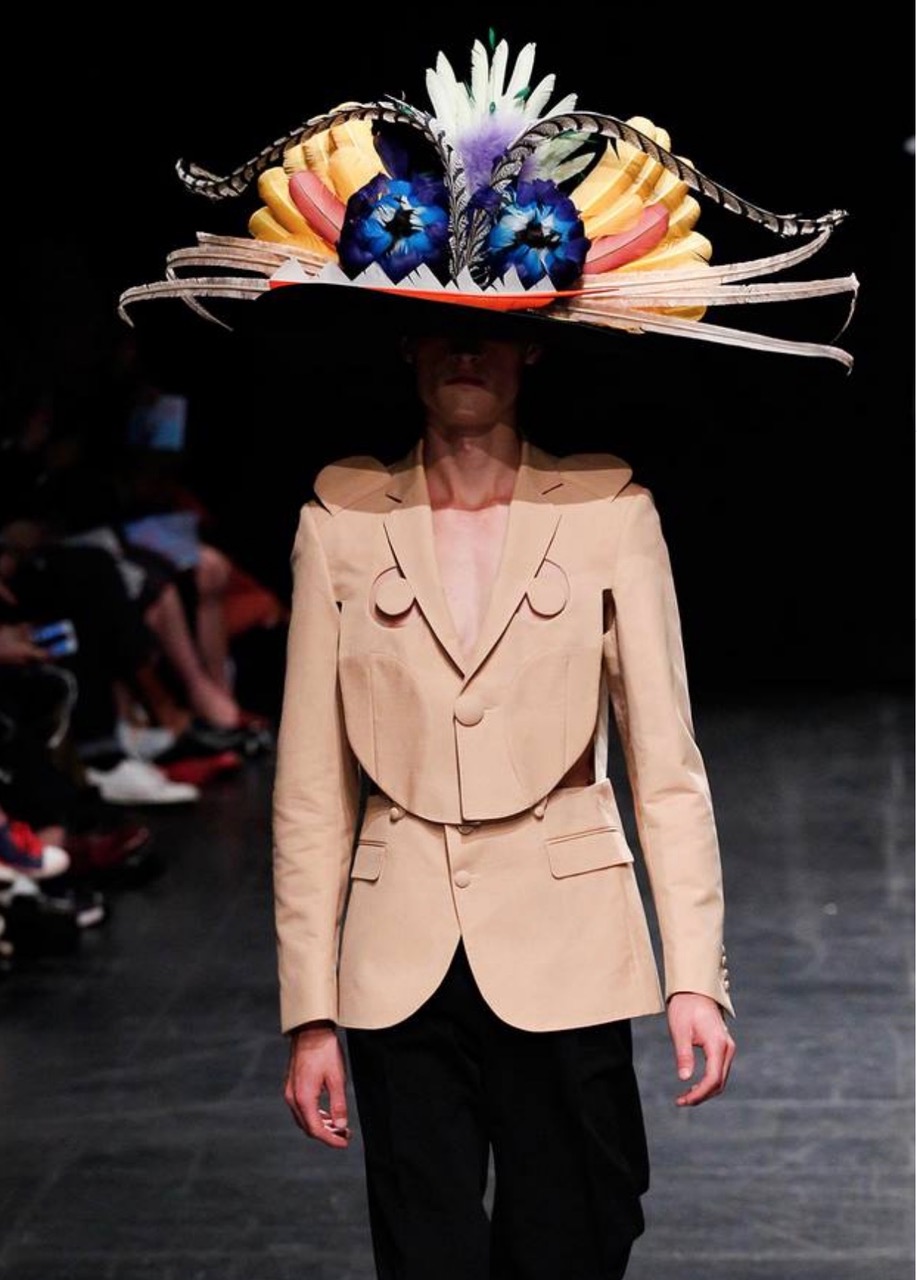
Model Walter van Beirendonck, kolekcia Jar 2016, foto: archív Walter van Beirendonck.
Hneď po škole si začal aj učiť. Tvoje študentky na to spomínajú ako na dosť zásadnú skúsenosť. Vraj si bol veľmi náročný, ale zároveň mimoriadne inšpiratívny a otváral si im široké obzory.
Škola by mala byť vymedzeným teritóriom, konkrétnejšie parketom – hlavne, mala by byť dostatočne priestorovo (mentálne i fyzicky) veľkorysá. Cvičným parketom, na ktorom musí učiteľ naučiť žiaka kráčať, chodiť by už mal vedieť. Naučiť ho vzpriamene, sebavedome kráčať, dynamicky, aby sa nešuchtal, ale aby kráčal priamo a vzpriamený, bez skrčeného torza, bez ohnutého chrbta. Hlavne aby pri vykračovaní pevne nastupoval, určujúc svojím krokom a jeho echom dynamiku priestoru, v ktorom sa (práve) pohybuje. Krok musí byť vnímateľný i vnímaný a jeho pevnosť braná so samozrejmou ľahkosťou. Iba keď učiteľ počuje odkráčať svojho žiaka, vie, že naplnil svoju misiu.
Aká bola Bratislava na začiatku 90. rokov z tvojho pohľadu a aká je dnes?
Krásavica na Dunaji: po jej vážnom znetvorení v 60. a 70. rokoch dostala v 90. rokoch len akýsi náhradkový make-up, lacný make-up balkánskej fešandy. Neviem, do akej miery je, ale nezdá sa mi, že by dnešná estetická chirurgia bola natoľko vyvinutá, aby vedela priviesť pôvodnú krásu opäť k novému životu. Ako pozorujem, zatiaľ dostáva táto bývalá kráska opäť len malé lokálne náplasti. Nevidel som zatiaľ ešte žiaden projekt, ktorý by toto mesto pozdvihol do vyššej kvalitatívnej kategórie. Bratislava aktuálne tvorí a aj naďalej bude vytvárať jedno veľké sociálne súostrovie. Samé malé „ostrovčeky“, navzájom izolované, bez žiadneho fungujúceho sociálneho medzipriestoru. Tieto ostrovy s autonómnou vitalitou a kmeňovou sociálnou príslušnosťou ostávajú bez komunikačného prepojenia a nestoja na žiadnom urbánnom sociálnom koberci.
P. S. 1 – Doteraz nikto z profesionálov aktívnych v architektúre, ktorým som ukazoval bratislavský projekt od Zahy Hadid, neuhádol, že ide o jej projekt. (Osobne si myslím, že ho vytiahli z koša pod jej rysovacou doskou.) Keď sa už objednával projekt u renomovanej architektky, tak sa asi mal vybrať naozaj reprezentatívny, žiariaci ako šperk, ktorý by zároveň hrdo niesol meno svojej tvorkyne, ale nie takýto tuctový, anonymný, v iných mestách typovo sa hojne vyskytujúci skôr mimo centra. A aj v samotnej Bratislave má projekt už staršieho brata, vzrastom nie takého vysokého – na Bajkalskej. Down town v tejto podobe by bol oceniteľný na náprotivnom brehu Dunaja, kde by vytvoril vhodnú odozvu ku géniusu loci.
P. S. 2 – Tragédia a deštrukcia pôvodného Starého Mesta vlastne začala nevhodným poziciovaním budovy hotela Devín do urbánneho kontextu. Potom to boli už len dominové kamienky…
V tvojej tvorbe je zjavný postmoderný aj konceptuálny prístup, ale i tradícia moderny (geometria, abstrakcia) – máš rád provokáciu, multiplikáciu, systémy, inštaláciu, priestorovú skladbu, hru, koláž. Pracuješ s textilom, ale aj s papierom, plastom, fotografiou, písmom, jedlom… Vieš byť minimalistický aj opulentne naratívny. Z toho vyplýva, že nemáš problém sa adaptovať podľa projektu. Čo ťa aktuálne najviac zaujíma?
Nič špeciálne a všetko! Pokračujem i naďalej v kaptácii obklopujúcich ma situácií, v ich pasírovaní cez filter mojej prizmy, aby som ich potom znovu vrátil do exteriérovej cirkulácie. Diapazón záujmu je po horizontálnej aj po vertikálnej osi veľmi široký a stálou hnacou energiou, priam motorickou, ostáva neutíchajúca zvedavosť.
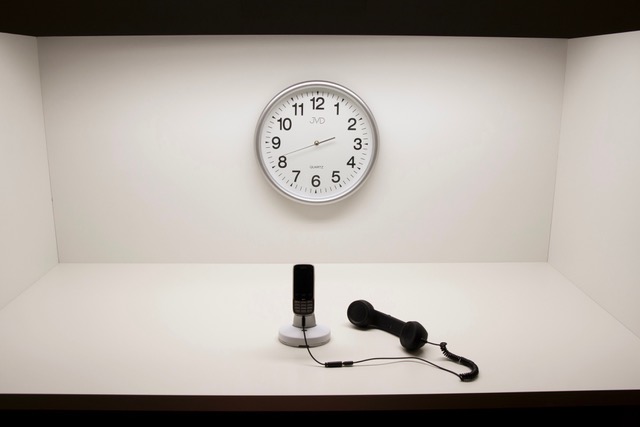
Časť inštalácie TIME-SQUARES – Present time, foto: autor.
Veľa cestuješ a žil si na viacerých miestach sveta. Aktuálne v Lyone. Ako ťa to zmenilo?
Nomádsky spôsob života ukazuje a dáva človeku hlavne dimenziu slobody. Ide v podstate o ľahší horský výstup po akejsi diachronickej špirále, keď sa každým novým dosiahnutým závitom otvára iná, nepoznaná perspektíva, ale aj iný uhol a spôsob pohľadu na už zanechané, zažité teritóriá. Najviac ma vzrušuje odkrývať ešte mnou nepreskúmané priestory…
[:en]ĽH: How many languages do you know?
KP: Each of the languages that knows me, also determines my range of movement and action:
German brings me close to my favorites – Elfride Jelinek, Gabriele Petricek or Heinrich von Kleist at an intimate distance of 30 cm.
French allows me to move in the arabesque labyrinths of the French (linguistic) park.
Portuguese can transport me across the Atlantic to my native Rio de Janeiro.
English is a good servant for me to navigate and move through all four cardinal directions.
Italian, it just lets me integrate myself into the universes of Domus or VOGUE Italia magazines.
Hungarian now only accompanies me occasionally, 400 km there and back, during visits to the Gellért Spa.
From where and what family do you come from?
I was born in three cities: in Bratislava, in Pressburg and Pozsonyban. And it is this cosmopolitan situation as if it determined the prescription of the axis and trajectory of my vital movement – my permanent nomadism. I come from a family that had built around itself a kind of isolated protective microcosm, ensuring an inner freedom, so incompatible with the ideology manifested in the exterior and submerging the then everyday life in leaden greyness. This protective shell was built by my grandparents and they managed to pass the baton to me with the message that the world is about something else and is built on different values than the current ruling political power tries to impose on us.
Especially my grandfathers instilled in me how important it is to seek out rather visionary horizons, full of colourful adventures, and thus escape the negative radiation of the bastardised regime. And they themselves – Little Grandpa and Grossvater Pichler were both great adventurers. The former first had to travel halfway around the world – all the way from Asia to Japan, and then, in the manner of the heroes of Hesse’s novels (not reconciled to the world), he returned to Bratislava and, at the age of over 40, started a family, built a house and planted a tree. My little grandmother was an activist and a member of all the emancipatory women’s associations of the time; her household boasted one of the first vacuum cleaners in Bratislava. During World War II, she fled into a mental adventure from which she was never able to return among us. Grossvater Pichler, in turn, adventurously escaped with his son from an internment camp when the German-speaking part of Bratislava’s population (not only those affiliated with fascism) was expelled after the war – he did not return to Vienna and stayed in Bratislava. My parents also led a somewhat adventurous lifestyle: my mother an archaeologist and my father a cultural officer, although nothing adventurous, they managed to arrange, without any commitment to the regime of the time, that we could have adventures every year in the 1970s, e.g. to travel to “the West”. So even as a junior I had already seen Gaudi’s palaces, Rembrandt’s Night Watch, the Art Brut collection in Lausanne, the Acropolis and Hagia Sophia.
What do you feel shaped you the most in your childhood? Can you think of specific people or experiences?
Looking in my rear view mirror, the following image appears. I grew up in a culturally rich background, representing for me, at the time, unknowingly, a firmly constructed support system of positive values on all platforms. I moved in a domestic environment, among Baroque furniture, combined with minimalist furniture from Krásna jizba, on the table were Čalovek’s cutlery, Taraba’s glassware, Moser, as well as solitary pieces of our cubism or art deco.
In terms of design, I would highlight only three or so illustrative experiences, pre-shaping my interest in the “pretty object”. In this way, they actually influenced the beginning of the future designer’s life path. I can still feel their colourful shadow over me even now:
Experience 1. When I was about thirteen years old, I discovered the Taccia lamp by the Castiglioni brothers in a Schöner Wohnen magazine (which I had to clip out every month at the foreign press shop). Its timeless elegance and unprecedentedly generous morphology have left me, to this day, utterly captivated and enchanted. It was and is something extraordinary – the French have a more appropriate term for it – “extraordinaire”. It was this lamp which “enlightened” me and showed me that even an ordinary object of everyday use can look “different”, carry constants with a different social-aesthetic surplus value of form and at the same time respect its function. It was probably already then that I realised what energy an object can convey through its shape for everyday (social) space.
Lamp Taccia. Achille & Pier Giacomo Castiglioni, 1962.
Experience 2. I also owe another discovery and experience to the “foreign press”. The fascination with the spatial creations of Joe Colombo and Verner Panton, their driving factor in the relation of colour and space. The futuristic vision of the dwelling of the one(Vision 1), as well as the already inhabited chromatic spaces of the other, have permanently imprinted a mark on my conscious and subconscious mind. They have shown me that chromatodysopsia can be cured and that grey, while essentially an elegant colour quality, is not for everyday social space.
Visiona 1 show (Wohnmodell) for Bayer AG, Joe Colombo, 1969.
Experience 3. At the turn of the 1970s, the House of Furniture on Štefánikova Street somehow miraculously sold foam sofas by Olivier Mourgue (we know him from Kubrick’s 2001 Space Odyssey). I would occasionally make a pilgrimage there after school for pleasure, and, as I was usually alone in the shop, also revel in the ephemeral physical pleasure of its chaise longue.
Djinn Chaise Longue, Olivier Mourgue, 1965.
All such encounters of the “third kind” have contributed to the fact that my perception of the surrounding reality has completely changed – or rather, they have provoked my ignorance of it and have moved me into another, visionary “reality”, into other worlds, full of exciting “colourful” impulses.
Why did you study in Budapest and what did you study? You were already 23 when you started there. What did you do before that? How was the environment different from Bratislava?
I went to the then University of Arts and Crafts, now MOME Moholy-Nagy University of Art and Design, to study fine arts when I learned that there was such a possibility of studying at a school other than the Academy of Fine Arts and Design. The only affiliated quota department was the Tapestry Department, which made me extra happy. At a school focused on design, it was the only department exceptionally oriented towards art. The school was characterized by its focus on addressing specialized and professionally creative activities, in other words – it provided the opportunity to use the whole range of colors and not just “red” as it was at the then AFAD in Bratislava.
Who was the best teacher?
Mária Nemčeková Chmeliarová at the School of Applied Arts in Bratislava with her charismatic asceticism: she was able to instil in her students a hard creative discipline valid for life. In addition, I respect her for her authorship of the most remarkable Slovak author’s tapestry. At university it was Margit Szilvitzky who encouraged and supported my creative experiments and activities.
What was life like in Budapest? What about the art (or design) scene back then in Hungary? Did it surprise you in anything?
To study, to live in Budapest in the late 70s and 80s was to find oneself in an extraordinary situation – to be at the centre of a well-camouflaged subversive dynamic. Budapest formed an oxygene bubble for the rest of the Eastern socialist bloc of Europe. People went there to treat their souls as if to a spa, on pilgrimages for culture, and held underground “crusades” to rock concerts. We, living there at the time, were able to take full advantage of it, to enjoy this privilege in the full breadth of delicacies on offer: world film distribution, as well as film clubs with narrowly specific programming, imported foreign exhibitions, literature in translation or in the original foreign language, as well as Hungarian editions devoted to sociology, psychology, aesthetics, art, and, and, and.
And just as even today we don’t know much about the current Hungarian design scene, so too, during the period of my studies, not much was known about Hungarian design in the world. The school was well specialised, progressive, but in practice there was then this strange fusion between design, free art and artistic craft – which resulted in a hybrid position of the object, and such a resultant could not be properly placed in any of the above categories.
Where did you have your first exhibition? And what was it?
I had my first exhibition when I was still a college student at our cultural centre in Budapest. Only when the apparatchiks at the opening saw what kind of exhibition I had prepared, they immediately closed it for “technical reasons”. Thematically, I presented two phenomena – line and colour – from which the whole exhibition was deduced: objects and installations, photographs, an author’s book and a film (video did not yet exist). Perhaps the most provocative was the installation “What would our world look like without colour” – a black living space, an open cube on a scale of 1:1. However, before this exhibition I had already made several in-situ installations on the school campus as well as in public spaces in Budapest.
You came on board when postmodernism was already fully occupying the discourse in art and design (although more cautiously here). At the same time, society was also changing. Perestroika had set in. How did you perceive it?
Upon my return, compared to the lived time in Budapest, the local release still seemed like a rather harsh regime. To illustrate this, I would like to mention one small episode, now amusing, which I only learned about after the fall of the communist regime: when I started teaching at the School of Applied Arts, there was a committee at the Ministry of Education that dealt with the problem of whether or not a male teacher could wear a ponytail – because at that time I had long hair. In the end they left the matter unresolved and open, because I came from Budapest…
Which personalities, works of art, architecture or culture were formative for you at that time?
I considered the most powerful works of art, and this is true to this day, to be the two large canvases. The first one is called Persona by Ingmar Bergman and the second one is L’année dernière à Marienbad by Alain Resnais.
Who was close to your heart? And how did you perceive the previous generation (Vilhan, Milučký, etc.) ?
I used to follow the work in the “Western” world; I considered what was going on around me as a kind of limited, colourless necessity and boring commonplace, but I was always delighted when I discovered a work that broke out of this grey. I remember being quite contemptuous of our architecture and culture at the time; I categorized Milučký’s crematorium as déjà vu. I was also not, and am not now with hindsight, a fan of the “tubular” decorative style of the 1980s in our interior architecture.
Where did you go in the city?
Budapest HQ was in Szép Ilonka near the school – a forgotten pavilion from the 60s, or in the city the Gerbaud and Russwurm cafes. In Bratislava it was – for some Depresso, for others Airplane – but it was still the same “institution” on the former Jiráskova Street, directly opposite the entrance to the Academy of Performing Arts, where I used to go for coffee after lunch; this often extended into an afternoon aperitif, loosely continued into evening of friendly discussions over rather bad wine, and ending with the last fernet, how many times after the closing…
Your material/media was and is mainly textiles, but your scope is much wider. But let’s go to textiles. You work with it quite comprehensively. Both as a designer and as a freelance artist. And you know a lot about the techniques of its production and processing. How would you define your relationship to it? And what did it get you?
Textiles, it’s a love, but also my weakness! It is the only thing which opens spontaneously and devotedly to my hands, but it can also obey and carry out my rational commands. It can be a subtle pet, but also a fierce defiant partisan, protecting his position, whom I have to (of course tenderly) conquer by force. It is both bottom and top. It both hides and reveals virtues and vices in one character. it fascinates me with its chameleonic potential; it can (ex)change its substance, once it is flat/occupies only a surface – it is determined only by width and length, but it can easily take on a third dimension – depth – and sag into a spatial position. And it can flirt with the fourth dimension, time, without a care in the world. Its capacities are not yet sufficiently explored, it remains enigmatic and only gives a hint of its potential possibilities in response to the unknown – innovative technological developments and their integration as well. Our love, hopefully reciprocated, will not be constrained and will not stop growing wings.
Textiles is, of course, also fashion and the fashion world. You are part of it. Have you ever produced your conceptual garments in larger series? Or has it always been more of an original garment?
It’s always just been about an author’s approach. No two pieces are the same; you don’t wear the same (garment by) Pichler twice.
Did you sell in Dielo? Who were the clients/collectors? How would you briefly describe your style, principle, or ritual?
I only participated in one clothing and jewelry sales show at Dielo back in the 1980s. I sold one garment at the time and a fellow exhibitor bought that one as well. Selling my work, and not only in Dielo, has never interested me.
In design, my principle and credo is to give the user a base in a given object, so that, according to their own requirements on a social, mental and aesthetic level, they can complete the object, with a certain amount of their creativity. In this way I elevate the user of the object to the level of a kind of co-creator or co-author. The object, by its “incompleteness”, stands open, leaving a visionary space for its completion. Some only hint, others openly provoke the possible initiation of a manual finishing process and the leading to one of the possible resulting interpretative positions. Such a process is also true of many of my works in the liberal arts, where the process takes place on a more mental plane.
PROTEa-x substance, mutation variations.
Do you have a monumental piece?
Slovakia will be able to boast its first real tapestry. We can only call a tapestry a hand-woven tapestry that was made at La Manufacture des Gobelins in Paris. It is in its ateliers that my first monumental tapestry, the Mille Fleurs tapestry, is taking shape. Tapestry workshops are the highest professional institution in their field, and for every artist, especially for a “textile artist”, the weaving of his tapestry – in these former royal workshops with a tradition dating back to the Middle Ages – means the highest appreciation and recognition. As the tapestry manufactory is now under the administration of the Mobilier national, the projects produced remain the property of the French presidential office or other government institution. It is therefore a ‘monumental’ par excellence, in the true sense of the word. In 2017, I received an invitation from La Manufacture des Gobelins to create a design for a wall tapestry. I prepared the project, bringing an innovative position not only from an artistic point of view, but especially from a technological one, thus encouraging the workshops themselves to move into the 21st century. Although the tapestry will be woven in a classical way, it will be woven with the integration of optical fibre. The result will be a wall tapestry whose individual motifs will gradually light up in a certain choreographed dynamic until the whole surface is completely lit up in the resulting fireworks display.
Design for the Mille Fleurs tapestry for La Manufacture des Gobelins in Paris, the phase of full illumination of the motifs, photo: author.
Design for the Mille Fleurs tapestry for La Manufacture des Gobelins in Paris, phase of partial illumination of the motifs, photo: author.
How did you perceive fashion in Czechoslovakia at the end of the 80s? And how after the Velvet revolution? Who was interesting? And what irritated you?
Fashion in the Czechoslovakia didn’t interest me at all. With unconcealed mockery I categorised and named it as “memory – souvenir fashion”, as it brought with at least a two-year delay tendencies that had already been long gone in the world in the meantime, and it let “revive” the fashion that had already fallen into oblivion. Since the second half of the 1970s, I had enjoyed a subscription to the French VOGUE, which gave me the opportunity to follow world fashion from the “front row”. Bourdin’s or Newton’s fashion photo essays of the time remain unforgettable to this day!
A propos in connection with fashion: earlier I paid attention to texts by Antonín Kybal, for example, discussing the proportions of patterns on dresses, their formation of spatial relations, as well as their relation to the human body, the dynamics of their shapes and forms, or their chromatic values. In parallel, I was also fascinated by the study of (not only our) ethnographic archives.
Textile production in Slovakia changed quite a lot after the Velvet revolution. Let’s say straightforwardly, for the worse. What are you perhaps most sad about?
I had not built any bond, no special “emotional” attachment to our textile industry, so I am only sorry that our whole advanced textile industry – e.g. the patent of the unique jet loom – has dehumanizingly turned into a market with cheap labour and production force.
I know that you have worked and are working with the big fashion houses. What kind of collaborations are they? Do you go to fashion shows? Do you currently have a favourite fashion designer/s in the world? And have you noticed anyone in Slovakia?
Collaborations between fashion houses and artists are historically confirmed and frequent. Even Gabrielle Chanel herself had her tweeds designed by Russian artist-painters.
From the collection TWEEDS, photo: author.
From the collection TWEEDS, photo: author.
From the collection TWEEDS, photo: author.
Fashion designers in the classical sense of the word are almost non-existent today. They have been replaced by a new generation of creative businessmen, measuring the success of collections with profit ciphers. The second group is made up of the “DNA illustrators” of this or that fashion house. Their creative function consists of transcribing the results of “archaeological research” in the house’s archives into today’s visual language, thus ensuring the vital continuity of the fashion house. My “closely followed trains” remained only the work of Reia Kawakubo for her own label Comme des Garçons and Walter van Beirendonck. Kawakubo for her tireless innovative creativity, her philosophical approach to the human body as well as the materials she envelops it in. Van Beirendonck, the enfant terrible of men’s fashion, hides in humorous but artistically powerful hyperbole, the perfect garment architecture for the connoisseur. The creative Iris van Herpen and Hussein Chalayan could also fall into the category of interesting, but in their case the garments are unqualifiable for “real life” – in their models it is possible to walk the catwalk, but they do not allow the wearer any further physical activity, thus disqualifying themselves from the game and confining themselves to museum showcases.
Model Walter van Beirendonck, collection Spring 2016, photo: archive of Walter van Beirendonck.
Right after school you started teaching. Your students remember it as a pretty pivotal experience. They say you were very demanding, but at the same time extremely inspiring and opened up broad horizons for them.
A school should be a defined territory, more specifically a floor – most importantly, it should be sufficiently spatially (mentally and physically) generous. An exercise floor on which the teacher must teach the pupil to walk; he should already know how to walk. Teach him to walk uprightly, confidently, dynamically, not to stagger, but to walk straight and erect, without a hunched torso, without a bent back. Above all, he should step firmly as he strides, determining with his stride and its echo the dynamics of the space in which he is (just) moving. The step must be perceptible and perceived, and its solidity taken with self-evident ease. Only when the teacher hears his pupil walk away does he know that he has fulfilled his mission.
What was Bratislava like at the beginning of the 90s from your point of view and what is it like today?
Beauty on the Danube: after its serious disfigurement in the 60s and 70s, in the 90s it received only a kind of a replacement make-up, a cheap make-up of a Balkan flapper. I don’t know to what extent she is, but it doesn’t seem to me that today’s cosmetic surgery is so developed that it can bring the original beauty back to new life. As I observe, so far this former beauty is only getting small topical patches again. I haven’t yet seen any project that has elevated this city to a higher quality category. Bratislava is currently, and will continue to be, one big social archipelago. Just small ‘islands’, isolated from each other, with no functioning social space in between. These islands with their autonomous vitality and tribal social belonging remain without communication links and do not stand on any urban social carpet.
P. S. 1 – So far, none of the professionals active in architecture to whom I showed the Bratislava project by Zaha Hadid guessed that it was her project. (Personally, I think they pulled it out of the trash under her drawing board.) If one was commissioning a project from a renowned architect, one should probably have chosen a truly representative one, shining like a jewel, which would at the same time proudly bear the name of its creator, but not such a bland, anonymous one, which in other cities is more often found outside the city centre in terms of type. And even in Bratislava itself, the project has an older brother, not so tall in stature – on Bajkalská Street. Down town in this form would be appreciated on the opposite bank of the Danube, where it would create a suitable echo to the genius loci.
P. S. 2 – The tragedy and destruction of the original Old Town actually began with the inappropriate positioning of the Devín Hotel building in its urban context. After that it was just dominoes…
In your work there is an obvious postmodern and conceptual approach, but also the tradition of modernism (geometry, abstraction) – you like provocation, multiplication, systems, installation, spatial composition, play, collage. You work with textiles, but also with paper, plastic, photography, writing, food… You know how to be both minimalist and opulently narrative. This implies that you have no problem adapting yourself according to the project. What are you most interested in at the moment?
Nothing special and everything! I continue to captate the situations that surround me, to pass them through the filter of my prism and then return them to the exterior circulation again. The range of interest is very wide along both the horizontal and vertical axes, and the constant driving energy, downright motoric, remains an unflagging curiosity.
Part of the installation TIME-SQUARES – Present time, photo: author.
You travel a lot and have lived in several places around the world. Currently in Lyon. How has it changed you?
The nomadic way of life shows and gives a person especially the dimension of freedom. It is essentially an easier mountain climb on a kind of diachronic spiral, where each new turn reached opens up a different, unfamiliar perspective, but also a different angle and way of looking at the territories already left behind, already experienced. What excites me the most is to uncover spaces I have not yet explored…
[:]