[:sk]Rozhovor / ZDENĚK ENT / Zahusťovanie je osudom mesta[:en]Interview / ZDENĚK ENT / Increasing Density Is the Fate of a City[:]
[:sk]Rozhovor Fedora Blaščáka s architektom Zdeňkom Entom z pražského Inštitútu plánovania a rozvoja.[:en]Interview of Fedor Blaščák with architect Zdeněk Ent from the Prague’s Institute of Planning and Development [:]
[:sk]
-
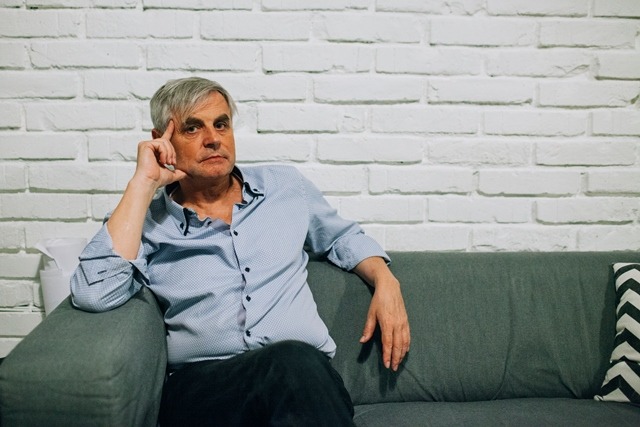
Zdeněk Ent, Foto: Marek Jančúch
Fedor Blaščák: Rem Koolhaas mal asi pravdu, keď pred 30 rokmi napísal, že sme ostali vo svete bez urbanizmu, len s architektúrou. Čo sa stalo v mestách bez urbanizmu?
Zdeňek Ent: Presadil sa takzvaný pozemkový urbanizmus a pre štruktúru miest to samozrejme dopadlo veľmi zle, obzvlášť v mestách s históriou. No zároveň si myslím, že ak chceme napredovať, tak trochu chaosu potrebujeme.
Budú raz o týchto dekádach písať historici ako o období urbanistického temna?
Asi áno. Budú to znevažovať, možno budú používať metafory o rozsypanom čaji, alebo Klondiku. Budú to kapitoly o tom, ako zrážka kapitalizmu s globalizáciou prevalcovala urbanizmus, a ako politika – na pozadí privatizácie a obrovských presunov majetkov – stratila schopnosť kontrolovať štruktúru mesta.
Bude sa to dať niekedy opraviť?
Niečo sa robiť dá, ale k zásahom došlo často v takom rozsahu, že zmeny sú už v zásade nezvratné. Zbúrať dom je ťažké, opraviť chaotickú štvrť nemožné.
Keď v Rotterdame zistili, že nový urbanizmus nefunguje, tak to celé zvalili a postavili nanovo.
Keď majú peniaze a je tam kapitál, tak nech sa páči. To ale nie je náš prípad, nemyslíte? Viete, perspektíva Holanďanov je celkom iná, oni si pôdu a územie vymohli vysušovaním mora a tak získali až 20-30% krajiny, a preto je pre nich pôda vzácna. V ich prípade je to nevyhnutnosť. U nás máme viac miesta, a keď tu niekto postavil hnusné podnikateľské baroko, tak s tým už dnes nikto nepohne. Nedá sa nič robiť.
Ako Vy vidíte funkciu kontextu – či rešpektovať, alebo nebrať ohľady?
Architekt by mal mať pokoru, a preto by mal vždy rešpektovať kontext a mal by ho rozvíjať. Stavať bez ohľadu na kontext je svinstvo.
Aké nové stavby ste si obzreli v Bratislave?
Videl som zopár nových developmentov, ktoré sú úplne nepochopiteľné. Ukážkové príklady bezohľadnosti.
Povedzte príklad.
Eurovea. Síce aspoň trochu reaguje na rieku, ale ďalšie domy okolo sa úplne vymkli mierke. Ale taký trend je vlastne všade – to isté máte v novom Haffencity v Hamburgu. Ukazuje sa to ako príklad úspešného developmentu, no človek sa tam stráca. Architektúra týchto miest človeka odosobňuje od miesta. Vôbec tomu nerozumiem a vlastne ma to desí.
Neďaleko od Eurovey teraz pribudne nová Zaha Hadid.
No a? Tak to zbohom, tá naozaj mala cit pre kontext.
No nič, len na panoráme Bratislavy pribudnú ďalšie tri falusy. Architekt Štefan Šľachta nazval Bratislavu kvôli tej rozsypanosti nových výškových domov „štrbavá“. Zničili panorámu mesta.
-
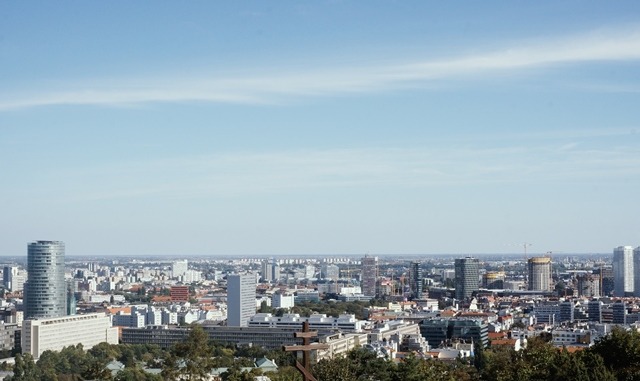
Panoráma Bratislavy, Foto: Tomáš Tokarčík
Panoráma je veľmi dôležitá. Podobne ako je dôležitý tvar domu, tak pre mesto je dôležitý tvar súboru tých domov. Panoráma do veľkej miery určuje, ako mesto vnímame. Panoráma je viac než hocijaký jeden dom, ktorý je jej súčasťou.
Keď sa dnes pozeráte z Hradčan na strešnú krajinu Malej strany, ktorú ovládol Bramac, čo si pomyslíte?
Či je na streche Bramac, alebo niečo iné, je vlastne jedno. Strešná krajina to znesie, lebo strešná krytina je len estetický detail. Sila panorámy je založená na usporiadaní štruktúry a tú žiaden detail až tak neovplyvní.
Príde Vám Bratislava ako mesto, ktoré má nejakú štruktúru?
Na Bratislave ma fascinuje ako je omotaná okolo výbežku Karpát. To je veľmi silný moment, že mesto začína tam, kde končí masív hôr.
Podľa Vás mesto s kopcom dobre komunikuje.
Neviem. Ale je to na meste cítiť a malo by sa s tým viac pracovať, lebo je to unikátne. Možno to UFO na moste tak bolo myslené a to sa mi páči. Televízna veža Kamzík s kopcom veľmi pekne komunikuje.
Ako by ste obhájili potrebu zahusťovania?
Ekonomikou a komfortom. Zahusťovanie je osudom mesta. Inde cesta nevedie.
Praha má určenú čiaru, za ktorú sa už nesmie rozširovať – načo je to dobré? Je to silný dôvod prečo rastú ceny bytov.
Praha má polovičnú hustotu obyvateľstva v porovnaní s Viedňou, alebo Berlínom. A keď je v meste dosť miesta, tak by bola škoda zaberať pôdu za mestom. Prevádzka kolónií rodinných domov po okrajoch miest je veľmi drahá. Je oveľa rozumnejšie stavať byty, šetríte tým miesto, aj prostriedky. Rodinný dom v meste je v skutočnosti veľký luxus.
Má Praha dnes svoj rozvoj pod kontrolou?
Nemá.
Prečo?
Lebo sa to v minulosti rozpredalo a dnes sú vlastníci pozemkov a developeri silnejší hráči. To nemyslím nejako pejoratívne, dnes je totiž veľmi ľahké kopnúť si do kapitalistu. Ale tak to prosto je a môžme o tom rozmýšľať aj tak, že je to príležitosť vylepšovať demokraciu. Jednoducho zlepšiť úroveň diskusie, lebo bez diskusie s developermi to už nepôjde. Treba sa naučiť dohodnúť.
Ako sa vám v Prahe diskutuje so slovenskými developermi? Má napríklad Penta v Prahe dobré meno?
Podľa mňa nemá. Osobne si myslím, že je to necitlivý developer, silový. Ale majú dobré public relations.
A sú aj takí, čo majú cit, aj vkus?
Sú. Napríklad Skanska, alebo niektorí iní veľkí zahraniční hráči. Priniesli inú kultúru, sami sa snažia vťahovať občanov do rozhodovania o projektoch. Sú citlivejší na výber architektov. Aj Sekyra group sa celkom snaží.
Čo by ste poradili občanovi, čo politikovi a čo developerovi, keď chcú, aby sa naplnili ich spoločný záujem po lepšom meste?
Občanovi, aby si zvolil príčetného a slušného politika. Politikovi, aby pracoval v prospech celku. A developerovi, aby pochopil, že cena bytu, ktorý postaví a chce predať, sa odvíja aj od kvality verejného priestoru okolo.
Uvedomujete si, že development je dnes segment biznisu s najväčšou maržou?
No, to je možné. Už sme hovorili o Klondiku a tom, že to nikam nevedie. Uznávam, že nejakí ľudia zrejme dosť zbohatnú, ale v historických knižkách nebudú, alebo tam budú akurát na hanbu.
Je pražský Institut plánovaní a rozvoje (IPR) etablovaným a silným partnerom v diskusiách medzi politikmi a developermi?
Zatiaľ nie.
Prečo?
Chýba politická podpora. Vznik IPR presadil primátor Hudeček z TOP 09. Potom boli voľby a Hudeček nevyhral. Prišli iní politici a začali ísť proti IPR. Chceli to zrušiť, vyhodili riaditeľa atď. Vzťah medzi inštitútom a politikmi nie je ani zďaleka ideálny. IPR má dnes medzi politikmi menej rešpektu, než pred tým. Bez politickej vôle a podpory je aj ten najlepší inštitút, s najlepšími ľuďmi, v zásade na nič.
Rozhovor vznikol počas Street festivalu What City? na Mickiewiczovej ulici v Bratislave. www.iprpraha.cz
[:en]
Zdeněk Ent, Photo: Marek Jančúch
Fedor Blaščák: Rem Koolhaas might have been right when he wrote 30 years ago that we are left with a world without urbanism, only architecture, ever more architecture. What happened with the cities without urbanism?
Zdeněk Ent: What has prevailed is the so-called land urbanism and that naturally turned out very bad for the structure of cities, especially in the cities with history. Yet, at the same time I think that we need a bit of chaos in order to move forward.
Will historians refer to these decades as the dark ages of urbanism?
Perhaps they will. They will depreciate it, they might use metaphors about scattered tea leaves or Klondike. These chapters will tell the stories about how the clash of capitalism and globalisation steamrolled urbanism and about how politics – against the backdrop of privatisation and huge property transfers – lost its ability to control the structure of a city.
Is it reparable?
You can do something, but the interventions have often reached such a large scale that changes are basically irreversible. Tearing down a house is hard, repairing a chaotic district is impossible.
When they in Rotterdam discovered that new urbanism was not working, it was all razed to the ground and built anew.
Sure it goes when there is money and capital. But that’s not our case, don’t you think? You know, the Dutch perspective is completely different, they recovered soil and land by drying the sea, obtaining thus 20-30% of the country, that’s why land is precious for them. In their case it is a necessity. But there is more place here and when someone built hideous “businessman baroque”, nobody can do anything about it today. There is nothing you can do.
What’s your view of the function of context – respecting or having no regards?
An architect should be humble and that’s why he/she should always respect the context, developing it. Building without regarding the context is nothing but shameful dirt.
Which new buildings in Bratislava have you had a chance to check out?
I’ve seen a couple of new development projects that are beyond any understanding. Classic examples of disregard.
Give an example.
Eurovea. It may slightly react to the river, but the rest of the houses have gone totally out of scale. Actually, it’s an overall trend – the same is with the new Hafen City in Hamburg. It’s shown as an example of successful development, but one gets lost there. Architecture of these places detaches a person from the place. I don’t understand it at all and, actually, it creeps me out.
Not far from Eurovea, New Zaha Hadid will be built.
So what? So long then and thanks, she really had a sense for the context.
Well, nothing, just there will be three more phalluses in the Bratislava’s skyline. Architect Štefan Šľachta called Bratislava “gap-toothed” due to its scatteredness of the new high-rise buildings. They’ve ruined the city skyline.
Panorama of Bratislava, Photo: Tomáš Tokarčík
The skyline is vital. Just as a shape of a house is vital, so a shape of a set of houses is vital for the city. The skyline to a large extent determines how we perceive the city. The skyline is more that any single house that’s part of it.
When you look today from Hradčany (Prague’s castle district) below at the roofscape of Malá strana ruled by Bramac, what’s happening in your head?
Whether Bramac or something else is on the roof is in fact unimportant. The roofscape will bear it, as the roof cover is merely an aesthetic detail. The power of skyline lies in the arrangement of structure and no detail can really affect it.
Do you find Bratislava as a city with a certain structure?
It fascinates me how Bratislava is wrapped around the foothill of the Carpathian mountains. It’s a very powerful moment that the city begins where the mountain massif ends.
Does the city communicate well with the hill, in your opinion?
I don’t know. But one can feel it and people should work with it more, as it’s unique. Maybe this is the intention of the UFO on the bridge and I like it. The Kamzík television tower communicates with the hill very nicely.
How would you defend the need for increasing urban density?
Through economy and comfort. Increasing urban density is the fate of a city. There is no other way.
Prague has a set line beyond which it mustn’t expand – what is it good for? It’s a strong reason why housing prices grow.
The population density in Prague is half as large as in Vienna or Berlin. Although there is enough space, it would be a pity to take over the land outside the city. To run the colonies of family houses on the city outskirts is very pricy. It’s much wiser to build flats, you save both space and means. In fact, a family house in a city is a huge luxury.
Does Prague today have its development under control?
It doesn’t.
Why?
As it was sold off in the past and nowadays, land owners with developers are more powerful players. I don’t mean it pejoratively, as slapping a capitalist today is very easy. But it’s a fact and we can think about it also as an occasion to improve democracy. Simply to improve the level of discussion because we won’t get anywhere without having a discussion with the developers. We have to learn how to come to an agreement.
What is the discussion with Slovak developers in Prague like? Does, for example, the Penta financial group have a good name?
It doesn’t, in my eyes. I think that they are an insensitive developer, a power developer. But they have good public relations.
And are there any sensitive ones?
There are. For instance, Skanska or some other big foreign players. They brought a different culture, trying to include the citizens in the decision-making process of the projects. They are more sensitive when it comes to the choice of architects. Sekyra group are trying pretty much too.
What advice would you give to a citizen, to a politician and to a developer, if they want to meet their common interest in a better city?
To a citizen: vote for a sound and decent politician. To a politician: work for the benefit of the whole. To a developer: try to understand that the price of a flat to be built and sold depends also on the quality of the surrounding public space.
Do you realise that today, development is a business segment with the largest profit margin?
Well, that’s possible. We’ve discussed Klondike and the fact it’s a road to nowhere. I admit that some people might get quite rich, but they won’t be in historical books, or if, they’ll be there as a shameful example.
Is the Prague’s Institute of Planning and Development (IPR) an established and strong partner in the discussions between politicians and developers?
Not yet.
Why?
There is a lack of political support. The genesis of IPR was put forward by mayor Hudeček from TOP 09 party. Then the lost in the election. The following politicians started to go against IPR. They wanted to cancel it, fired the director etc. The relationship between the institute and politicians is by far not ideal. IPR has less respect among politicians than ever before. Even the best institute with the best people means practically nothing when there is no political will or support.
[:]