[:sk]Rozhovor / Milota Havránková a Igor Marko: IDE O TO, NAUČIŤ SA AKO POSÚVAŤ VECI V JEMNOSTIACH[:en]Interview / Milota Havránková and Igor Marko: HOW TO MOVE THINGS FORWARD IN SUBTLETIES[:]
[:sk]Od problému obrubníka k pamäti, od zlyhaní komunikácie k úlohe empatie sme akoby spoločne poskakovali v rozhovore s Milotou Havránkovou a Igorom Markom.
Fedor Blaščák a Ľubica Hustá
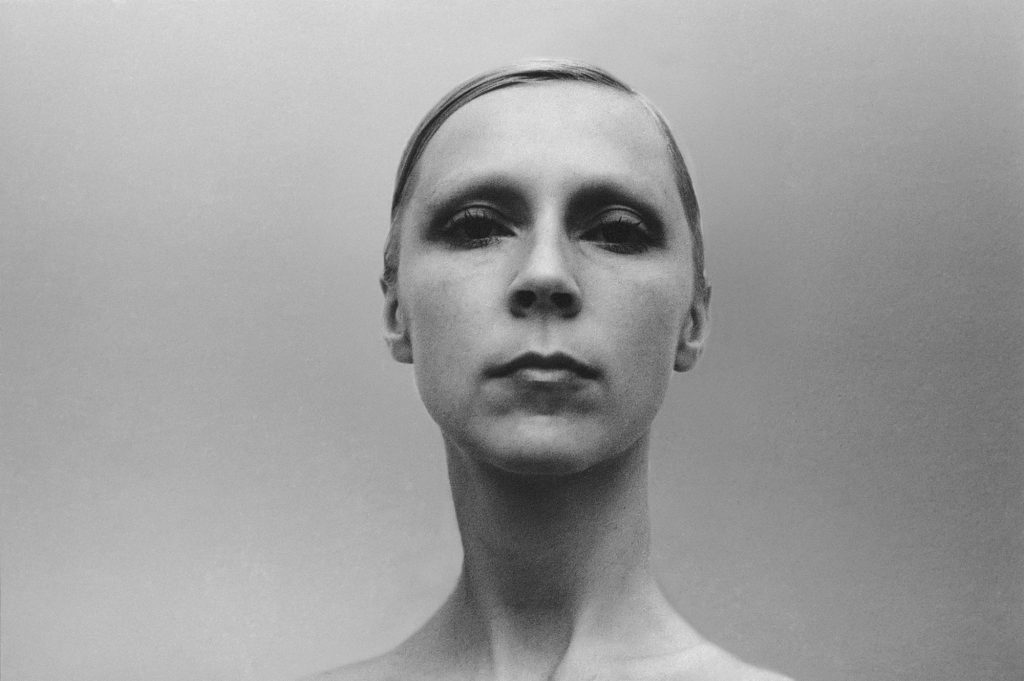
Milota Havránková: z cyklu Oživenie, 1979
Stretli sme sa na Štúrovej ulici, ktorá má asi pol kilometra, no na to, aby ju opravili, bola rozkopaná tri roky a výsledok je, že je tu asi 6 druhov dlažby a ešte jedno urbanistické nič. Počas tých troch rokov bolo v Bratislave veľa rôznych konferencií, na ktorých architekti ukazovali rôzne best practices. Igor, aj ty si vystupoval nedávno na takej (WhatCity, ktorá sa konala koncom januára 2016 v Starej tržnici). Čo ti napadne, keď sem prídeš z Londýna a počúvaš tie reči o najlepších príkladoch a potom vyjdeš na ulicu a vidíš toto?
Igor Marko: No čo, pociťujem absurditu toho všetkého. Keď počúvam o modeloch z iných krajín a vidím ľudí hovoriť o úspešných projektoch, ktoré by nám akože mali pomôcť, tak cítim bezmocnosť, lebo viem, že sú nepoužiteľné. Je tu obrovská disproporcia medzi tým, čo počúvame a chceme počúvať, a tým, ako to vieme dať do praxe. Realita je, ako hovoríš, úplne deštrukčná. Chýba nám kontinuita. Zalátali sme kus ulice niečím, čo už teraz vieme, že nebude fungovať. Ale nie všetci to vedia.
Máš vlastnú skúsenosť so Starým mostom, keď si bol súčasťou tímu a chvíľu to aj vyzeralo nádejne, no skončilo ako vždy. Čo sa stalo?
I.M.: Zlyhala komunikácia, ktorá tu nefunguje. Nevedeli sme sa naladiť v tej základnej odbornej rovine. Bolo to, akoby sme každý používali nejaký úplne iný jazyk. Často krát, keď hovorím veľmi otvorene a s nadšením o veciach, ktoré považujem za hodnotovo štandardné a normálne, mám pocit, že je to vnímané s nepochopením. Toto my nechceme, to sa nedá…
O čo tu ide?
I.M.: Nie je to o tom, že ja som dobrý a oni sú zlí. Pozri, existujú štandardné postupy, ktoré bežne dokážeme vyhodnotiť na základe známkovania, alebo na základe technokratických noriem, alebo kvalitatívnych tabuliek. Príklad: Ideš po ulici a pomaly nevidíš obrubník, ktorý by bol dlhší ako päť metrov. Niekto by tú nekonečnú rozmanitosť mohol aj nafilmovať. Aj na príklade banálneho obrubníka si človek môže uvedomovať, že u nás neexistuje nijaká kontinuita. Ide obrubník, potom niečo a k tomu zasa nalepené niečo úplne iné, alebo zlomené, alebo zničené. A cez ten obrubník to môžeš extrapolovať a uvedomiť si, že my v tomto meste neustále zažívame traumu diskontinuity.
Kontinuita buď je, alebo nie je. Kontinuitu nemožno začať budovať, na ňu možno len nadväzovať.
I.M.: Veď práve. Začínať stále nanovo je súčasťou nášho historického vývoja, našej evolúcie. Rozumieme, prečo to tak je, a zároveň nevieme tie veci dať dokopy a urobiť niečo, čo je znovu kontinuálne a logické. Je to klasická ,,sliepka-vajce” situácia — otvorí sa Pandorina skrinka obrovských problémov a my sedíme na konferencii a hovoríme si, dobre, veď my o tom vieme… Ale kde začať? Týmto námestím, alebo týmto obrubníkom? Alebo začneme participáciou? Máme začať riešiť plánovanie, alebo politiku? Čo je prvá vec, ktorú máme urobiť? Ľudia sú takto v situácii, že sa melú navzájom, pretože neexistuje žiaden systém, ani pravidlá hry. Skončí to pri tom, že pravidlá si vytvárajú jednotlivci na základe svojho subjektívneho pozorovania, vlastných hodnotových rebríčkov, a tie sú, samozrejme, u každého rozdielne.
No dobre teda, vezmime si diskontinuitu ako mechanizmus a prenesme sa inam — a teda otázka je, kde začať. Milota, nebol toto podľa Vás rozhodujúci faktor, ktorý pôsobil v 60. rokoch na vznik slovenského konceptuálneho umenia, alebo v 80. rokoch na vznik slovenskej novej vlny vo fotografii? A teda či práve absencia tradície nestála za veľkými umeleckými programami, na ktoré ešte aj dnes odkazujeme?
Milota Havránková: Keď sme boli štyridsať rokov ako za mrežami, tak sa to prirodzene muselo celé narušiť. Ľuďom, ktorí boli šikovní a mali v hlave niečo, nezostávalo nič iné, len slobodne myslieť a vytvárať si rôzne ilúzie a predstavy. Keď neexistuje fyzická alebo spoločenská kontinuita, človek si vytvára iluzórnu, ktorá je poskladaná z ideálov. A rozmer ideálov je taký, že dodáva ľuďom odvahu a umožňuje robiť veľké veci. Človek nie je ničím viazaný a tam potom vznikajú solitérne veci, ktoré sa ale môžu navzájom aj biť. Popritom myslím platí, že ak máme spoločného nepriateľa, tak dokážeme byť viac slobodní.
Kto bol váš spoločný nepriateľ, keď ste študovali v Prahe v 60. rokoch?
M.H.: Povedala by som, že politická situácia všeobecne, ale tým, že sme boli zatvorení, tak naše ideály boli o to väčšie a nútili nás slobodne premýšľať.
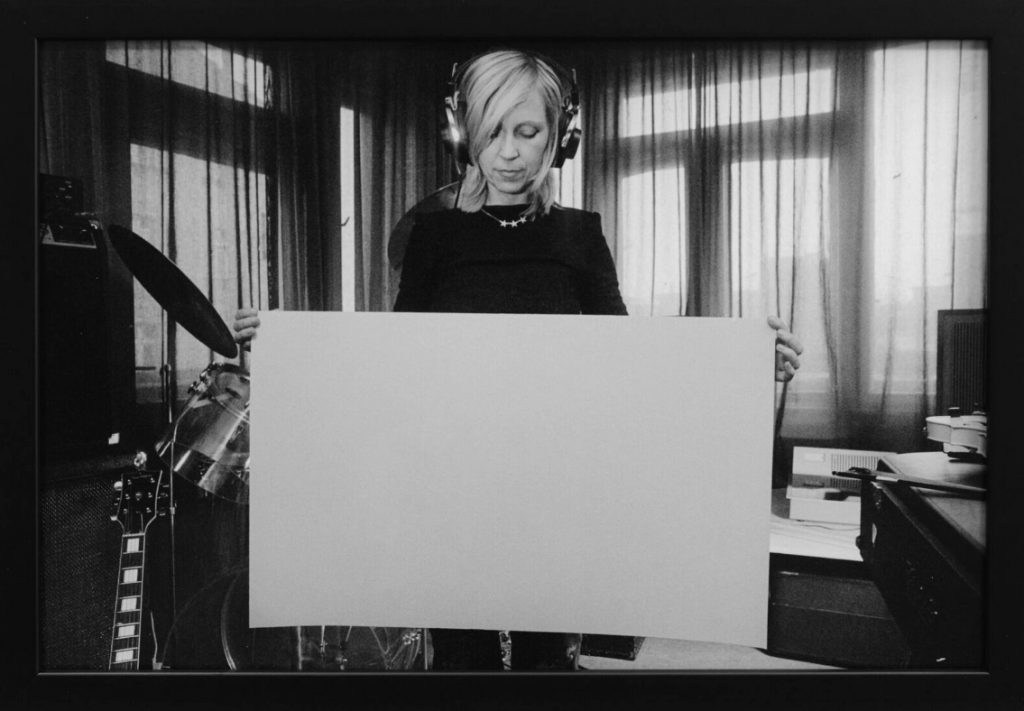
Milota, natáčanie filmu Plný čas, 1980
Čo sa zmenilo po auguste 1968?
M.H.: Uvedomila som si, že jediná možnosť ako to prežiť je nepozerať sa na to, ako to okolo mňa vyzerá, ale namiesto toho tvrdo pracovať na sebe. Nebola iná cesta. Človek sa musí najprv v sebe nájsť a potom poctivo za tým ísť. Mala som šťastie, že som robila fotku, ktorá sa v tom čase veľmi menila. Hoci pôvodne som chcela robiť réžiu, ale po šesťdesiatom ôsmom som nemohla pokračovať a začala som vnímať fotku tak, že v nej môžem byť nezávislá. Pri fotke som si mohla robiť svoju réžiu a všetko sama.
A za čím ste sa rozhodli ísť?
M.H.: Ako tému som si našla môj život, moje prostredie a ľudí, s ktorými sa stretávam.
Kto boli vtedy Vaši kamaráti?
M.H.: Mala som vtedy dve skupiny kamarátov. Prvou boli kamaráti z FAMU, tam to bolo veľmi silné. Čítali sme knižky svetových klasikov, potom sa o nich bavili a ja som to celé nasávala. A do toho sme pozerali všetky tie nové, aj surrealistické filmy. Alebo sme navštevovali byty významných ľudí, ktorí sú dnes roztrúsení po svete. Bolo to úžasné a svojím spôsobom aj jedinečné. A pohybovala som sa ešte v ďalšej skupine okolo môjho manžela (architekt Ivan Marko), oni vtedy v Bratislave tvorili vysokoškolský časopis ECHO. Keď videli moje fotky a mali miesto v časopise, dali ich tam. Ten časopis vznikal ,,na koberci” u kamaráta Zemana alebo u nás doma, lebo môj manžel robil grafickú úpravu. Ja som bola veľmi tichá a vôbec som do toho nezasahovala, ale zúčastnila som sa napríklad na prvom sympóziu, ktoré organizovali. Oni mi urobili aj prvú výstavu v roku 1965 v Tübingene, keď nastalo to uvoľnenie.
Bolo to tak, že ste v druhej polovici 60. rokov mentálne žili na západe?
M.H.: Necestovalo sa vôbec, alebo len veľmi ťažko. Bola to len eufória, v ktorej sme žili. Obdivovali sme individuality, o ktorých sme takmer nič nevedeli a aj tak boli pre nás ako bohovia. Eufória bola vtedy taká silná, že sme ani nepotrebovali nikam chodiť, ani na západ. Všetko sa to otváralo tu. A potom prišlo obdobie, kedy všetkých týchto chalanov odstavili a aj ja som ostala sama.
Keď si o tom dnes človek číta napríklad Juráčkove denníkové záznamy z rokov 1971-73, tak tam ozaj vidí exponované utrpenie človeka v priamom prenose. Nič sa nedá, všetko skončilo …
Všetci moji kamaráti odišli do zahraničia a skončili viac menej zle. U mňa to bolo iné. Ja som sa uzavrela do seba a fotka mi strašne pomohla. Zistila som, že pri fotke môžem byť nezávislou. Druhá vec je, že klasický dokument, ktorý je silný vtedy, keď zachytáva pravdu, sa nedal robiť vôbec. Štreita napríklad zavreli, lebo robil fotky, ktoré im nevyhovovali. Ale to, čo som robila ja, malo bližšie ku konceptu a to oni nechápali.
I.M.: Myslím, že fotografia vtedy nebola až tak veľmi sledovaná. Bolo to nové médium a tým bol jeho priestor tvorivosti o niečo otvorenejší oproti tradičnejším, ktoré režim cenzuroval akoby zo zvyku.
M.H.: Bolo to v čomsi viac otvorené. Objavili sa prvé signály prechodu k digitálu. Ja som už v 70. rokoch pocítila, že sa to médium bude meniť. Preto som ho chcela úplne spoznať. Aj po technologickej stránke.
A ako ste sa zariadili vtedy v tých 70. rokoch?
M.H.: Bolo to zúfalstvo samozrejme, ale mala som šťastie. Stretla som Brimicha zo ŠUP-ky (riaditeľ školy v rokoch 1964-1983), ktorý mi povedal: ,,Milota, okamžite musíš prísť učiť.” Potrebovali vtedy niekoho s vysokoškolským vzdelaním. Tam začala vznikať slovenská nová vlna. Ja som bola po štúdiu na FAMU veľmi nabudená pre to médium a robila som so študentmi rôzne experimenty, či už americkú retuš alebo iné. A tí študenti ma milovali. Bolo tam veľké nadšenie. Viete, na ŠUPke predtým nebola fotka. Učil tam Sedílek a Absolón, ktorý v drogérii predával chemikálie. Sedílek fotografoval na štadiónoch šport. Celé oddelenie bolo v hroznom štádiu. Keď som prišla na školu, chodila som sa pozerať na rôzne oddelenia, aby som zistila, čo robia. Na aranžérstve natierali plochy, na textile maľovali… Rozmýšľala som, ako mám učiť ja. Vtedy som si povedala, že prvý rok budeme robiť len v tmavej komore. Dala som im 100 papierov a ukázala, ako sa pracuje so zväčšovákom. Osvetľovali papier, číslovali ho a potom sme všetko vysušili a rozložili na zem. Takto som im, napríklad, na šedých papieroch vysvetlila, čo je to gradačná krivka. A takou hrou som ich učila… Naučili sa viac za ten prvý rok ako za ďalšie roky štúdia. Ja som si cez študentov overovala veľa vecí, ktoré som nemohla robiť na FAMU, lebo tam som nasávala skôr obsah. Toto bolo niečo úplne iné. A tých študentov to veľmi uvoľňovalo. Štrba mi raz povedal, že si pamätá, keď študoval u mňa, ako ohmatávali veci, ale zároveň sa dostávali pod ich povrch.
I.M.: Všetci zo slovenskej novej vlny sú technicky veľmi zdatní. Poznajú fotku dobre z hľadiska formy. Teraz, keď sme pri tejto téme, vidím paralelu s tým, keď sme sa bavili o nefungujúcej komunikácii. Ja by som napríklad privítal workshop, ako je WhatCity, o fundamentálnych veciach. O banálnostiach, o zvuku ulice, o pocite dlažby… Obyčajné veci robia niekedy obrovský rozdiel. Ide o to, naučiť sa, ako s nimi môžeme narábať. Ako posúvať veci v jemnostiach. Aj v situácii, keď každý chce vytvoriť niečo, hoci často krát ľudia nerozumejú zásadám. Napríklad, prečo má mať chodník od päť do sedem metrov. Je za tým istá logika a výskum, ale nikto o tom nehovorí.
Cieľom by mala byť predvídateľnosť výsledku. Človek experimentuje, hrá sa, ale je to hra riadená pravidlami.
M.H.: Rovnako ako architektúra, tak aj fotografia má svoje zákonitosti. A to sú tie, ktoré musíme ohmatať a pochopiť. Musíme médium poznať. Ja som napríklad so študentmi robila negatívne fotky, ktoré sa teraz znova objavujú. Tá doba išla rýchlo a preskočila niektoré veci. Bolo tam veľmi veľa impulzov.
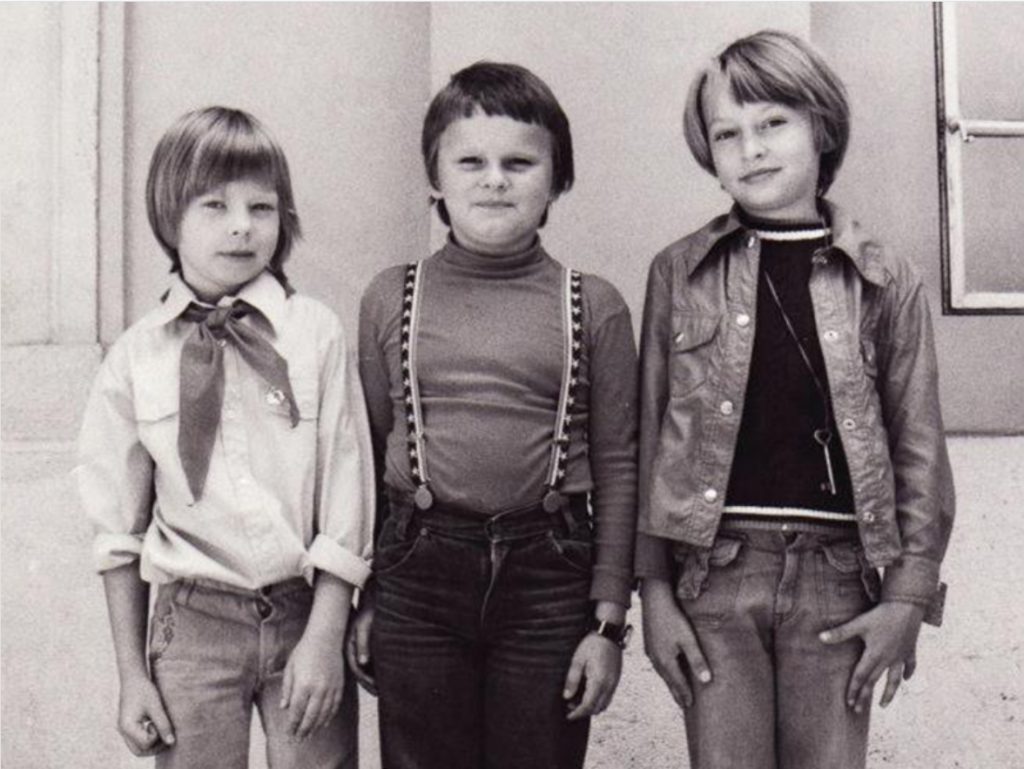
spolužiaci, 1979 (Foto: Peter Procházka)
Teraz otázka na teba, Igor, aké bolo nazeranie na západ v tvojej generácii v 80. rokoch v Bratislave?
I.M.: Neviem to posúdiť zo všeobecného hľadiska. Keď som sa ja dostal prvý krát von, bol som úplne v kŕči. Nevedel som stlačiť gombík na metre a mal som pocit, že jednoducho toto nemôžeme nikdy dobehnúť. Cítil som, že som v defenzíve a že nemám čo doniesť. Čo bolo trochu naopak ako v 60. rokoch. Oni si mysleli, že majú čo expandovať. Ale čím viac som tam, tým viac si myslím, že niečo priniesť môžem.
Akú rolu v tom môže mať naša generačná skúsenosť s dvoma režimami? Môže aj toto byť činiteľ tvojho úspechu v Londýne?
I.M.: Jeden z nich. Ale je ešte veľmi veľa iných parametrov. Vrátim sa k tomu, čo Milota hovorila — je veľa vecí, na ktoré sa môžeš sústrediť, alebo nesústrediť. V zahraničí je všetko nové. Takže prvé, čo urobíš, je to, že sa začneš pozerať na seba. Čo ja vlastne robím? Prečo tu som? A keď si nezvládneš vyriešiť svoju integritu v tom komplikovanom svete, tak sa rozpadneš. Veľakrát počujem na západe slovo ,,drift wood”. Je to drievko, ktoré pláva v oceáne a postupne sa obrusuje. Poznám veľa ľudí, ktorí žijú ako driftéri. Tým, že ten západ je veľmi konzumný, veľmi farebný a vizuálny, čiže na prvý pohľad veľmi zaujímavý, tak ťa môže pohltiť. Ak nemáš niečo vlastné, čo chceš povedať alebo čo chceš robiť, tak to nikdy nedáš dokopy.
A ty si vedel, čo chceš? Čo bol ten moment, keď si si povedal „takto to chcem, toto ma bude baviť”.
I. M.: Ja som stále robil veľa vecí, za ktoré som nedostával žiaden feedback. Architektúra pre mňa bola ako klub. Niečo sme vytvárali, no bolo to len pre nás. Pre ten klub ľudí, ktorí tomu rozumeli. A to ma trápilo. Nemal som kontakt s inými ľuďmi, s inými profesiami a vtedy som zistil, že ma architektúra až tak nebaví. A že je pre mňa oveľa zaujímavejší ten medzipriestor, kde sa stretávajú viacerí. My tento medzipriestor teraz nazývame moderne ,,verejný priestor”. Prvý projekt, ktorý sme robili a realizoval sa v exteriéri, bol verejný park. A vtedy som dostal facku. Vtedy som si uvedomil, že to používajú ľudia, ktorí vedia byť nasraní a majú aj iné názory. V Británii je taký zákon — keď robíš niečo vo verejnom priestore, z verejných peňazí, musíš to konzultovať s verejnosťou. Ja som musel svoje dizajnérske a procesné veci v rámci navrhovania konzultovať so všetkými, ktorí budú používať ten park.
Ako to prebiehalo?
I.M.: Pre mňa dramaticky. A to bol ten moment katarzie, kedy som si uvedomil, že ja vlastne neviem niekomu niečo nadiktovať. A že to, čo robím, nie je dobré, a že to nefunguje. Ja mám napríklad rád ľudí, ktorí majú vkus a akosi prirodzene k nim inklinujem. Ale to ešte neznamená, že budem zlý a odsuniem toho, kto vkus nemá. Často krát má architekt tendenciu presviedčať a snaží sa svet prispôsobiť sebe. Pri tomto projekte som si uvedomil význam pojmu ,,let it be”. Jediné, čo môžem určiť, sú procesy a vkus postupne príde. Keď vtiahneš ľudí do procesu navrhovania, len vtedy pochopia, čo znamená výsledok. Keď ľudia nechápu logiku mesta, nemajú k nemu žiaden vzťah. A musíš tých ľudí aj inšpirovať, nie len pasívne čakať na to, nech sa každý vyjadrí. Najprv musíš prísť ty s niečím, s nejakou témou alebo tézou a ohraničiť diskusiu.
Aká je tvoja metóda?
I.M.: Ja to nazývam ,,parametrické plánovanie miest”. Je mnoho meniteľných vecí. Napríklad ekonómia je parameter, ktorý sa mení z hľadiska času. A niektoré veci sú zasa dané. Chodník je vždy dobrý, ak má päť až sedem metrov. Preto je podľa mňa vytvorenie istého parametrického modelu na základe precedensov jedinou možnosťou. Precedens je dobrá udalosť nejakej zmeny, ktorá je zapísaná v čase. Všetci sa tešíme, lebo sme boli pri tom. To nie je o tom, že niekto rozhodol a vy si vyberte medzi žltým, červeným alebo modrým variantom. My sme boli pri tom, mali sme možnosť rozhodnúť a niekto nás aj inšpiroval. Zákon ti k tomu nemá čo nové povedať, lebo iba vymedzuje niečo, čo treba dodržať. V Británii je úplne iné rozmýšľanie, tam precedens vyhráva, pretože je ,,negotiable”. Musíš presvedčiť všetkých o prípadných dôsledkoch a ten precedens potom posúva dopredu kreatívne riešenia. Vymýšľaš niečo nové, akoby ponad ten zákon, a vyhráš, ak dosiahneš zhodu v diskusii.
Konfrontuješ ,,ducha zákonov“ s reálnymi podmienkami a neustále ho tým vylepšuješ. Vráťme sa však teraz k českej a slovenskej novej vlne. To boli tiež precedensy a Vy, Milota, ste boli pri tom. Ako to skončilo? Vtedy to boli spoločenstvá ľudí, kde sa ten duch obnovoval. Čo sa s nimi stalo?
M. H.: Sú to osamelé osoby, ktoré sa uzavreli, ale ich výsledky stále inšpirujú. Slovenská nová vlna už neexistuje. Tí chalani sú už niekde inde, každý robí úplné blbosti. Ale v tom čase vzniklo niečo, čo bolo solitérne a silné. A to je dôležité. Vždy je tá inšpirácia dôležitá pre druhých, ktorí prídu.
A nebola to skôr slepá cesta?
M.H.: Určite nie. Mení sa doba a nejde vôbec o tých ľudí. Vtedy neboli sociálne siete, a preto sa stretávali na internátoch, v komunite, kde mohli zažiť slobodu, ktorú fotili. A to ostalo. Dôležitá bola ich komunikácia. Ale tá sa neskôr prehupla, lebo prišlo niečo úplne iné. Prišiel koncept. A ten absolútne poprel to, čo tí chalani robili.
I. M.: Keď používali svoje vyjadrovacie znaky a boli spolu, tak som tie kvality chápal. Ale v momente, keď išiel každý svojou cestou a vybral si svoje ,,winning formulas”, veci, o ktorých vedeli, že fungujú, a začali ich rutinne používať ďalej, tak to celé zrazu prestalo fungovať. Skôr tam som ja cítil slepú cestu.
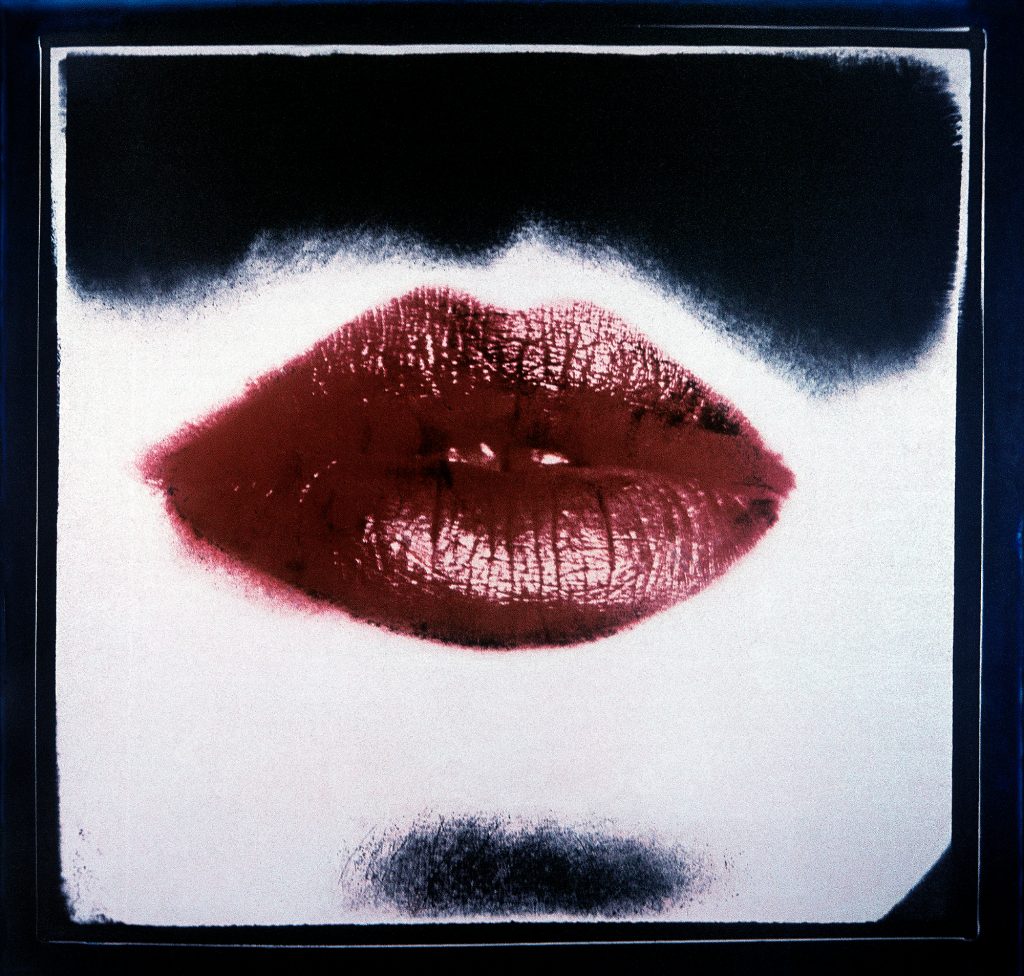
Milota Havránková: z cyklu Mýtus, 1975
Mne sa páči, Milota, že sa stále snažíte posúvať a neostávať v tom, čo sa osvedčilo. V tom, čo má svojich kupcov alebo galeristov…
M.H.: To ani nechcem. Ale samozrejme, že som s tým mala veľký problém. Nikto ma nebral. Nevedeli pochopiť môj obsah a bralo sa to len ako nejaká formálna záležitosť. Ja som vždy vnímala fotografiu naprieč celým umením. Pre mňa bolo dôležité to osobné, čo som zažívala, a vždy som nejakým intuitívnym spôsobom menila veci podľa toho, ako sa to vyvíjalo. Keď som prišla na VŠVU v roku 1991, bol všade koncept a ja som ostala totálne bokom. Kamarátila som sa napríklad s Vladom Kordošom, s Mariánom Mudrochom, ale oni vychádzali z maľby, mali iný základ. Ja som bola fotografka, a tým pádom som bola niekde mimo. Ale neskutočne ma zaujímalo, čo to vlastne je ten koncept a čo sa bude diať.
Ešte by ma zaujímal váš vzťah k dizajnu. Konkrétne k československej scéne 70. a 80. rokov. Koho prácu ste si vážili?
M.H.: Cepka a Cígler boli také dve ikony. Ale oni boli pre mňa ikony preto, že som ich osobne poznala. Boli to podobní ľudia ako ja. Cígler napríklad nikdy nebazíroval na tom, aby jeho študenti robili len sklo. Išiel v línii experimentovania s hranicami svojho média. Ale zároveň bol veľmi silná osobnosť. Ja som bola odsudzovaná za to, že som sa zaujímala o dizajn a hovorili o mne, že asi nerozumiem umeniu, keď ma zaujíma aj móda.
I.M.: Ja si myslím, že inšpirácia dizajnom prichádzala aj z vnútorného prostredia. Napríklad v našom byte nebol nábytok, my sme žili v kulisách. Všetko boli kulisy z fotiek a ja som ako decko chodil po iných domácnostiach a obdivoval fotelky. My sme nemali doma nič. Mali sme len stôl, kde sa lepili fotky. Všetko bolo funkčne prispôsobené k tvorbe, ktorá v tom prostredí prebiehala. Dizajn bol ako vyjadrovacie médium toho, ako sme žili. Naša babka veľa šila a mala tam svoje veci. Milota to hneď chytila a využila ako kulisu, prostriedok k vyjadrovaniu… Alebo u nás napríklad neexistovali dvere.
Provizórium ako forma života a odtiaľ potom tá autenticita. Žili ste vy bohémsky život?
I.M.: Určite nie vedome bohémsky život. Poviem jednu príhodu s fotením. Keď som bol v druhom alebo treťom ročníku na základnej škole, tak bol v škole oznam, že budeme mať spoločné fotenie na dvore. A ja som si vtedy zobral na to fotenie pioniersku rovnošatu. Myslel som si, že sa to patrí a nie že budem rebel. Všetci sú na tej fotografii oblečení pekne, v rifliach a svetríkoch a jediný ja som prišiel z toho ,,bohémskeho prostredia” v pionierskej rovnošate.
M.H.: Ku mne stále chodilo veľa ľudí, pretože ich to prostredie inšpirovalo. Mohol prísť, kto chcel, vyprázdnili mi chladničku a koľkokrát sme nemali potom čo jesť… Dokonca ma raz udali susedia. Keď sme zväčšovali veľké fotky v byte, museli sme si zalepiť okná červeným papierom, aby sme mohli robiť aj cez deň. My sme navyše stále počúvali hudbu. Tak ma udali, lebo si mysleli, že sa u mňa droguje. Prišiel policajt, z národného výboru štyria ľudia, chodili po kuchyni a asi si mysleli, že tam mordujem deti alebo niečo také. Potom zistili, že sa tam nič nedeje, že tam len vyvolávame fotky, tak odišli a nič.
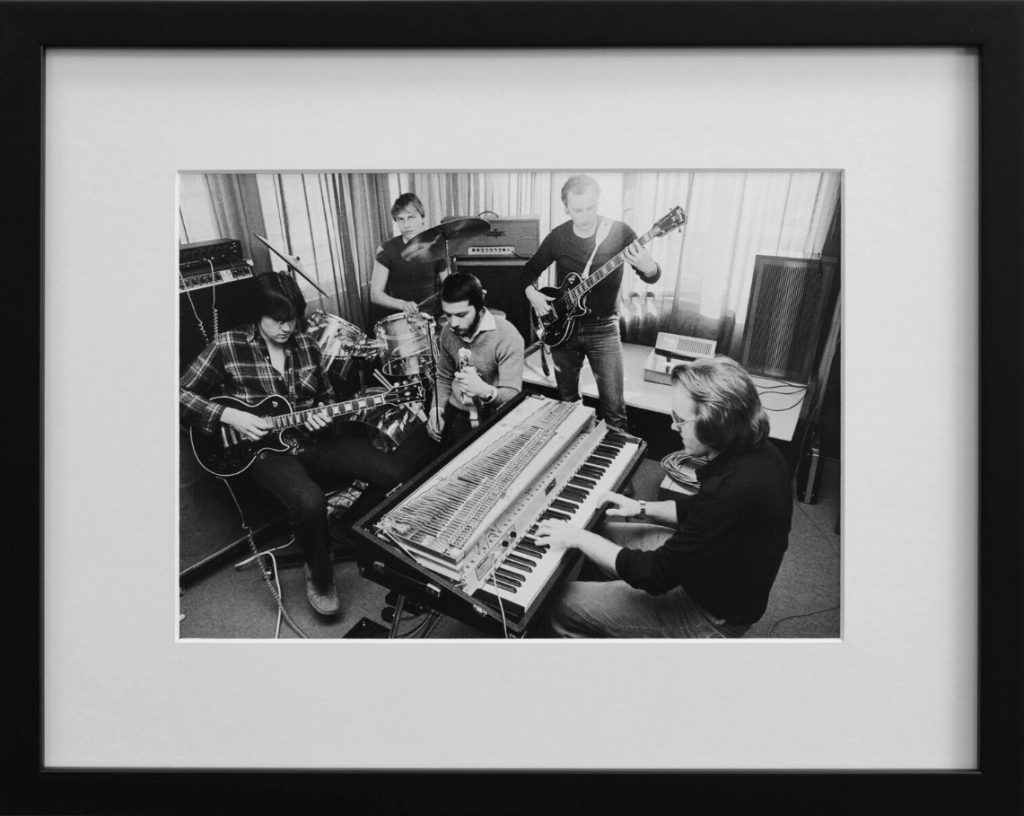
skupina Tagore pri natáčaní filmu Plný čas, 1980
Akú hudbu ste počúvali?
M.H.: Vtedy som sa kamarátila s Vladom Havrilom a počúvali sme Pink Floyd a Beatles. To bola taká kombinácia dosť rozdielnych vecí. Zopár ľudí začalo vtedy hrať podobnú hudbu. Dali sa dokopy, ja som im písala texty a u nás doma sme to potom všetko natáčali.
Nemali ste problémy s režimom?
M.H.: Nejaké vážnejšie nie. To skôr so susedmi. Ale raz mi na výstave zakázali premietať film. To bolo v roku 1978 a bol to môj prvý film. Ale samozrejme, že potom po výstave sa išlo ku mne domov a tam sme to premietli. A nakoniec to bolo ešte lepšie. Lepšia atmosféra. Štbáci nesledovali fotografov, preto všetci chodili ku mne. Ja som im vytvorila azyl. Vôbec ma nezaujímalo, či ma zavrú alebo čo mi urobia.
A na čom sa to po roku 89 rozpadlo?
M.H.: Nič sa nerozpadlo, len sa zmenili niektoré veci. Po roku 1989 som začala učiť na VŠVU. Už som ani nechcela byť ďalej na škole, ale poprosili ma vtedy Karol Ondreička a maliar Ján Berger a nakoniec ma prehovorili, nech to skúsim. Vydržala som tam tri roky a potom som začala učiť na FAMU. Niektorí ľudia na VŠVU nevedeli, kto som. Nepoznali ma tak dobre, ako niektorí konceptualisti. Takí si o mne mysleli, že som kšeftárka, ktorá robí monumentálky. A ja som vtedy nemala potrebu niekoho presviedčať. Jednoducho som išla preč. Ale mala som šťastie, že som stále komunikovala s mladými ľuďmi. Lebo mňa nepresadili žiadni kunsthistorici, o mne stále hovorili študenti.
Na základe čoho si uspel ty, Igor?
I.M.: Ja neviem, či som uspel, ale som šťastný, že robím to, čo ma baví, lebo tam vidím silnú rezonanciu. To sa nedialo, keď som sedel v ateliéri a vytváral niečo na druhú stranu rieky. Samozrejme trápim sa, je to ťažšie, možno aj finančne menej zaujímavé. Ale ten feedback je ohromný. Keď niekde potom prídem a ľudia povedia: ,,To je presne to, čo aj ja cítim a chcem.”
V umení sa veľa hovorí o egách, no zdá sa, že u vás obidvoch je to akoby naopak a za vašimi úspechmi je skôr empatia.
I.M.: Sú dve slová, ktoré sú rôzne deformované a pre mnohých smiešne — veľkorysosť a empatia. Ja nepoznám iný model ľudského tvorivého myslenia. Keď nie je človek veľkorysý, nevie inšpirovať, nemá čím. Keď prídem do Bratislavy na pracovný míting, nič nie je uvoľnené. Všetci sú v kravatách a sú utrápení. Nič nie je radostné. Len, aby sme niečo neposrali… V takom prostredí neexistuje tvorivosť. Aj konferencie sú nastavené tak, že poďme riešiť problém. Aký problém? Ja nepotrebujem riešiť problém. Ja potrebujem prísť, nadchnúť ľudí, aby sa trošku uvoľnili z toho šoku.
Čo najviac oceňujete na fáze života, ktorú prežívate dnes?
I.M.: Budem parafrázovať. Pýtali sa jedného architekta, ktoré letisko na svete je najlepšie? Odpovedal: ,,Heathrow.” A oni sa pýtali: ,,Prečo, veď to je hnusné.” On na to odpovedal:„Potenciál.” A to je niečo, čo sa mi páči.
Milota, čo pre vás znamená staroba?
M.H.: Ja si myslím, že teraz žijem najproduktívnejší a najkrajší vek, aký som, kedy mala. Už nemusím diplomaticky rozmýšľať. Už mi je to jedno. Môžem si povedať, čo chcem. Mám svoju rodinu. Úplne inú kvalitu má zrazu život. Čiže ja som maximálne spokojná. Mám 70 rokov a konečne mám pocit, že nejakým spôsobom sa dostavila aj satisfakcia. Satisfakcia je veľmi dôležitá a potrebuje ju každý človek. Ja hovorím, že keď v živote nedostávate satisfakciu, to je, akoby ste zakaždým vzali trochu jedu. A keď je toho jedu priveľa, tak to nezvládnete.
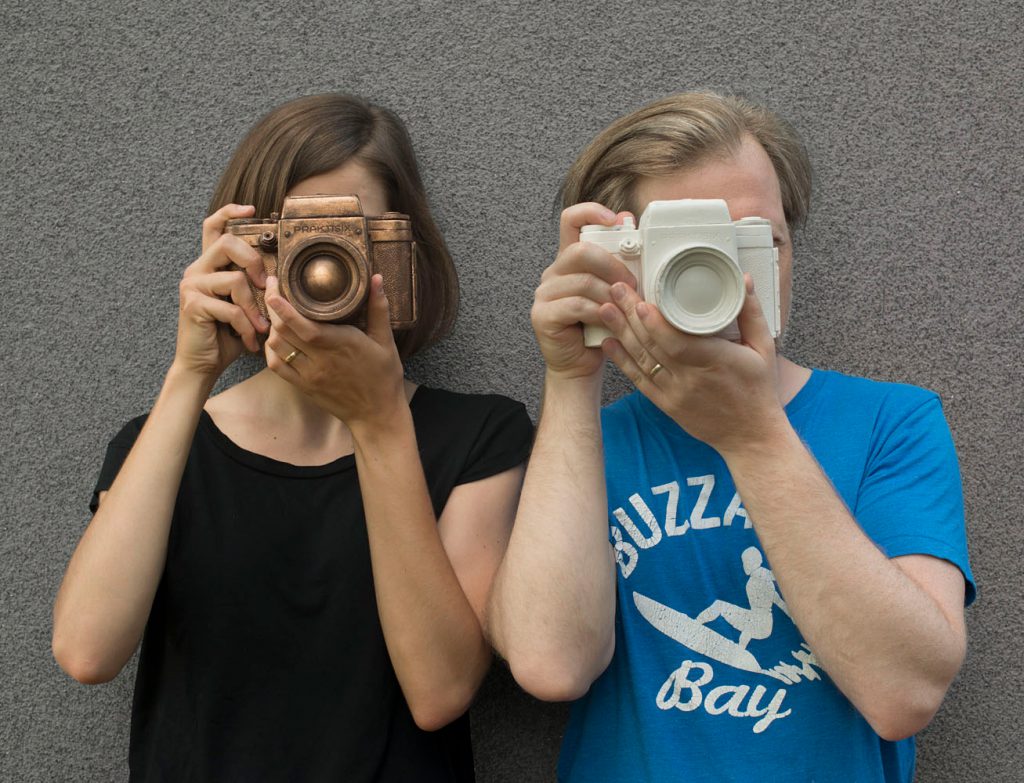
z cyklu Next page, 2014
V akej podobe sa u vás dostavila satisfakcia?
M.H.: Zrazu sa ľudia na mňa dívajú ľudsky. Oceňujú, aká som, je to príjemné.
I.M.: Nie je to oficiálne, nepíše sa o tom v textoch, ale za Milotou prichádzajú ľudia po dlhej dobe. Stretnú sa a povedia ,,bolo to tak”. Alebo povedia, že tomu úplne nerozumeli. Vyjde to z človeka a ty vidíš, že to celý čas chcel povedať, ale žil v nejakom kŕči. To sú tie veci, ktoré ľudsky prebehnú veľmi rýchlo a sú priame.
Máme poslednú otázku: Na čom ste boli naposledy v divadle?
I.M.: Na Stoppardovi (inscenácia Arcadia) a bol to 4-hodinový maratón v SND.
M.H.: Ja som bola na inscenácii Bál podľa Timravy a to bolo veľmi zaujímavé. Uvedomila som si, že ona bola úžasná baba, ktorá bolo progresívna, aj napriek tomu, že bola niekde zastrčená. A že aké dôležité je to, kde sa narodíte, akí ľudia sú okolo vás a kde vás to posunie.
Cover photo: Miro Nota
[:en]From a curb to memory, from the communication breakdown to the role of empathy. we were jointly hopping from one issue to another in the interview with Milota Havránková and Igor Marko.
Fedor Blaščák and Ľubica Hustá
Milota Havránková: z cyklu Oživenie, 1979
We met on Štúrova street, which is around half a kilometre long, but it had been left ripped up for three years until it finally got finished. The result is about six kinds of pavement and yet another urbanist naught. During these three years, Bratislava hosted many different conferences where architects were showing different best practices. Igor, you too gave a speech at such a conference (WhatCity – it took place at the end of January 2016 in the Old Market Hall). What crosses your mind when you come here from London, listen to all these talks about the best practices and then when you come out to the street, you see this?
Igor Marko: Well, I sense the absurdity of it all. When I hear about all the models from different countries and I see people talk about successful projects that should supposedly help us or what, I feel powerless, as I realise their uselessness. There is a huge disproportion between what we listen to or want to listen to and the way how we can put it into practice. The reality is, as you’ve said, destructive. We lack continuity. We patched a piece of the street with something we already know won’t work. But not everybody knows it.
You have your own experience with the Old Bridge when you were a part of the team working on it. It looked very hopeful for a moment, but it turned out like always. What happened?
I.M.: A communication breakdown. Communication doesn’t work here. We couldn’t find a common language on the elementary professional level. It seemed like we were all using completely different languages. Often, when I talk very openly and enthusiastically about the things I find standard and normal when it comes to values, I have a feeling that it’s perceived with zero understanding: “We don’t want this, this is impossible…”
What is it all about?
I.M.: It’s not that I am the good one and they are the evil ones. Look, there are standard procedures we can normally evaluate based on rating, based on technocratic norms, or qualitative tables. For example: you walk on the street and you hardly see a curb that would be longer than five metres. Somebody could even film this never-ending diversity. It’s also the example of this banal curb that makes one realise there is no continuity. There is a curb, then something else and then something completely different stuck to it, or broken, or even damaged. You can extrapolate the cause of this curb and realise that we perpetually experience the trauma of discontinuity.
Either there is continuity, or not. You can’t start building continuity, you can only take it up again.
I.M.: Exactly. To start always anew is part of our historical development, our evolution. We understand why it is so, but at the same time we can‘t put these things together and do something which would be continual and logical. It’s a classic chicken-egg situation: a Pandora‘s box of huge problems is opened and we are sitting at a conference saying to ourselves: right, we know about it… But what to begin with? With this square, or this curb? Or with participation? Should we start tackling the planning or politics? What is the first thing to do? People are thus in the situation where they bicker, because there is no system, no rules. It usually results in individuals creating their own rules based on their subjective observation, their own value system, which is naturally different for everybody.
Right, let‘s take the discontinuity as a mechanism and move elsewhere: so, the question is what to begin with. Milota, in your opinion, wasn’t this a crucial factor which affected the birth of the Slovak conceptual art in the 1960s or the emergence of the Slovak new wave in photography in the 1980s? That is, wasn‘t it precisely the absence of tradition that was behind the great art manifestos we refer to even today?
Milota Havránková: Naturally, forty years behind the bars had to lead to some disruption. The people who were smart with something in their heads couldn‘t do anything else but think freely and create different illusions and ideas. When there is no physical or social continuity, one creates an illusory one made up from ideals. And the scope of ideals is such that it gives courage to people and enables to do great things. A human is not bound by anything and this is where solitary things may arise, even though they can be contradictory. At the same time, I guess, it’s true that having a common enemy makes us more free.
Who was you common enemy when you were studying in Prague in the sixties?
M.H.: I’d say it was a political situation in general, but the fact we were locked up caused that our ideals were even greater and forced us think freely.
Milota, natáčanie filmu Plný čas, 1980
What changed after august 1968?
M.H.: I realised that the only option to survive is not to notice what it looks like around me, but, instead, to work hard on myself. There was no other way. One must first find herself and then go after persistently. I was lucky I did photography that was changing a lot at those times. Although originally I wanted to become a film director, I couldn’t continue after 1968 and I started perceiving photography in the way I can be independent with it. In photography, I could be my own director and do everything by myself.
And what did you decide to go after?
M.H.: I decided for photography where I felt independent. My topic is my closest environment I deeply lived through. It’s my family, my home and people I meet with.
Who were your friends at that time?
M.H.: I had two groups of friends at that time – in Prague and Bratislava. The first were my friends from FAMU (The Film Academy in Prague); it was very strong there. We were reading books of the world classics and absorbing their great ideas. Besides, thanks to the academic milieu we could watch all the surrealist and new wave films. Many of them were forbidden… Or we were visiting flats of prominent people who are now scattered around the world. It was amazing and unique in its own way. In Bratislava, I was active among the young people that were making the university cultural magazine ECHO. When they saw my photos, they immediately found a place for them, right beside the articles about political reality. The magazine was done “on the carpet” at our friend Zeman or at our home, for my husband Ivan Marko did the graphic layout. Paradoxically, my photos fitted in; they were full of tension and expressivity of the time. I also took part in the first symposium of universities organised by ECHO people in Tübingen, where I had my first exhibition in 1965. That was during the period of political détente. The magazine and everything around them was later forbidden and monitored.
Didn‘t you mentally live in the West in the 1960s?
M.H.: We didn’t travel a lot, or it was very hard. It was a strange paradoxical euphoria we lived in. We admired individualities we hardly knew anything about and they were like gods to us. The euphoria was getting so strong we didn’t need to go to the West. Everything was opening here, inside of us. A then came the period of disappointment and everything came to an end.
When one reads about it today in e.g. the director Juráček‘s dairies from 1971 – 1973, one can really see the exposed human suffering live. Nothing goes, everything ended…
M.H.: All my friends left the country and everything looked lost. I shut myself away from society and creative photography helped me get out of my isolation. I found out that photography I was fully immersed in made me feel totally free. On the other hand, classic document, capturing direct truth, was impossible to do. Documentary photographer Jindřich Štreit was arrested for the photos that didn’t cater to their demands. But the works I was doing were closer to a concept of my vision of a sort; many people didn’t take them seriously, so they finished in my desk drawer.
I.M.: I guess photography at that time was not so monitored. It was a new medium, so the space for creativity was a bit more open in comparison with the more traditional ones that the regime censored as if from habit.
M.H.: It was somehow more open. There were first signals of shifting toward digital. I felt it already in the 70s that the medium was going to change. That’s why I wanted to know it thoroughly. From the technological point of view, too.
And how did you set yourself up then in the 70s?
M.H.: Naturally, it was desperation, but I was lucky. I met Brimich from ŠUP – he was a director of the Secondary School of Applied Arts from 1964 – 1983 – who told me: „Milota, you have to come and teach at once.“ They needed somebody with a university degree. Somewhere there were the roots of the Slovak new wave. I was excited about the medium after my studies at FAMU, doing various experiments with my students, e.g. American retouch or other things. I was verifying many things with them. You know, the whole photography department was in a terrible state. There were teachers like Sedílek and Absolón. Absolón was maybe good at teaching how to weigh chemicals and Sedílek was taking sport pictures at stadiums. When I came to the school, I was visiting different departments to see what they were doing. The decorating department was painting surfaces, the textile department was making quilts. I had given a lot of thought to the way how to teach. I told myself we were going to spend the first year closed in the darkroom. I gave them 100 paper sheets and showed how to work with an enlarger. They were illuminating; I was teaching them how to perceive the world and things around trying out different expositions and other parameters, through a photogram and appropriate play. Based on those grey sheets, I explained them what a blackening curve is. All this was very relaxing for my students. Štrba (Slovak camera operator) in some interview said he remembered when he had studied under me, how they had been touching things and getting under their surface at the same time. I felt a great satisfaction.
I.M.: Now that we’re talking about touching the space, I see a parallel with our discussion on the dysfunctional communication. We can’t communicate complex issues with open public. I would appreciate communication about fundamental things that form the content and character of space, place and a city. About the sound and temperature of streets, about darkness in the city, about the sensation of pavements… Ordinary things sometimes make a huge difference. The things is to learn how to work with them. How to move things forward in subtleties. Also in the situation when everybody wants to create something often without understanding simple principles. For example, why a pavement should be wide in one place and narrow in another. It is not only a superficial engineering logic, there is also psychology and long-time research, but it’s not discussed. We are losing our authentic relationship with our environment and therefore losing the ability to understand it.
The goal should be the predictability of the result. People experiment, people play, but it’s a game with rules.
M.H.: Just like architecture, photography has its rules, too. The ones we have to feel, touch and understand. We need to know the medium. For example, I was making negatives with my students. At the time, nobody understood why I was doing it. There are many impulses that we don’t have to understand at once, but they may later find us. We only have to be ready for them.
spolužiaci, 1979 (Foto: Peter Procházka)
Igor, now a question for you: what was the attitude towards the West in you generation of the 1980s in Bratislava?
I.M.: I can’t judge it from a general point of view. When I first got abroad, I was absolutely perplexed. I couldn’t push the button in the tube and I felt we could never catch up with this. I had a feeling I was defensive and that I had nothing to offer. This was a bit vice-versa in the 1960s. The thought they’d had something to expand with. But the more I am there, the more I think I have something to offer.
What role does your generational experience with both regimes have in it? Could it be that this can also be a factor of your success in London?
I.M.: One of them. But there are many more other parameters. I’ll come back to what Milota was saying – there are many things you can focus or not focus on. Everything is new abroad. So the first thing you do is to look at yourself. What is it that I’m actually doing? Why am I here? And when you can’t sort your integrity in this complicated world, you will fall apart. I keep hearing the word “drift wood”. It is a piece of wood swimming in the ocean wearing away step by step. I know many people who live like drifters. The West can engulf you with its consumerism, colourfulness and visual appeal, as they are interesting at first sight. If you don’t have something of your own you want to say or do, you’ll never put it together and pull it off.
And did you know what you wanted? When was the moment when you said to yourself: “this is what I want, I will enjoy this.”
I.M.: I was always doing many things I didn’t get any feedback to. Architecture was like a club for me. We were making something, but it was only for us. For the club of people who understood it. It upset me. I wasn’t in touch with other people, other professions and then I found out that I didn’t enjoy architecture so much. I found out that the in-between space where more people could meet is interests me much more. This in-between space has now a modern name – “public space”. The first project we did and was carried out in the exterior was a public park. And then I got a slap. I started to realise it would be used by the people who can be angry and have different opinions, too. There is a law in Britain when you do something in public space, for public money, you need to consult it with the public. I had to consult my designer’s and procedural things with everybody who would use the park and mainly, I had to explain which decision gives something to one group while taking something from another. I can’t join this process with a feeling that I must push something through. Otherwise, I wouldn’t be able to listen to the others and learn from them.
How did it go?
I.M.: For me it was dramatic. This was the moment of catharsis when I realised I couldn’t dictate anything to anybody. And that the things I do are not good and it doesn’t work. I like people with a good taste; I incline to them somehow naturally. But it doesn’t mean I should be mean and put a person without it aside. Architects often tend to convince and try to accommodate the world to themselves. This project made me understand the meaning of the expression “let it be”. The only thing I can determine are the processes, the taste will continually follow. You draw some people into the process of designing, and only then they will understand what a result means. When people don’t understand the logic of a city, they don’t have any relationship with it. And you also have to inspire those people, not just passively wait until everybody expresses themselves. First, you must bring something, some topic, or thesis and limit the discussion.
What is your method?
I.M.: I call it “parametrical planning of cities”. There are many variable things. For instance, the economy is a parameter that varies from the point of view of time. On the other hand, some things are fixed and they are in minority. A pavement is always good when it’s five to seven metres wide. In my opinion, making of a certain parametrical model based on precedents is the only option. A precedent is a good event of some change inscribed in time. You know, we are pleased because we were there. It’s not that someone took a decision and your task is only to choose between yellow, red and blue variant. We were there, we had a chance to take a decision and somebody inspired us. The law has nothing new to tell you, as it just defines something that has to be observed. Great Britain has a totally different thinking, the precedent wins there, as it’s negotiable. You must convince everybody about the potential consequences and then the precedent moves creative solutions forward. So, you are devising something new as if beyond that law and you win if you reach a consensus in the discussion.
So you confront “the spirit of the laws” with real conditions, thus perpetually improving it. Let’s come back to the Czech and Slovak new wave. They, too, were precedents and you, Milota, were there. How did it all end? There used to be communities of people where the spirit was renewed. What happened to them?
M.H.: They are individual creative personalities who may be a bit more introvert today, but their results are still inspiring. The Slovak new wave exists no longer. Those boys are already somewhere else, but each of them still does the things where you can feel the DNA of their early period. What’s important is that this period encouraged future generations. The inspiration is always important for those who will come after.
And wasn’t it just a dead-end street?
M.H.: Surely not. The time is changing. Back then, there were no social networks, no digital technologies, or technologies coming up with something completely different. The Slovak new wave is a real wave with its peak and its ebb.
I.M.: When they were using their own signs of expression, I understood those qualities. But the very moment each of them took their own path and chose their own “winning formulas”, i. e. things they knew were working and they started using them on a day-to-day basis, it all stopped working. This was more like a dead-end to me, I’d say.
Milota Havránková: z cyklu Mýtus, 1975
Milota, I like that you still try to move forward and not rest in the proven things. In the things that have their buyers or art dealers…
M.H.: Everything is a road and we set it up, so it‘s only up to us how we manage it. That’s how it is.
I would also like to know your opinion about design. Particularly about the Czechoslovak scene of the 70s and 80s. Whose works did you respect?
M.H.: Cepka and Cígler were such two icons. But they were icons for me, as I knew them in person. They were similar to me. Cígler, for instance, never insisted on his students working only with glass. He took the line of experimenting with the boundaries of his medium. At the same time, he was a very strong personality. I have always been interested in design, I saw it as an open space of life style belonging to people who can perceive themselves in it.
I.M.: I think that my inspiration by design came from the interior environment. For instance, there was no furniture in our flat, we were living in a scenery. Everything was covered with photos and when I was visiting other households as a child, I was admiring armchairs. We didn’t have anything at home. We only had a table where photos were to be stuck. Everything was functionally adjusted for artistic creation. Design was like a medium of expression of our way of life. Our grandmother was sewing a lot and had her things there. Milota grasped them right away and used as a background, as means of expression… Or, for instance, we didn’t have any doors at home.
Provisional arrangement as a form of life and the authenticity coming out of it. Did you live a Bohemian lifestyle?
I.M.: It was surely not a conscious bohemian life. I’ll tell you a story with a picture-shooting session. When I was in the 2nd or 3rd grade at the elementary school, there was an announcement about this all-class photo session on the yard. I took my pioneer uniform for that photo session, because I thought it was appropriate, not that I would be a rebel. Everybody was wearing nice jeans and sweaters and it was just me from that “bohemian milieu” who came in the pioneer uniform.
M.H.: Everybody was visiting me, because they were inspired by the environment. Anybody could come, sometimes they would clear my fridge and we wouldn’t have anything to eat… There was a case that my neighbours reported me. When we were enlarging large-sized photos in the flat, we had to seal up the windows with red paper, so that we could do it during the day, too. We were always listening to music on the top of it all. They reported me, because they thought we were doing drugs. There came a police officer, four people from the municipality, they were walking around the kitchen thinking that I butcher children or something like that. After finding out there was nothing happening but enlarging photos, they left and that was it.
skupina Tagore pri natáčaní filmu Plný čas, 1980
What music did you listen to?
M.H.: I was friends with Vlado Havrila and we listened to Pink Floyd and Beatles. It was a mix of quite different things. A couple of people started playing similar music at that time. They got together, I was writing lyrics for them and then we were shooting it all at our place.
Didn’t you have problems with the regime?
M.H.: No. At least, not serious. I had more problems with my neighbours. Once I was forbidden to screen my film at an exhibition, because they didn’t like the sea star, as they saw some kind of a provocation in it. It was in 1978, my first film. Nothing happened After the exhibition we went to ours and screened it there four times in a row. There were more people, so it was better in the end. We didn’t have any furniture, everybody was lying or sitting on the ground. The children were constantly opening the door, because somebody was always coming or leaving. I remember my daughter welcome me with the words: “the last thing we needed was you all.” The agents didn’t keep track of photographers, that’s why everybody was coming to mine. I made them an asylum. I didn’t care a bit about getting to jail or about what they could do to me.
What made it collapse after 1989?
M.H.: Nothing collapsed, only some things changed. After 1989, I started teaching at VŠVU and later at FAMU. I worked a lot. I was giving a lot, but getting little in return, as I didn’t follow trends, staying faithful only to myself. Art historians ignored me. I was too visual and commercial for many people, because I liked fashion and design. I was taking photos of pictures, glass, fashion, monumental sculptures and many other things. Besides, I was doing “free art” (fine arts) and I wouldn’t be able to exist without it. I hardly slept at that time and my private life started falling apart. My students and my children loved me; they were the ones that supported me.
What about your success story, Igor?
I.M.: I don’t know if I am a success story, but I’m happy to do something I enjoy, because I see there a strong resonance. Which didn’t take place when I was sitting in the studio creating something for the other side of the river. Of course, I worry, it is harder, maybe even financially less attractive. But the feedback is astonishing. When I come somewhere and people say: “this is exactly what I feel and want.”
In art, there is a lot of talk about egos, but it seems quite contrary when looking at you two. Your success appears to be due to empathy.
I.M.: There are two words that are deformed in various ways and may sound funny for many people: broad-mindedness and empathy. I don’t know any other model of human creative thinking. When people aren’t broad-minded, they can’t inspire, there is nothing to inspire with. When I come to Bratislava for a work meeting, nothing is relaxed. Everybody is suited up and troubled. Nothing is joyful. Let’s hope we do not screw anything up… There is no creativity in such environment. Even conferences are set up to solve a problem. What problem? I don’t want to solve a problem. I want to come, inspire people and make them a bit relaxed after the shock.
What do you appreciate about the stage of live you are going through right now?
I.M.: I will paraphrase. An architect was asked which airport in the world was the best one. He said: “Heathrow.“ And they asked: “Why? It’s hideous.“ And he answered: “Potential.“ And that’s something I like.
Milota, what does old age mean for you?
M.H.: I think I am living the most productive and beautiful age I have ever had. I don’t have to think diplomatically. I don’t care any more. I can say what I want, my experience has enriched me. I have my perfect children and a totally different quality of life. I am fully satisfied. I am 71 years old and, finally, I feel that somehow I found satisfaction. Satisfaction is very crucial; everybody needs it. I say that when you don’t get satisfaction in life, it is as if you took a bit of poison every time. And when it’s too much of it, you can’t handle it.
z cyklu Next page, 2014
What form does your satisfaction take?
M.H.: People are suddenly looking at me with human eyes. They appreciate me for what I am, it’s pleasant.
I.M.: It’s not official, you can’t find it in texts, but people come to visit Milota after a long time. They meet and say: “it was like this“. Or they say that they didn’t quite understand it. It slips out of the person and you see that they’d wanted to say it all the time, but they lived in a sort of a spasm. These are the things that happen very quickly, they are human and direct.
Our last question is: what did you last see in a theatre?
I.M.: Stoppard’s Arcadia and it was a four-hour marathon in the Slovak National Theatre. I couldn’t concentrate, I had a pain in my buttocks.
M.H.: I went to see Bál (Ball) by Slovak writer Timrava and it was very interesting. I got to realise that she was a great girl who was progressive despite living somewhere in a godforsaken place. And also, how important is the place where you’re born, what people are around you and where it takes you.
Cover photo: Miro Nota
[:]