[:sk]Rozhovor / TOTALITY IN PARTS. Nová scénografia Petra Biľaka.[:en]Interview / TOTALITY IN PARTS. New Peter Biľak’s stage design.[:]
[:sk]O Petrovi Biľakovi sa u nás hovorí hlavne ako o grafickom dizajnérovi, editorovi či tvorcovi úspešných rodín písiem. Menej sa hovorí o jeho práci scénografa. Aktuálne prebehla premiéra tanečného predstavenia v podaní švédskeho kráľovského baletu Totality in Parts v Kráľovskej opere v Štoklholme, na ktorom ako scénograf spolupracoval. Okrem neho (a mnohých ďalších) sa na ňom podieľal aj tanečník a choreograf Lukáš Timulák. Spolu s Petrom Biľakom už majú za sebou viac výrazných predstavení a ich spolupráca sa rozrastá aj novými smermi.
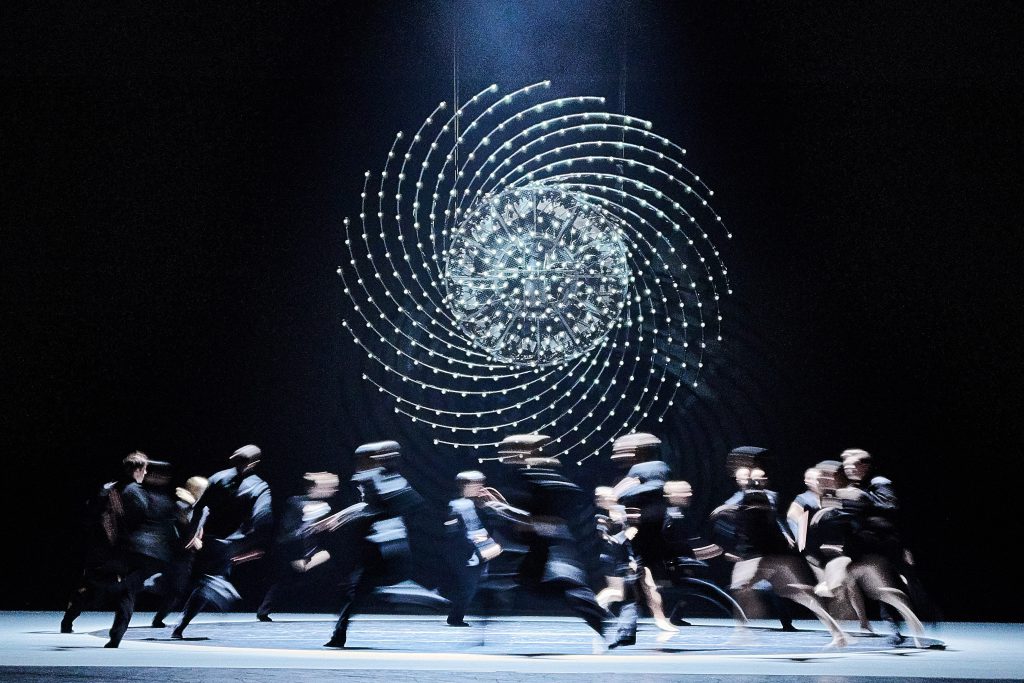
Foto: Peter Biľak
Máš za sebou ďalšiu premiéru tanečného predstavenia Totality in Parts. Tentokrát v Švédsku. Ako by si predstavil koncept tvojej aktuálnej scénografie?
Pri živých predstaveniach je vždy problém doniesť a použiť fyzické kulisy na javisku, pretože sa nedajú jednoducho odstrániť. Preto som navrhol prvok, ktorý sa dá využiť rôznymi spôsobmi, ktorý je úplne integrovaný do predstavenia (Lukáš Timulák vymyslel choreografiu až po tom, ako som urobil návrh svetelného objektu), a ktorý sa vyvíja spolu s tancom. Práve pomocou svetla dokážeme ľudí prekvapiť objektom, ktorý sa neustále mení.
Najvýraznejším prvkom v minimalistickej scéne je svetelná špirála. Svetelný dizajn robil Tom Visser. Už ste spolu robili? S akými technológiami si/ste pracovali?
Ten objekt je skutočná tímová práca. Ja som urobil prvotný model a potom museli technici a konštruktéri domyslieť ako sa bude mechanicky správať. Ten objekt má totiž už 6 metrov v priemere keď je zavretý a počas predstavenia sa mechanicky otvára až do priemeru 8m. Čiže je tam veľa konštrukčných vecí, ktoré sme museli spolu doriešiť. A potom je tam 512 halogénových žiaroviek, ktoré sú všetky jednotlivo kontrolované. Použili sme vyše 6km káblov na to, aby sme to mohli kontrolovať cez jednoduchý DMX protokol, čo používa Tom Visser, náš svetelný dizajnér. Tom si dopredu vytvoril vizualizácie v 3D programe (Grand MA), teda skôr ako objekt existoval, a potom sme už skúšali na živo, čo funguje najlepšie.
Všetky predstavenia sú samozrejme kolektívne diela. Tvojim stabilným spolupracovníkom je dlhodobo tanečník a choreograf Lukáš Timulák. Čo najviac podľa teba vystihuje vašu spoluprácu? A kam sa to posunulo za tie roky?
Je to úplná dôvera medzi nami. Tá nám pomáha skúšať nové veci. A aj to, že každý projekt začína od nuly, a my diskutujeme o tom, čo môžeme urobiť, čo sa nedá urobiť inde, a inokedy. Každé divadlo, alebo prostredie umožňuje iné veci.
Nedávno sme založili našu nadáciu http://make-move-think.org kde robíme aj veci, čo presahujú definíciu moderného tanca. Napríklad toto leto sme robili na inštalácii pre otvorenie Bienále architektúry v Benátkach.
http://make-move-think.org/projects/cosmogonia-mundi
http://make-move-think.org/projects/totality-in-parts
Pôvodne a hlavne si grafický dizajnér a tvorca písma. Ak by si mal porovnať seba ako scénografa a grafického dizajnéra, čo by si povedal?
Moje spektrum práce je pomerne široké, média a témy sa menia, ale vždy ide o to, aby som vytvoril niečo relevantné a hodnotné pre obecenstvo s ktorým pracujem.
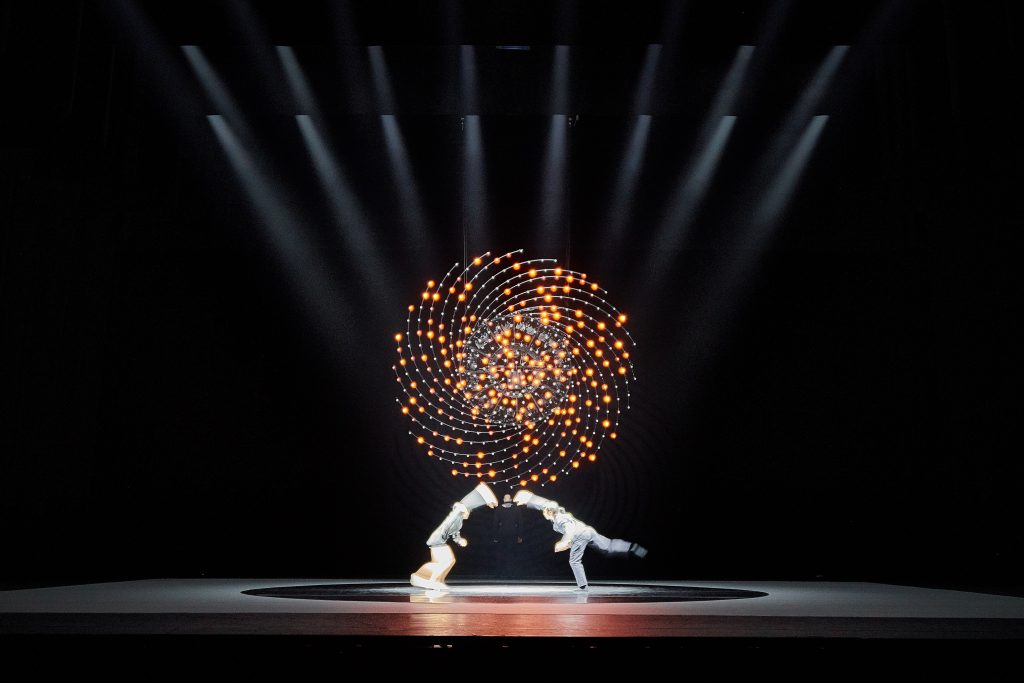
Foto: Peter Biľak
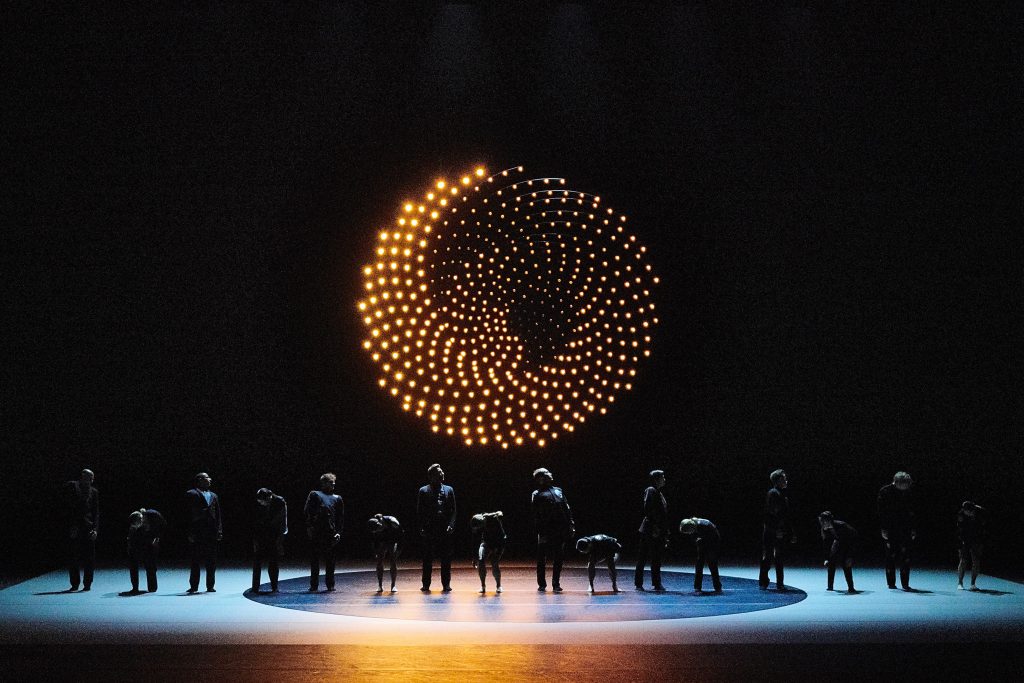
Foto: Peter Biľak
Totality in Parts, Kráľovská opera Štokholm, Kungliga Operan
Premiéra: 2. november 2018
Choreografia: Lukas Timulak
Scénografia: Peter Bilak
Hudba: Hauschka
Svetelný dizajn: Tom Visser
Kostýmy: Annemarije van Harten
Asistenti choreografa: Hlin Diego Hjalmarsdottir & Fabien Voranger
Tanečníci: Royal Swedish Ballet pod vedením Nicolas Le Riche
[:en]Peter Biľak is mentioned primarily in connection with graphic design, editing or making successful typeface families. Less is said about his work as a stage designer. With this face of his he partook in the just premiered dance performance of the Swedish royal ballet Totality in Parts in the Stockholm’s Kungliga Opera. Apart from him (and many others), one of the cooperating dancers and choreographers was also Lukáš Timulák. Having worked together on more expressive performances, Lukáš’s and Peter’s collaboration has taken new trajectories.
Photo: Peter Biľak
So the new dance performance Totality in Parts, this time in Sweden, has just had a premiere. How would you present the concept of your new stage design?
It’s always a problem to bring and use physical sets on stage in live performances, as they can’t be simply taken away. That’s why I designed an element to be used in multiple ways; it’s fully integrated in the performance (Lukáš Timulák came up with choreography only after I’d made the design of the light object) and it develops with dancing. It’s through light that we can surprise people with an ever-changing object.
The boldest part of the minimalist scene is a light spiral. The light design was made by Tom Visser. Was it your first cooperation with him? What technologies did you (both) use?
The object is a true team work. I made a rough model and then the technicians and constructors had to figure out how it would work mechanically. The thing is that the object is six metres in diameter when it’s closed and it mechanically opens to the diameter of up to eight metres. So there are a lot of construction details we had to think of. And then there are 512 halogen bulbs, each of them controlled separately. We used more than six kilometres of cables to handle it via a single DMX protocol used by Tom Visser, our light designer. Tom had created visualisations in a 3D application (Grand MA) beforehand, that is before the object existed in reality, and then we were trying out what works best on the go.
Naturally, all your performances are collective works. Your stable and long-term co-worker is Lukáš Timulák. What would be the best description of your cooperation in your opinion? And where did it move on?
It’s a complete mutual trust that helps us try new things out. And also that each project is built from scratch, full of discussions what can be done, what can’t be done elsewhere and some other time. Each theatre or environment enable different things.
We have recently set up our foundation http://make-move-think.org where we work on things going beyond the definition of modern dance. For example, this summer we were working on the opening installation of the Venice Biennale of Architecture.
http://make-move-think.org/projects/cosmogonia-mundi
http://make-move-think.org/projects/totality-in-parts
You are originally and mainly a graphic designer and a typographer. If you had to compare yourself as a set designer and a graphic designer, what would you say?
My professional spectrum is quite broad, media and topics change, but it’s always about making something relevant and valuable for the public I work with.
Photo: Peter Biľak
Photo: Peter Biľak
Totality in Parts, Kungliga Operan
Premiere: 2nd November 2018
Choreography: Lukas Timulak
Set design: Peter Bilak
Music: Hauschka
Light design: Tom Visser
Costume design: Annemarije van Harten
Assistant choreographers: Hlin Diego Hjalmarsdottir & Fabien Voranger
Dancers: Royal Swedish Ballet under the lead of Nicolas Le Riche
[:]