[:sk]Konfrontácie / MESTO_MODERNITA[:en]Confrontations / CITY_MODERNITY[:]
[:sk]Jednotlivé texty série pozostávajú zo vzájomnej konfrontácie slov – Mesto, Mýtus, Modernita, Bazén. Vzájomnou konfrontáciou dvojíc slov nejde o potvrdenie jednoznačných vzťahov, harmonického celku, ale hľadanie možných nezhôd. Konfrontáciou sa zužuje široká škála ich jednotlivých významov.[:en]The individual texts of the series consist of a juxtaposition of words - City, Myth, Modernity, Pool. The mutual confrontation of pairs of words is not about confirming unambiguous relations, a harmonious whole, but about searching for possible disagreements. The confrontation narrows the wide range of their individual meanings.[:]
[:sk]
Základným dokumentom, ktorý oficiálne ukotvuje modernistický (funkcionalistický) prístupu k mestám je Aténska charta, dokument vyprodukovaný štvrtým CIAMom odohrávajúcim sa na parníku Patris počas plavby medzi Marseille a Aténami.
CIAM IV (Congrès International d’Architecture Moderne) patrí do druhej fázy konferencií CIAM (Kenneth Frampton), ktorá sa datuje medzi rokmi 1933-1947 a dominoval jej Le Corbusier. Dôraz kongresov v týchto rokoch bol kladený najmä na urbanizmus. Štvrtému CIAMu predchádzala komparatívna analýza 34 európskych miest a jeho výsledkom bola Aténska charta, dokument publikovaný až o desaťročie neskôr. Témou bolo „Funkcionalistické mesto“. Reyner Banham sa o Charte vyjadril ako o „najolympickejšom, najrétorickejšom a najdeštruktívnejšom“ dokumente, ktorý CIAM kedy vyprodukoval.[1]
Dokument tvorí 111 článkov, časť ktorých tvoria pozorovania o stave miest a časť naväzujúce požiadavky na opravu týchto situácií. Všetky články sú rozdelené do piatich základných kapitol, zodpovedajúcich predstave o tom, čo je „funkcionalistické mesto“: bývanie, voľný čas, práca, infraštruktúra/ cirkulácia a historické dedičstvo miest.
Aténskej charte je vyčítaná jej dogmatickosť, všeobecnosť aplikovateľnosti, ktorá zakrýva oklieštenú koncepciu ako architektúry, tak aj urbanizmu. Hovorí o rigidnej zonifikácii mesta (5 kapitol) so zelenými pásmi medzi funkčne odlišnými plochami a predstavuje jediný typ sociálneho bývania – vysoké bloky, tam kde je potreba veľkej hustoty obyvateľstva. Za dôsledok tohto typologického ochudobnenia sa pripisuje aj pozastavenie ďalšieho skúmania iných typov bývania.[2]
Aj keď boli pôvodné radikálne požiadavky Charty postupne opustené, funkcionalizmus si zachovával svoju platnosť. Idealizmus štvrtého CIAMu viedol k neskorším generačným rozporom členov kongresu. Mladšia generácia nesúhlasila s prístupom a chápaním komplexity povojnovej situácie miest tej staršej. Spochybnili 4 funkcionalistické kategórie Aténskej charty (bývanie, voľný čas, práca a cirkulácia). V posledne tretej fáze prevážila snaha prekonať „abstraktnú sterilitu“ funkcionalistického/funkčného mesta ideou tvorby prostredia uspokojujúceho emocionálne aj materiálne potreby obyvateľov. Témou CIAMu VIII bolo „Jadro – Srdce mesta“, reagujúc na manifest z roku 1943 Giediona, Serta a Légera –„Ľudia chcú aby budovy reprezentovali ich osobný aj verejný život viac ako len obyčajné funkčné uspokojenie. Chcú uspokojenie potrieb monumentality, radosti, hrdosti a entuziazmu.“[3]
Namiesto ďalšej abstraktnej alternatívy hľadali štrukturálne princípy miest. Snažili sa ponúknuť alternatívu odpovedajúcu na potrebu identifikácie (základná emocionálna potreba). Zdôrazňovali hodnotu susedstva, pretože človek sa vie lepšie identifikovať so svojim bezprostredným okolím (domov, ulica,…) ako s mestom ako celkom. Snažili sa hľadať vzťah medzi fyzickou formou a socio-psychologickými potrebami.
Nové mesto
V úvodnom texte Aténskej charty sa hovorí o mestách príliš preplnených, znečistených, chaotických, hlučných. Riešením je separácia funkcií do rozličných zón (bývanie, rekreácia, práca, doprava, pričom jednotlivé spôsoby dopravy sú tiež separátne). Diverzifikácia neprebieha len horizontálne, ale aj vertikálne. Bývanie je situované do horných podlaží, a preto môže byť parter uvoľnený pre rekreáciu a dopravu, kolektívne priestory.
Mestá mali byť lineárne, otvorené, čisté, viac rovnostárske, budované od podlahy, od začiatku. Z časti to odzrkadľovalo prirodzenú situácii po vojne, zčasti im šlo naozaj o strhnutie všetkého dolu a začatia odznova. Modernistické (funkcionalistické) mesto je plánom ako postaviť nové mesto.
„Alchymistický prísľub modernizmu – premeniť kvantitu v kvalitu prostredníctvom abstrakcie a opakovania – sa ukázal ako úplné zlyhanie a blamáž: kúzlo, ktoré sa nepodarilo. Myšlienky, estetika aj stratégie modernizmu sa vyčerpali. Všetky pokusy o nový začiatok vo svojom súhrne ideu nového začiatku len zdiskreditovaly.“[4]
Toto funkcionalistické nové mesto je predobrazom toho čo teraz nazývame aj urbanizácia. Urbanizácia, podľa definície Cerdá z jeho knihy General Theory of Urbanization z roku 1867, je „zoskupenie obytných buniek spojených dokopy fenoménom mobility“[5]. Je to generické prostredie absolútneho individualizmu založeného na nadvláde mobility. Súvisí to s prímom rozvoja infraštruktúry ako základu mesta. To je výsledkom ekonomického vývoja, keď sú sociálne aspekty podriadené cyklu produkcie a spotreby.
Vymedzením sa voči funkcionalistickému mestu (nové mesto, urbanizácia) bola už aj bezprostredná reakcia Teamu X (ktorý sa sformoval z mladšej generácie CIAMu). Požadovali návrat k mestskosti, nájdenej realite a lokálnemu kontextu v snahe znásobiť pocit miesta. Realitu nevideli ako „idealizovanú utópiu geometrických kompozícií“[6] navrhovanú prvou generáciou modernistov. Podľa nich mali byť existujúce vzorce mestského tkaniva transformované, nie byť odstránené a nahradené niečim novým. Nahradili funkcionalistické zóny za elementy pocitu miesta, založených na hierarchii ľudskej asociácie – dom, ulica, štvrť, mesto.
„Do konca 20. storočia, to, čo bolo známe ako mesto sa rozplynulo do generického mora urbanizácie.“[7]
Urbanizácia a mesto
Proti konceptu urbs stavia Aureli koncept civitas. Dialektickú dvojicu urbs/ civitas – urbanizácia/ mesto spája aj s konceptom politickosti. Ak je je urbs odrazom odpolitizovania mesta a prevahy ekonómie, civitas je o rozvíjaní občianskej (mestskej) spoločnosti. Aureli tvrdí, že v minulosti bolo mesto dejiskom politickej debaty a triedneho konfliktu, kdežto teraz odpovedá na apolitickú demokraciu ovplyvnenú trhom.
Koncepty urbs a civitas by mali vlastne existovať súbežne, ako vyvážené faktory mesta, ako protikladné spôsoby ľudského obývania. Opozície civitas/ urb, mesto/ urbanizácia (singular act/ grid) reprezentujú dichotómiu občan/ individuum (jednotlivec). Občan vedome participuje (zučastňuje sa) na kolektívnom spôsobe života. Jednotlivec obýva urbanizáciu sledujúc vlastné ciele, seba uspokojenie a mobilitu, bez ohľadu na kolektívny aspekt obývania mesta, vyžadujúci zodpovednosť a konfrontáciu.[8]
„Všadeprítomná urbanizácia zmenila podmienky mestského života na nepoznanie. Ucelené mesto prestalo existovať. Koncept mesta sa deformuje a bezprecedentne rozširuje, akékoľvek trvanie na jeho prvotných podmienkach – v zmysle vzhľadu, pravidiel, utvárania – tak vedie nevyhnutnou cestou cez nostlagiu k bezvýznamnosti.“[9]
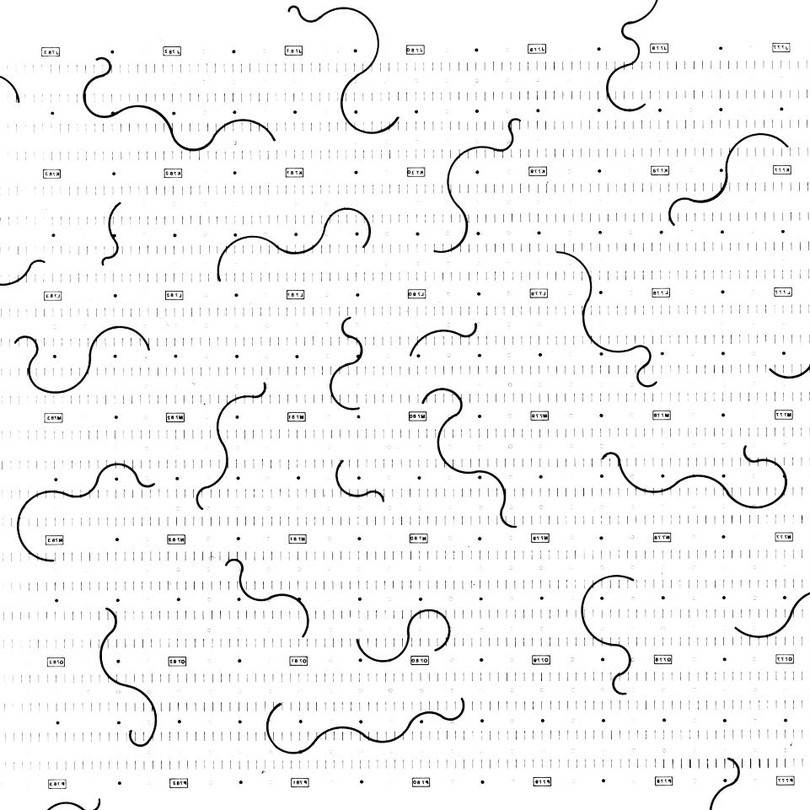
Archizoom Associati: No-stop City, 1969, zdroj: memento.epfl.ch
Politické mesto
Triumf ekonomických faktorov nad politickými vo vývoji mesta, dôraz na infraštruktúru, reprezentujú spoločnosť globalizácie a networku. Možné konfilkty v meste sú rušené kvôli hladkej prevádzke, konfrontácia je degradovaná na konsenzus. Politickosť, ako taká, je podľa Chantal Mouffe a jej teórie agonizmu, rozhodovaním sa medzi konfliktnými alternatívami. Mesto má poskytovať heterogenitu, možnosť názorovej plurality a verejný priestor pre ich konfrontáciu, nie vymazanie.
Narážkou na stratu mesta je aj projekt talianského zoskupenia Archizoom Associates, No-stop city z roku 1969. Zbavili mesto akejkoľvek artikulácie, formálnych, kompozičných problémov, akejkoľvek kvality. Mesto v ktorom absentujú „agresívne štruktúry architektúry“[10] a vlastne absentuje aj mesto. Množina jednotlivých predstáv, ktorou mesto bolo, sa stala jednou veľkou kontinuálnou a univerzálnou predstavou. Mesto vymenila nekonečná homogénna štruktúra pozostávajúca z obytných parkovacích miest, skadov, hygienických zariadení a banánov.
Ak je architektonická forma hranicou konfrontácie rôznych názorov, tak No-stop city vymazáva politickosť mesta vymazaním architektúry. Mesto sa rozplynulo v jednom definitívnom názore. Nastala trvalá hegemónia jednej predstavy. Zmizlo mesto ako „suma jednotlivých figuratívnych epizód“ [11], tj. rôznorodosť názorov, ktoré majú svoje vlastné formálne prejavy.
Aureli preto proti totalizujúcemu priestoru urbanizácie, na jeho vyváženie, predostiera potrebu opätovne hľadať formy mesta. Chápem to ako inverzný postup voči funkcionalistickým predstavám nanovo vybudovaných miest, mestských častí. Teraz tu máme určitú situáciu, neucelené, fragmentárne, deformované a zároveň extrémne komplexné mesto – urbanizáciu, na ktorú treba reagovať. Ale reakcia nespočíva v absolútnom prevrátení,vzbúraní a vybudovaní nanovo. Na druhej strane ani nie v prehnane eklektickej postmodernej kontextuálnosti voči existujúcej situácii.
Rozsah a čitateľnosť
„Urbanizmus ako profesia trvá na svojich predstavách, ideológii, predstieraní, ilúziách zapojenia a riadenia, a nie je preto schopný novej skromnosti, čiastočných zásahov, strategického preskupenia alebo kompromisných riešení, ktoré môžu ovplyvniť stávajúce situácie, presmerovávať, uspieť v obmedzenom merítku, zmeniť usporiadanie alebo dokonca začať úplne nanovo, ktoré však nikdy nepovedú k obnoveniu kontroly.“ [12]
Nové hľadanie formy mesta v existujúej situácii rozumiem ako čítanie a kritické zhodnotenie vzniknutých situácií. Nie ako aplikáciu abstraktného, univerzálneho rádu na (akékoľvek) mesto. Ale hľadanie inherentného, lokálneho vzorca, alebo rádu aspoň nejakým spôsobom naznačeného v existujúcej situácii. Hľadanie a zviditeľnovanie mestského rádu, ktorý je vytvorený čitateľnosťou formy mesta.
Čo vnímam ako pozitívnu formuláciu funkcionalistických miest, respektíve utópií, je to, že sú ideami veľmi jasne štrukturovanej spoločnosti skrze architektúru. Formalizujú, aj keď absolutisticky/totálne, ale jasne čitateľný zámer. Lákavosť týchto utópií spočíva v ilúzii zmysluplnosti, „mesta ako zmysluplného environmentu“, ponuke možnosti orientácie v prostredí, pochopenie naprojektovanej situácie.
„Ak má vzniknúť nový urbanizmus, nebude sa zakladať na vzájomne prepojených ilúziách rádu a všemohúcnosti; stane sa akýmsi režírovaním neistoty; nebude sa už ďalej zaoberať vytváraním viacmenej permanentných objektov, ale zavlažovaním území, ktoré majú potenciál, nebude už smerovať k stabilným usporiadaniam, ale k vytváraniu polí možností, ktoré zahrnú procesy, ktoré odmietajú kryštalizovať do definitívnej podoby; nebude už hľadať presné definície, nastavovať obmedzenia, ale rozširovať koncepty, popierať hranice, nebude oddeľovať a pomenovávať entity, ale objavovať nepomenovateľné hybridné situácie, nebude už posadnutý mestom, ale upravovaním infraštruktúry tak, aby umožňovala nekonečnú intenzifikáciu a diverzifikáciu, skratky a preusporiadanie.“[13]
„Nový urbanizmus nebude len profesiou, ale predovšetkým spôsobom myslenia, ideológiou, ktorá nás učí prijať to, čo je. Stavali sme hrady z piesku. teraz pláveme v mori, ktoré ich zmietlo.“[14]
1 FRAMPTON, K. Historia crítica de la arquitectura moderna. Barcelona: Editorial Gustavo Gili, 2009.
2 Frampton, K., 2009.
3 Frampton, K., 2009, s. 278.
4 KOOLHAAS, R. Texty. Praha: Zlatý řez, 2014, s. 37.
5 AURELI, P. V. Brussels – A Manifesto Towards The Capital Of Europe. Rotterdam: NAi Publishers, 2007, s. 33.
6 Frampton, K., 2009, s. 275.
7 Aureli, P. V., 2007, s. 33.
8 Aureli, P. V., 2007, s. 34 – 35.
9 Koolhaas, R., 2014, s. 38.
10 BRANZI, A. Weak and Diffuse Modernity: The World of Projects at the beginning of the 21st Century. Miláno: Skira editore, 2006, s. 24.
11 MOUFFE, CH. Agonistics. Thinking the world politically. Londýn: Verso, 2013.
12 Koolhaas, R., 2014, s. 39.
13 Koolhaas, R., 2014, s. 41.
14 Koolhaas, R., 2014, s. 41.
[:en]The fundamental document that officially anchors the modernist (functionalist) approach to cities is the Athens Charter, a document produced by the fourth CIAM (Congrès International d’Architecture Moderne) taking place on the steamship Patris during the voyage between Marseille and Athens.
CIAM IV belongs to the second phase of the CIAM conferences (Kenneth Frampton), dating between 1933-1947 and dominated by Le Corbusier. The emphasis of the congresses in these years was mainly on urbanism. The fourth CIAM was preceded by a comparative analysis of 34 European cities and resulted in the Athens Charter, a document published only a decade later. The theme was “The Functionalist City”. Reyner Banham referred to the Charter as “the most Olympian, rhetorical and destructive” document ever produced by the CIAM.[1]
The document consists of 111 articles, some of which are observations about the state of cities and some of which are linked to demands for the correction of these situations. All the articles are divided into five basic chapters, corresponding to the idea of what a “functionalist city” is: housing, leisure, work, infrastructure/circulation and the historical heritage of cities.
The Athens Charter is accused of being dogmatic, of a generality of applicability that masks a truncated conception of both architecture and urbanism. It speaks of a rigid zoning of the city (5 chapters) with green belts between functionally distinct areas and presents a single type of social housing – high blocks where there is a need for high population density. The suspension of further exploration of other housing types is also attributed as a consequence of this typological impoverishment.[2]
Although the original radical demands of the Charter were gradually abandoned, functionalism retained its validity. The idealism of the Fourth CIAM led to later generational contradictions among members of the Congress. The younger generation disagreed with the older one’s approach and understanding of the complexity of the post-war situation of the cities. They questioned the 4 functionalist categories of the Athens Charter (housing, leisure, work and circulation). In the last third phase, the desire to overcome the “abstract sterility” of the functionalist/ functional city by the idea of creating an environment satisfying the emotional and material needs of the inhabitants prevailed. The theme of CIAM VIII was “The Heart of the City”, responding to the 1943 manifesto of Giedion, Sert, and Léger-“People want buildings to represent their personal and public lives more than mere functional satisfaction. They want satisfaction of the needs of monumentality, joy, pride and enthusiasm.”[3]
Instead of another abstract alternative, they sought the structural principles of cities. They tried to offer an alternative answering the need for identification (a basic emotional need). They emphasized the value of neighbourhood, because one can better identify with one’s immediate surroundings (home, street,…) than with the city as a whole. They tried to look for a relationship between physical form and socio-psychological needs.
New City
The introductory text of the Athens Charter speaks of cities that are too crowded, polluted, chaotic, noisy. The solution is to separate functions into different zones (housing, recreation, work, transport, with the different modes of transport also being separate). Diversification does not only take place horizontally, but also vertically. Housing is located on the upper floors and therefore the ground floor can be freed up for recreation and transport, collective spaces.
Cities were meant to be linear, open, clean, more egalitarian, built from the ground up, from scratch. In part this reflected the natural situation after the war, in part they were really about tearing everything down and starting again. The modernist (functionalist) city is a blueprint for how to build a new city.
“The alchemical promise of modernism – to transform quantity into quality through abstraction and repetition – has proved to be a complete failure and a blunder: a spell that has failed. The ideas, aesthetics and strategies of modernism have been exhausted. All attempts at a new beginning have, in their totality, only discredited the idea of a new beginning.”[4]
This functionalist new city is a precursor to what we now call urbanization. Urbanization, as defined by Cerdá in his 1867 book General Theory of Urbanization, is “a grouping of residential cells linked together by the phenomenon of mobility.”[5] It is a generic environment of absolute individualism based on the domination of mobility. It is related to the primacy of infrastructure development as the foundation of the city. This is the result of an economic development where social aspects are subordinated to the cycle of production and consumption.
The immediate reaction of Team X (which was formed from the younger generation of CIAM) was already a rejection of the functionalist city (the new city, urbanisation). They called for a return to urbanity, found reality and local context in an attempt to multiply the sense of place. They did not see reality as the “idealized utopia of geometric compositions”[6] proposed by the first generation of modernists. In their view, the existing patterns of the urban fabric were to be transformed, not to be removed and replaced by something new. They substituted functionalist zones for elements of a sense of place, based on a hierarchy of human association – house, street, neighborhood, city.
“By the end of the 20th century, what was known as the city had dissolved into a generic sea of urbanization.”[7]
Urbanisation and the city
Aureli contrasts the concept of urbs with the concept of civitas. He also links the dialectical couple urbs/ civitas – urbanisation/city with the concept of the political. If urbs is a reflection of the depoliticization of the city and the predominance of economics, civitas is about the development of civil (urban) society. Aureli argues that in the past the city was the scene of political debate and class conflict, whereas now it responds to an apolitical democracy influenced by the market.
In fact, the concepts of urbs and civitas should coexist, as balanced factors of the city, as opposing modes of human habitation. The oppositions civitas/ urb, city/ urbanization (singular act/ grid) represent the dichotomy citizen/ individual (the individual). The citizen consciously participates in the collective way of life. The individual inhabits urbanization in pursuit of his or her own goals, self-satisfaction and mobility, regardless of the collective aspect of inhabiting the city, requiring responsibility and confrontation [8].
“Ubiquitous urbanization has changed the conditions of urban life beyond recognition. The coherent city has ceased to exist. The concept of the city has been distorted and expanded unprecedentedly; any insistence on its original conditions – in terms of appearance, rules, shaping – thus leads inevitably through nostalgia to meaninglessness.”[9] The concept of the city has been distorted and expanded unprecedentedly.
Archizoom Associati: No-stop City, 1969, source: memento.epfl.ch
Political city
The triumph of economic factors over political factors in the development of the city, the emphasis on infrastructure, represent the society of globalisation and the networks. Possible confrontations in the city are disrupted for the sake of smooth operation, confrontation is relegated to consensus. The political, as such, is, according to Chantal Mouffe and her theory of agonism, a decision between conflicting alternatives. The city should provide heterogeneity, the possibility of plurality of opinions and a public space for their confrontation, not their erasure.
An allusion to the loss of the city is the 1969 project by the Italian group Archizoom Associates, No-stop city. They stripped the city of any articulation, any formal, compositional problems, any quality. A city in which the “aggressive structures of architecture are absent”[10] and indeed the city is absent. The multiplicity of individual ideas that the city was has become one big continuous and universal idea. The city has been replaced by an infinite homogeneous structure consisting of residential parking lots, squats, sanitation facilities, and bananas.
If architectural form is the boundary of the confrontation of different opinions, the No-stop city erases the politicality of the city by erasing architecture. The city dissolves into one definitive opinion. There has been a permanent hegemony of one idea. Gone is the city as “the sum of individual figurative episodes” [11], i.e. a diversity of opinions that have their own formal manifestations.
Aureli, therefore, against the totalizing space of urbanization, to counterbalance it, posits the need to re-investigate the forms of the city. I understand this as an inversion to functionalist ideas of newly built cities, urban districts. Now we have a certain situation, a disjointed, fragmented, deformed and at the same time extremely complex city – urbanisation, to which we need to respond. But the response does not consist in an absolute overturning, rebellion and rebuilding. Nor, on the other hand, does it consist in an overly eclectic postmodern contextuality to the existing situation.
Scope and legibility
“Urbanism as a profession insists on its ideas, ideology, pretense, illusions of involvement and control, and is therefore incapable of new modesty, partial interventions, strategic realignment or compromise solutions that can affect existing situations, redirect, succeed on a limited scale, reorder or even start an entirely new beginning that will never lead to a restoration of control.” [12]
I understand the new search for the form of the city in the existing situation as a reading and critical evaluation of the situations that have arisen. Not as an application of an abstract, universal order to (any) city. But a search for an inherent, local formula or order at least somehow implied in the existing situation. A search for and making visible an urban order that is created by the legibility of the form of the city.
What I see as a positive formulation of functionalist cities, or utopias, is that they are ideas of a very clearly structured society through architecture. They formalize, albeit absolutist/ totally, a clearly legible intention. The attraction of these utopias lies in the illusion of meaningfulness, of “the city as a meaningful environment”, offering the possibility of orientation in the environment, of understanding the projected situation.
“If a new urbanism is to emerge, it will not be based on interconnected illusions of order and omnipotence; it will become a kind of directed uncertainty; it will no longer be concerned with the creation of more or less permanent objects, but with the irrigation of territories that have potential; it will no longer be directed towards stable arrangements, but towards the creation of fields of possibility that incorporate processes that refuse to crystallise into a definitive form; it will no longer seek precise definitions, setting limits, but expanding concepts, denying boundaries; it will no longer separate and name entities, but discover unnameable hybrid situations; it will no longer be obsessed with the city, but with modifying infrastructures to allow for endless intensification and diversification, shortcuts and rearrangements. “[13]
“The new urbanism will not just be a profession, but above all a way of thinking, an ideology that teaches us to accept what is. We used to build castles out of sand. Now we are swimming in a sea that has swept them away.”[14]
1 FRAMPTON, K. Historia crítica de la arquitectura moderna. Barcelona: Editorial Gustavo Gili, 2009.
2 Frampton, K., 2009.
3 Frampton, K., 2009, p. 278.
4 KOOLHAAS, R. Texty. Praha: Zlatý řez, 2014, p. 37.
5 AURELI, P. V. Brussels – A Manifesto Towards The Capital Of Europe. Rotterdam: NAi Publishers, 2007, p. 33.
6 Frampton, K., 2009, p. 275.
7 Aureli, P. V., 2007, p. 33.
8 Aureli, P. V., 2007, pp. 34 – 35.
9 Koolhaas, R., 2014, p. 38.
10 BRANZI, A. Weak and Diffuse Modernity: The World of Projects at the beginning of the 21st Century. Miláno: Skira editore, 2006, p. 24.
11 MOUFFE, CH. Agonistics. Thinking the world politically. Londýn: Verso, 2013.
12 Koolhaas, R., 2014, p. 39.
13 Koolhaas, R., 2014, p. 41.
14 Koolhaas, R., 2014, p. 41.
[:]