[:sk]Rozhovor / ÉRIC JOURDAN (FR), dizajnér[:en]Interview / ÉRIC JOURDAN (FR), designer[:]
[:sk]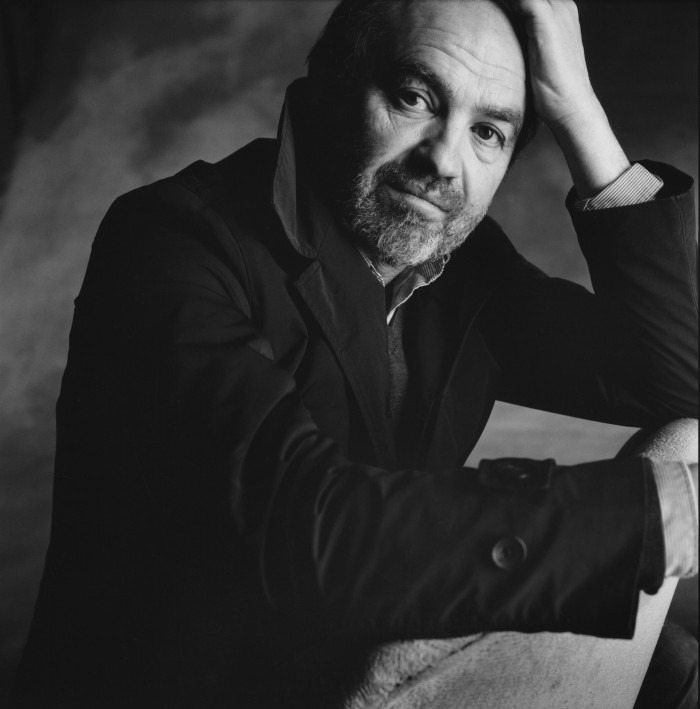
Érica Jourdana som spoznal v tomto semestri ako doktorand na VŠVU (pozn. Éric Jourdan je počas zimného semestra 2018 hosťujúcim profesorom na Katedre dizajnu VŠVU ). Zaujal ma svojou neformálnosťou, ktorú organicky zakomponoval do vyučovacieho procesu. V porovnaní s našimi školskými osnovami Jourdan napríklad skrátil obdobie navrhovania. Študentov povzbudzoval a nastavil to tak, aby pracovali s materiálmi od samotného začiatku a dospeli k výsledkom v určenom čase. Konkrétne s nimi pracoval na dvoch projektoch. Ten prvý je 12. ročník súťaže nových talentov pod taktovkou Ligne Roset, ktorá je vo Francúzsku známa ako Cinna. Tu je zadanie „V pohybe“ a účastníci i účastníčky si môžu vybrať, či chcú robiť na osvetlení alebo dizajne exteriérov. Druhý projekt ma spracúvať ducha totemu a jeho cieľom je tvorivo uchopiť emblematický mestský objekt pre mesto kreatívneho dizajnu – Saint Étienne. Projekty budú predstavené na VŠVU počas zimného prieskumu 2018.
Jourdan nie je na Slovensku ako pedagóg prvý krát. Strávil tu nejaký čas v ranných 90. rokoch, po páde železnej opony, keď (vtedy ešte ako profesor z École des beaux-arts de Saint-Étienne) spolu s Jacquesom Bonnavalom (zakladateľ Medzinárodného bienále dizajnu Saint-Étienne) prišli do Bratislavy učiť dizajn na VŠVU. Odvtedy medzi oboma vzdelávacími inštitúciami existuje vzájomná spolupráca.
Aká je najlepšia chvíľa dňa?
Keď sa zobudím. Vstávam o takej piatej, pol šiestej.
Akú hudbu počúvate?
Ach, rôznu. Staré veci ako Led Zeppelin, ale aj elektroniku. Teraz som objavil takú českú kapelu, volá sa Floex.
Počúvate rádio?
Ráno áno, francúzske rádio, ale len kvôli správam. Ale nepreháňam to, iba ráno.
Aké knihy máte na nočnom stolíku?
Tolstého Vojnu a mier. Mám tú knihu rád.
Čítate časopisy, ktoré sa venujú dizajnu, umeniu či architektúre?
Ani veľmi nie. Nekupujem si architektonické časopisy. Možno niekedy, keď si chcem prečítať niečo o nejakom architektovi. Ale kupujem si knihy, nie časopisy.
Čo si neoblečiete?
Bermudy. A nechcem sa obliekať ako Nemci. Som veľmi klasický typ.
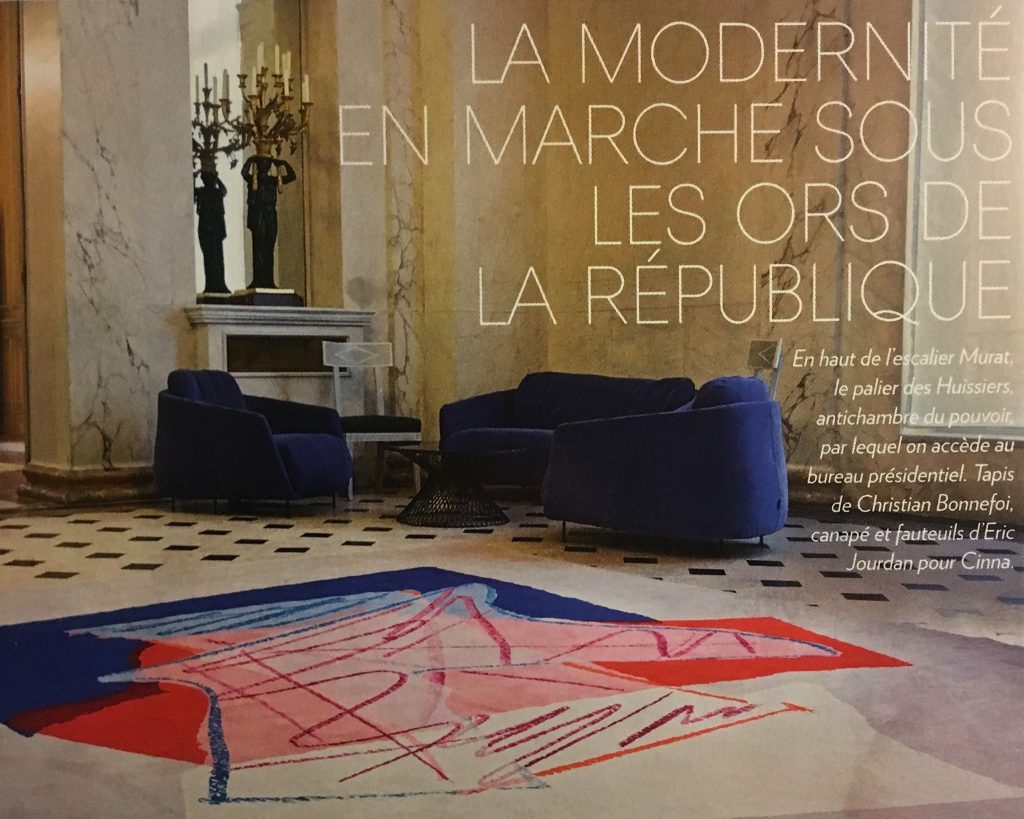
Kreslá a pohovka pre značku Cinna, aktuálne v prezidentských prijímacích priestoroch Emmanuela Macrona.
Chceli ste byť už v detstve dizajnérom?
Áno. Rozmýšľal som nad dizajnom alebo architektúrou. A potom mi niekto povedal, že na architektúru musím byť dobrý v matematike. No a tá mi vôbec nešla, tak som si vybral dizajn. Ale mohol som byť aj architektom, nie je to podľa mňa až taký rozdiel.
Pochybovali ste niekedy o svojom rozhodnutí (stať sa dizajnérom)?
Niekedy o tom pochybujem. Nájsť si klientov a projekty na začiatku kariéry totiž nie je ľahké. Občas musíte byť trochu aj „vlezlý“.
Aktuálne ste na Slovensku ako hosťujúci profesor na VŠVU, to ale nie je prvýkrát, čo tu učíte. Ako si spomínate obdobie tu po páde železnej opony?
Bolo to veľmi odlišné a vtedy to ešte nebolo Slovensko, ale Československo. Veľmi zaujímavé a veľmi odlišné od Západu. Teraz je to už úplne iné. Možno nie škola, ale keď vyjdete von, mesto. Niekedy mám pocit, že to predtým nebolo také zlé. Som nostalgický človek. Nemusíme predsa všetko zničiť.
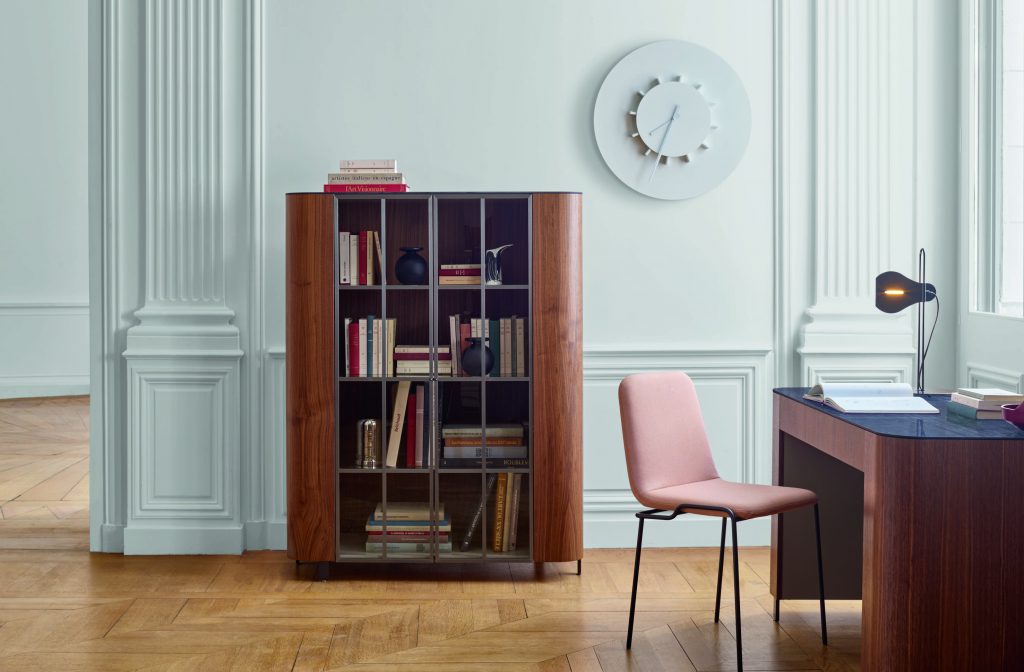
Kolekcia Postmoderne pre Ligne Roset
Ako vnímate mladú generáciu študentov a študentiek na Slovensku, ak ich porovnáte s tými francúzskymi a čo je pre váš dôležité vo vyučovacom procese?
Sú iní, ale aj rovnakí. Pretože dnes sa všetko modernizuje. Ale myslím, že sú,… že v nich je,… sú slobodnejší. Sú viac naviazaní na trendové veci. Je v nich niečo také sviežejšie, otvorenejšie voči svetu. Neviem, je tam rozdiel. Nesnažia sa byť všetci ako Bouroullecovci (známe francúzske dizajnérske súrodenecké duo). Chcú byť samými sebou, čo je lepšie.
Keď usmerňujete vašich študentov a študentky, čo je pre vás vo vyučovacom procese to najdôležitejšie?
Aby si našli vlastný spôsob práce. Nechcem, aby šli nejakým smerom. Musia si ten svoj spôsob nájsť sami, nájsť v sebe singularitu. To je dôležité. Podľa mňa neexistujú modely. Všetci si musia nájsť svoju cestu. Toto je podľa mňa práca učiteľa. Nechcem ich vodiť za ručičku. Musia byť iní a lepší ako ja.
Eric Jourdan v Galerie Gosserez
Ako pozeráte na váš čas strávený na škole (v minulosti)?
Keď som bol v Paríži, jedným z mojich učiteľov bol Philippe Starck a mali sme úplnú slobodu. Spätne ale nemám pocit, že bol ozajstným učiteľom. Celkovo som sa podľa mňa v škole veľa nenaučil. Napríklad Starck len rozprával, ale bolo to také zaujímavé, že to stačilo. Bola to zábava, mal toho veľa čo povedať. Bolo to také veľmi ľudské. A potom ma poprosil, aby som preňho pracoval. Ale to bolo už iné. Ja som sa učil najmä od ľudí v praxi.
Kde pracujete na svojich projektoch?
Doma. Mám tam priestor. Mám dvoch asistentov. Ale je to veľmi neprofesionálne, nevládne tam formálna atmosféra.
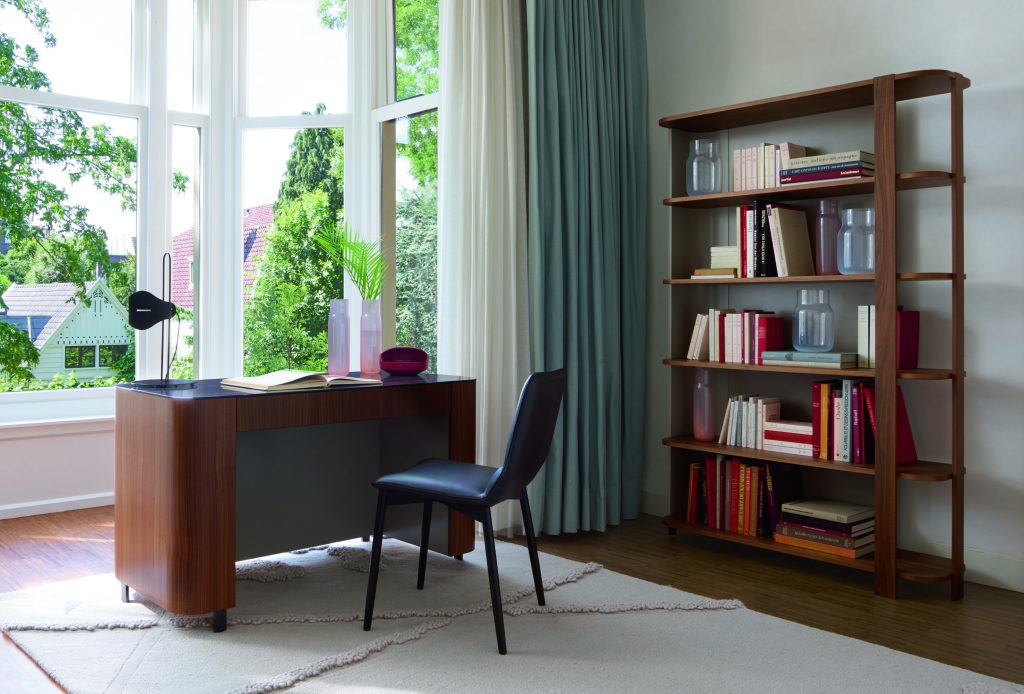
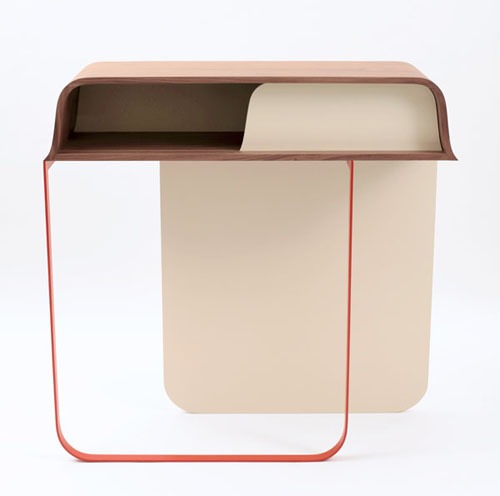
Kolekcia Postmoderne pre Ligne Roset
Popíšte svoj štýl, ako keby ho opísal váš dobrý priateľ.
Asi by som ho mohol označiť za francúzsky, lebo som dosť spätý s dekoratívnym umením. Mám však rád aj moderné smery. Je to mix modernizmu a tradičného dekoratívneho umenia.
Existujú umelci z minulosti, ktorí vás ovplyvnili či tvorbu ktorých si nejako obzvlášť ceníte?
Mies van der Rohe, toho mám rád. Pamätám si, ako som navštívil vilu Tugendhat. To na mňa spravilo veľký dojem. No mám rád aj maľbu, napríklad anglických prerafaelitov z 19. storočia. Edward Burne-Jones, Dante Rossetti, tí sú pre mňa veľmi významní. A ešte musím povedať aj Ettoreho Sottsasa, pretože bol kresliacim mysliteľom. Veľmi dôležitý je pre mňa aj taliansky dizajn.
Ktorý projekt vám priniesol najviac uspokojenia?
Ťažko povedať. Pred asi desiatimi rokmi som navrhoval veľký veľtrh s názvom Premiere Vision. Dva roky práce. To bol asi ten najlepší projekt, lebo v ňom bol interiérový dizajn, trochu architektúry, nábytok, farby, nápisy, taký globálny projekt, veľmi syntetický, dobrý.
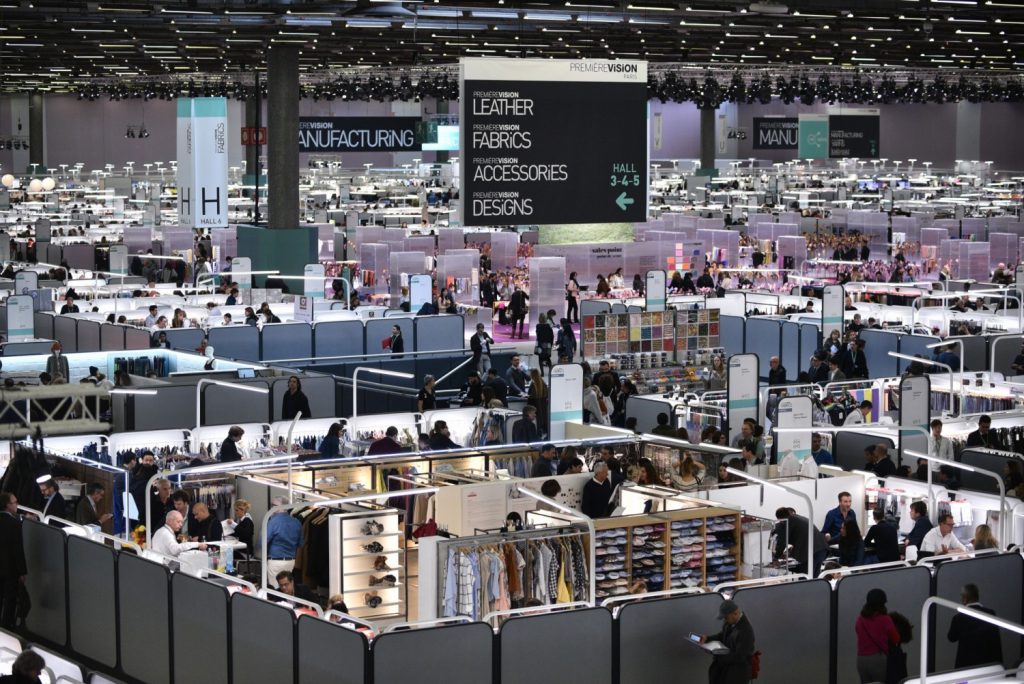
Veľtrh Premiere Vision
Dosť sa v poslednom čase rozpráva o štvrtej priemyselnej revolúcii. Aký je váš názor o vzťahu medzi človekom a strojom?
Neviem… (Smiech.) Chcem mať istotu, že nejde o nové otrokárstvo. Ale naozaj neviem. Nemám na to utvorený názor. Technológia je pre mňa nástroj, nie je až taká dôležitá.
Eric Jourdan (1961) je francúzsky priemyselný a interiérový dizajnér. Absolvoval parížsku École nationale supérieure des arts décoratifs. Jourdanova tvorba je úzko prepojená s kresbou. Tá mu umožnila vytvoriť si svojský štýl. Profesionálne je známy najmä vďaka spolupráci so značkou Ligne Roset, ktorá mu priniesla ocenenie Red Dot Design. Pracuje ako dizajnér komerčných priestorov, no vystavuje aj v súkromných galériách ako napríklad v galérii Neotu. Jeho práce sú súčasťou zbierok Musée d’art moderne Saint-Étienne a Musée des arts décoratifs Paris.
Martin Franzen (1987) je absolventom katedry dizajnu na VŠVU. Momentálne na VŠVU pôsobí ako doktorand. Pracoval pre známe ateliéry umeleckého dizajnu v zahraničí ako napríklad Atelier Van Lieshout. Vo svojej tvorbe sa venuje soche, dizajnu a remeselným metódam.[:en]
When I first met Eric as a PhD. candidate at the AFAD, his informal expression, which was organically incorporated to educational process, caught my attention. Compared to our educational system, Jourdan shortened the designing period. Students were supported in their ideas and started to work with material from the very beginning, which directly led to professional results within the time given.
Eric is a host professor at the Department of design for winter semester 2018. However, this connection between a French and Slovak educational institution is not a new thing. Its history begins in early 1990s, after the wall came down, when Eric as a professor from École des beaux-arts de Saint-Étienne and Jacques Bonnaval, the founder of Biennale Internationale Design Saint-Étienne, came to Bratislava to teach design. Since then, the mutual relationship between both educational institutions was established.
Mr. Jourdan is now leading the atelier and working with students on two projects. The first one is a 12th edition of the talent revealer contest organized by Ligne Roset, well known in France as Cinna. Topic is „In The Move“ and the participants can choose from lighting or outdoor design solutions. The second project is made according to the spirit of Totem. This call for project proposes to imagine the emblematic urban object of Saint Étienne, a creative city of design. Projects will be presented at AFAD within semester exhibition of student’s works 2018.
What is the best moment of the day?
When I wake up, which is at 05:00 – 05:30 in the morning.
What kind of music do you listen to?
Ah, different kinds of music. Old music like Led Zeppelin, but also electronic music. I discovered Czech band, it’s called Floex.
Do you listen to the radio?
In the morning yes, French radio, but just for the news. But not that much, just in the morning.
What books do you have on your bedside table?
The War and Peace by Tolstoy. I like that book.
Do you read design, art or architecture magazines?
Not so much. I don’t buy some architecture magazines. Sometimes, mostly when I want to be informed about some architect. I buy books, but not magazines.
What kind of clothes do you avoid wearing?
Bermudas. And I don’t want to wear clothes like German people do. I am very classical.
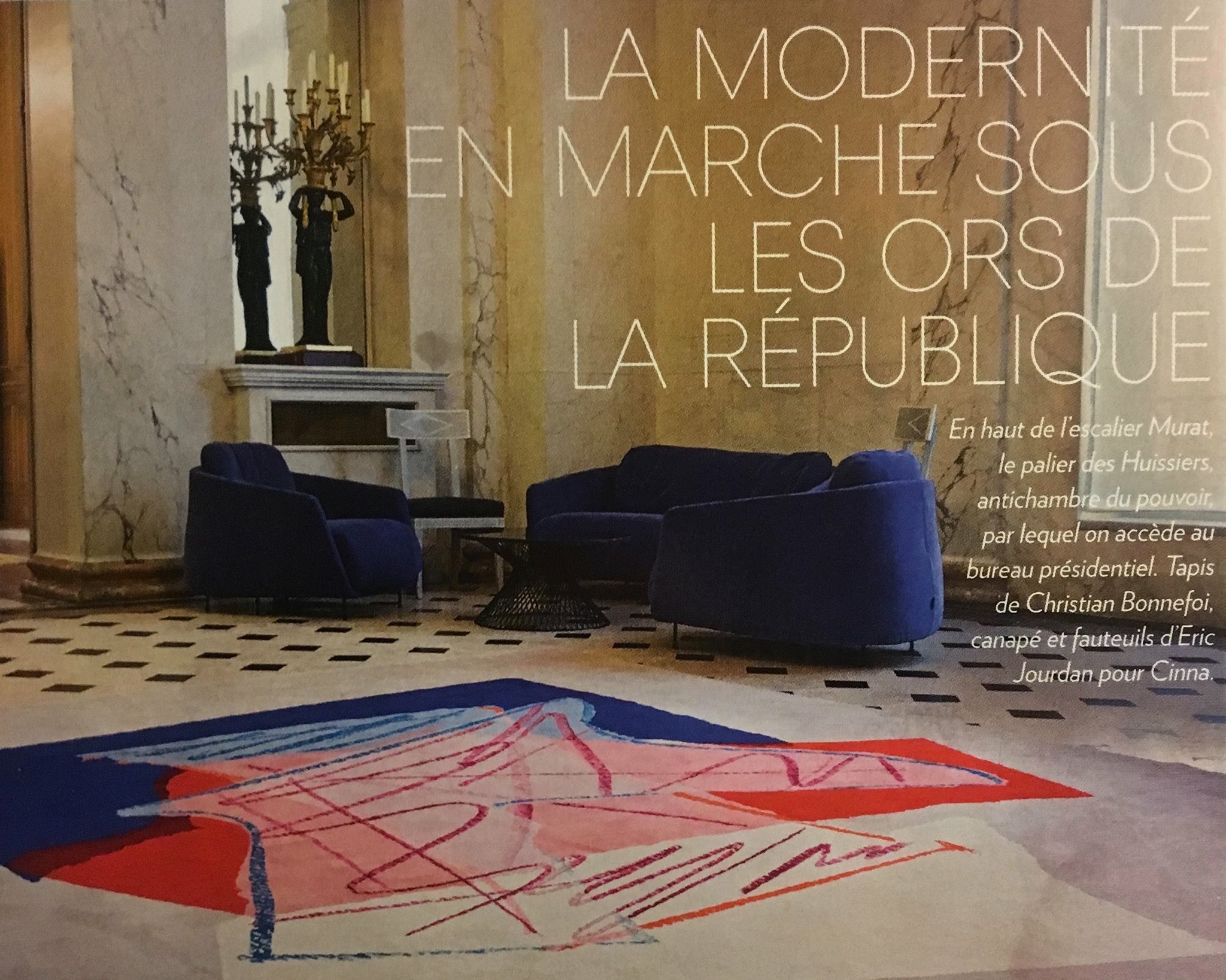
Armchairs and sofa for Cinna, currently at presidential reception room of Emmanuel Macron.
When you were a child, did you always want to become a designer?
I was balancing between design and architecture. And somebody told me, that I need to be good in mathematics to do architecture. And I was very bad at it, so I have decided to choose design. But I could be an architect, for me it’s not so different.
Have you ever doubted your decision to become a designer?
Sometimes I do. At the beginning of your career it’s not so easy to find clients and projects. Sometimes you have to be a bit pushy.
You are now in Slovakia as a host professor at the AFAD, but this is not your first time teaching here. How do you remember those times after the wall came down and you came here?
It was very different and that time it was not Slovakia, it was still Czechoslovakia. It was very interesting and very different from the west. And now it’s completely different. Not the school maybe, but the outside and the city. And sometimes I think it was not so bad before. Isn’t it just nostalgia? Yeah, yeah, I am nostalgic, I am a nostalgic person. We don’t have to destroy everything, I think.
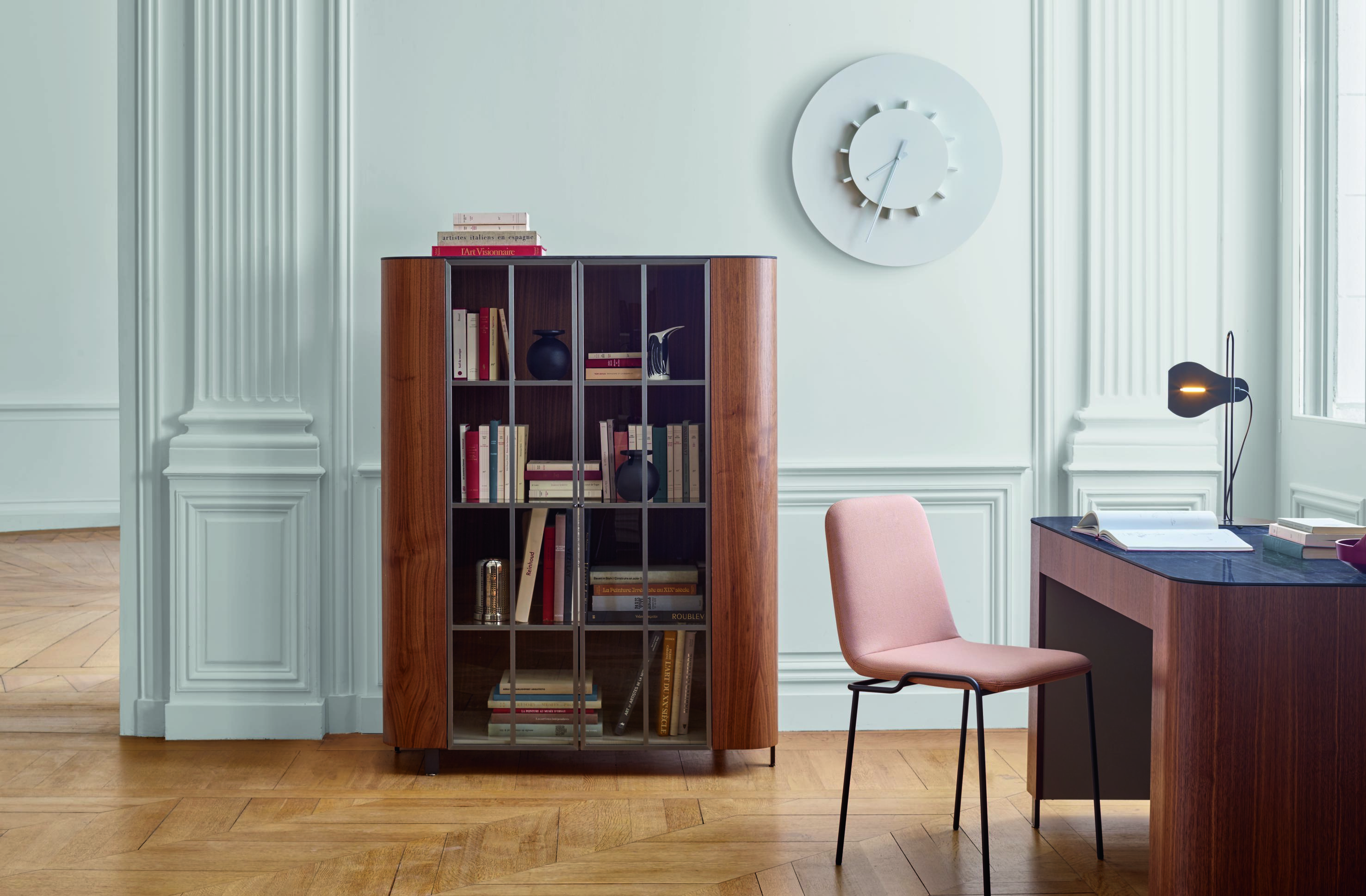
Collection Postmoderne for Ligne Roset.
How do you see young generation of Slovak students compared to the French students and what is important for you during teaching process?
They are different, but they are also similar. Because now there is a kind of modernization for everything. But I think they are… there is kind of… they are more free. They are more related to trendy things. There is something more fresh, more open to the new world. I don’t know it’s different. They are not trying to be like Bouroullec. They are trying to be themselves, it’s better. For me, this is the feeling I have.
When you have to lead your students and give a direction, what is important for you during the teaching process?
To find their own way of doing design. I don’t want to take them to go to the direction. They have to discover their own way to how to become a designer and to find their own singularity within themselves. It is important. I think there are no models. Everybody has to find their own way. This is a job of a teacher for me. I don’t want to be kind of guide. They have to be different than me and better.
Éric Jourdan at Galerie Gosserez
How did you find your time at the Academy (back days)?
When I was in Paris, one of my teacher was Philippe Starck, and we were completely free. I don’t think he was a real teacher and I don’t think I’ve learned that much at school. I have learned from people, I have met a lot of people like Starck, Jean Nouvel, but technically I don’t think we learned so many things at school in France. When you were mentioning Philippe Starck, you’ve said, he was not really teaching. He was just talking about design and it was so interesting that it was enough. So you didn’t have a topic or something like that? I don’t remember. It was fun, but we learned a lot, because he had so much things to tell us. It was very human. And after that he asked me to work for him. But it was different.
Where do you work on your projects?
At home. I have a place. I have two assistants. But it’s very unprofessional, not formal.
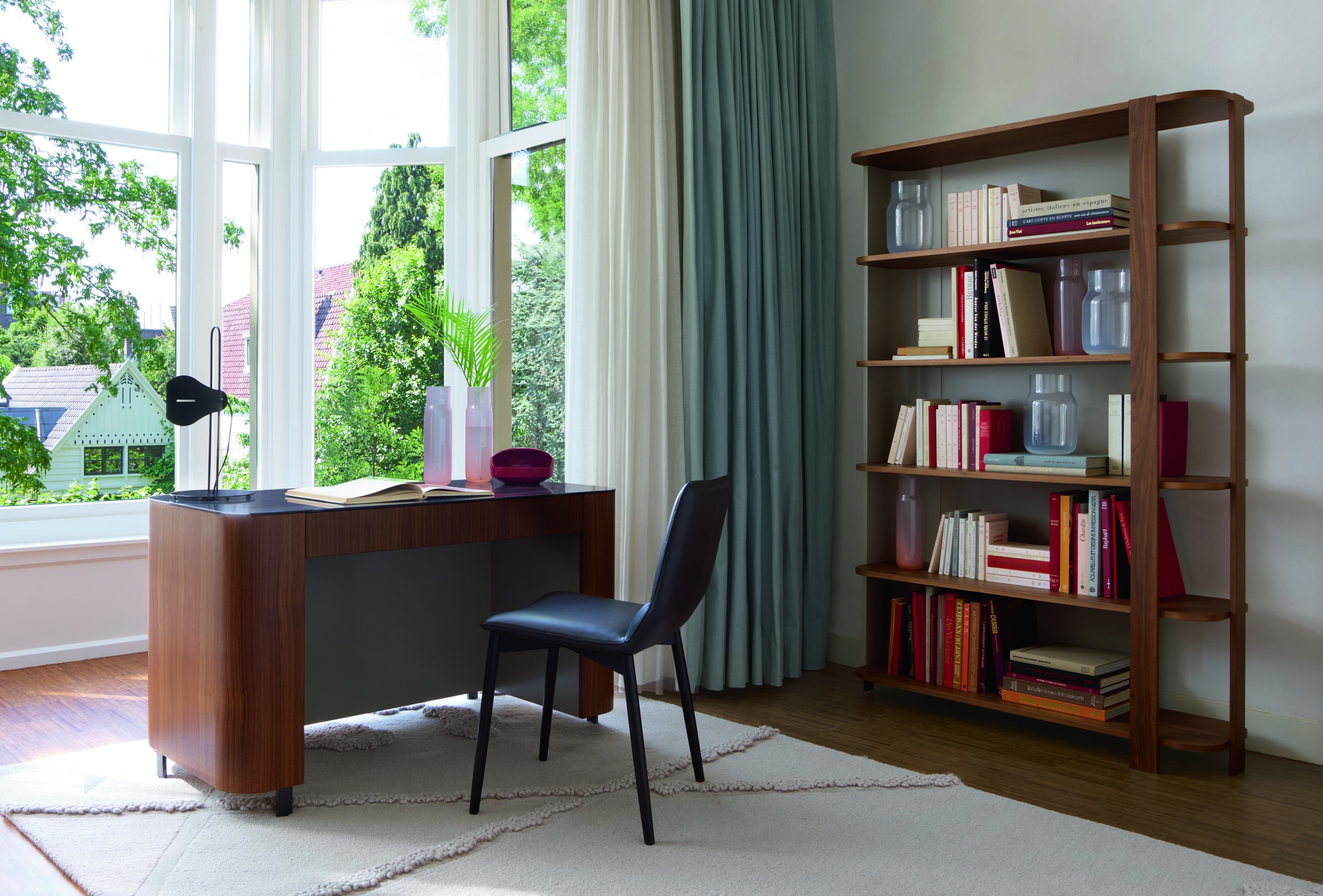
Collection Postmoderne for Ligne Roset.
Describe your style as a good friend of yours would describe it.
I think it could be French, because I think I am very related to decorative art. But I also like the modern movement. It’s a mix between a modernism and some traditional decorative art.
Are there artists from the past who have influenced you or whose work you particularly appreciate?
Mies van der Rohe, I like it. I remember visiting Villa Tugendhat. It was very moving to me, to visit this house. But I am also fond of painting. And I like the English movement the Pre-Raphaelists, the 19th century. Edward Burne-Jones, Dante Rossetti, they mean very much to me. I have to say Ettore Sottsas is very important for me, because he was a drawing thinker. Italian design as well.
Which project satisfied you the most?
It is difficult to say. Some ten years ago, I did a big interior design of a big fair called Premiere Vision. It was two years of work. I think it was a good project. Maybe the best project. Because it was interior design, kind of architecture, furniture, colors, signs, it was a global project. It was very synthetic, good.
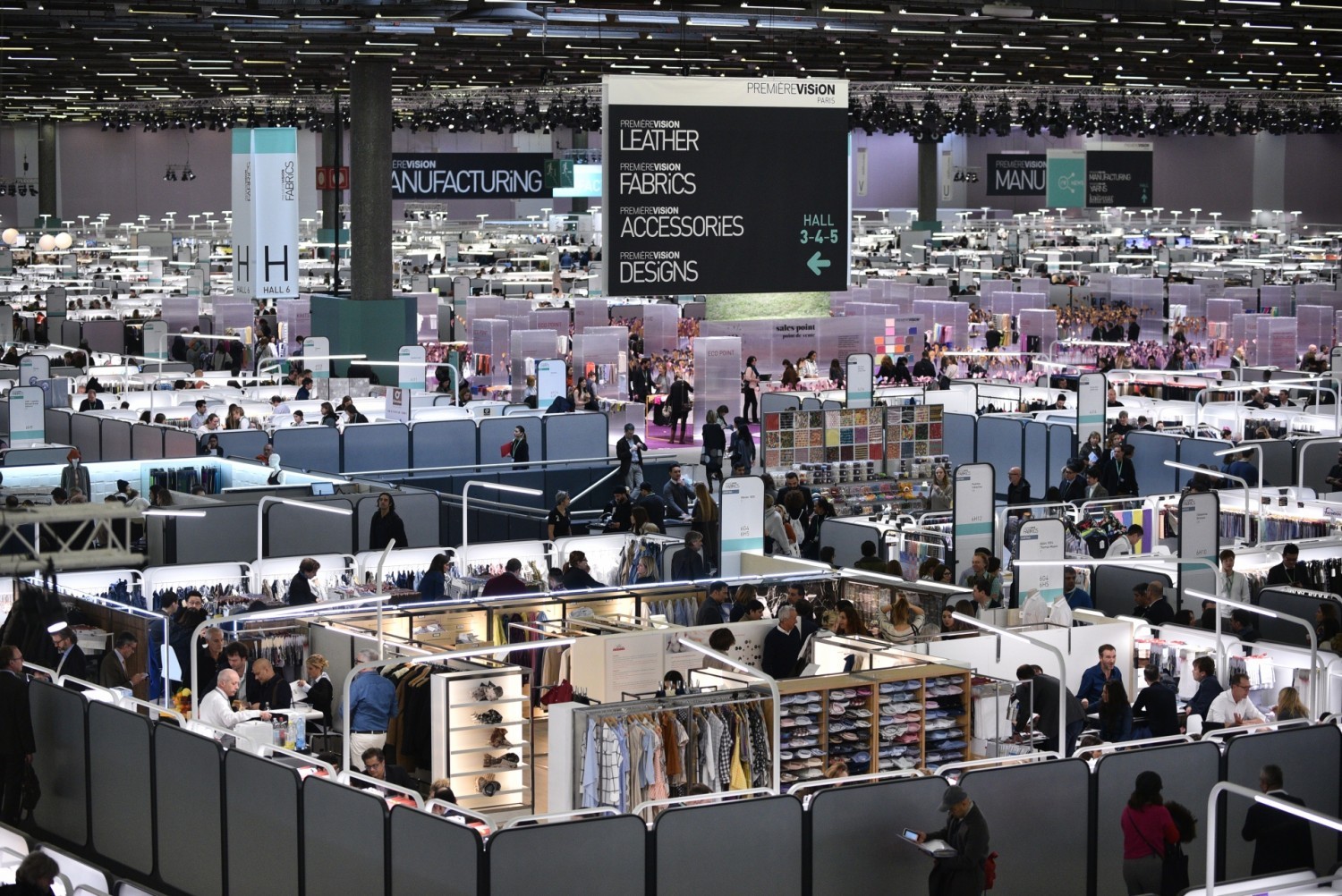
Première Vision Paris.
There is a lot of talk about the fourth industrial revolution. What do you think about the relationship between a man and a machine?
I don’t know… (laugh) I want to be sure that it is not a new slavery. But I really don’t know. I don’t have so much opinion about. Technology is a tool to me, it’s not so much important.
Eric Jourdan (1961) is a French product and interior designer. He graduated from École nationale supérieure des arts décoratifs de Paris. Jourdan’s work is closely related to drawing, which enabled him to develop his own style. His professional career is well known especially for the collaboration with Ligne Roset, for which he was awarded by Red Dot Design. He works as a commercial designer, as well as for private art galleries, like Gallery Neotu. His works are in collection of Musée d’art moderne Saint-Étienne and Musée des arts décoratifs Paris.
Martin Franzen (1987) has graduated at AFAD, at Art design department. He is currently a PhD candidate at AFAD. He was working for well-known Art design ateliers abroad, such as Atelier Van Lieshout. His production is related to sculpture, design and craft methods.[:]