Podcast / MLUVÍCÍ OBJEKTY
[:sk]Podcastová miniséria o architektúre, ktorá sa v šiestich dieloch zameriava na pražské stavby späté s deväťdesiatymi rokmi[:en]A podcast miniseries on architecture, focusing in six episodes on Prague buildings associated with the 1990s[:]
[:sk]
Búrlivé deväťdesiate priniesli okrem voľného trhu, demokracie, mafiánskych skupín, kupónových privatizácií a americkej popkultúry napríklad aj špecifickú porevolučnú architektúru. Divoká postmoderna zaujala viaceré podoby, voči ktorým nevieme ani dnes ostať indiferentnými. Architekti Alžběta Žabová a Petr Bureš z českého kolektívu Amulet sa v podcastovej minisérii Mluvící objekty zaoberajú práve zvláštnou schopnosťou postmodernej architektúry prehovárať a prekvapovať. Na príklade vybraných pražských stavieb si v šiestich dieloch podcastu všímajú nielen črty rozbujnelej architektúry, ale aj škálu sprievodných javov, ktoré súviseli so socio-ekonomickou transformáciou po roku ´89. Ako sami vravia, podcast je o fenoménoch, ktorým môžeme skrz domy a miesta lepšie porozumieť.
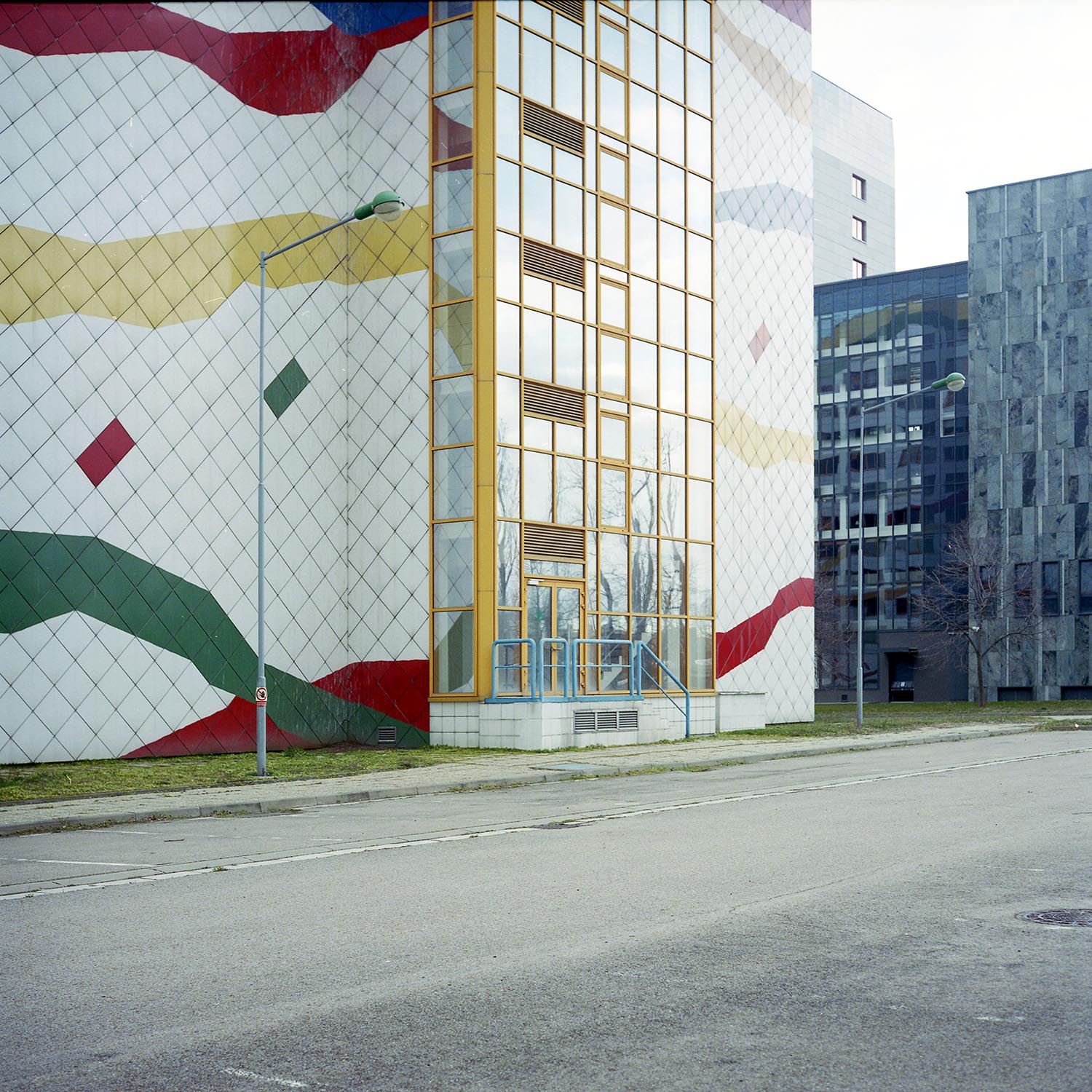
Integrovaný obytný soubor Moskevská, foto: Petr Bureš, zdroj: mluviciobjekty.cz.
Podcastová séria má formu zvukovej koláže. Autori prelínajú vlastné subjektívne pozorovania s faktami historického kontextu, komentármi prizvaných odborníkov a odborníčiek z oblasti dejín a teórie, rozhovormi s architektami hovoriacich objektov alebo pasážami čítanej literatúry. Na všeobecne euforickú atmosféru hľadia s náležitou kritikou generácie narodenej v 90-tych rokoch. Vracajú sa tam, kde sa rodili témy a problémy, ktoré v architektúre riešime dodnes.
Narodní ústřední archiv, foto: Petr Bureš, zdroj: mluviciobjekty.cz.
Prechod z centrálne plánovaného hospodárstva na kapitalizmus znamenal pre architektov okrem iného radikálnu premenu charakteru ich profesie. Neboli už viac rádovými zamestnancami štátnych projektových ústavov, ale samostatne tvoriacimi osobnosťami, ktoré budovali značku vlastných ateliérov (diel 1). Hoci uvoľnená atmosféra priala odvážnym tvorivým gestám, autori podcastu sa pýtajú, koľko architektiek a architektov pracujúcich dnes v podmienkach neistého prekariátu by paradoxne prijalo možnosť pracovného pomeru v stabilnej projektovej inštitúcií. Deväťdesiate roky rovanko prehĺbili zdedenú nerovnosť v zastúpení žien v architektúre. Hoci štúdium ukončovalo stále viac architektiek, len minimum z nich sa octilo na viditeľných pozíciách v mori súkromných ateliérov alebo v redakčných radách novovzniknutých časopisov (diel 5).
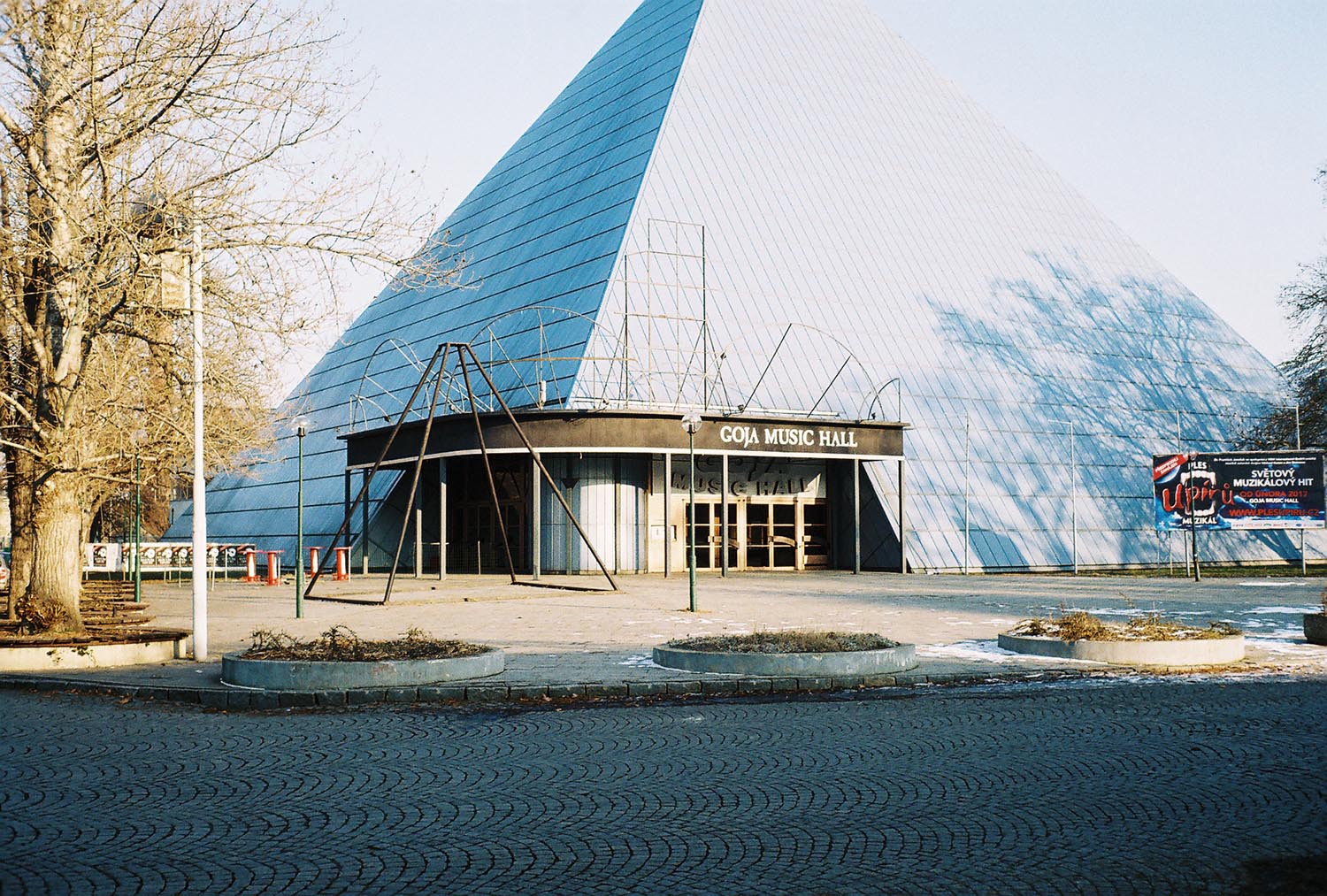
Pyramida GoJa, foto: Petr Bureš, zdroj: mluviciobjekty.cz.
Po páde socializmu sa tiež vynorili mnohé kľúčové mestské témy, ako napríklad princíp pamiatkovej ochrany. Po tom, čo bolo v roku 1992 zapísané historické jadro Prahy na Zoznam svetového a kultúrneho dedičstva UNESCO, sa proti sebe zrazu ocitli na jednej strane developeri spolu s architektmi a na druhej pamiatkari s aktivistami (diel 2). Deväťdesiate roky znamenali pre Prahu, lacné mesto s dobrým pivom, prudkú explóziu turizmu. Masy návštevníkov poháňali výstavbu a skupovanie existujúcich hotelov globálnymi reťazami (diel 3). Produkcia hotelov ako kulís turizmu, ale aj pobočiek bánk ako chrámov peňazí pritom predstavovala tzv. Portmanov paradox: hoci mali tieto stavby centrum mesta oživiť, prispievali skôr k jeho zániku. Naproti komerčnej výstavbe vznikali štátom financované projekty, ako príklad Pyramida na pražskom Výstavišti, ktorej architektúra na seba prebrala schopnosť kreovať mýtus (diel 4). A zatiaľ čo centrum Prahy bolo bojovým poľom všemožných protichodných snáh, periféria mesta sa potichu roztekala v sídelnej kaši katalógových rodinných domov (diel 6).
Kde sa hovoriace objekty nachádzajú dnes? Hotelové kolosy nahradili autentické aribnb, územie Pankráckej pláne stále osciluje medzi vidinou pražského Manhattanu a slepým miestom na obraze chránenej panorámy mesta, a kým niektoré ikonické domy postmoderny začínajú postupne chátrať, sen o vlastnom dome so záhradkou v suburbii zatiaľ mnohých neopustil…
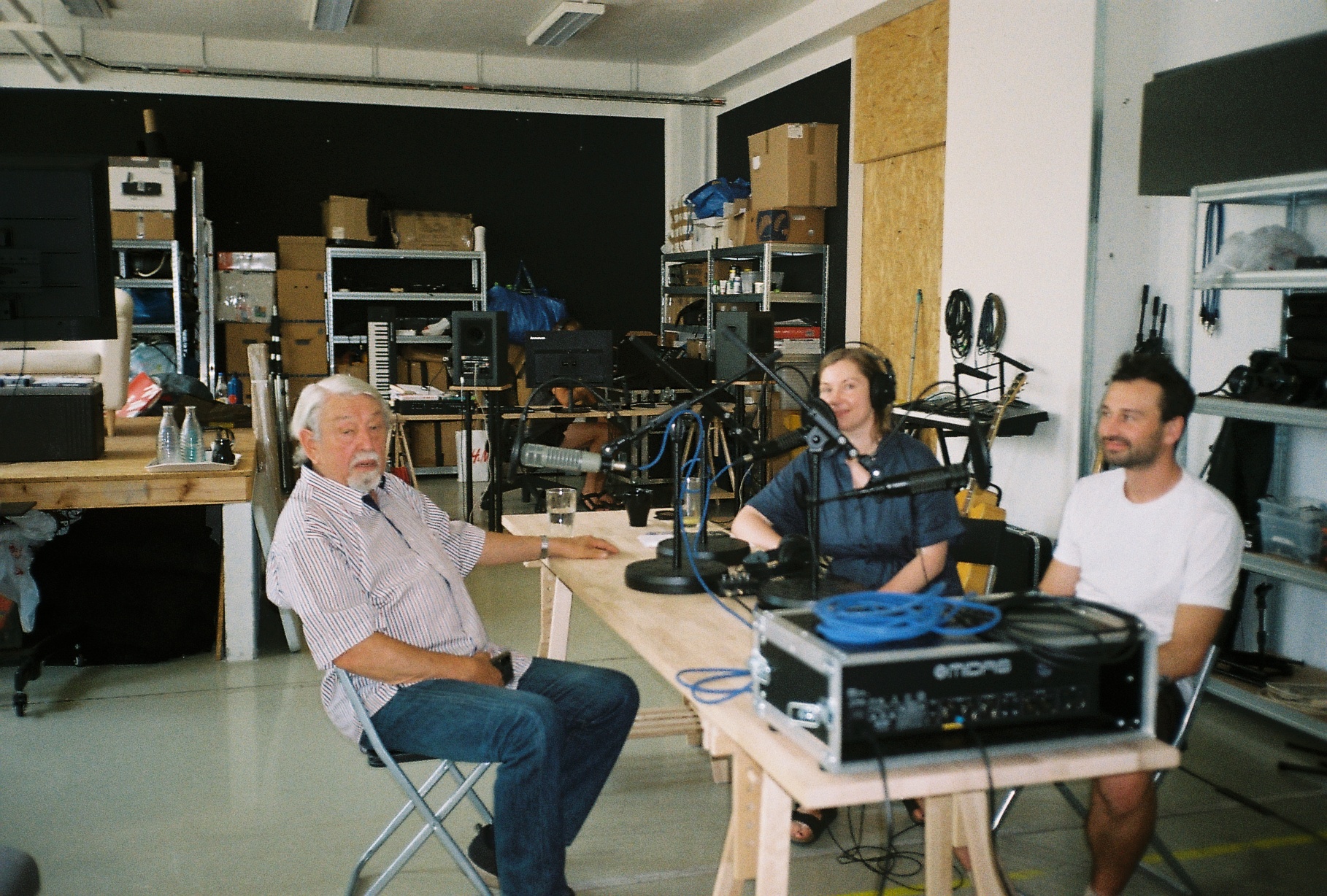
Rozhovor s Václavem Aulickým, foto: Jonáš Richter, zdroj: mluviciobjekty.cz.
Podcast je možné počúvať vo všetkých podcastových aplikáciách, alebo na webe www.mluviciobjekty.cz, kde sa okrem audia nachádza aj archív fotografií k jednotlivým stavbám. Ďalší obsah a fotky z natáčania nájdete aj na instagrame @mluviciobjekty
autori podcastu: Alžběta Žabová, Petr Bureš – amulet.team
zvuk: Jonáš Richter
grafická úprava: Eliška Fenclová
[:en]In addition to the free market, democracy, mafia groups, voucher privatisations and American pop culture, the turbulent 1990s also brought a specific post-revolutionary architecture. Wild postmodernism took many forms, to which we cannot remain indifferent even today. In the podcast miniseries Mluvící objekty [Speaking Objects], architects Alžběta Žabová and Petr Bureš from the Czech collective Amulet discuss the peculiar ability of postmodern architecture to speak and surprise. In the six episodes of the podcast, they use the example of selected Prague buildings to examine not only the features of the exuberant architecture, but also the range of accompanying phenomena that were related to the socio-economic transformation after 1989. As they say themselves, the podcast is about phenomena that we can better understand through houses and places.
Integrated residential complex Moskevská, photo: Petr Bureš, source: mluviciobjekty.cz.
The podcast series takes the form of a sound collage. The authors interweave their own subjective observations with the facts of the historical context, comments by invited experts in the field of history and theory, interviews with the architects of the speaking objects or passages from the literature they read. The generally euphoric atmosphere is viewed with due criticism by the generation born in the 1990s. They go back to where the themes and problems that we still deal with in architecture today were born.
National Central Archive, photo: Petr Bureš, source: mluviciobjekty.cz.
The transition from a centrally planned economy to capitalism meant for architects, among other things, a radical change in the nature of their profession. They were no longer orderly employees of state design institutes, but self-creating personalities who built the brand of their own studios (episode 1). Although the relaxed atmosphere favored bold creative gestures, the podcast’s authors wonder how many architects working today in conditions of precarious precarity would paradoxically accept the possibility of employment in a stable design institution. The 1990s have exacerbated the inherited inequality in the representation of women in architecture. Although more and more women architects were graduating, only a minimum of them found themselves in visible positions in the sea of private studios or on the editorial boards of newly established journals (episode 5).
GoJa Pyramid, photo: Petr Bureš, source: mluviciobjekty.cz.
After the fall of socialism, many key urban themes also emerged, such as the principle of conservation. After the historic centre of Prague was inscribed on the UNESCO World and Cultural Heritage List in 1992, developers and architects were suddenly pitted against each other, and conservationists and activists were pitted against each other (episode 2). For Prague, a cheap city with good beer, the 1990s meant a boom in tourism. The masses of visitors fuelled the construction and purchase of existing hotels by global chains (episode 3). The production of hotels as backdrops for tourism, but also bank branches as temples of money, represented the so-called Portman paradox: although these buildings were intended to revitalise the city centre, they contributed to its demise. In contrast to commercial construction, state-funded projects were created, such as the example of the Pyramid at the Prague Exhibition Centre, whose architecture assumed the ability to create myth (volume 4). And while the centre of Prague was a battleground for all sorts of conflicting efforts, the periphery of the city was quietly melting into a settlement mash of catalogue houses (episode 6).
Where are the speaking objects today? Hotel colossuses have replaced authentic aribnb, the territory of Pankrácká pláň still oscillates between a vision of Prague’s Manhattan and a blind spot in the image of the city’s protected skyline, and while some iconic houses of postmodernism are gradually beginning to decay, the dream of owning one’s own house with a garden in the suburbs has not yet left many…
Interview with Václav Aulický, photo: Jonáš Richter, source: mluviciobjekty.cz.
The podcast can be listened to on all podcast apps, or on the web at www.mluviciobjekty.cz, where in addition to the audio, there is also an archive of photos for each building. Further content and photos from the shoot can also be found on instagram @mluviciobjekty.
authors of the podcast: Alžběta Žabová, Petr Bureš – amulet.team
sound: Jonáš Richter
graphic design: Eliška Fenclová
[:]