[:sk]Rozhovor / BOKER TOV בוקר טוב [DOBRÉ RÁNO][:en]Interview / BOKER TOV בוקר טוב [GOOD MORNING][:]
[:sk]Lucia Židek Gamanová rozpráva o svojom doktorandskom pobyte na Schenkar College v Tel Avive v Izraeli a Dana Tomečková načúva.[:en]Lucia Židek Gamanová talks about her doctoral stay at Schenkar College in Tel Aviv, Israel, and Dana Tomečková listens.[:]
[:sk]
Lucia Židek Gamanová: Až spätne som si uvedomila, že tak ako sa v hebrejčine prirodzene číta text od konca, znamená to, že koniec je vlastne začiatok. Ja to mám v niečom podobne. V prvom dotyku knihy, keď po nej siahnem v kníhkupectve, kdekoľvek prídem, prirodzenejšie je pre mňa listovať knihu od konca.
Dana Tomečková: Inak aj pre mňa! Lucy, tu na “konci” nášho rozhovoru ma zaujíma, či si sa naučila niečo po hebrejsky?
Nenaučila som sa hebrejskú abecedu, no každý deň ma priťahovala na uliciach, s tým, že som ju vnímala ako obraz. Text bol pre mňa obrazom, ktorý som nevedela dekódovať. Začala som si zrazu všímať úplne iné detaily. Fascinovala ma napríklad ich bezpečnostná značka EXIT. Vnímala som ju ako objekt, ako súčasť interiéru, neprekážala mi tak, ako mi prekáža niekde inde v expozícii. Bola pri každých dverách a ja som mala potom tendenciu ísť do každého exitu. V Izraeli som mala Exit-y ako lásku.
Aj Exit-y vlastne čítaš od konca na začiatok.
V Tel Aviv Museum of Art som sa na jednej prednáške dozvedela, ako je vo svete dané, že čítame zľava doprava. A tí, čo to majú opačne, sa musia naučiť ten „štandard“. Potom pre nich už nie je problém vymeniť poradie, sú v tom pružnejší.
Keď som bola súčasťou jedného workshopu, ktorý viedla Galit Gaon, bolo pre mňa zložité vnímať obrazy sprava doľava. Ukladali sme fotografie na stenu a radenie fotografií u všetkých prirodzene začínalo zľava, u mňa však naopak. Boli to len fotky, no pre mňa to zrazu malo úplne iné významy.
A akým smerom rozpovieš tvoj príbeh? …
Západ Slnka
Poviem ti ho od západu slnka. Ako som chodila na západy slnka každý deň; desať minút od domu som mala more. Stalo sa mi dva alebo trikrát, že som nestihla. A tiež keď som bola v Jeruzaleme, pár dní mimo Tel Avivu. Nemohla som sa dočkať, kedy sa vrátim a pôjdem si ten západ slnka pozrieť. More bolo pre mňa tak dôležité, že som tam potrebovala byť, každý večer tam sedieť a dívať sa naň pri západe slnka, robiť si poznámky.
O čom sú?
Majú básnickú podobu. Snažím sa v nich zachytiť prítomnosť. Sadla som si na kopec, a kým zapadlo slnko, mala som svoj rituál. Buď som si niečo čítala, alebo zapisovala prítomné momenty. Vždy som sedela takmer na totožnom mieste. Je to niečo, čo mám v sebe a snažím sa to odnaučiť, lebo mám pocit, že potom prichádzam o iné uhly pohľadov. Nájdem si miesto, ktoré mi vyhovuje a mám tendenciu tam chodiť opakovane.
Čo ti to dáva?
Neviem, mám to tak v sebe. Potom som si uvedomila presne tento moment a povedala som si, že to musím zmeniť. Aj sa mi to podarilo. Už som nesedela na tráve, ale na piesku, vyzula som sa. Tam som prestala písať a zase to bol iný zážitok. Vedela som sa tam nájsť, sústrediť a byť sama so sebou. Na kopci (The Hill Tel Aviv) bolo každý deň strašne veľa ľudí, hlavne lokálni. Všetci si prinesú deku a pochutiny a spravia si 20-minútovú siestu. Keď slnko zapadne, začnú si skladať veci a idú domov, nepočkajú dlhšie. Ja som tam bola vždy aj pol hodinu potom.
Takže vedela si nakoniec vybočiť zo svojho rámca a rozšíriť to o nové. Malé obmeny tej istej veci. Malé kroky…
Áno, dala som si tam predsavzatie. Keď si raz na niečo zvyknem, mám tendenciu to opakovať. Niekedy sa to premieta aj do ďalšieho fungovania. Tam som sa to snažila narušiť, a aj mi to šlo.
…Aha, toto je z iného uhla západ slnka.
Aj v tvorbe to tak máš?
Postup mám asi väčšinou rovnaký. Keď začnem pracovať na nejakom projekte, tak už mám zadefinované kroky, ktoré musím urobiť ako prvé. Projekt vždy vyzerá inak, ale ten fundament už mám zaužívaný.
Vnímala si ten posun v nabúravaní vlastných zvykov aj v práci? Našla si si nejaké nové postupy?
Dá sa povedať, že áno. Keď sme v škole pracovali na nejakom projekte. Iné je, keď pracujem na svojich projektoch sama a iné to je s niekým. Vtedy som schopná prispôsobiť sa a pracovať inak. Nemám problém zmeniť postup, ale asi to musí byť ovplyvnené spoluprácou. V Izraeli som skúmala, ako to funguje tam. Bavilo ma sledovať iné mechanizmy, ako tam sú nastavené.
Západ Slnka II
Doniesla si si nejaké nové rituály?
Priniesla som si domov túto Menóru (sedemramenný svietnik). Kúpila som si ju v starožitníctve v Jerusaleme u jedného neskutočne milého obchodníka, s ktorým sme viedli skvelý rozhovor. Ešte som sa ju však neodhodlala zapáliť. Keď som si ju kúpila, cítila som sa šťastne a previnilo zároveň. Vzbudzovala vo mne úctu.
Je to možno o tom, ako je ten objekt pre teba otvorený. Chápem, že vzbudzuje úctu, ale je to už aj spojivko s tým, kým si tam bola, čo si v sebe objavila. Prečo si si ju kúpila?
Menóra je v Izraeli všadeprítomná, čiže v prvom rade asi preto. Určite ma ale zaujal jej tvar a to, akým spôsobom sa do nej zasádzajú sviece. Som rada, že som si ju doniesla.
Stred
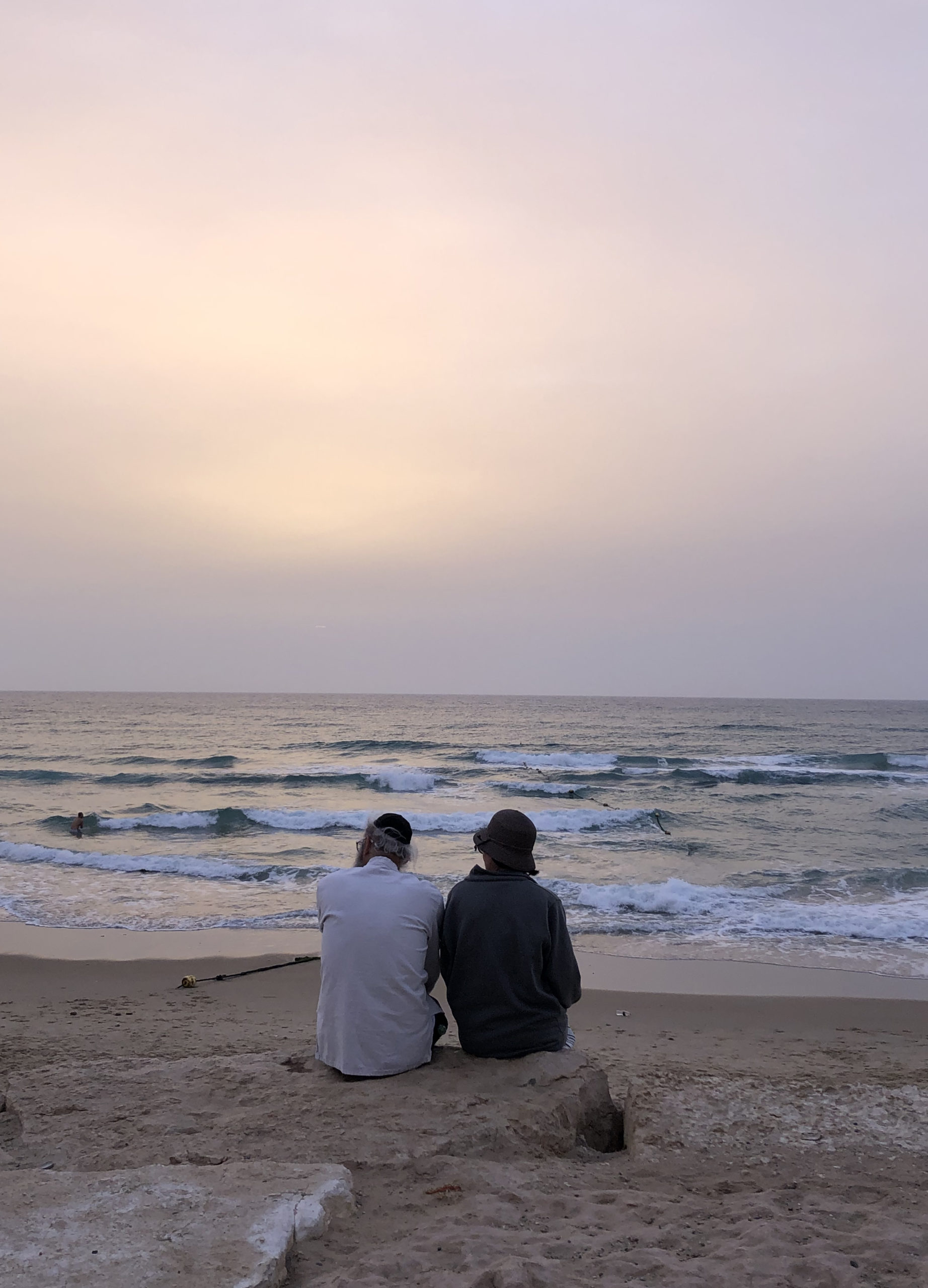
Pár, ktorý si užíva more.
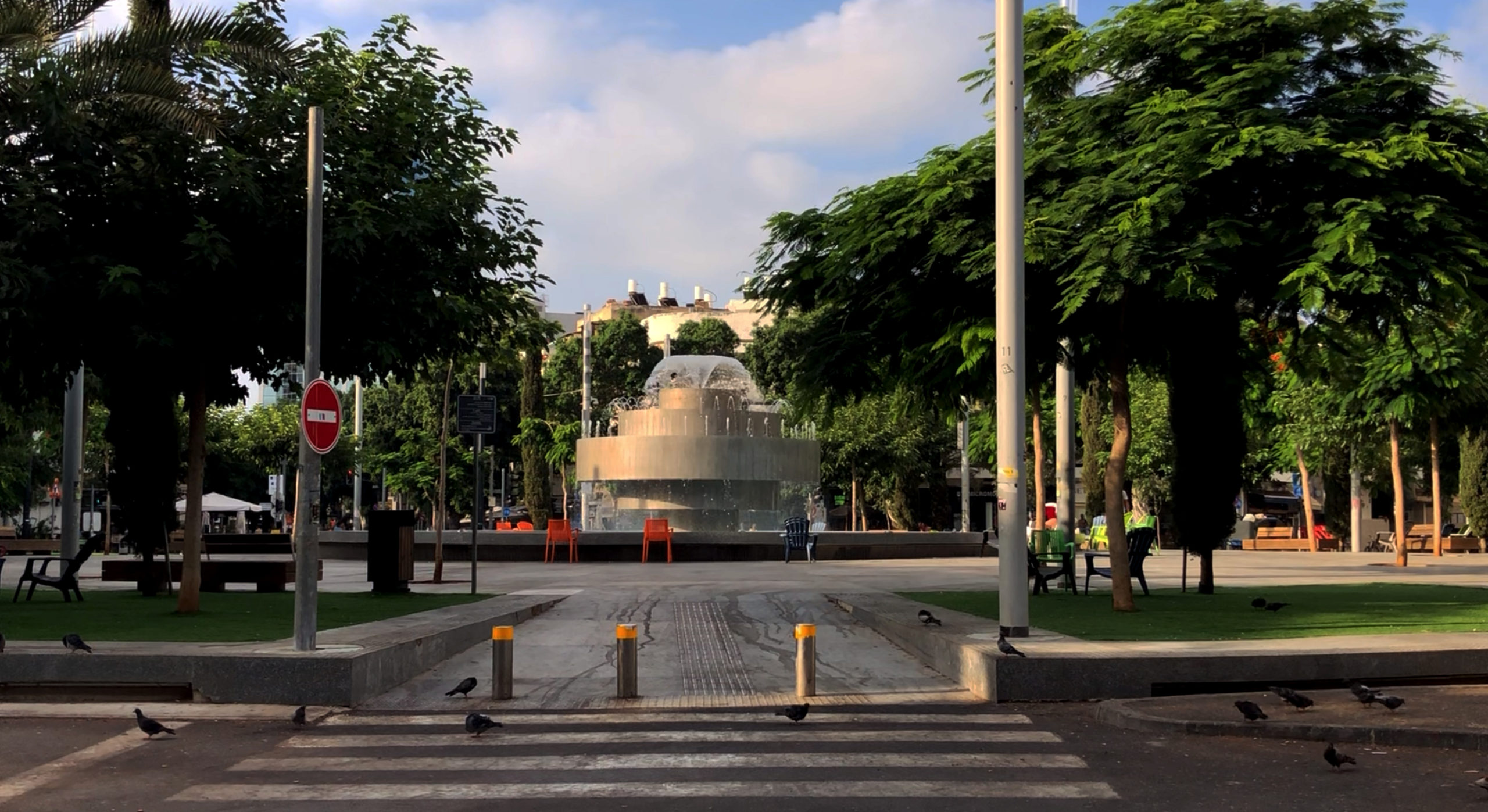
Námestie s fontánou, vo vnútri ktorej bol počas sviatku na vrchu oheň. Oheň bol pokrytý vodou, len v ten jeden deň.
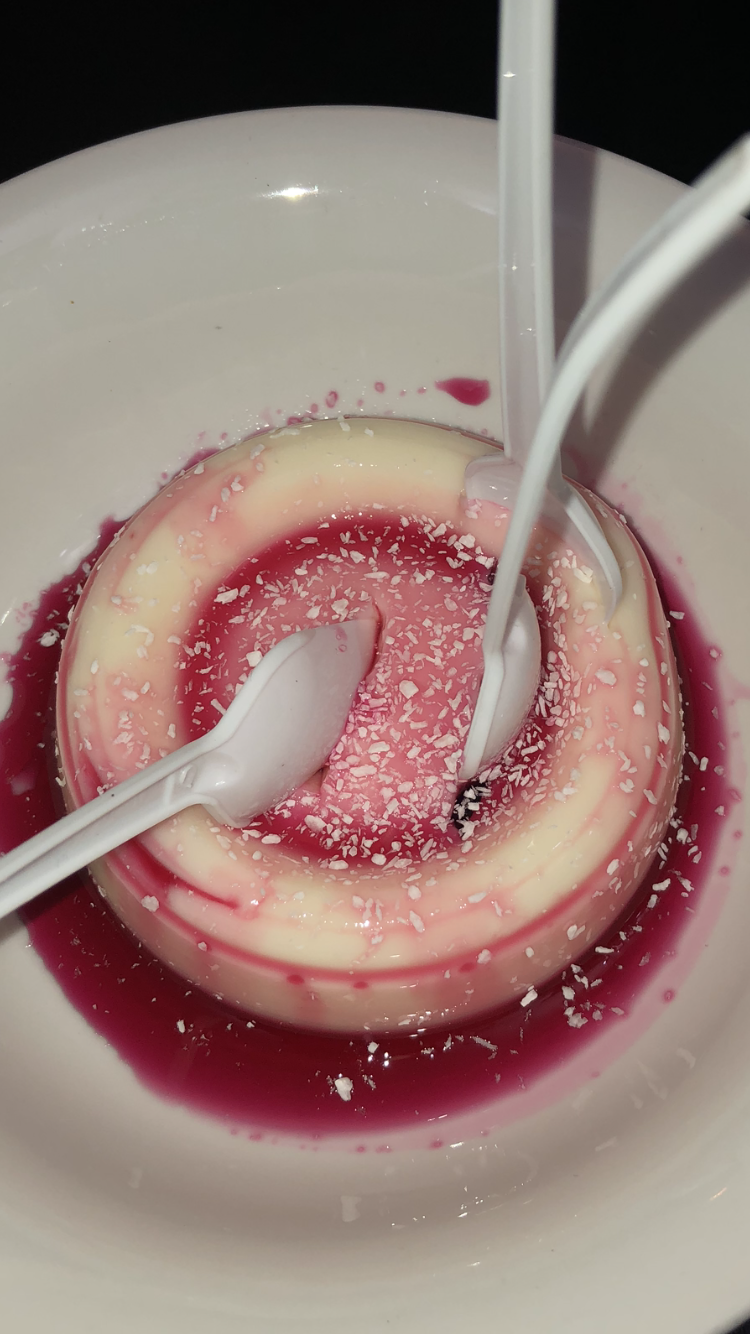
Kosher puding Malabi, ktorý si môžete vychutnať aj v noci. Je populárny, aspoň v rámci Tel Avivu. Fotografia zhotovená o 00:21. Najskôr si dáš plnú misku hummusu so zeleninou, k tomu falafel a následne tento sladký dezert s mätovým čajom. Chutí ako puding zaliaty sirupom a posypaný kokosom.
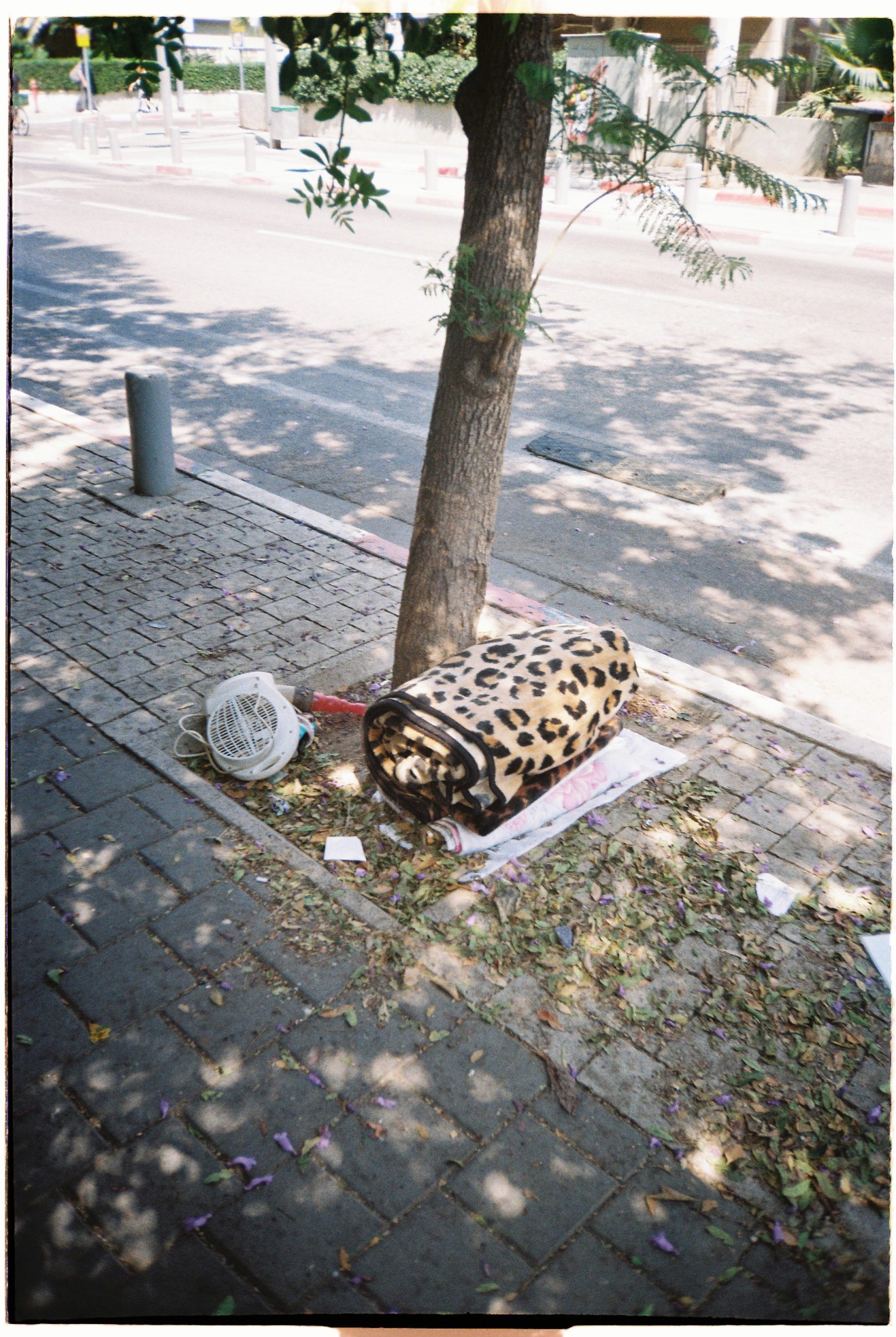
Veľa vecí na ulici. Mám niekoľko kusov oblečenia z lavičiek.
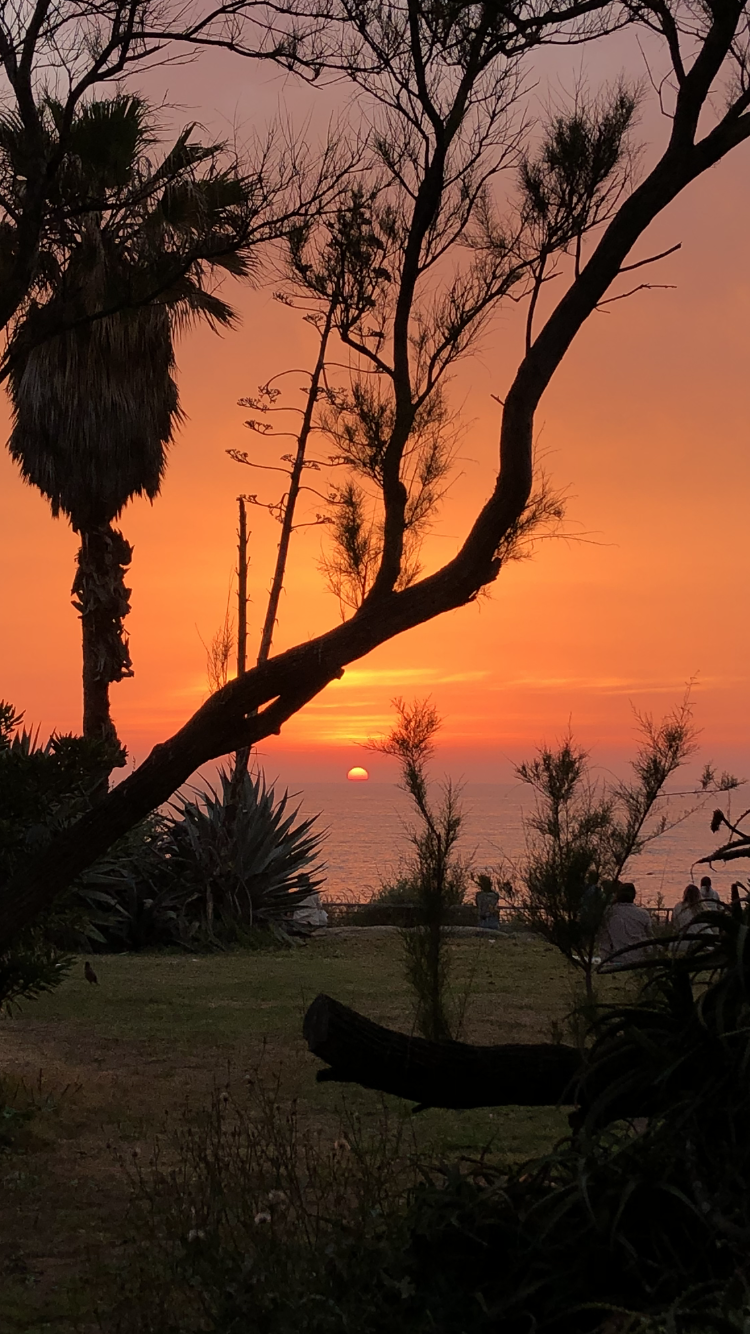
Každodenný západ slnka na Hille. Život sa dá užívať, vidím to tu na ľudoch ako sa to dá – v piatok a v sobotu, mesto sa zmení a ten pokoj sa dá nasávať zo vzduchu, všetko sa spomalí a kráčať po chodníku je ľahšie, stačí sa len nechať unášať. Keby sa tak dalo vidieť more, každý deň aspoň na pár minút, to ma tu kolísalo a hladkalo.
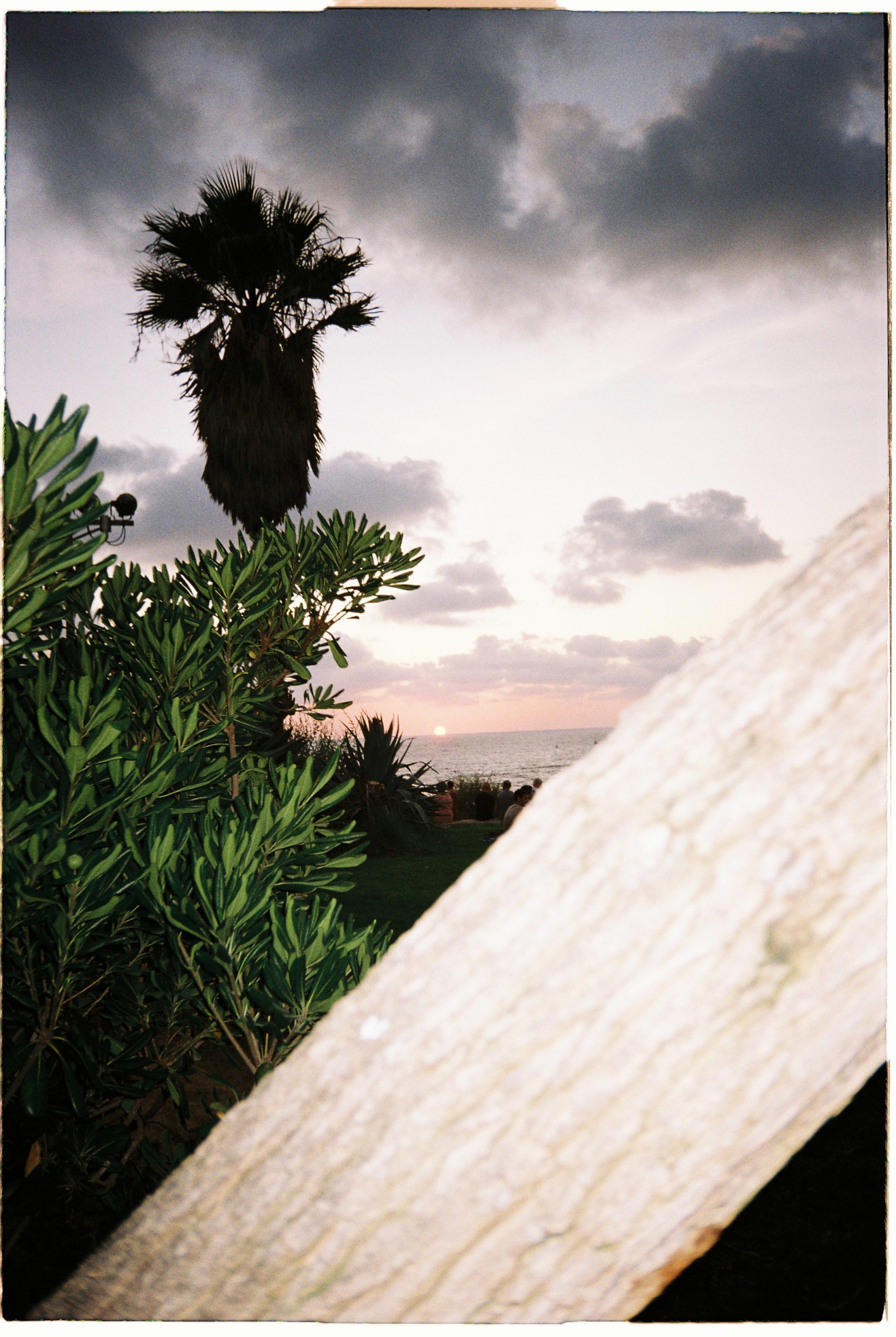
Posledný západ slnka na Hille (obľúbený spot v Tel Aviv).
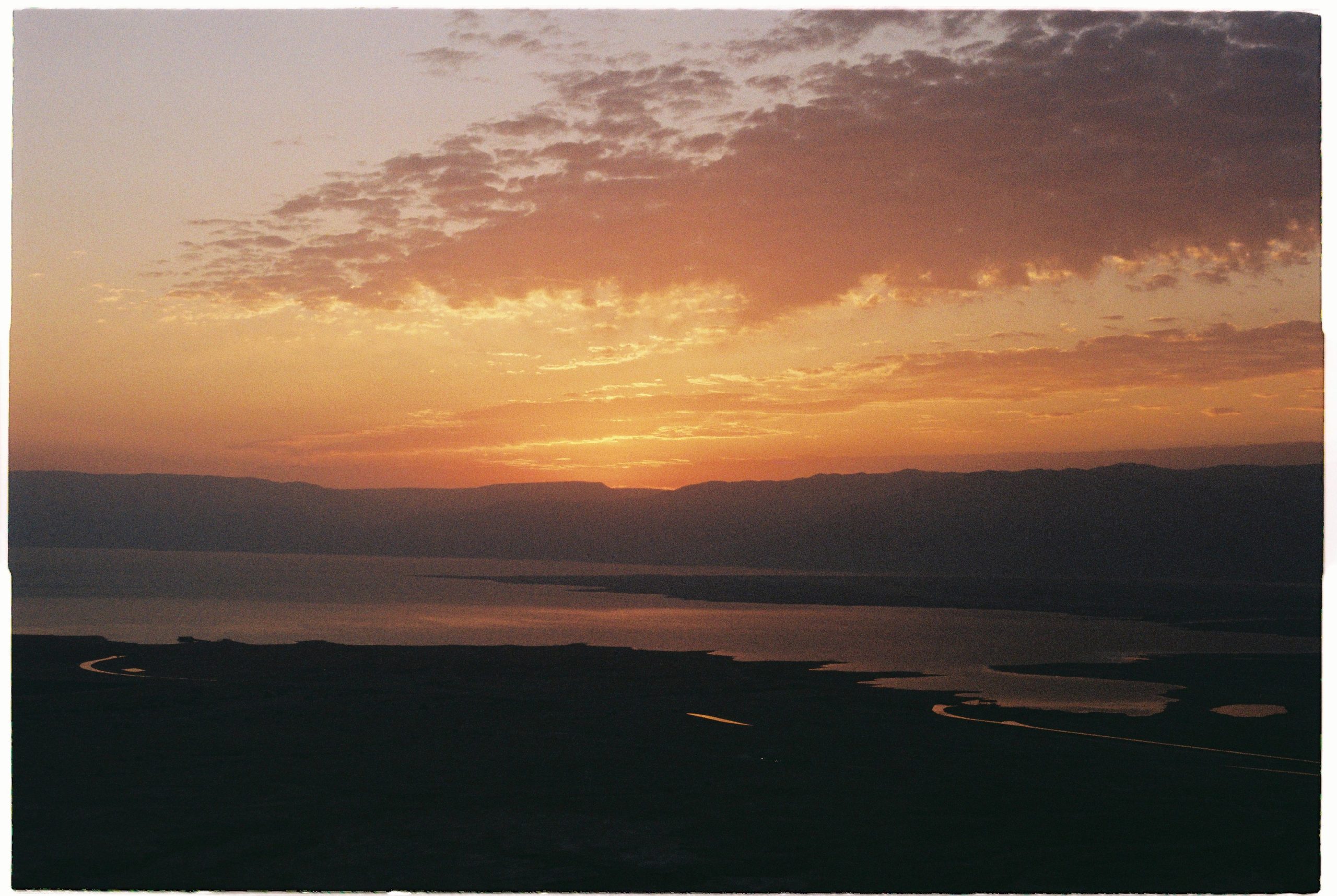
Východ slnka na Masade.
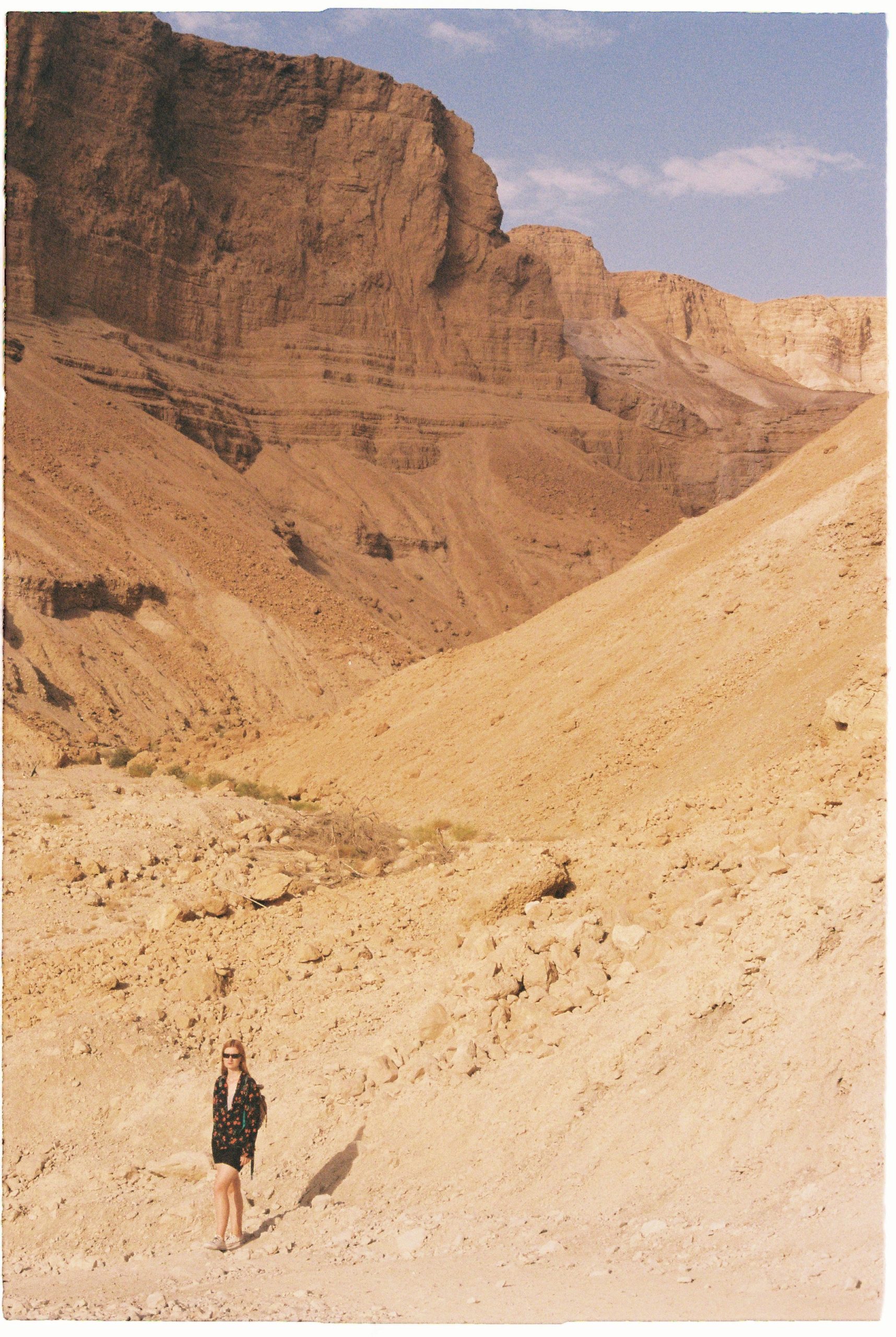
Ja na Masade.
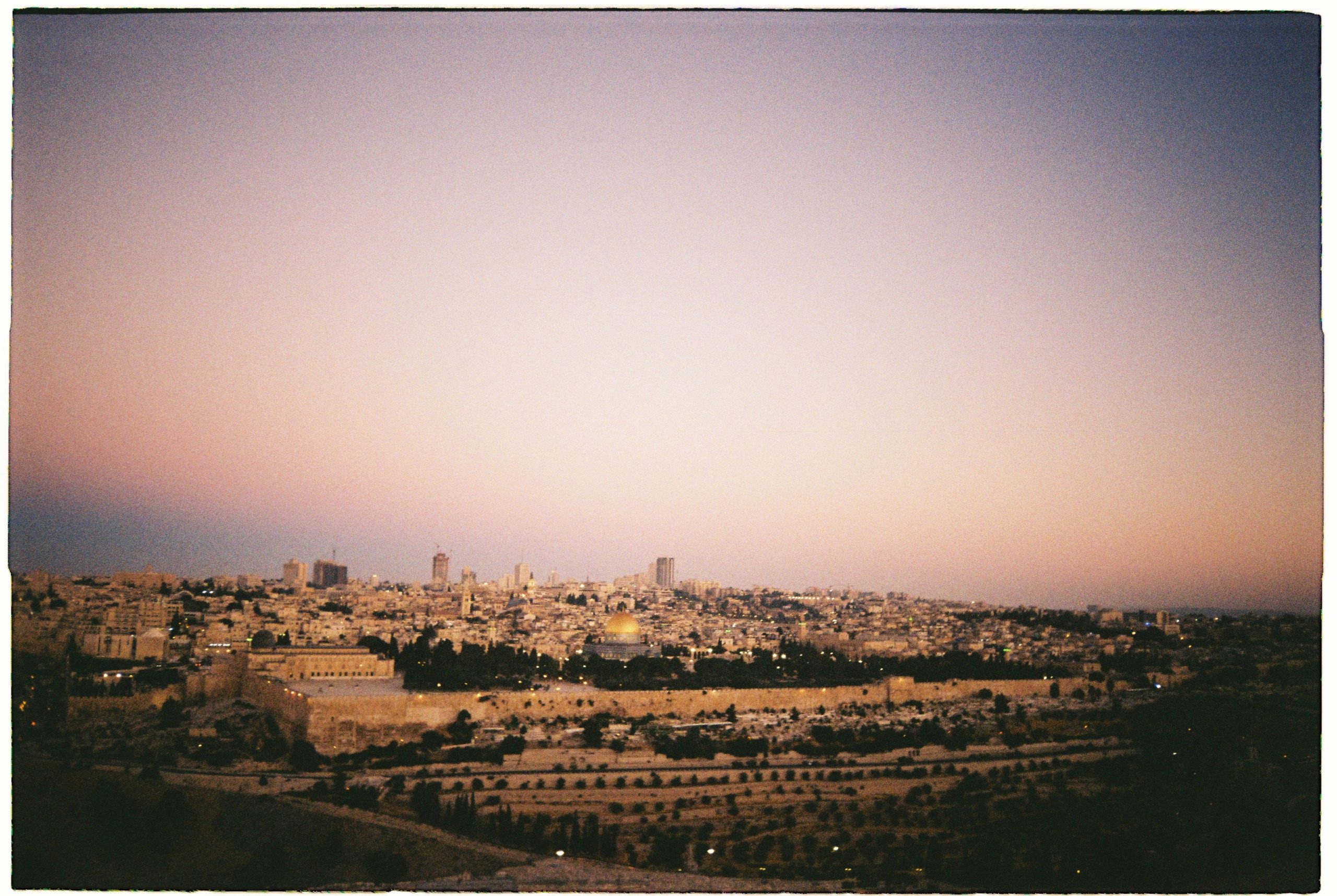
Olivová hora v Jerusaleme.Čakanie na východ slnka.
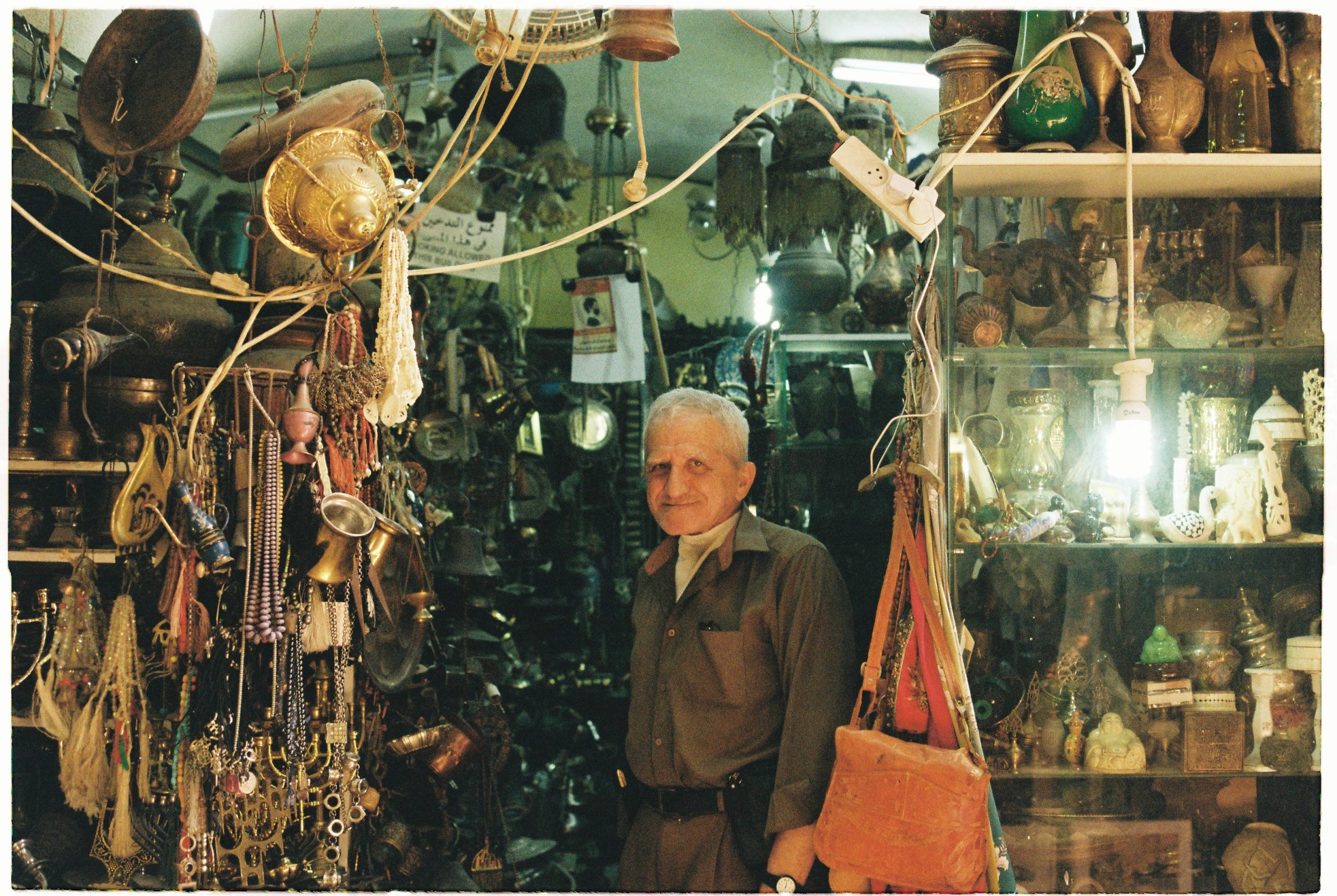
Neskutočne milý obchodník v starožitníctve v Jeruzaleme, kde som si kúpila Menoru.
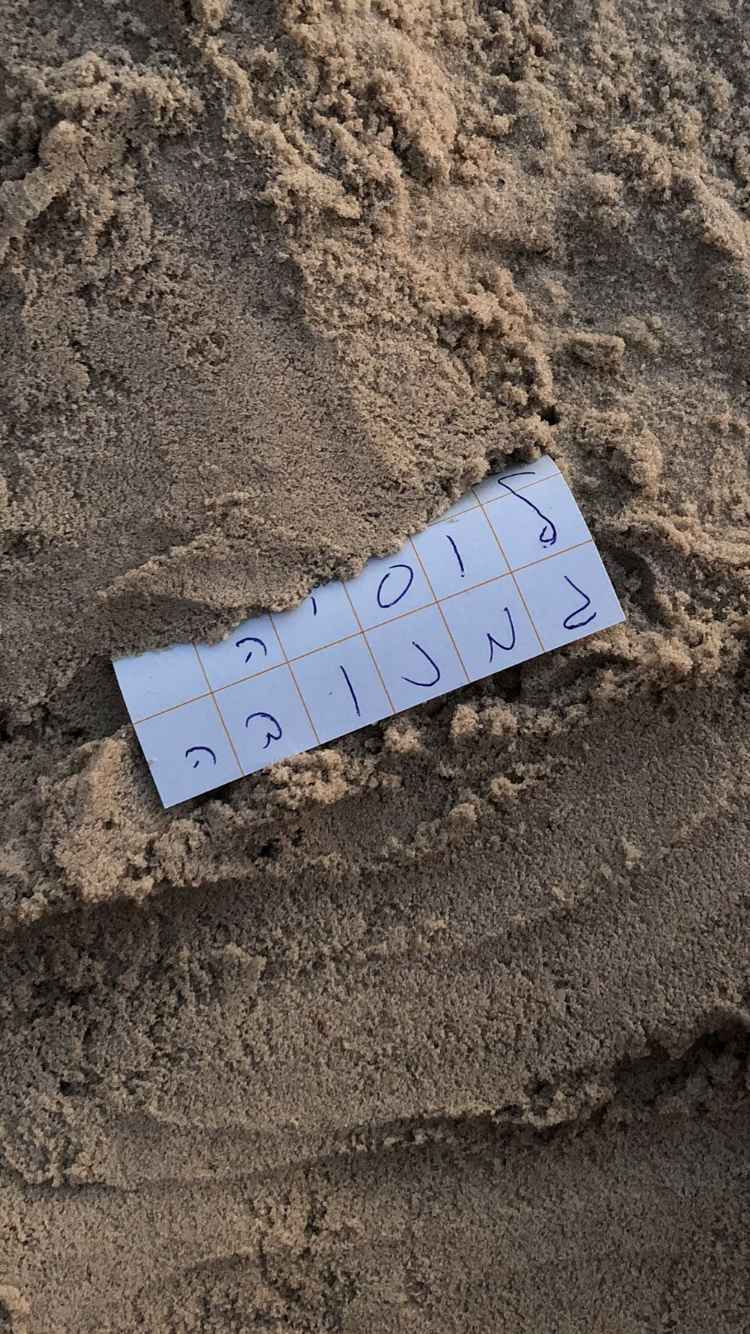
Moje meno v hebrejčine napísané mojím kamarátom Drorom.
Prešli sme spolu prvý mesiac. Strávili sme v rozhovore asi 6 hodín:)
Ten prvý mesiac bol pre mňa najdôležitejší zo všetkých troch. V prvom mesiaci som objavovala nové situácie, úplne nové podnety. Deň bol pre mňa v máji oveľa dlhší. Počas mája som aj najviac zažila. Potom už som si našla svoju rutinu a systém a cítila som sa ako doma.
Mám rada, keď som niekde v novom prostredí na začiatku, je to úplne iná ostrosť vedomia.
Áno, oveľa viac som na začiatku sledovala okolie. Potom som si už našla svoje cesty a neuvedomovala som si až tak, čo sa okolo mňa deje. Niektoré momenty boli silné. Určite tie západy slnka, ktoré som zažívala, sú v intenzite pre mňa porovnateľné so zážitkom z púšte, kde som videla východ slnka, keď ma prišiel pozrieť môj manžel Matej. Cez deň je tam strašne teplo, takže sme tam z Tel Avivu cestovali o jednej ráno, a hore na Masadu sme prišli o pol štvrtej ráno.
Východ slnka
Čo je Masada?
Masada (hebr. מצדה, Mecada, od slova מצודה mecuda, „pevnosť“) je staroveká pevnosť neďaleko Mŕtveho mora. Výstup na túto pevnosť trvá viac ako hodinu. Jeden zo silných momentov bol, že sme tam prišli potme. Čím viac sme sa približovali k vrcholu, tým viac sa rozvidnievalo, pomaly sa odkrývali obrysy púšte. Mohli to byť aj hory, pripomínalo mi to miestami kopce v Tatrách. Keď sme prišli hore, začal východ slnka. Trvalo to pár minút. Začal deň. Opak toho, čo som zažila v meste, v Tel Avive som chodila vždy na západy, na Masade som bola na východe.
S akým pocitom sa ti to spája?
Uvedomenie, že východ slnka je každý deň, ale ty to zažívaš zriedka, možno len raz do roka.
Pamätám si, keď v ten moment na púšti vyšlo slnko, človek nestihne úplne zreflektovať, čo sa tam odohráva. Zrazu vidíš okolo seba púšť. Povrchy, rôzne povrchy zeme, si obklopená obrovským priestorom, vidíš Mŕtve more, ktoré patrí dvom krajinám. Zažívaš rozvidnievanie púšte, postupné uvedomenie toho kde si, a potom východ, moment začínajúceho sa dňa. Si tak malá v tom priestore.
Krátko na to ako vyšlo slnko tam bolo tak veľa stupňov, že sme museli ísť naspäť. Prešli sme cez Národnú prírodnú rezerváciu Ein Gedi. Keď funguješ od jednej hodiny rána, tak už si na inej línii dňa. Vošli sme do obchodu, kde nás pani predavačka privítala pozdravom: Boker Tov (Dobré ráno). Ja som sa zarazila a pozrela som sa na hodiny. Bolo pol ôsmej. Už som mala za sebou iné súvislosti.
Dobré ráno. Aký “aha” moment.
To bolo také vrátenie sa do reality. Lebo aj Masada, aj Ein Gedi bolo niečo neskutočné, čo sa tam odohrávalo. A potom zlezieš dole, vojdeš do malého obchodíka, kde si kúpiš nanuk a zrazu zistíš, že niekomu len teraz začal deň a ty už máš za sebou päť hodín v púšti, východ slnka a prechádzku v národnom parku.
To je akoby si vošla do nejakej časovej štrbiny, priezoru.
Presne, a pritom to môžeš zažívať každý deň, i keď to už by potom asi nikomu nebolo také vzácne. V Bratislave som to nikdy neskúsila. Môj prvý východ tu bol keď som sa vracala z Izraela. Bratislava ma privítala východom slnka. Najprv mi 6 hodín meškal let. Bola som veľmi vyčerpaná, a keď som prišla do Bratislavy, tak ma ten východ dojal k slzám. Hovorila som si, že to tak muselo byť, ten východ ma počkal.
Ešte jeden špeciálny východ som zažila na Olivovej hore v Jeruzaleme. Išla som tam s kamarátom Darjanom. Môj plán bol ukázať mu Masadu a pozrieť si východ slnka, no už vtedy sme vedeli, že to kvôli doprave nestihneme. Autobus išiel s prestupom v Jeruzaleme. Prvá ranná doprava cez Múr nárekov, odkiaľ sme kráčali asi pol hodinu na Olivovú horu. V autobuse každú zastávku pribúdali ľudia, ktorí sa pripravovali na prvú rannú modlitbu a postupne si rozkladali svoje modlitebné knižky. Bol plný autobus a celý akoby šepkal. Nedalo sa v ňom hýbať, bolo asi pol štvrtej ráno, rôzne vekové kategórie, od najmenších detí až po babičky a dedkov, sedeli alebo stáli, držali si svoje knižky, hýbali sa svojim rituálnym pohybom a pripravovali sa na príchod k Múru.
To bolo stretnutie s autentickým životom v Jerusaleme, ako domáci využívajú čas, keď tam nie sú žiadni turisti. Stali sme sa súčasťou ich cesty. Boli sme nemí, pozerali sme sa na seba cez celý autobus. Boli tak ponorení v modlitbách, že som vôbec nemala pocit, že im uberáme priestor.
A potom, keď stojíš na Olivovej hore a začne svitať, vidíš ako Mešita al-Aksá začne neuveriteľne svietiť, a zrazu je z nej to slnko… Ona je slnkom.
Prečo myslíš, že nezažívame takéto každodenné univerzálne zázraky ako východ slnka aj doma, ale musíme ísť niekde inde?
Ja to mám asi preto, že keď je to prostredie pre mňa dôverne známe, tak si myslím, že to môžem zažiť hocikedy. Máš niečo tak veľmi prítomné, že to môžeš urobiť každý deň, tým pádom to vnímaš ako niečo, čo nepotrebuješ urobiť teraz, lebo to môžeš urobiť hocikedy. Ani ti to možno nenapadne. Keď som sa vrátila, tak som si vyhľadávala najkrajšie západy a východy slnka v okolí Bratislavy. Mala som ambíciu, že pôjdem na nejaký východ slnka, ale doteraz som to neurobila.
Hej, ako tú skúsenosť priniesť domov a aplikovať. Ja sa to tiež učím.
To som si presne hovorila, že keď sa vrátim, nájdem si miesta na prechádzky… Budem skúmať aj prostredie, ktoré poznám, očami toho, kto príde prvýkrát. Kráčať ulicami tak, akoby som ich nepoznala. Zažiť si ich odznova… Bolo by super, keby sme sa vybrali na takú túru.
Vieš čo, mohli by sme ísť spolu do Karpát.
To by sme mohli. Ale fakt!
Koniec
Lucia Židek Gamanová (*1993, Nitrianske Pravno) je dizajnérka, ktorá sa zaoberá najmä vizuálnou identitou a vizuálnou komunikáciou v priestore, s osobitným zameraním na výstavný dizajn. Lucia vyštudovala Vysokú školu výtvarných umení v Bratislave. V súčasnosti je doktorandkou na Katedre vizuálnej komunikácie, v ateliéri Priestor.
Dana Tomečková (*1986, Bratislava) je výtvarníčka a šperkárka, absolventka Vysokej školy výtvarných umení v Bratislave. Pracuje s objektom, inštaláciou a textom. Občas robí rozhovory – dlhé sedenia, ktoré nahráva. V procese transkripcie text vychádza na povrch akoby po druhýkrát – nanovo a ukazuje svoju vlastnú štruktúru.
[:en]
Lucia Židek Gamanová: Only in retrospective I realized that the text written in Hebrew is naturally read from the end, it means that the end is actually the beginning. I have something similar. At the first touch of a book, when I reach for it in a bookstore, wherever I go, it is more natural for me to flip through the book from the end.
Dana Tomečková: I do the same! Lucy, “at the end” of our conversation, I’m wondering if you’ve learned any Hebrew?
I didn’t learn the Hebrew alphabet, I was drawn to it every day on the streets, perceiving it as an image. The text was suddenly an image for me that I couldn’t decode. Suddenly, I started to notice completely different details. For example, I was fascinated by their security sign EXIT. I perceived it as an object, as part of the interior, it didn’t bother me the way it does somewhere else in the exhibition. It was by every door and I tended to go to every exit. In Israel, I had Exits as a love.
You actually read Exits from end to beginning, too.
At one of the lectures at the Tel Aviv Museum of Art, I learned how it is given in the world to read from left to right. And those who have it the other way have to learn the “standard”. Therefore it is no longer a problem for them to change the order, they are more flexible about it. When I was part of a workshop led by Galit Gaon, it was quite difficult for me to perceive images from right to left. When we taped the photos on the wall, everyone’s photos naturally started from the left, but for me it was the other way around. They were just photos, but suddenly they had completely different narratives for me.
And in what direction will you tell your story? …
Sunset
I’ll tell you the story from the sunset. How I used to go to sunsets every day; I had the sea ten minutes from home. It happened two or three times that I didn’t make it. And also when I was in Jerusalem, outside of Tel Aviv for a few days. I couldn’t wait to go back and see the sunset. The sea was so important to me, that I needed to be there, sit there every evening and look at the sea, during the sunset, take notes.
What are the notes about?
They have a poetic form. I try to capture the presence in it. I sat on the hill and before the sun went down, I had my ritual. I was either reading something or writing down the present moments. I almost always sat at the same place. It’s something I usually do and I’m trying to unlearn it, because I feel like I’m missing out on other points of view. I find a place that suits me and I tend to go there repeatedly.
What does it give to you?
I don’t know, I have it in me. Then I realized exactly this moment and said to myself that I have to change it. And I did. I was no longer sitting on the grass, but on the sand, I took off my shoes. I stopped writing there and it was a different experience. I was able to find myself there, to concentrate and be alone with myself. Every day, there were many people on the hill (The Hill Tel Aviv), mostly locals. Everyone would bring a blanket and snacks and take a 20-minute siesta. When the sun goes down, they start to pack up and go home, they don’t wait any longer. I was always there even half an hour afterwards.
So you were able to eventually break out of your framework and expand it with new ones. Little variations of the same thing. Small steps…
Yes, I made a decision there. Once I get used to something, I tend to do it repeatedly. Sometimes it is also reflected into my further functioning. I tried reframe it there and I succeeded.
…Ah, this is a sunset from a different angle.
Do you have the same in your work?
My process is mostly the same. When I start working on a project, I have already defined steps I need to do first. The project always looks different, but I’m already used to that fundament.
Did you notice the shift in breaking your own habits at work as well? Did you find any new procedures?
I can say I did. When we were working on a project at school. It’s a different situation when I work on my own projects and it’s different when I collaborate with someone. That’s when I’m able to adapt and work differently. I have no problem in changing the process, but it has to be probably influenced by collaboration. In Israel, I explored how it worked there. I enjoyed watching the other mechanisms that are set up there.
Sunset II
Did you bring any new rituals?
I brought home this menorah (seven-branched candelabra). I bought it in an antique store in Jerusalem from an incredibly nice merchant, with whom we had a great conversation. However, I haven’t managed to light it yet, though. When I bought it, I felt happy and guilty at the same time. I was inspired but held a lot of respect.
Maybe it’s about how that object is opened to you. I understand it inspires respect, but it is also a link with who you were there, what you discovered in yourself. Why did you buy it?
The menorah is a everpresent symbol in Israel, so that’s probably why. But I was definitely interested in its shape and the way the candles are inserted in it. I’m glad I brought it.
The Midpoint
Couple enjoying the sea.
A square with a fountain. There was a fire inside the top of the fountain during the holiday. And that fire was covered with water, just on that one day.
You can enjoy Kosher puding Malabi even at night. It’s popular, at least within Tel Aviv. Photo taken at 00:21. First you have a full bowl of hummus with vegetables, then falafel and you end it with this sweet dessert with mint tea. It tastes like pudding covered in syrup and sprinkled with coconut.
A numerous things on the street. I have several pieces of clothing from those benches.
Daily sunset on the Hill. One can enjoy life, I can see it in the people – on Friday and Saturday, the city changes and you can absorb the peace from the air, everything slows down and walking on the pavement is easier, you just have to let yourself get carried away. If it would be possible to see the sea, every day at least for a few minutes, it swayed and caressed me there.
The last sunset on the Hill (my favorite spot in Tel Aviv).
The sunrise at Masada.
Me on the Masada.
The Mount of Olives in Jerusalem. Waiting for the sunrise.
Incredibly nice merchant at the antique store in Jerusalem where I bought the Menorah.
My name in Hebrew written by my friend Dror.
We have talked about your first month. We’ve spent about 6 hours talking together:)
That first month was the most important for me of all three. In the first month, I discovered new situations, completely new impulses. In May, the day was much longer for me. I experienced the most during May. Then I found my routine and system and felt at home.
I like when I’m somewhere in a new environment at the beginning, it’s a completely different sharpness of consciousness.
Yes, I watched my surroundings much more at the beginning. Then, I found my own ways and was not so aware of what was happening around me. Some moments were powerful. Certainly the sunsets that I experienced are comparable in intensity to the experience of the desert, where I saw the sunrise when my husband Matej came to see me. During the day it is terribly hot there, so we traveled there from Tel Aviv at 1am, and we arrived at Masada at 3:30am.
Sunrise
What is Masada?
Masada (Heb. מצאדה, Mecada, from the word מצודה mecuda, “fortress”) is an ancient fortress near the Dead Sea. The ascent to this fortress takes more than an hour. One of the strong moments was when we got there in the dark. The closer we got to the top, the brighter it became, slowly revealing the outlines of the desert. It could also be the mountains, it reminded me of the hills in The High Tatras. When we got up, the sun started to rise. It took a few minutes. The day had begun. The opposite of what I experienced in the city, in Tel Aviv I always went to see the sunsets, at Masada I saw the sunrise.
What feeling do you associate it with?
Realizing that sunrise is every day, but you rarely experience it, maybe only once a year.
I remember, when the sun was rising in the desert at that moment, one does not have time to fully reflect what is happening there. Suddenly you see the desert around. Surfaces, different surfaces of the earth, you are surrounded by a huge space, you see The Dead Sea, which belongs to two countries. You experience the dawning of the desert, the gradual realization of where you are and then the sunrise, the moment of the beginning of the day. You are so small in that space.
Shortly after the sun rose, there were too many degrees and we had to go back. We passed through The National Nature Reserve Ein Gedi. When you travel from one o’clock in the morning, you are already on a different line of the day. We entered the store, where a saleswoman greeted us with the greeting: Boker Tov (Good morning). I stopped and looked at the clock. It was half past eight. I already had completely different contexts behind me.
Good morning. What an ‘oh’ moment.
That was such a return to reality. Because both Masada and Ein Gedi were something unbelievable. And then you go down, into a small shop where you buy a popsicle and suddenly you find out that someone’s day has just started and you’ve already spent five hours in the desert, sunrise and a walk in the national park.
It’s like you’ve entered a time slot, a visor.
Exactly, and you can experience it every day, even though it probably wouldn’t be so special to anyone after that. I have never tried it in Bratislava. My first sunrise here was when I was coming back from Israel. Bratislava welcomed me with a sunrise. First, my flight was 6 hours late. I was very exhausted and when I was arriving to Bratislava, the sunrise brought me to tears. I told myself that it had to be like that, the sunrise was waiting for me.
I experienced one more special sunrise, on The Mount of Olives in Jerusalem. I went there with my friend Darjan. My plan was to show him Masada and watch the sunrise, but we didn’t manage it due to traffic. The bus went with a transfer through Jerusalem. The first morning transport went through The Western Wall, from there we walked for about half an hour to The Mount of Olives. On the bus, at every stop, there were more people entering, preparing for the first-morning prayer and gradually unfolding their prayer books. The bus was full and as if whispering. You couldn’t move there, it was about half past four in the morning, different age groups, from the smallest children to grandmothers and grandfathers, sitting or standing, holding their books and moving with their ritual movements, preparing for The Western Wall.
That was an encounter with authentic life in Jerusalem, the time locals used when there were no tourists. We became part of their journey. We were speechless, and we looked at each other across the whole bus. They were so immersed in prayer that I did not feel at all that we were taking away their space.And then, when you’re already standing on The Mount of Olives and it starts to dawn, you see how The Al-Aqsa Mosque starts to shine with incredible intensity, suddenly it becomes The Sun. It is the sun, itself.
Why do you think we don’t experience such everyday universal miracles as the sunrise even at home, but we have to go somewhere else?
I probably have it because when the environment is intimately familiar to me, I think I can experience it at any time. You have something so present that you can do it every day, so you perceive it as something you don’t need to do now, because you can do it anytime. It might not even occur to you. When I returned, I searched for the most beautiful sunsets and sunrises around Bratislava. I had an ambition to go to see some sunrise, but so far I haven’t.
Exactly, how to bring that experience home and apply it. I’m learning it, too.
That’s exactly what I told myself, when I get back, I’ll find places to walk… Do it like this. I will explore the environment, which I know through the eyes of the person who sees it for the first time. Walking the streets as if I didn’t know them. To experience it all over again… It would be great if we would go on a hike like that.
You know what, we could go to the Carpathians together.
We could. But really!
The End
Lucia Židek Gamanová (*1993, Nitrianske Pravno) is a designer, mainly involved in visual identity and visual communication in space, with a special focus on exhibition design. Lucia graduated from the Academy of Fine Arts and Design, Bratislava. She is currently on her PhD. studies at the Department of Visual Communication, Studio Space.
Dana Tomečková (*1986, Bratislava) is a visual artist and jeweller, graduate from the Academy of Fine Arts and Design in Bratislava. She works primarily with object, installation and text. Sometimes she makes interviews – long sessions that she records. In the process of transciption the text is coming out as if for the second time – anew, showing its own structure.
[:]