New Work / ONDREJ JÓB, Edelhof
[:sk]Na Židovskej ulici v Bratislave prebehla rekonštrukcia bytového domu z tridsiatych rokov. Nás zaujala citlivá renovácia pôvodného nápisu na objekte, tento typ prístupu pri rekonštrukciách je na Slovensku stále výnimočný. Dobové typo je výrazovo veľmi zaujímavý fenomén v čítaní historických vrstiev mesta a života obyvateľov v ňom. O jeho rekonštrukcii sme sa rozprávali s grafickým dizajnérom, písmotvorcom a autorom Ondrejom Jóbom.

Ľubica Hustá: Aký výskum predchádzal renovácii nápisu? V akej fáze projektu si vstúpil pri rekonštrukcii domu Na Židovskej?
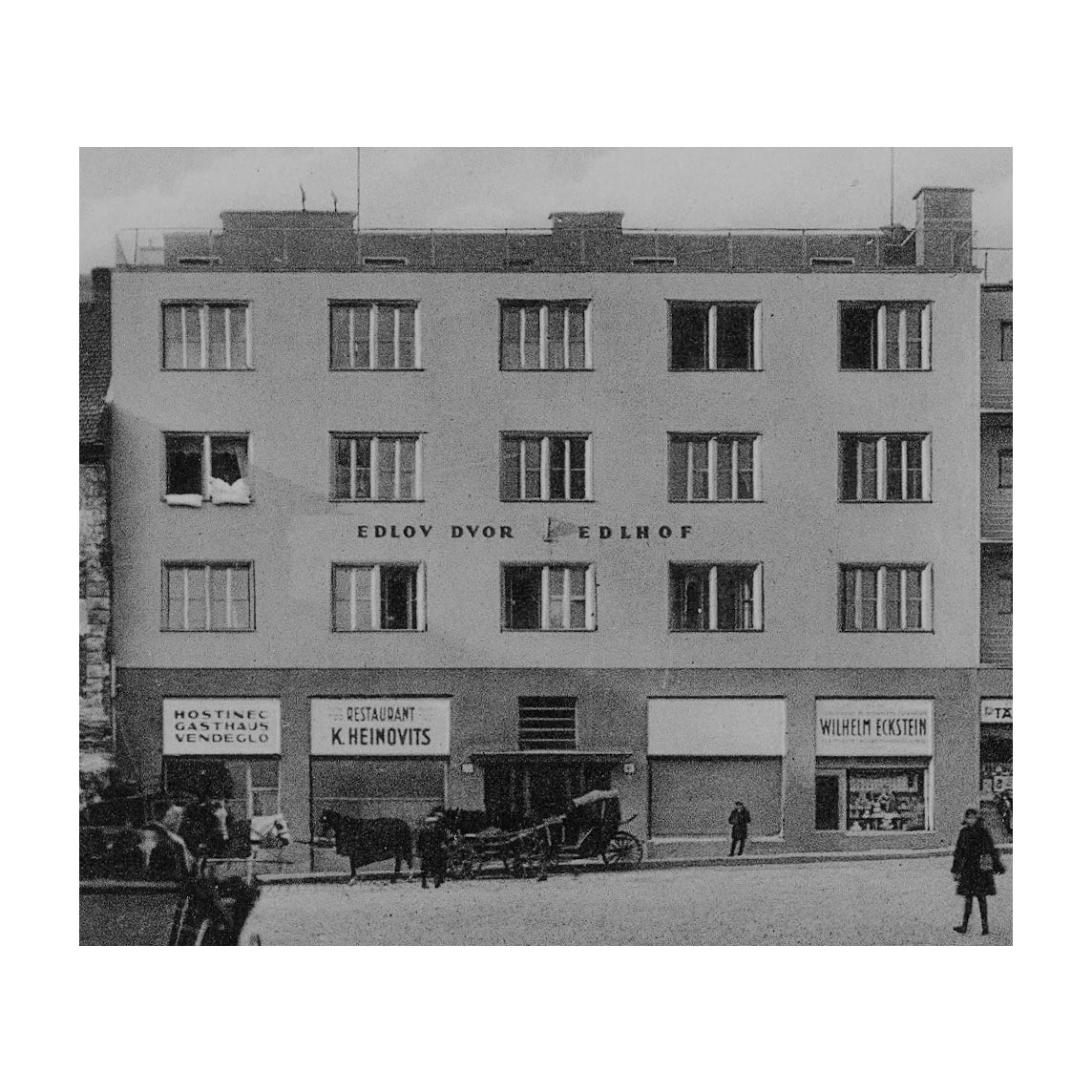
Ondrej Jób: Pri projektoch digitalizácie historických nápisov býva počet vstupných informácií veľmi obmedzený – častokrát existuje len jediná fotografia, aj to nekvalitná. Dosť však pomôže poznať obdobie a okolnosti vzniku nápisu, prípadne autora budovy, vďaka čomu je možné naštudovať si typografické trendy daného obdobia, alebo v ideálnom prípade nájsť podobné nápisy pre referenciu.
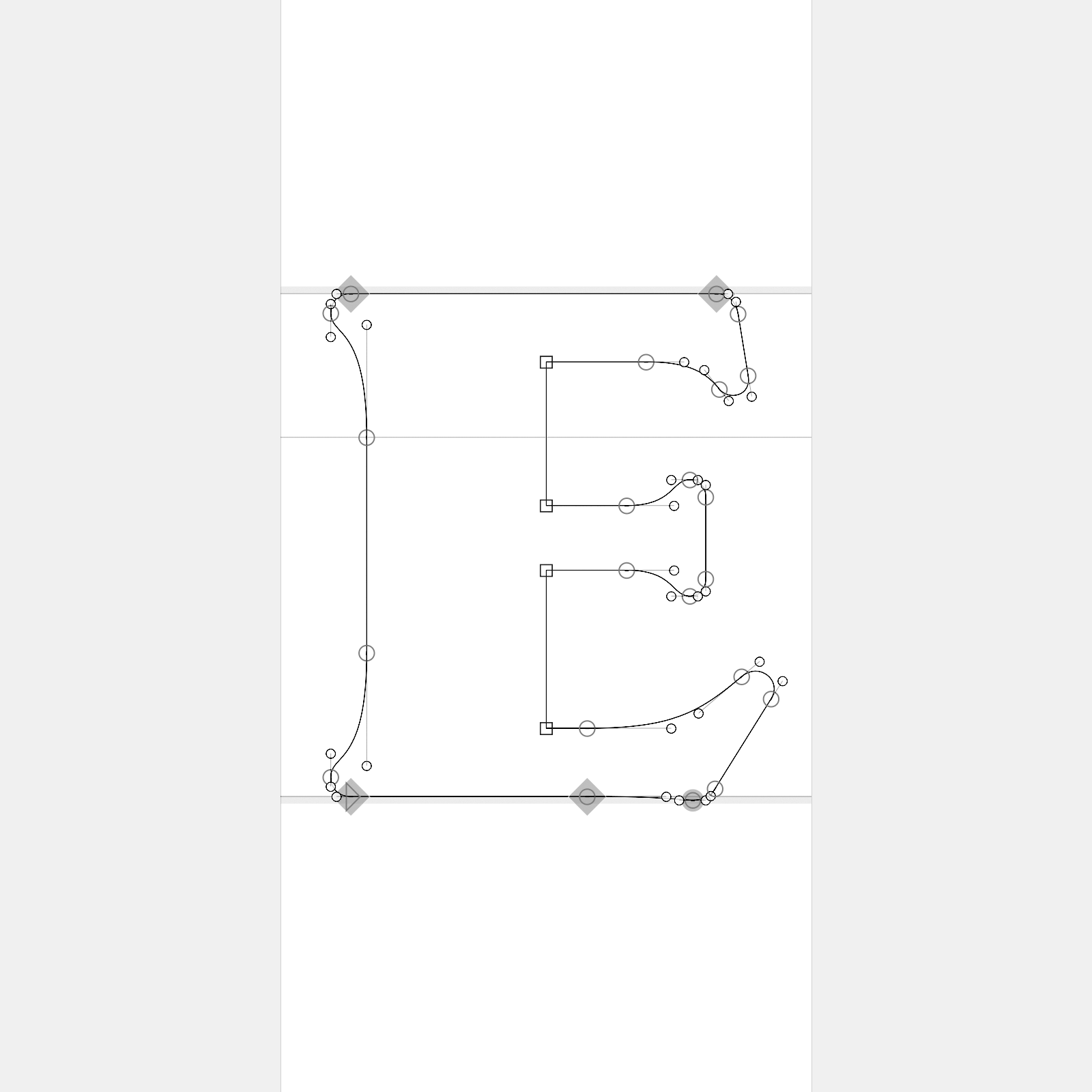
V prípade Edelhofu to bolo presne takto – jedna fotografia, rok 1930 a viedenský architekt Josef Nowotny. Z fotografie nebolo možné odčítať typografické detaily nápisu, celkom jednoznačne to však bolo písmo, ktoré je dodnes možné vidieť vo Viedni, keďže proporcie, tučnosť, kontrast aj konštrukčné detaily súhlasili. Kontaktoval som viedenských dizajnérov písma, o vernej digitalizácii toho písma však nikto nevedel. Digitalizoval som ho teda od nuly a podľa aktuálnych fotografií viedenských nápisov.
Do projektu ma prizval architekt Radoslav Pavlovič z ateliéru Pavjan, ktorý sa špecializuje na obnovu domov. Technické riešenie obnoveného nápisu bolo plne v jeho réžii, ja som dodal digitalizované podklady.
 Robil si už podobné zadanie? Alebo teda je dopyt?
Robil som takých už niekoľko, v Bratislave napríklad nápis Propeller na nábreží, dve realizácie som už robil s reštaurátorom Marekom Repáňom (Nitra, Žilina), jednu s Ateliérom HAUS (Banská Bystrica). Verím, že s rastúcim povedomím budú pribúdať aj realizácie.
Reštaurovanie písma je v našich končinách dosť výnimočné, ty sám patríš medzi zberateľov dobových nápisov vo verejnom priestore. Rozmýšľal si nad tým, ako by sa dalo pomôcť ich uchovávaniu (okrem akvizícii do múzeí) – alebo ako s ním pracovať sekundárne?
Už dlhšie plánujem detailne katalogizovať svoj archív a sprístupniť ho online, aby mohol slúžiť ako databáza referencií pre mňa aj pre každého, kto by mal záujem o oživovanie starých nápisov. Už teraz je síce online na instagramovom účte Type Atlas, ale Instagram prakticky neumožňuje v ňom nijako vyhľadávať, takže jeho využitie je veľmi obmedzené.
Okrem toho plánujem ďalej rozširovať môj katalóg kompletných digitalizovaných písiem – začal som s tabuľkami vo verejnom priestore a chcel by som plynule prejsť aj na písma z náhrobných kameňov, čo je ďalšia oblasť, ktorá s digitalizáciou kamenárskych technológií esteticky veľmi rýchlo upadá.
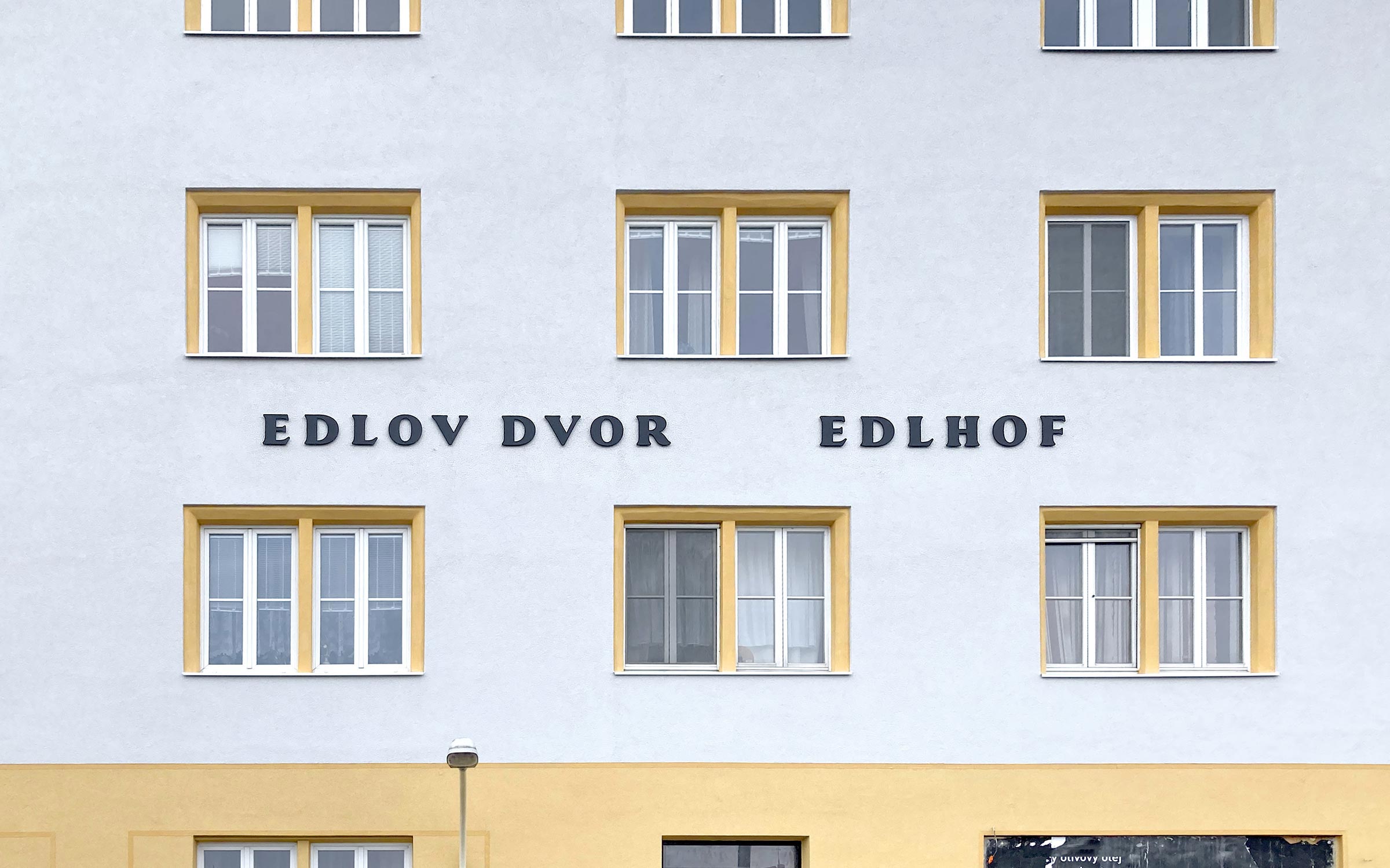

[:en]On Židovská Street in Bratislava, an apartment building from the 1930s was reconstructed. We were attracted by the sensitive renovation of the original inscription on the building, this type of approach to reconstruction is still exceptional in Slovakia. The period typo is a very interesting phenomenon in reading the historical layers of the city and the life of its inhabitants. We talked about its reconstruction with graphic designer, letter designer and author Ondrej Jób.
Ľubica Hustá: What research preceded the renovation of the inscription? At what stage of the project did you enter during the reconstruction of the house on Židovská Street?
Ondrej Jób: In projects of digitizing historical inscriptions, the amount of input information is usually very limited – often there is only a single photograph, even a poor-quality one. However, it is quite helpful to know the period and circumstances of the inscription’s creation, or the author of the building, which makes it possible to study the typographic trends of the period, or ideally to find similar inscriptions for reference.
In the case of the Edelhof, this is exactly what happened – one photograph, the year 1930 and the Viennese architect Josef Nowotny. It was not possible to read the typographic details of the lettering from the photograph, but it was quite clearly the typeface that can still be seen in Vienna today, as the proportions, boldness, contrast and design details all matched. I contacted the Viennese type designers, but no one knew of a faithful digitisation of the typeface. So I digitized it from scratch and from actual photographs of the Vienna inscriptions.
I was invited to join the project by architect Radoslav Pavlovič from the Pavjan studio, who specialises in house renovation. The technical design of the restored inscription was entirely in his hands, I supplied the digitised documents.
Have you done an assignment like this before? Or is there a demand?
I have done several of these, for example the Propeller sign on the embankment in Bratislava, I have done two projects with the restaurateur Marek Repáň (Nitra, Žilina), one with Ateliér HAUS (Banská Bystrica). I believe that with the growing awareness will come more and more realizations.
The restoration of writing is quite exceptional in our area, you yourself are one of the collectors of period inscriptions in public space. Have you thought about how one could help their preservation (apart from museum acquisitions) – or how to work with it secondarily?
I’ve long been planning to catalogue my archive in detail and make it available online, so that it can serve as a database of references for myself and for anyone interested in reviving old inscriptions. Although it’s already online on the Type Atlas Instagram account, Instagram makes it virtually unsearchable, so its use is very limited.
In addition, I plan to continue to expand my catalogue of complete digitised typefaces – I’ve started with signs in public spaces and would like to move seamlessly into tombstone typefaces, another area that is rapidly declining aesthetically with the digitisation of stonework technology.
[:]