[:sk]Speed Date / DAMIÁN CEHLÁRIK, dizajnér[:en]Speed Date / DAMIÁN CEHLÁRIK, designer[:]
[:sk]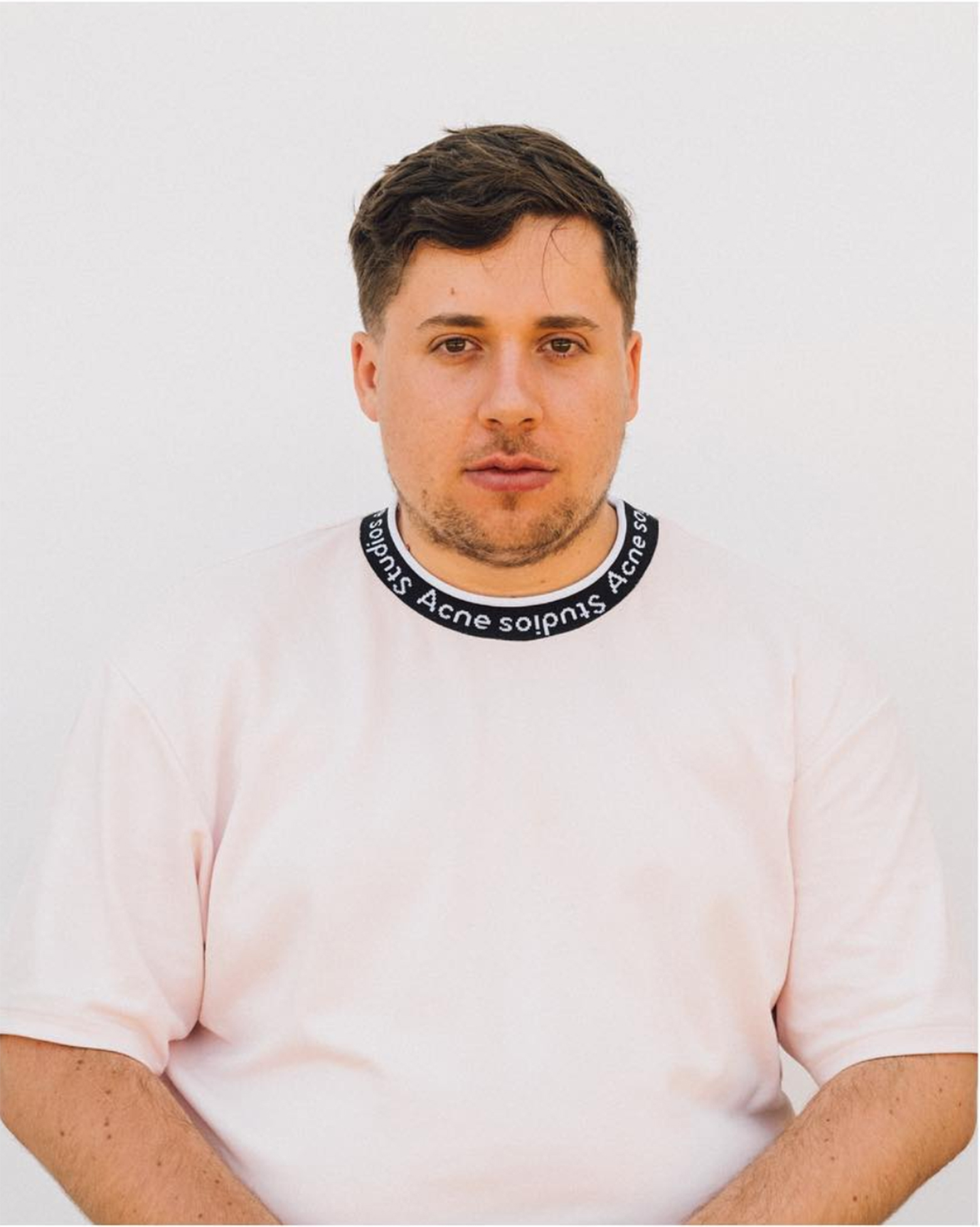
Foto: Riccardo Raspa / pre IG.
Odkiaľ si?
Som zo Šurian, malého mesta pod Nitrou s dobrým železničným spojením so svetom a bohatou cukrovarníckou minulosťou. Tá sa pripomína v zabudnutom ale pozoruhodnom brownfielde na okraji mesta.
Kde si študoval?
(Na strednej som chcel pokračovať v stolárskej tradíci mojej rodiny, tak som sa prihlásil na zvolenskú drevarinu, odbor Tvorba nábytku a interiéru. Čakal som že to bude stolárstvo s maturitou, no tam nás prezývali dizajnéri. To bolo prvý krát keď som sa stretol s tým slovom.)
Bakalárske štúdium som absolvoval na VŠVU Katedra Dizajnu. Medzi tým som strávil pár mesiacov na KONSTFACK, pár týždňov na Architectural Asociation a pár dní na Central Saint Martins. Postgraduálne štúdium som absolvoval na Design Academy Eindhoven oddelenie Sociálneho Dizajnu. Tam som minulý rok skončil medzi top desať absolventami nominovaný na cenu zakladatela MA Gijsa Bakkera a s Cum Laude čo je náš červený diplom.
Kto bol/a najlepší/ia učiteľ/ka?
Môj triedny na základnej škole, ktorý ma proaktívne podnecoval k spevu, hudbe a pódiovému prejavu. Dôležitá bola aj moja učiteľka výtvarného umenia na základnej umeleckej škole. Počas strednej vo Zvolene to bola zase moja slovenčinárka, ktorá ma okrem hudby výrazne podporovala v písaní a hovorenom prejave a učiteľ výtvarnej prípravy, ktorý mi dal skvelé základy dizajnérskej tvorby a teórie umenia.
Čo boli/sú tvoji rodičia?
Otec bol elektrikár, rovnako ako jeho rodičia, no krátko po tom, ako si založil rodinu a zarobil nejaký kapitál, zmenil povolanie na stolárstvo po vzore jeho starého otca. Mamka bola výborná zdravotná sestra na neonatologickom oddelení v Novozámockej nemocnici, no po mojej provnarodenej sestre zmenila kariéru na HR a účtovníctvo, ktoré robí na voľnej nohe aj pre otcovu firmu.
Čo ťa v dizajne, alebo v architektúre nebaví?
Ak sa niekto v našom odbore berie príliš vážne a užíva si, že vo východoeurópskom prostredí je práca umelca, dizajnéra či architekta zahalená rúškom tajomstva. To znamená, že sa vníma ako niečo iné, elitné. Pre mňa je slabé povedomie o profesii problémom.
Naopak čo veľmi?
Mám rád materializáciu, dielne, premýšlanie, prototypovanie, vystavovanie aj konzumáciu diel, skrátka všetko, čo k tvorbe patrí. Ak by som mal vybrať jedno, tak by to bola spolupráca. (Teší ma, keď ma dopĺňa kolega dizajnér, obchodník, kurátor či remeselník. Ešte lepšie ak je to niekto z úplne iného prostredia, napríklad farmár, ktorý má chuť spochybňovať status quo chce a je otvorený spolupráci s dizajnérom. Takúto farmu som navštevoval v Eindhovene. Dodstali sa k vyradenej experimentálnej aquaponickej technológii od Philipsu a robili s ňou skvelé veci.)
Čo počúvaš?
Sluchátka najčastejšie nosím bez hudby, len s módom potláčania hluku. Playlist, ktorý mi na Spotify sadol najviac je Modern Psychadelia. Jeho obsah sa často mení, ale už roky mi veľmi dobre sedí.
Obľúbený film, animák, seriál ?
Môj najobľúbenejší film je Kouř (1999), ktorý režíroval Tomáš Vorel. (Mám o dosť radšej South Park a Rick and Morthy ako Simpsonovcov či Futuramu. Pri pozeraní hraných seriálov ako Game of Thrones a podobne, mávam problém dopozerať aj pilot. Mám radšej limitované jednosériové seriály.)
Koho uznávaš ako autoritu v svojom odbore a mimo neho a prečo?
Nestretol som niekoho kto by mal byť môj role model v plnej miere. Ak by som mal menovať tak si pre čerstvosť spomienok vezmem pedagógov z Holandska. Obdivoval som úžasnú prezentáciu a formu, ktorú mali Simone a Andrea (Formafantasma). Vedúca mojej práce Marina Otero ma zase inšpirovala obrovskou hĺbkou a originálnosťou myšlienok, ktoré boli v jej projektoch a praxi prítomné.
Akú vec si naposledy kúpil?
V Paríži som si kúpil peňaženku od Maison Kitsuné, zvnútra modrá so zipsom, zvonka zelená s ľahostajnou oddychujúcou líškou.
Kupuješ si odbornú literatúru? Čo konkrétne naposledy?
Áno, často. Posledná odborná kniha bola The Black Technical Object od môjho pedagóga z Design Academy Ramona Amaro. Knižka skúma históriu štatistickej analýzy a „vedeckého“ rasizmu vo výskume strojového učenia.
Chodíš voliť?
Ano, zúčastil som sa aj v mestských voľbách v mojej časti Eindhovenu Emmasingel Quartier.
Kto robí najlepšie párty?
Moji spolužiaci z Design Academy, konkrétne z odboru info design – to bol veľmi silný ročník dobrých partymakerov. (Boli skvelí aj v organizácii, aj v mixovaní. Založili dokonca školské rádio, ktoré malo tento rok vlastný stánok na Salone Satellite v Miláne. Okrem toho chodievali hrať do RARARADIO, čo bolo mestské rádio pre hudobníkov, DJov, aktivistov, spisovatelov aj čarodejov.)
Obľúbená kupola?
Naprojektovaná, no nepostavená kupola novorománskej dostavby Šurianskeho kostola.
Šaty na párty. Od koho?
Acne Studios. (Okrem oblečenia majú najlepší HQ zo všetkých módnych domov. Bývalú Československú ambasádu vo Švédsku. Veľa obchodov im navrhlo jedno z mojich oblúbených štúdii Halleroed. Prvú vec som si kúpil, keď som bol na Konstfacku v obchode Acne Archive Torsgatan.)
Hrdina/ka z minulosti?
(Mám dvoch veľkých hrdinov už od strednej, jeden je zahraničný a je z minulosti.) Taliánsky majster dizajnér, teoretik a kritik Enzo Mari. Bol som na výstave 60 rokov jeho práce v Milánskom Triennále. Bolo to pre mňa veľmi dôležité tak som zobral aj mamku. Enzo Mari zomrel v čase otvorenia výstavy. (Druhý hrdina je viac lokálny ale vôbec nie je z minulosti, profesor Pelcl. Počas strednej som mal sen študovať v jeho pražskom ateliéri práve pre sociálny aspekt jeho práce, a vplyv ktorý mal z osemdesiatych rokov od svojho učitela Ettore Sottsassa z Royal College of Arts. Takéto vplyvy a zadania v Česku a na Slovensku v rámci výučby dizajnu badeatelné neboli, takže som kôli tomu na sebe veľa pracoval a cestoval do Prahy. Bohužial som ho už ako vedúceho ateliéru nestihol.)
Najlepší/najkrajší dom?
Momentálne je pre mňa najkrajší ten, do ktorého si sťahujem ateliér. Je to nájomný dom postavený v dvadsiatych rokoch minulého storočia na Palisádach v Bratislave. Má krásne detaily a stopy histórie, ako napríklad diery od guliek z druhej svetovej vojny vo fasáde. Nedávno som videl aj pôvodný projekt. Nie je to nejak známa architektúra, ale cez postupné poznávanie a prácu s ním si k nemu vytváram osobný vzťah.
Máš nejaké stereotypy pri tvorbe? Ako sa prejavujú?
Keď robím niečo, kde nezamestnávam svoju myseľ na plno, napríklad modelovanie alebo kreslenie technickej dokumentácie, tak mám na druhom monitore pusteného Poirota, toho stváreneného Davidom Suchetom. Pomáha mi to zamestnať tú časť mojej mysle, ktorá by ma vyrušovala tým, že sa nudí. Poirot by ma bez tej práce nebavil.
Čo máš na ploche?
Prednastavené pozadie, ktoré občas vystriedam s takou zvláštou kaleidoskopickou grafikou emoji lietadiel a oblačikov. Rád robím portréty môjho 9 ročného brata zachyteného pri bežných činnostiach, ako napríklad kosenie či štiepanie dreva, aby mal trochu umelecky a humorne poňaté spomienky na detstvo. Keď je nejaký záber dosť estetický na pozadie, tak mám aj ten.
Najlepšia výstava, dielo?
Za retrospektívnu dizajnérsku výstavu to je spomínaná výstava Enza Mariho, ktorú kurátorovali Hans Ulrich Obrist a Francesca Giacomelli. Za súčasnú Cambio od Formafantasma, ktorú som videl v Museo Pecci a kurátoroval ju tiež Hans Ulrich Obrist. Z voľného umenia som si veľmi užil retrospektívnu výstavu Márie Bartuszovej v Tate Modern a súčastnú výstavu Who The Bær, Simon Fujiwara vo Fondazione Prada.
Čo z domácej a zahraničnej scény rešpektuješ? A prečo?
Z domácej scény mi príde najzaujímavejšia práca filozofa Lukáša Likavčana, ktorý sa zaoberá ekológiou, technológiou a vizuálnymi kultúrami. Napísal knihu Úvod do komparatívnej planetológie a jeho myšlienky sú súčasťou tohoto diskurzu. Prednášal napríklad na festivale o digitálnej kultúre a umení Transmediale v Berlíne. Zo svetovej scény mám rád Cooking Sections, ktorý sa tiež venujú skúmaniu globálnych systémov, ale prostredníctvom jedla. Vo svojej práci bravúrne využívajú multimédiá, pracujú veľmi lokálne a ich práca je niekde medzi architektúrou, ekológiou a geopolitikou. V roku 2020 dokonca vyhrali najprestížnejšiu cenu pre výskum v architektúre, Wheelwright Prize ktorú udeľuje Harvard GSD. Minulý rok ju vyhrala Marina Otero, moja vedúca zo sociálneho dizajnu.
Morálka alebo peniaze?
Vôbec by mi nevadilo, ak by som mohol iba tvoriť a peniaze by neexistovali. Ale existujú. Zároveň, ako sociálny dizajnér, chcem rozumieť spoločnosti a tej sú peniaze súčasťou. Vždy keď mám pochybnosti o morálnosti projektu, dôkladne to zvážim, urobím si rešerš, alebo idem na prvé stretnutie zistiť, či tá kritika nie je len ohováranie a rozhodnem sa. Pár zvláštnych projektov som už odmietol. Pamätám si interiér hotela, s ktorým sa spájali zvláštne mená a interiér kancelárie pre politika jednej sociálno-demokratickej strany.
Výnimočná kniha?
Aby som zostal v téme, tak vyberiem katalóg výstavy Enzo Mari, kde je popri monografickej štúdii množstvo rozhovorov a príspevkov od medzinárodne uznávaných dizajnérov a umelcov, ktorých kurátor pozval, aby prostredníctvom svojich diel vzdali hold dielu a postave Enza Mariho.
Optimista, pesimista, nihilista?
Optimista.
Máš nejaké hobby?
Najradšej varím a vytváram si rôzne pop-up akcie, kde môžem variť pre kamarátov. Keď cestujem, rád spoznávam nové recepty, tradície a spôsoby prípravy jedla. Môj brat má túto záľubu ešte silnejšiu, až sa rozhodol zmeniť rozbehnutú karieru z IT na gastronómiu.
Individuálne alebo v kolektíve?
Kolektívne.
Slovensko zem zasľúbená?
Toto bola moja najväčšia dilema posledného roka. Na jar som sa rozhodol na Slovensko vrátiť. V Septembri si otváram ateliér na bratislavských Palisádach, ktorý sa volá Space Object. Bude sa venovať priestorovému a produktovému dizajnu, ale zároveň je to vesmírny objekt pre všetku multidisciplinárnu prácu, ktorú robím. Budeme mať najlepšie espresso a občas nejaký pop-up brunch, večeru či super skorú kávu s diskusiou o témach, ktoré dizajnérsku komunitu zaujímajú. Presne taký bol môj byt v Holandsku a bolo to super. V Bratislave chcem to isté, len otvorené do ulice.
damiancehlarik.com
@damian.works
[:en]
Photo: Riccardo Raspa / for IG.
Where are you from?
I’m from Šurany, a small town below Nitra with good railway connections to the world and a rich sugar past. This is recalled in a forgotten but remarkable brownfield on the outskirts of the town.
Where did you study?
(In high school, I wanted to continue my family’s carpentry tradition, so I enrolled at the Volen Woodworks, majoring in Furniture and Interior Design. I expected it to be carpentry with a high school diploma, but there we were nicknamed designers. That was the first time I encountered that word.)
I did my bachelor’s degree at the AFAD Department of Design. In between I spent a few months at KONSTFACK, a few weeks at the Architectural Association and a few days at Central Saint Martins. I did my postgraduate studies at the Design Academy Eindhoven Social Design department. There last year I finished among the top ten graduates nominated for the MA founder Gijs Bakker award and with Cum Laude which is our red diploma.
Who was your best teacher?
My class teacher in primary school who proactively encouraged me in singing, music and stage presence. My art teacher at the elementary art school was also important. During high school in Zvolen, it was again my Slovak language teacher, who, besides music, strongly supported me in writing and speaking, and my art teacher, who gave me a great foundation in design work and art theory.
Who were/are your parents?
My father was an electrician, as were his parents, but shortly after he started a family and earned some capital, he changed his profession to carpentry, following his grandfather’s example. Mom was an excellent nurse in the neonatology ward at New Hampshire Hospital, but after I was born, she changed careers to HR and accounting, which she also does freelance for Dad’s company.
What don’t you enjoy in design?
If anyone in our field takes themselves too seriously and enjoys being in an Eastern European environment, the work of an artist, designer or architect is shrouded in a veil of mystery. It means that it is perceived as something different, elite. For me, the low awareness of the profession is a problem.
And on the contrary, what do you?
I like materialisation, workshops, thinking, prototyping, displaying and consuming works, in short everything that goes with making. If I had to pick one, it would be collaboration. (I’m delighted when a fellow designer, marketer, curator or artisan complements me. Even better if it’s someone from a completely different background, such as a farmer who is willing to challenge the status quo wants and is open to collaborating with a designer. I visited such a farm in Eindhoven. They had gotten hold of discarded experimental aquaponic technology from Philips and were doing great things with it.)
What do you listen to?
The playlist that suits me best on Spotify is Modern Psychadelia. Its content changes frequently, but it’s been a good fit for me for years.
Your favourite film, cartoon, series?
My favourite film is Kouř (1999), directed by Tomáš Vorel. (I like South Park and Rick and Morty a lot more than The Simpsons or Futurama. When watching feature series like Game of Thrones and the like, I have trouble even finishing the pilot. I prefer limited one-series shows.)
Who do you respect as an authority in and out of your field?
I haven’t met anyone who is fully my role model. If I had to name names I’ll take educators from the Netherlands for freshness of memory. I admired the amazing presentation and form that Simone and Andrea (Formafantasma) had. My supervisor Marina Otero, in turn, inspired me with the tremendous depth and originality of ideas that were present in her projects and practice.
What thing did you last buy?
In Paris I bought a purse from Maison Kitsuné, blue inside with a zipper, green outside with an indifferent resting fox.
Do you buy professional literature? What was the latest book?
Yes, often. The last professional book was The Black Technical Object by my Design Academy teacher Ramon Amaro. The book explores the history of statistical analysis and “scientific” racism in machine learning research.
Do you vote?
Yes, I also participated in the municipal elections in my part of Eindhoven, Emmasingel Quartier.
Who throws the best parties?
My classmates from the Design Academy, specifically from the info design department – it was a very strong class of good partymakers. (They were also great at organizing and mixing. They even started a school radio station, which had its own booth at the Salone Satellite in Milan this year. In addition, they used to play at RARARADIO, which was the city’s radio station for musicians, DJs, activists, writers and magicians.)
Your favourite dome?
The designed but unbuilt dome of the Neo-Romanesque addition to the Church in Šurany.
Party dress. Made by…?
Acne Studios. (Aside from the clothes, they have the best HQ of all the fashion houses. The former Czechoslovak embassy in Sweden. A lot of their stores were designed by one of my favourite studios, Halleroed. The first thing I bought when I was in Konstfack was at the Acne Archive Torsgatan store.)
Your hero from the past?
(I’ve had two big heroes since high school, one is foreign and from the past.) Italian master designer, theorist and critic Enzo Mari. I was at an exhibition of 60 years of his work at the Triennale in Milan. It was very important to me so I took my mom. Enzo Mari died at the time of the opening of the exhibition. (The other hero is more local but not at all from the past, Professor Pelcl. During high school I had a dream to study in his Prague studio just because of the social aspect of his work, and the influence he had from his teacher Ettore Sottsass from the Royal College of Arts in the eighties. Such influences and assignments were not readily available in Czech and Slovak design education, so I worked on myself and travelled to Prague a lot for that. Unfortunately, I didn’t get to see him as head of the studio.)
Best/nicest house?
Right now, the most beautiful house for me is the one I’m moving my studio into. It’s a rented house built in the 1920s in Palisády in Bratislava. It has beautiful details and traces of history, such as bullet holes from World War II in the facade. I have also recently seen the original project. It’s not somehow a well-known piece of architecture, but through gradually getting to know it and working with it, I’m developing a personal relationship with it.
Do you have any stereotypes when you work? How do they show?
When I’m doing something where I’m not fully occupying my mind, like modelling or drawing technical documentation, I have Poirot on the second monitor, the one portrayed by David Suchet. It helps me occupy the part of my mind that would distract me by being bored. Poirot wouldn’t amuse me without that job.
What’s on your desktop?
A default background, which I occasionally replace with this weird kaleidoscopic emoji graphic of planes and clouds. I like to do portraits of my 9 year old brother captured doing mundane activities like mowing or chopping wood, so he has some artistic and humorous memories of his childhood. When a shot is aesthetic enough for the background, I have that too.
Best exhibition, work of art?
For a retrospective design exhibition, it’s the aforementioned Enzo Mari exhibition curated by Hans Ulrich Obrist and Francesca Giacomelli. For the contemporary Cambio by Formafantasma, which I saw at the Museo Pecci and was also curated by Hans Ulrich Obrist. In free art, I thoroughly enjoyed the retrospective exhibition of Mária Bartuszová at Tate Modern and the current exhibition of Who The Bær, Simon Fujiwara at the Fondazione Prada.
What do you respect both from the local and foreign design scene? And why?
From the local scene, I find the most interesting the work of philosopher Lukáš Likavčan, who deals with ecology, technology and visual cultures. He wrote the book Úvod do komparatívnej planetológie [Introduction to Comparative Planetology] and his ideas are part of this discourse. He has given lectures at the Transmediale festival on digital culture and art in Berlin, for example. From the world scene, I like Cooking Sections, which is also dedicated to exploring global systems, but through food. They make bravura use of multimedia in their work, they work very locally and their work is somewhere between architecture, ecology and geopolitics. In 2020 they even won the most prestigious prize for research in architecture, the Wheelwright Prize awarded by the Harvard GSD. Last year it was won by Marina Otero, my supervisor in social design.
Ethics or money?
I wouldn’t mind at all if I could just create and money didn’t exist. But there is. At the same time, as a social designer, I want to understand society, and money is part of that. Whenever I have doubts about the morality of a project, I consider it carefully, do my research or go to the first meeting to see if the criticism is just slander, and make a decision. I’ve turned down a few odd projects. I remember the interior of a hotel that had strange names associated with it, and the interior of an office for a Social Democratic Party politician.
Extraordinary book?
To stay on topic, I’m going to choose the catalogue of the Enzo Mari exhibition, where, alongside the monographic study, there are a number of interviews and contributions from internationally renowned designers and artists who have been invited by the curator to pay tribute to the work and figure of Enzo Mari through their works.
Optimist, pessimist, nihilist?
Optimist.
Do you have any hobby?
I like to cook the most and create different pop-up events where I can cook for my friends. When I travel, I like to learn new recipes, traditions and ways of preparing food. My brother has this hobby even stronger until he decided to change his budding career from IT to gastronomy.
Solo or in a collective?
Collectively.
Slovakia as the Promised Land?
This has been my biggest dilemma of the last year. In the spring I decided to return to Slovakia. In September I am opening a studio in Bratislava Palisades, called Space Object. It will be dedicated to spatial and product design, but at the same time it is a space object for all the multidisciplinary work I do. We’ll have the best espresso and occasionally some pop-up brunch, dinner or super early coffee with a discussion on topics of interest to the design community. That’s exactly what my apartment in the Netherlands was like and it was great. In Bratislava I want the same thing, just open to the street.
damiancehlarik.com
@damian.works
[:]