[:sk]Recenzia / NEKĽUDNÉ OBRAZY KRÍZ V ZÁZNAMOCH SPOVEDÍ REALITY[:en]Review / UNCLEAR IMAGES OF CRISIS IN THE RECORDS OF REALITY[:]
[:sk]Ján Skaličan: Tiché svedectvo, 1. – 29. marec, 2023, tranzit.sk, kurátorka Judit Angel[:en]Ján Skaličan: Eyewitness, 1–29 March 2023, tranzit.sk, curated by Judit Angel[:]
[:sk]Výstava Tiché svedectvo v bratislavskom Tranzit.sk komunikuje aktuálnosť environmentálnej krízy, rozvíja možnosti foriem práce s obrazovým i zvukovým materiálom a zároveň citlivo, no o to intenzívnejšie zdôrazňuje zmysel a úlohu umenia smerujúceho k angažovanosti. Práca Jána Skaličana neostáva pri ilustratívnej obraznosti, je kolaboratívna a kritická. Pozícia umelca je tu proklamovaná za pomoci mapovania a mediácie materiálov, pričom prehovárať necháva samotné entity zasiahnutých prírod – prostredí. Spolu s pripomenutím potreby rozvíjania diskurzu klimatických problémov v celo-planetárnom meradle to v doprovodnom texte potvrdzuje aj kurátorka výstavy Judit Angel, ktorá zároveň otvára otázky role umenia vo vzťahoch k rezonujúcim problematickým aspektom v spoločnosti. Výstavný projekt tak v troch miestnostiach načrtáva odpovede, no predovšetkým rozostruje hranice post-atelierového výskumu a investigatívnej vedeckej činnosti.
Skaličan hľadá možnosti aktívnej, no zároveň neinvazívnej umeleckej praxe, smerujúcej k apelácii na problematiku klimatickej krízy a stav prírody, konfrontovanej antropocénom-kapitalocénom. Neorientuje sa pritom na globálne aspekty, ktoré sú iste nie menej naliehavé a zaoberá sa nimi veľká časť “ekologického” súčasného umenia, ale zameriava sa na konkrétne oblasti, jednotlivé časti veľkej mozaiky problémov. Tie sú v lokálnom kontexte Slovenska, Českej republiky, ale aj Islandu metaforami či indikátormi rozsiahlejších katastrof v celosvetovom meradle. Ich sugestívnym zviditeľnením sa tak dôležitá, no bohužiaľ pre mnohých plocho opakovaná téma devastácie ekosystémov a prírodných prostredí, dostáva do hmatateľných a zrozumiteľných rámcov aj pre v tejto problematike menej zainteresované publikum. Zároveň je komunikovaná vysoko racionálnym, umelecko-výskumným jazykom. Hyperobjekt environmentálnych problémov sa tak dostáva do konkrétnosti nám blízkej krajiny a prostredia, ktoré na výstave dostáva “mikrofón” k svojej intímnej spovedi.
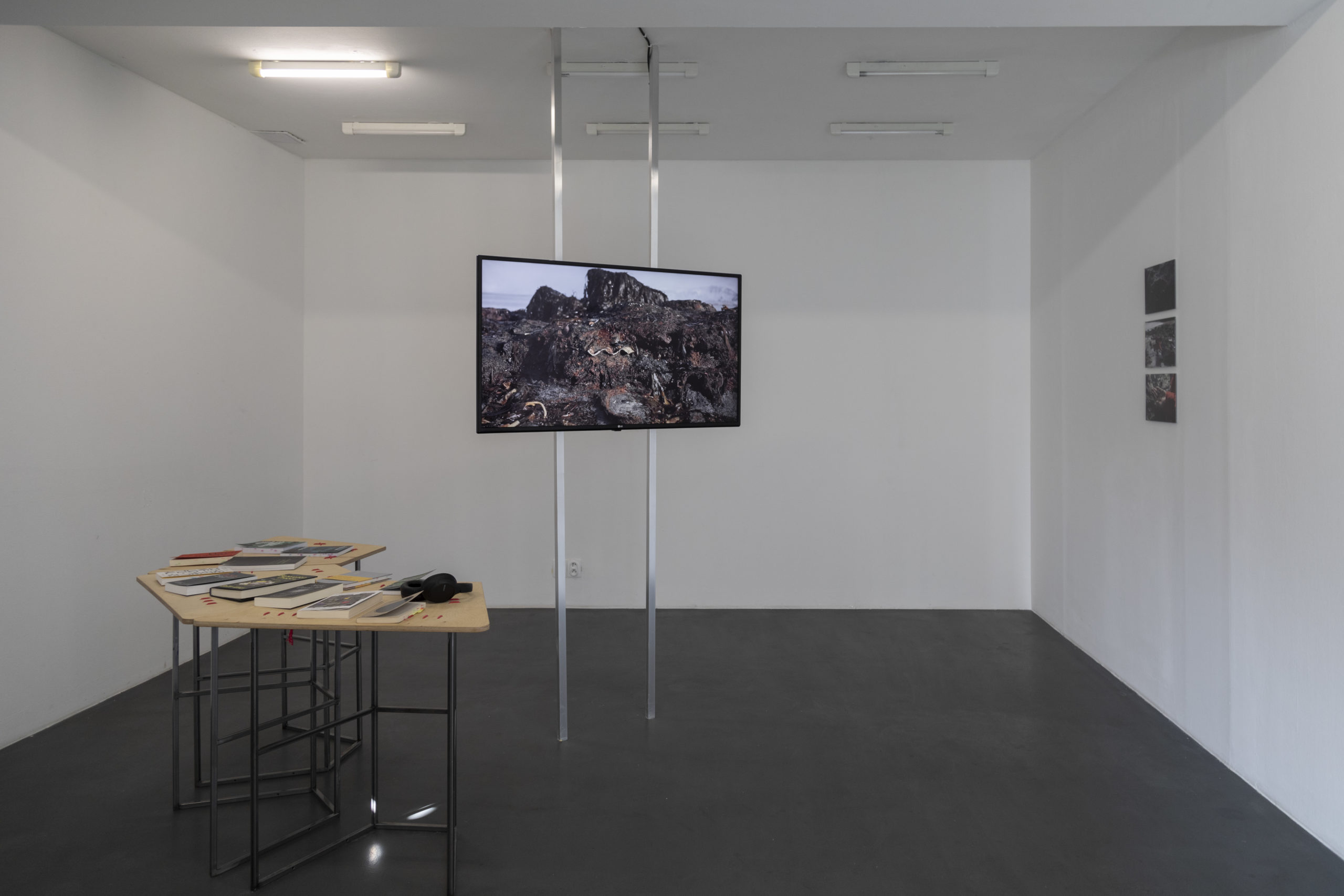
Foto: Ján Skaličan.
Úvod výstavy prezentuje výber literatúry zostavený samotným autorom, ktorý tak necháva nahliadnuť do myšlienkového rámca sprevádzajúceho výskum. Intervencia pozostáva z publikácií obsahujúcich rôzne uhly teoretického diskurzu autorov a autoriek ako Jussi Parikka, Britt Wray či Jiří Sirůček, ktoré rozvíjajú kontexty súčasných ekologických, kultúrno-politických či inak kriticky orientovaných tém.
Fotografie umiestnené na stene miestnosti ako jediné explicitne dokumentujú prítomnosť človeka, umelca a výskumnícky tím, pri spoločnej práci realizovanej v oblasti pobrežia Islandu. S projektom súvisiace video a rovnako aj ďalšie prezentované diela na výstave však rozvíjajú prístup Jána Skaličana, ktorý sa stáva sprievodcom, svedkom a mediátorom medzi prírodou a spoločnosťou. Záznam prezentuje zábery prostredia akéhosi smutného “post-života” sprevádzané rezonujúcou zvukovou stopou. Prehovára tu plastiglomerát ako antropogénny typ horniny, ktorý vzniká devastačnou ľudskou činnosťou, ako fosílny záznam v geologických vrstvách Zeme.
Podobný princíp prehovoru konkrétnej lokality majú aj videá v ďalších miestnostiach. Ich prezentovaním na obrazovkách, inštalovaných vedľa seba pôsobia v expozícii ako živé obrazy, ktoré sa touto formou pohrávajú s vizuálnou stránkou prítomnou v dielach umelca. Tá môže v niektorých prípadoch pôsobiť estetizujúco. Istá forma esteticky príťažlivého obrazu je prítomná aj vo videozáznamoch, ktoré zobrazujú viaceré časti infikovaného ekosystému mesta Ostravy alebo vodný tok rieky Vydrica. Pri ich dlhšom sledovaní sa však obraz mení na znepokojivé odkazy samotných devastovaných miest. V prvom prípade sa umelec zameral na oblasť Dolných Vítkovíc a prostredie poznačené ťažbou, Baňu Československej armády alebo Haldu Emu. V slovenskom prostredí sa zas prostredníctvom terénneho záznamu pozdĺž celého toku rieky Vydrica dostávame priamo do konfrontácie s umeleckým prístupom, výskumom bez zobrazenia osoby umelca či iného človeka. Dokument zaznamenáva formou vizuálno-akustickej cesty premenu prostredia okolo vodného toku, ktorý sa počas prechádzania krajinou evidentne transformuje. Badať tu okrem regulácie vodného toku aj ďalšie zmeny, narúšajúce pôvodný naratív biodiverzity oblasti.
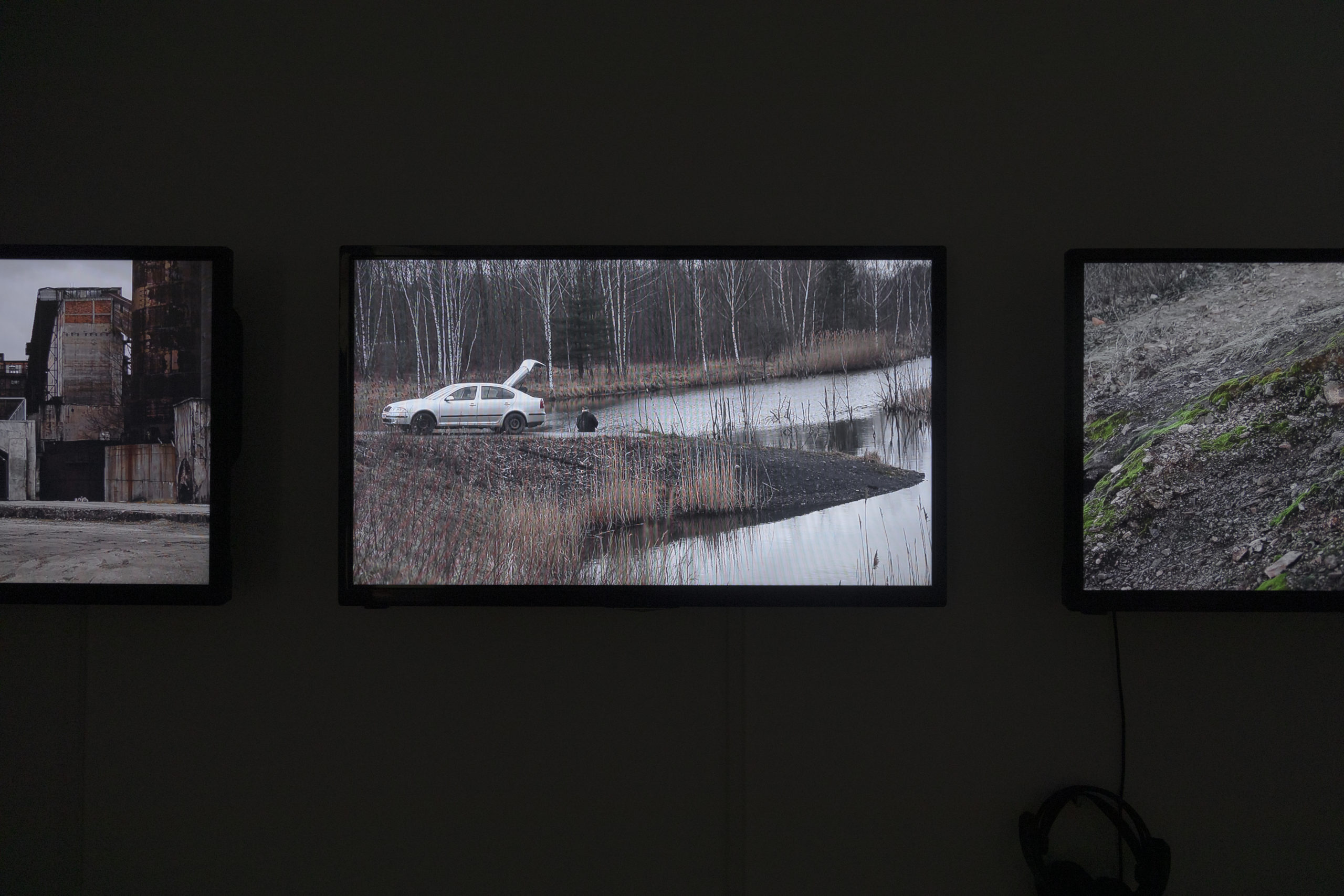
Foto: Ján Skaličan.
Táto znepokojujúca, no prvotne harmonická forma projekcie v poslednej miestnosti výstavy môže sprostredkovať okrem investigatívne zameraného charakteru ďalšie významové roviny. Pohľad na zmes obrazov potoka, lesa a ich fragmentov, spolu s prirodzenou zvukovou vrstvou prehovárajúcej prírody, prinúti diváka*čku k zastaveniu. Spočinutie na mieste v prostredí galérie a sledovanie organickosti sa však stáva podmanivo zavádzajúcim zrkadlom súčasnosti. Vo výstavnom priestore dochádza k voľnému rozvoju ďalších interpretačných vrstiev prítomných diel. Nemožno uvažovať o vizuálne príťažlivých a znepokojivo realistických záberoch ako o metafore privatizácie prírody, no rovnako aj času a duší, príznačnej súčasnej realite fungovania neskorej formy kapitalizmu? Pre zainteresovaného diváka*čku sa práce Jána Skaličana stávajú kritickým, nepokojným, no zároveň potrebným materiálom, ktorý citlivo, no sofistikovane proklamuje potrebu zmeny. Prvotne príjemné obrazy, poskytujú chvíľkový stimul, toľko potrebný okamih zastavenia sa v toku agresívnej každodennosti. Svojím reálnym obsahom však následne pripomenú neustálu potrebu konať alebo aspoň zvažovať aktívne riešenia naliehavej situácie. Kontrastujú tak viaceré komplexné témy problémov súčasného stavu spoločnosti – kapitalocénu, ktorý sa zasluhuje za viac, ako len globálne alarmujúci stav prírody, kumulovaný v problematike klimatickej krízy. Proces devastácie prebieha na viacerých úrovniach.
Výstava ako aj ďalšie projekty Jána Skaličana, napríklad fotografia odkazujúca na projekt Temporality as a perspective, z prostredia Dunajských Luhov, nechávajú prehovárať samotnú prírodu a prostredie. Konkrétne oblasti tu komunikujú svoje príbehy a zrkadlia procesy, ktoré ich v konglomeráte aktivít ľudskej spoločnosti nútia meniť svoj naturálny charakter. Umelec však na rozdiel od niektorých obrazných alebo čisto apelatívnych prístupov ekologicky zameraného umenia pridáva vrstvu aktívnej činnosti a medziodborovú spoluprácu, ktorá prelamuje rámce umeleckého diskurzu. Ostáva tak sprostredkovateľom, tichým sprievodcom, no zároveň organizátorom komunikácie vzťahov, ktoré môžu a snáď aj povedú k reálnym zmenám, i keď v dlhodobejších časových horizontoch. Zároveň sa prostredníctvom výstavného projektu dostáva k diváckym mysliam, ktoré napriek povedomiu o nepriaznivom stave environmentálnych kríz, môžu tieto aspekty vnímať na lokálnej úrovni konkrétnych oblastí, predstavujúcich autentické výpovede bez potreby ďalšieho komentára entity človeka. Tá tu ostáva prítomná prostredníctvom počinov obsiahnutých v geologických vrstvách času, rozpadávajúcich sa ekosystémoch vodných tokov či medzi hranicami miznúceho lesa. Skaličan tak využitím vrstevnatosti média obrazu a zvuku kontinuálne pokračuje svojich rozhovoroch s prírodou, načúvajúc jej organickej naliehavosti.
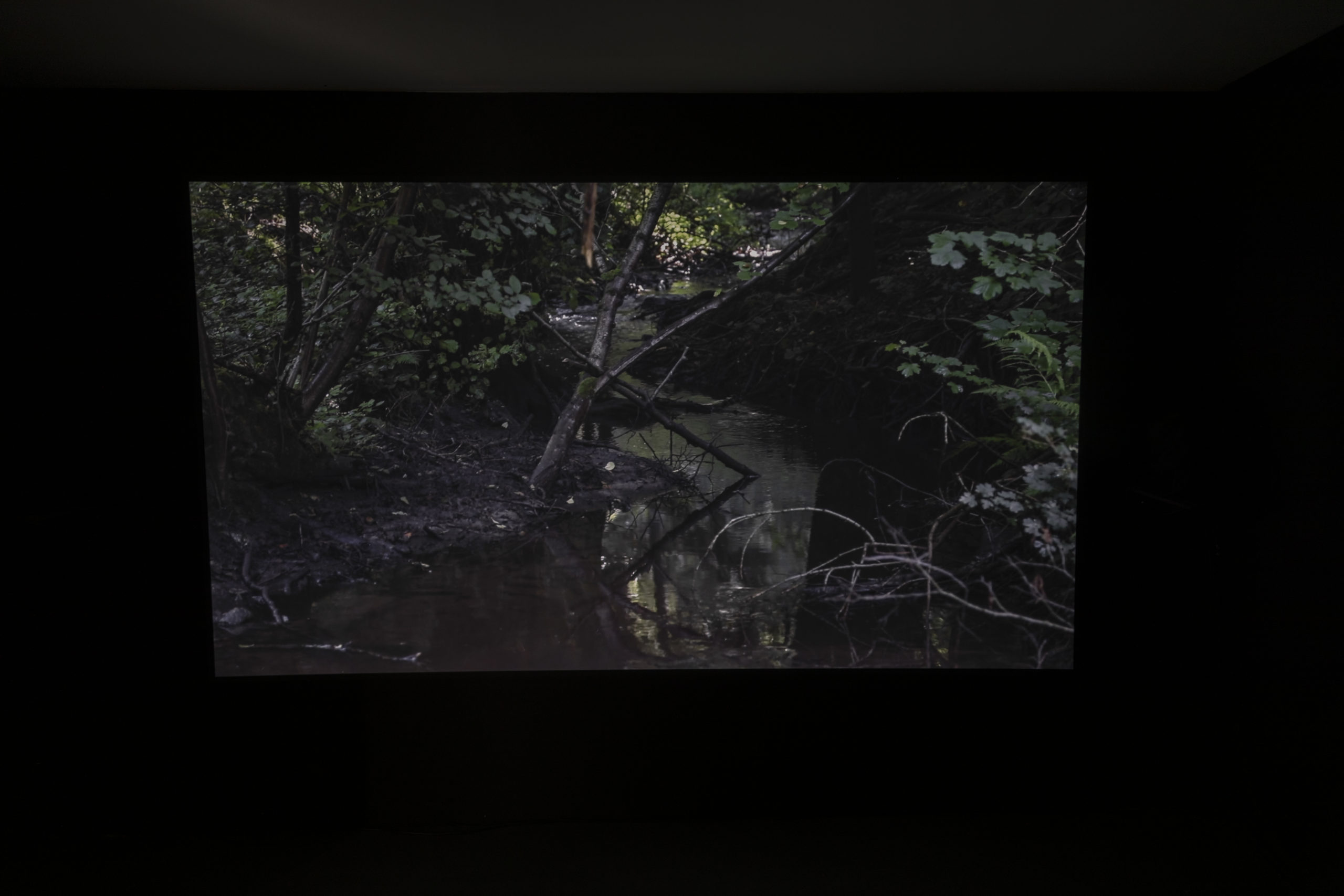
Foto: Ján Skaličan.
[:en]The exhibition Eyewitness in Bratislava’s Tranzit.sk communicates the urgency of the environmental crisis, develops the possibilities of working with visual and audio material, and at the same time sensitively, but all the more intensely, emphasizes the meaning and role of art towards engagement. Ján Skaličan’s work does not stay with illustrative imagery, it is collaborative and critical. The artist’s position is proclaimed here with the help of mapping and mediation of materials, letting the very entities of the affected natures – environments – speak. Along with a reminder of the need to develop a discourse of climate issues on a planet-wide scale, this is confirmed in the accompanying text by the exhibition’s curator Judit Angel, who also raises questions about the role of art in relation to resonating problematic aspects in society. The exhibition project thus outlines answers in three rooms, but above all it blurs the boundaries of post-atelier research and investigative scholarship.
Skaličan seeks the possibilities of an active, yet non-invasive artistic practice, aimed at appealing to the issue of the climate crisis and the state of nature, confronted by the anthropocene-capitalocene. It does not focus on global aspects, which are certainly no less urgent and are dealt with by a large part of “ecological” contemporary art, but focuses on specific areas, individual parts of a large mosaic of problems. In the local context of Slovakia, the Czech Republic and Iceland, these are metaphors or indicators of larger disasters on a global scale. Their suggestive visibility brings the important, but unfortunately for many flatly repeated topic of the devastation of ecosystems and natural environments into tangible and comprehensible frameworks for the less interested audience. At the same time, it is communicated in a highly rational, artistic-research language. The hyper-object of environmental problems is thus brought into the concreteness of the landscape and environment close to us, which is given a “microphone” for its intimate confession in the exhibition.
Photo: Ján Skaličan.
The introduction of the exhibition presents a selection of literature compiled by the author himself, which gives an insight into the thought framework accompanying the research. The intervention consists of publications containing different angles of theoretical discourse by authors such as Jussi Parikka, Britt Wray or Jiří Sirůček, which develop the contexts of contemporary ecological, cultural-political or otherwise critically oriented topics.
The photographs placed on the wall of the room are the only ones that explicitly document the presence of a person, an artist and a research team, in the joint work carried out in the coastal area of Iceland. However, the video related to the project, as well as the other works presented in the exhibition, develop Ján Skaličan’s approach of becoming a guide, witness and mediator between nature and society. The footage presents shots of the environment of a kind of sad “post-life” accompanied by a resonating soundtrack. It discusses plastiglomerate as an anthropogenic type of rock that is formed by devastating human activity, as a fossil record in the geological layers of the Earth.
Videos in other rooms have a similar principle of talking about a specific location. By presenting them on screens installed next to each other, they act as living images in the exhibition, which in this way play with the visual aspect present in the artist’s works. This can in some cases have an aestheticising effect. A form of aesthetically appealing imagery is also present in the videos, which depict several parts of the infected ecosystem of the city of Ostrava or the watercourse of the Vydrica River. However, when they are watched for a longer period of time, the image changes into disturbing references of the devastated places themselves. In the first case, the artist focused on the area of Dolné Vítkovice and the environment marked by mining, the Czechoslovak Army Mine or Halda Ema. In the Slovak environment, through the field record along the entire course of the Vydrica River, we are directly confronted with an artistic approach, a research without depicting the person of the artist or any other person. The documentary records, in the form of a visual-acoustic journey, the transformation of the environment around the watercourse, which is obviously transformed as one traverses the landscape. In addition to the regulation of the watercourse, other changes are also evident, disrupting the original narrative of the biodiversity of the area.
Photo: Ján Skaličan.
This disturbing yet initially harmonious form of projection in the last room of the exhibition can convey other levels of meaning besides its investigative character. The sight of a mixture of images of a stream, a forest and their fragments, together with the natural sound layer of nature speaking, will make the viewer stop. However, standing still in the gallery setting and watching the organic becomes a captivatingly misleading mirror of the present. In the exhibition space, further interpretive layers of the works present develop freely. Is it not possible to think of the visually appealing and disturbingly realistic images as a metaphor for the privatisation of nature, but equally of time and souls, symptomatic of the contemporary reality of the workings of late-form capitalism? For the interested viewer, Jan Skaličan’s works become critical, unsettling yet necessary material that sensitively yet sophisticatedly proclaims the need for change. Initially pleasing images, they provide a momentary stimulus, a much-needed moment of pause in the flow of an aggressive everyday. However, with their realistic content, they subsequently remind us of the constant need to act, or at least to consider active solutions to an urgent situation. They thus contrast several complex themes of the problems of the current state of society – the capitalocene, which is responsible for more than the globally alarming state of nature, cumulated in the issue of the climate crisis. The process of devastation is taking place on multiple levels.
The exhibition as well as other projects by Ján Skaličan, for example the photograph referring to the project Temporality as a perspective, from the environment of the Dunajské Luhy [Danube Meadows], let nature and the environment itself speak. Here, specific areas communicate their stories and mirror the processes that force them to change their natural character in the conglomerate of human society’s activities. However, unlike some figurative or purely appealing approaches of ecologically oriented art, the artist adds a layer of activism and interdisciplinary collaboration that breaks through the frameworks of artistic discourse. He thus remains a mediator, a silent guide, but at the same time an organizer of the communication of relationships that can and hopefully will lead to real change, albeit in the longer term. At the same time, through the exhibition project, it reaches the minds of the audience, who, despite their awareness of the adverse state of environmental crises, can perceive these aspects at the local level of specific areas, presenting authentic statements without the need for further commentary by the entity of the human being. The latter remains present here through the actions contained in the geological layers of time, the decaying ecosystems of waterways or between the boundaries of a disappearing forest. In this way, Skaličan uses the layered medium of image and sound to continuously continue his conversations with nature, listening to its organic urgency.
Photo: Ján Skaličan.
[:]