[:sk]Recenzia / ZAHOĎTE “IKEA MODERNIZMUS”, NASTUPUJE “MILITANTNÝ MODERNIZMUS”[:en]Review / THROW AWAY “IKEA MODERNISM”, HERE COMES “MILITANT MODERNISM”[:]
[:sk]Owen Hatherley: Militantní modernismus. Praha: UMPRUM, 2021[:en]Owen Hatherley: Militantní modernismus. Prague: UMPRUM, 2021[:]
[:sk]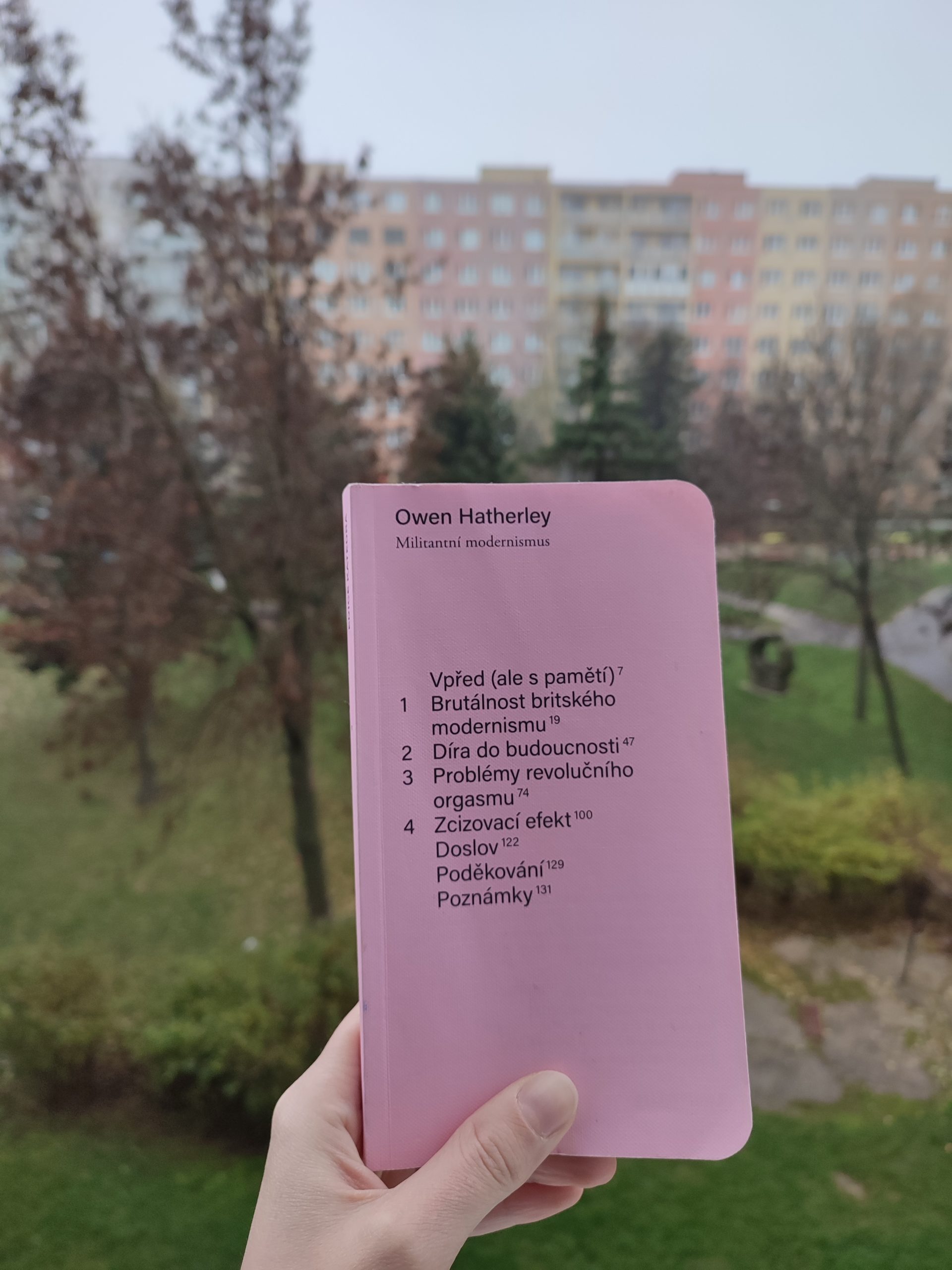 Minulý rok vyšla v českom preklade kniha Militantní modernismus britského kultúrneho teoretika, blogera, publicistu a kritika Owena Hatherleyho. Napriek tomu, že jeho knižný debut pochádza ešte z roku 2009, ani dnes nestráca na relevancii (povojnová architektúra sa naďalej búra a svet sa od času kolapsu trhov na príjemnejšie miesto k životu veľmi nezmenil). Apel obhajujúci modernizmus v jeho mnohých podobách, ktorý sa celou knihou nesie, tak môže byť stále podnetný aj pre naše česko-slovenské prostredie.
V štyroch kapitolách Hatherley píše o architektúre, hudbe, sexualite, filme, divadle. Navyše, píše politicky. Z otvorene ľavicových pozícií sa díva na modernizmus (predvojnový i povojnový), ktorý v jeho ponímaní nie je mŕtvym historizmom s totalitným nádychom. I keď odmietaný, osočovaný, možno už v stave klinickej smrti, stále kdesi v útrobách ruín tlie a čaká na svoju reinkarnáciu, transformáciu a aktualizáciu pre dnešok.
Na malom priestore (150 s.) nám s osobným zaujatím predostiera širšie analýzy i letmé pohľady na rôznorodé kultúrne produkty socialistického modernizmu: či už ide o umeleckú avantgardu 20. rokov v podobe britského vorticizmu, povojnový nový brutalizmus, sovietske konštruktivistické stavby a filmy alebo idey komunistického sexuálneho oslobodenia a dielo Bertolta Brechta.
Charakter knihy ako súboru krátkych, voľne radených esejí má niekedy za následok, že isté motívy a myšlienky nachádzame v texte opakovane. Zároveň množstvo referencií z minulej i súdobej populárnej kultúry, ktorými sa Hatherley obracia najmä k britském publiku, nemusí byť pre každého ľahko zrozumiteľných. Už aj tak rozsiahly poznámkový aparát by možno zopár ďalších vysvetľujúcich prekladateľských poznámok zniesol.
Absencia pevnej štruktúry a autorov ohromný rozsah odkazov môže pri prvom stretnutí pôsobiť zmätočne. V tom tkvie istá slabina knihy. Napriek tomu ide o zábavný, no nemenej intelektuálne hutný spôsob, ako vystúpiť zo zavedených koľají tradičného písania (nielen) o architektúre. Stojí za to, sa aspoň na chvíľu pristaviť pri niektorých témach, ktoré Hatherley otvára.
Mnoho odtieňov britského brutalizmu
Príde vám brutalistická architektúra odpudivá? A myslíte aj sídlo The Economist v Londýne, alebo len projekty sociálneho bývania typu Robin Hood Garden? Oboje totiž predstavuje podobu britského brutalizmu. Oba projekty dokonca navrhli rovnakí architekti, Alison a Peter Smithsonovci. Krásny, elegantný betón, čisté sklo z prelomu päťdesiatych a šesťdesiatych rokov minulého storočia sú dnes starostlivo udržiavané. Oproti tomu komplex bytových domov vo Východnom Londýne z neskorých šesťdesiatych rokov, v ktorom sa zhmotnila idea ulice v oblakoch ako spoločného priestoru pracujúcej triedy, a ktorý v čase Hatherleyho písania ešte fyzicky existoval, je dnes už zdemolovaný.
Predstavte si to v opačnom garde. Trosky neoliberálnych dogiem namiesto trosiek povojnovej sociálnej politiky. Nepredstaviteľné?
Totiž, na obsahu záleží. Politické spojenie pop architektúry a mestského, zahusteného nového urbanizmu pre menej majetných je už od éry Thatcher-Blair otĺkané. Raz zo strany tradicionalistov (dnes už kráľ Karol III.) vyberajúcich si len tie správne časti histórie hodné pamäte, inokedy z pozície elít, ktoré zrazu objavili brutalizmus ako výhodný investičný artikel či statusový symbol a participujú na súčasnej praxi vysťahovania obyvateľov z pôvodne sociálnej bytovej výstavby.
Hatherley nám ukazuje brutalizmus, ktorý je iný v centre a iný na okraji. To čo bolo kedysi považované mnohými za desivé betónové sídlisko (Thamesmead), môže byť dnes životný priestor, s ktorým sa obyvateľstvo dokáže identifikovať. To čo sa dnes automaticky berie ako zlyhanie povojnovej výstavby, mohlo v čase svojho vzniku predstavovať objekt úžasu, zvedavosti a možno aj nádeje.
Každodenný život ako pole architektonického experimentu
Sovietsku avantgardu poznáme predovšetkým prostredníctvom príkladov papierových, nikdy nepostavených/ nepostaviteľných projektov (Tatlin, Krutikov, Malevič, El Lisickij…). Práve návrhy “lietajúcich miest” alebo technicisticky virtuóznych konštruktivistických stavieb sú často spomínané ako ilustračný materiál, ktorý má potvrdzovať tézu o nevyhnutnom odsunutí revolučných spoločenských ideálov len do sféry utopií.
Owen Hatherley nám však ponúka aj iný pohľad. Ako vyzerá ten reálny, postavený modernizmus na území bývalého Sovietskeho zväzu Budova Derzhpromu v Charkive, kluby pracujúcich v Baku alebo Moskve, realizácie a návrhy skupiny OSA alebo združenia architektov ASNOVA predstavujú ojedinelý a krátky pokus, zabrzdený a následne ukončený nástupom stalinistického teroru, prisúdiť architektúre rolu sociálneho katalyzátora zmien. Táto postavená komunistická teória architektúry, ktorá sa akosi nezmestila do oficiálneho kánonu internacionálneho štýlu tridsiatych rokov minulého storočia a na rozdiel od svojich proťajškov v Nemecku či Holandsku dnes nie je vo veľkom reštaurovaná a ochraňovaná, svoj socialistický prísľub nestihla nikdy rozvinúť. Jej fyzické i symbolické ruiny budúcnosti, však stále podnecujú imagináciu svojim odvážnym vstupom do každodenného života.
Sexualita a politika
Predstavu sterilného a asketického modernizmu konfrontuje Hatherley s ideami psychoanalytika Wilhelma Reicha a jeho programu “Sexpolu”. Hlavnou agendou tu nie je skoncovať s láskou a telesnosťou, ale vyslobodiť ju z područí tradičných konštruktov buržoáznej spoločnosti doby Weimarskej republiky – demystifikovať ju za pomoci marxizmu a freudovskej psychoanalýzy.
Čo sa tým myslí? Odmietnutie autoritatívneho moralizmu, zavrhnutie núteného potláčania uspokojenia a v neposlednom rade, ďalšia stará známa vec, sexuálna sloboda a ekonomická emancipácia ako dve strany tej istej mince. V Hatherleyho poňatí však doplnené o celý rad príkladov kultúry, kde sa ozveny Sexpolu prejavujú. Od avantgardných kolektívnych domov redefinujúcich nové vzťahy až po uvoľnenú sexuálnu morálku filmov šesťdesiatych rokov.
Neznesiteľnosť modernizmu
Militantný modernizmus nás má vyrušovať. Nie však zľahka, banálne, ako keď niekto z publika na komornom klavírnom recitály pošepky zakašle. Toto je vyrušenie poriadne. Drzé a nekompromisné. Je to Brechtov efekt obracania sa na divákov počas hry s transparentom “GLOTZT NICHT SO ROMANTISCH!”. No prosím, zaujmite stanovisko, “nečumte tak romanticky”. Sú to obrazy brutalisických budov, ktoré slovami Reynera Banhama, majú “byť kusom tehly hodeným do tváre verejnosti.”
Kedy vás naposledy vyrušovala mohutná budova zo sedemdesiatych rokov s priľahlou plochou obrovského námestia? A čo ten bývalý, pomaly chátrajúci kultúrny dom na vašom sídlisku? Je to modernizmus, ktorý množstvo ľudí nedokáže stráviť. Och, ako veľmi ich škrie brechtovský umelecký koncept spoločenskej angažovanosti epického divadla. “Nemôžeme si len vychutnať umenie pre umenie ?” A ako radi by si radšej užívali izolovanú estetiku dreva, kože, plastu či elegantného chrómu stoličky z dielne (doplňte si ľubovoľné “mid-century” dizajnérske meno) vystavenej pre návštevy v obývačke.
Vypreparovanie ideí, ktoré stoja v pozadí však zanecháva len duté schránky. Zmutovaný štýl, tzv. “Ikea modernizmu”, ako Hatherley príznačne nazýva to, kde chýba politický akcent más aj ich špecifická estetika drsnosti, je dnes všeobecný ideál. Stav, v ktorom sme sa, zdá sa, zasekli. Z tejto letargie nám môže pomôcť dobre mierená tehla do tváre v podobe ruín nedávnej minulosti, ktoré si stále zachovávajú čosi z obsahovej radikálnosti a vnútornej kritiky smerujúcej k súčasnému systému.
Autorom spomínané príklady dávajú stimul k uvažovaniu nad socialistickým modernistickým dedičstvom. A čo viac, sú modelmi kontrakultúry, na ktorej základoch možno stavať úvahy o alternatívach pre súčasnosť a budúcnosť.
Nie je už najvyšší čas pevne ho uchytiť, spoznávať jeho produkty (ideológiu i prax), odhaľovať jeho limity, podrobovať ho férovej kritike namiesto odmietania s odkazom na dejinnú nevyhnutnosť neúspechu…a konečne začať kráčať vpred?
Pre Owena Hatherleyho je cesta k ekologickejšiemu, spravodlivejšiemu programu budúcnosti jasná. My sa zatiaľ môžeme pýtať, či je dnes vôbec možné obohatiť našu kultúru a naše politiky o nové vízie.
[:en]
Last year, a book Militant Modernism by British cultural theorist, blogger, columnist and critic Owen Hatherley was published in Czech translation. Despite the fact that his book debut dates back to 2009, even today it has lost none of its relevance (post-war architecture continues to crumble and the world hasn’t changed much since the markets collapsed into a more pleasant place to live). The appeal defending modernism in its many forms, which is carried throughout the book, can thus still be stimulating for our Czech-Slovak environment as well.
In four chapters, Hatherley writes about architecture, music, sexuality, film, and theatre. Moreover, he writes politically. From openly left-wing positions, he looks at modernism (both pre-war and post-war), which in his view is not a dead historicism with a totalitarian tinge. Although rejected, reviled, perhaps already in a state of clinical death, it still smolders somewhere in the bowels of the ruins, waiting for its reincarnation, transformation and updating for today.
In a small space (150 p.), he gives us, with personal interest, broader analyses and glimpses of the diverse cultural products of socialist modernism: whether it be the artistic avant-garde of the 1920s in the form of British Vorticism, post-war New Brutalism, Soviet Constructivist buildings and films, or the ideas of communist sexual liberation and the work of Bertolt Brecht.
The nature of the book as a collection of short, loosely sequenced essays sometimes results in certain motifs and ideas being found repeatedly in the text. At the same time, the many references from past and contemporary popular culture that Hatherley addresses, particularly to a British audience, may not be easily understood by everyone. The already extensive annotation apparatus could perhaps stand a few more explanatory translator’s notes.
The lack of a rigid structure and the author’s overwhelming range of references may seem confusing on first encounter. Herein lies a certain weakness of the book. Nevertheless, it is an entertaining but no less intellectually dense way of stepping out of the established ruts of traditional writing about (not only) architecture. It’s worth pausing, at least for a moment, on some of the themes that Hatherley raises.
The many shades of British brutalism
Do you find brutalist architecture repulsive? And do you also mean The Economist’s headquarters in London, or just social housing projects like Robin Hood Garden? Because both represent a form of British brutalism. Both projects were even designed by the same architects, Alison and Peter Smithson. The beautiful, elegant concrete, clean glass of the late 1950s and early 1960s are now meticulously maintained. By contrast, the East London housing complex of the late 1960s, which materialised the idea of Cloud Street as a shared space for the working class, and which still physically existed at the time of Hatherley’s writing, has now been demolished.
Imagine it in reverse. The rubble of neoliberal dogma instead of the rubble of post-war social policy. Unimaginable?
Well, it’s the content that matters. The political conflation of pop architecture and urban, densified new urbanism for the less well-off has been battered since the Thatcher-Blair era. At one time from traditionalists (now King Charles III) picking only the right parts of history worth remembering, at other times from the position of elites who have suddenly discovered Brutalism as a profitable investment commodity or status symbol, and are participating in the current practice of evicting residents from formerly social housing developments.
Hatherley shows us a brutalism that is different at the centre and different at the margins. What was once considered by many to be a frightening concrete housing estate (Thamesmead) can now be a living space that residents can identify with. What is now automatically taken as a failure of post-war development may have been an object of wonder, curiosity and perhaps even hope at the time of its creation.
Everyday life as a field of architectural experiment
We know the Soviet avant-garde primarily through examples of paper, never built/unbuildable projects (Tatlin, Krutikov, Malevich, El Lissitzky…). It is the designs of “flying cities” or technicistically virtuosic constructivist buildings that are often mentioned as illustrative material to confirm the thesis of the inevitable relegation of revolutionary social ideals to the realm of utopias.
Owen Hatherley, however, offers us a different perspective. What does the real, built modernism look like on the territory of the former Soviet Union The Derzhprom building in Kharkiv, the workers’ clubs in Baku or Moscow, the realisations and designs of the OSA group or the ASNOVA architects’ association, represent a singular and brief attempt, hampered and then ended by the onset of Stalinist terror, to assign to architecture the role of a social catalyst for change. This constructed communist theory of architecture, which somehow did not fit into the official canon of the International Style of the 1930s and, unlike its counterparts in Germany or the Netherlands, is not largely restored and protected today, never managed to develop its socialist promise. Its physical and symbolic ruins of the future, however, still spark the imagination with their bold entry into everyday life.
Sexuality and politics
Hatherley confronts the idea of a sterile and ascetic modernism with the ideas of the psychoanalyst Wilhelm Reich and his “Sexpol” programme. The main agenda here is not to do away with love and carnality, but to liberate it from the grip of the traditional constructs of bourgeois society of the Weimar Republic period – to demystify it with the help of Marxism and Freudian psychoanalysis.
What is meant by this? The rejection of authoritarian moralism, the repudiation of the coercive suppression of gratification and, last but not least, another old familiar thing, sexual freedom and economic emancipation as two sides of the same coin. In Hatherley’s conception, however, supplemented by a range of examples of culture where echoes of Sexpol are manifest. From avant-garde collective houses redefining new relationships to the loose sexual morality of sixties films.
The unbearability of modernism
Militant modernism is meant to disturb us. But not lightly, banally, as when someone in the audience at a chamber piano recital coughs whisperingly. This is a disturbance in a big way. Brash and uncompromising. It’s the Brechtian effect of turning to the audience during a play with the banner “GLOTZT NICHT SO ROMANTISCH!”. Well please take a stand, “don’t look so romantic”. These are images of brutalist buildings that, in the words of Reyner Banham, are meant to “be a piece of brick thrown in the public’s face.”
When was the last time you were disturbed by a massive building from the seventies with an adjacent area of a huge plaza? What about that former, slowly decaying community centre on your estate? It’s modernism that a lot of people can’t stomach. Oh, how much the Brechtian artistic concept of socially engaged epic theatre grates on them. “Can’t we just enjoy art for art’s sake ?” And how they would rather enjoy the insulated aesthetics of wood, leather, plastic or the sleek chrome of a chair from the workshop of (fill in any “mid-century” designer name you like) displayed for visitors in the living room.
The examples mentioned by the authors provide a stimulus to reflect on the socialist modernist legacy. What is more, they are models of a counterculture on whose foundations one can build reflections on alternatives for the present and the future.
Isn’t it high time to grasp it firmly, to recognize its products (ideology and practice), to expose its limits, to subject it to a fair critique instead of rejecting it with reference to the historical inevitability of failure…and finally to start moving forward?
For Owen Hatherley, the path to a greener, fairer agenda for the future is clear. In the meantime, we can ask whether it is even possible to enrich our culture and our politics with new visions today.[:]