[:sk]Výstava / ERNA MONUMENTÁLNA[:en]Exhibition / ERNA MONUMENTÁLNA[:]
[:sk]Erna Masarovičová a jej sochárska tvorba, Mirbachov palác – Galéria mesta Bratislavy, 30.6.2022 – 30.10. 2022, kurátorky: Ľuba Belohradská, Ľubica Hustá, Katarína Kissoczy[:en]Erna Masarovičová and her sculptural work, Mirbach Palace - City Gallery of Bratislava, 30 June 2022 - 30 October 2022, curated by Ľuba Belohradská, Ľubica Hustá, Katarína Kissoczy[:]
[:sk]
Erna Masarovičová (1926 – 2008) je v slovenskej umenovede stále označovaná hlavne ako autorka výrazných autorských šperkov a medailí. Výstava Erna monumentálna chce tento mýtus zastaviť a sprítomniť jej masívnu sochársku a monumentálnu tvorbu, ktorá je dnes zabudnutá a navyše pomaly neúprosne mizne z verejného priestoru aj spoločenských interiérov z doby minulej. Masarovičovej dielo vznikalo trochu v ústraní a mimo hlavných (oficiálnych štátnych sochárskych zakázok aj umeleckých skupín) a aj vďaka tomu ostalo na akejsi periférií záujmu. Naším cieľom je ho znovu „nasvietiť“ a ukázať koncentrovanú, sebavedomú a talentovanú sochárku, ktorá ma dôležité miesto na slovenskej sochárskej výtvarnej scéne 20. storočia.
Erna Masarovičová je jednou z prvých absolventiek Oddelenia monumentálneho sochárstva u Fraňa Štefunku na VŠVU (1951 – 1956). Už predtým, študovala textil na strednej škole SŠUP v Budapešti a následne keramiku na SŠUP v Bratislave. (Do skladby štúdia zasiahla 2.svetová vojna. )
To všetko z nej robilo v čase ukončenia štúdia technologicky veľmi sebavedomú autorku. Nemala problém odlievať, pracovať s kameňom, betónom, keramikou, železným alebo medeným plechom.
Ona sa ale na svoju dobu razantne, rozhodla pre dovtedy výsostne „mužskú“ techniku, ktorou bolo zváranie kovu. Bola v tomto smere priekopníčkou aj v medzinárodnom meradle. Spracovanie kovu má svoje špecifiká a tie premyslene integrovala do svojho výtvarného prejavu, rezania , vrstvenia , zvárania i do výrazu svojich diel.
Z oceľových dielov vytvárala strihové skladby, ktoré premyslene priestorovo komponovala do plastických objemov aj reliéfov. Zaujímala ju povrchová štruktúra, priznávala rezanie autogénom. Hrany kovu týmto rezaním získavajú špecifickú kresbu, ktorá ďalej modeluje danú sochu . V jej dielni / ateliéri sochárky boli zveráky, kovadlina, vyhňa, autogén, kliešte, píly, kladivá. Šírka tvorby sa delila na komornú plastiku, šperk, medaile až po veľké monumentálne realizácie. Dôležitým technológom a inovátorom bol jej manžel pedagóg VŠT Štefan Kissoczy, ktorý vedel vyriešiť problém ak vznikol.
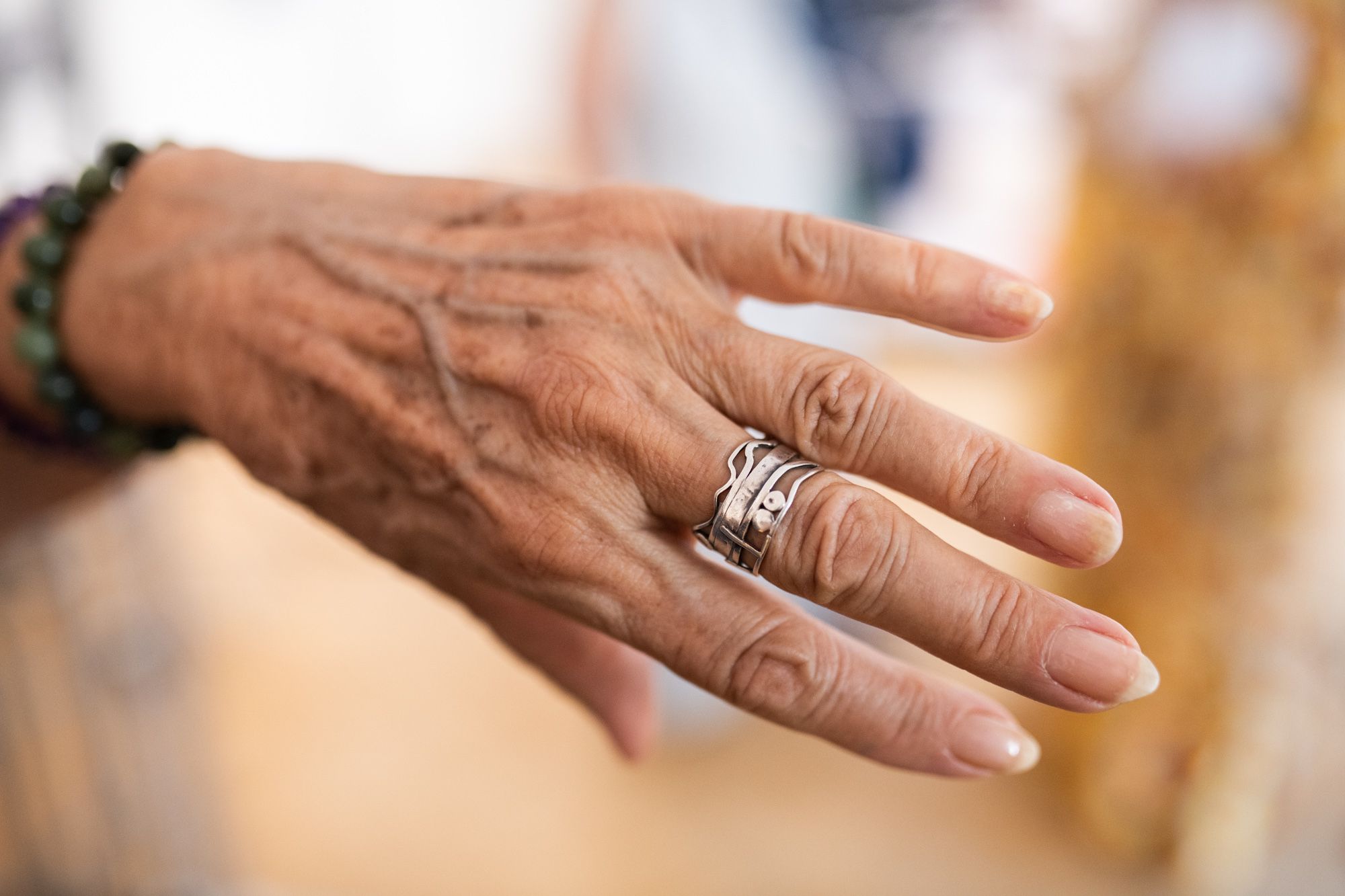
Zoomorfná plastika.
V tvorbe autorky je prítomných viacero tematických okruhov. V úvode jej kariéry je to ľudská figúra a postupne v šesťdesiatych rokoch aj rozsiahla zoomorfná tvorba. Figúry vtákov, zvierat, rýb variovala v rôznych verziách. V tom čase realizuje viaceré exteriérové voľne stojace plastiky plameniakov, pávov, pštrosov, žeriavov, ktoré umiestňuje do areálov verejných parkov, či do exteriéru verejných budov – škôl, nemocníc, výrobných podnikov. Toto obdobie prialo tvorbe výtvarného diela vo verejnom priestore. Nárast výtvarných realizácií do architektúry a verejného priestoru začal už pred vojnou, ale veľký rozmach zaznamenal v 50. rokoch. A to nielen v Československu a celkovo vo východnom bloku, ale prirodzene aj inde vo svete. V totalitnej spoločnosti, ale nebolo jednoduché vyhnúť sa ideologicky formulovanej práci. Oficiálne umenie konca päťdesiatych rokov ešte stále diktovalo trend akademického formalizmu, budovateľský pátos, soc-realizmus. Tlak sa postupne v priebehu šesťdesiatych rokov uvoľňoval a kontrolovane boli akceptované aj iné výtvarné prístupy. Masarovičovej sa podarilo svojím zotrvávaním na okraji a mimo oficiálnych sochárskych umeleckých skupín ostať v civilnej rovine nielen v svojej voľnej tvorbe, ale aj pri tvorbe na objednávku pre konkrétny priestor. Jej zvieracie a vtáčie figúry zo zváraných oceľových plátov majú špecifickú dynamiku a ľahkosť. Je majsterkou skratky. Tvary moderne redukuje a tým posilňuje ich výraz. Cítime pohyb aj charakteristické správanie toho ktorého zvieracieho druhu. V modeloch vytvára mnohé variácie a prekvapuje vynaliezavosťou s akou ich komponuje.
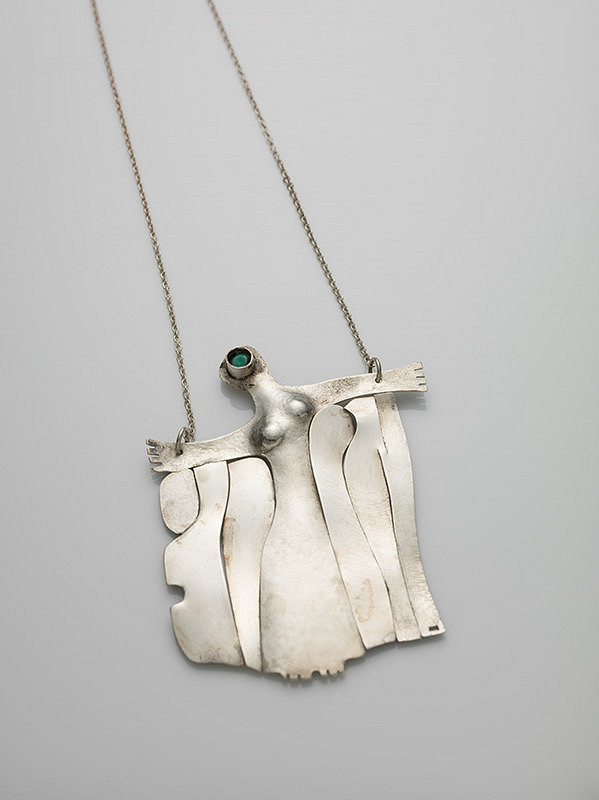
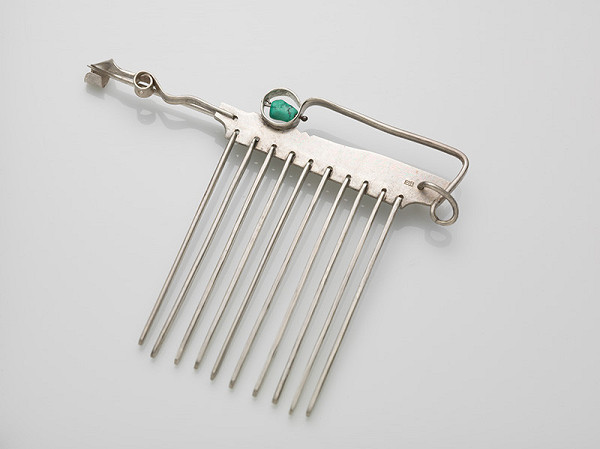
Dom
Vlastný dom Erny Masarovičovej a Štefana Kissoczyho patrí medi najradikálnejšie stavby na hradnom kopci. Nachádza sa na Gorazdovej ulici 31 v blízkosti Horského parku a Funusu. Dom s ateliérom je situovaný na rohovom svahovitom pozemku na konci uličnej zástavby. Jeho projekt je dielom sochárky a jej manžela. Na odbornej projektovej dokumentácii s nimi spolupracoval architekt Černý. So svojpomocnou stavbou začali v roku 1963, dokončili ju v roku 1967. Modernistická vila premyslene umiestnená na pozemku je výrazná svojimi odvážnymi zhranenými hmotami južnej fasády. Z ulice z južného pohľadu zaujme výrazne asymetrickým a dynamickým prestrešením horného balkóna, ale aj ľahkosťou svojich obrysových línií, veľkorysými oknami. Jedinečným akcentom je aj malý, podobne dynamicky zastrešený bazén umiestnený v tesnej blízkosti domu. Severná časť má pokojný, viac horizontálny charakter s výraznými oknami na poschodí a výtvarne dotvoreným vstupom. Komponovanie priestorov a dispozície maximálne zohľadnilo fungovanie životu v dome. V severnej „chladnej“ časti bol umiestnený vstup a ateliér, kde sa pracovalo s autogénom a s kováčskymi technikami. Okná v ateliéri nahradili veľké „garážové dvere“, ktoré ho prepájajú so záhradou a pomáhajú aj pri manipulácii so sochami. Na spodnej úrovni domu je veľký obývací priestor, na svoju dobu priekopnícky prepojený s kuchyňou. Na hornom podlaží sú spálne a fotokomora. Súčasťou domu bola aj sauna. Dom je tehlový a všetky kovové prvky vrátane atypických okenných rámov, radiátorov, krbu, nosnej konštrukcie schodišťa, plotových bráničiek, či výtvarne stvárnených madiel si vytvorili majitelia sami, svojpomocne. Aktuálne je dom v zachovanom stave. O jeho údržbu aj o pokračujúci umelecký život v ňom, sa stará dcéra, sochárka Katarína Kissoczy.
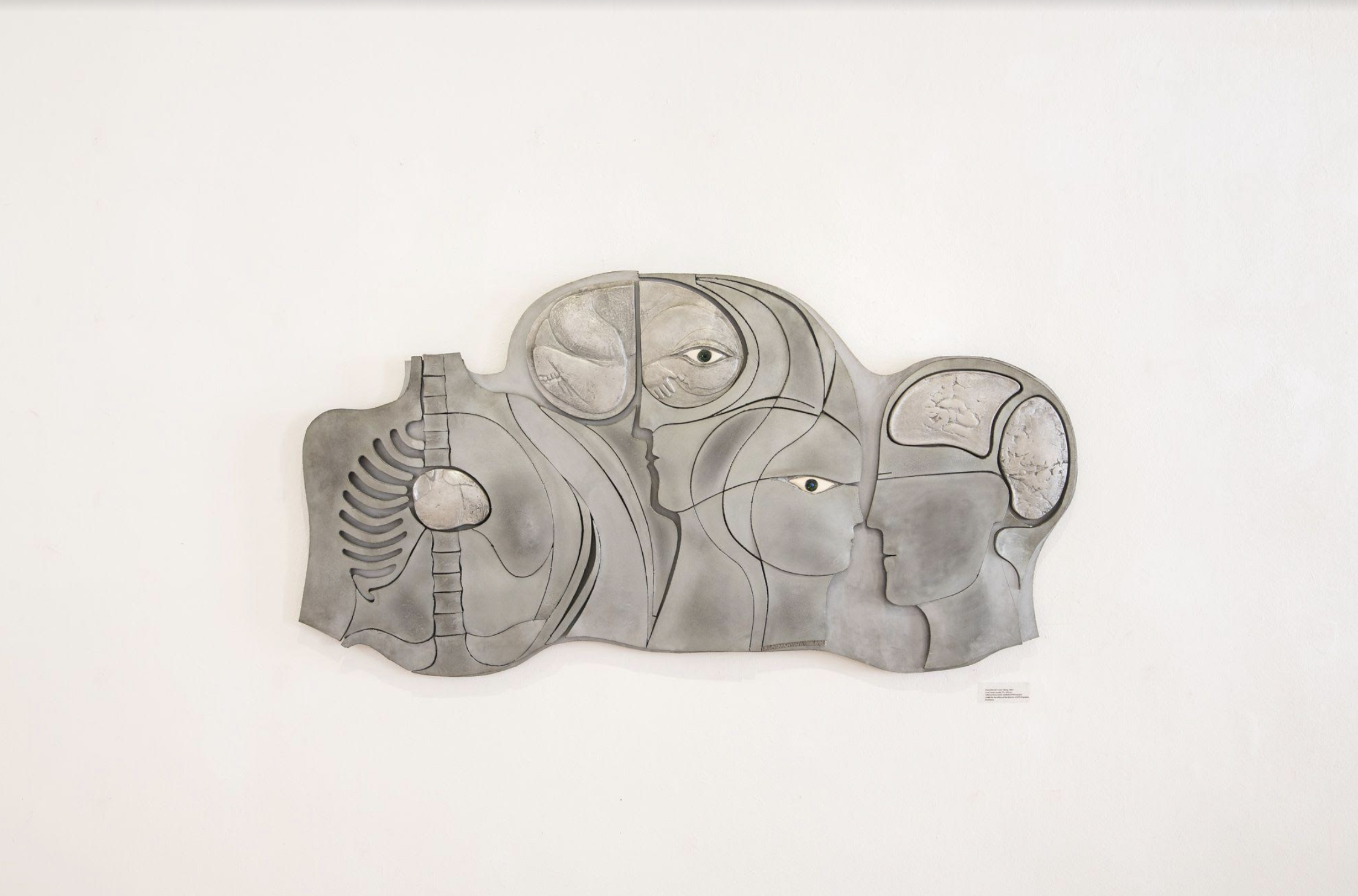
Ľuba Belohradská o Erne Masarovičovej
Erna Masarovičová nám nezanechala denníkové záznamy, v ktorých by fixovala úvahy o vlastnej tvorbe a výtvarnom umení. Nevystupovala diskusne na spolkových zhromaždeniach výtvarníckej organizácie. Zámernú zahĺbanosť porušila azda jediný raz – pred televíznou kamerou začiatkom deväťdesiatych rokov pri nakrúcaní krátkeho medailónu o vlastnej tvorbe. Prekvapila nás plynulosťou prejavu a presnosťou formulácií. Nekonečnú tvorivú energiu, ktorú čerpala z vnútorného pokoja, pretavila v prospech sochárskej tvorby. Nemými svedkami jej ľudskej a umeleckej existencie boli priestory vlastného domu s ateliérom a záhradou. Pravidelný pracovný rytmus prerušila raz týždenne, keď piatkové večery vyhradila stretnutiam s priateľmi. Erna sa nedala rozkolísať náporom banalít. Naopak náhodné banality v jej réžii sa menili na netuctové udalosti.
Vstupnou devízou do sveta výtvarnej tvorivosti budúcej sochárky bol jej neomylný vzťah k realizačným materiálom výtvarného umenia, presnejšie vzťah k matérii v najširšom zmysle slova. Charakterizovala ju nielen potreba vytvárať umelecké artefakty, ale aj pretvárať už hotové spotrebné predmety vlastnou rukodielnou intervenciou „osobného“ dizajnu. Stopy jej zásahov nesú interiéry domu, zákutia v ateliéri, rovnako ako osobné predmety z textilu, kožušiny či kože. Týmito vlastnosťami sa výrazne odlišovala od svojich rovesníkov – sochárov, ktorí si v čase nástupu na výtvarnú scénu na prelome päťdesiatych a šesťdesiatych rokov v komornej tvorbe, zverejňovanej na výstavách, vystačili so sadrovými odliatkami, povýšiac ich na konečný sochársky artefakt. Dokonca ani v oficiálnych výtvarných súťažiach, vyhlásených k politickým výročiam, sa nepožadovali sochy, ktoré by boli zhotovené z definitívneho materiálu. Erna na tieto výzvy reagovala len veľmi okrajovo. Jej umelecký naturel sa od počiatkov napájal princípom sochy ako zhmotneného rezultátu vnútorných pocitov tvorcu/tvorkyne samotnej. Nedeliteľnou vlastnosťou sochárkiných výtvorov bola ich materiálová dopovedanosť, previazanosť umeleckej predstavy so špecifickými možnosťami, optickými aj mechanickými vlastnosťami sochárskeho výtvoru. Vďaka týmto predpokladom disponuje umelecký odkaz sochárky prekvapujúcim množstvom drobných či väčších artefaktov, ktoré vo svojej zvrchovanej materiálovej podobe reprezentujú neopakovateľný potenciál výtvarnej predstavivosti, výrazovej skratky, štylizácie prepojenej s charakteristickým sochárskym „rukopisom“.
[:en]Erna Masarovičová (1926 – 2008) is still referred to in Slovak art history mainly as the author of distinctive original jewellery and medals. The exhibition Erna Monumentálna wants to end this myth and make visible her massive sculptural and monumental work, which is now forgotten and, moreover, slowly and inexorably disappearing from public space and social interiors from a bygone era. Masarovičová’s work was created somewhat in seclusion and outside of the mainstream (both official state sculpture commissions and art groups), and because of this it has remained on something of a periphery of interest. Our aim is to “illuminate” it again and to show a concentrated, self-confident and talented sculptor who has an important place on the Slovak sculptural art scene of the 20th century.
Erna Masarovičová is one of the first graduates of the Department of Monumental Sculpture under Fraňo Štefunka at the Academy of Fine Arts (1951 – 1956). Before that, she studied textiles at the SŠUP secondary school in Budapest and then ceramics at the SŠUP in Bratislava. (World War II interfered with the composition of her studies. )
All this made her a very technologically confident artist by the time she graduated. She had no problem casting, working with stone, concrete, ceramics, iron or copper sheet.
But she decided, for her time, to opt for the hitherto exclusively “male” technique, which was metal welding. She was also a pioneer in this field internationally. Metalworking has its specificities and she thoughtfully integrated these into her artistic expression, cutting, layering, welding and the expression of her works.
She used steel parts to create shear compositions, which she thoughtfully composed spatially into sculptural volumes and reliefs. She was interested in surface texture, admitting to autogenous cutting. The edges of the metal by this cutting acquire a specific pattern that further sculpts the sculpture. In her workshop / sculptor’s studio there were vices, anvil, shovel, autogen, pliers, saws, hammers. The breadth of work was divided into chamber sculpture, jewelry, medals to large monumental realizations. An important technologist and innovator was her husband, VŠT lecturer Štefan Kissoczy, who knew how to solve a problem if it arose.
Zoomorphic sculpture
Several thematic areas are present in the author’s work. At the beginning of her career it is the human figure and gradually in the sixties also large-scale zoomorphic work. She varied the figures of birds, animals and fish in different versions. At that time she realized several outdoor free-standing sculptures of flamingos, peacocks, ostriches, cranes, which she placed in the grounds of public parks, or in the exterior of public buildings – schools, hospitals, manufacturing plants. This period favoured the creation of art in public space. The growth of artistic realizations in architecture and public space began before the war, but it had a great boom in the 1950s. And not only in Czechoslovakia and the Eastern Bloc in general, but of course also elsewhere in the world. But in a totalitarian society, it was not easy to avoid ideologically formulated work. The official art of the late fifties was still dictated by the trend towards academic formalism, building pathos, socialist realism. The pressure gradually eased during the sixties and other artistic approaches were accepted in a controlled manner. By staying on the fringes and outside the official sculptural art groups, Masarović managed to remain on a civil plane, not only in her free work, but also in her commissioned work for a specific space. Her animal and bird figures in welded steel plates have a specific dynamism and lightness. She is a master of the abbreviation. She reduces the shapes in a modern way and thus strengthens their expression. We feel the movement and the characteristic behaviour of the animal species. She creates many variations in her models and surprises with the ingenuity with which she composes them.
Home
Erna Masarovičová and Stefan Kissoczy’s own house is one of the most radical buildings on the castle hill. It is located at 31 Gorazdova Street near the Mountain Park and Funus. The house with a studio is situated on a corner sloping plot at the end of the street. Its project is the work of a sculptor and her husband. Architect Černý collaborated with them on the professional project documentation. They started the self-help construction in 1963 and completed it in 1967. The modernist villa, thoughtfully positioned on the plot, is distinctive for its bold angular masses of the southern façade. From the street, from the southern view, it impresses with its distinctly asymmetrical and dynamic roofing of the upper balcony, but also with the lightness of its contour lines and generous windows. A unique accent is also a small, similarly dynamic roofed swimming pool located in close proximity to the house. The northern part has a quiet, more horizontal character with prominent windows on the first floor and an artistically finished entrance. The composition of the spaces and layout took maximum account of the functioning of life in the house. In the northern “cold” part was located the entrance and the studio, where autogen and blacksmithing techniques were used. The windows in the studio were replaced by a large “garage door” that connects it to the garden and also aids in the handling of the sculptures. On the lower level of the house is a large living area, pioneering for its time, connected to the kitchen. On the upper level are bedrooms and a photo room. The house also included a sauna. The house is made of brick and all the metal elements, including atypical window frames, radiators, fireplace, staircase support structure, fence gates, or artistically rendered handrails, were created by the owners themselves, with their own hands. Currently the house is in a well-preserved condition. Its maintenance and the continuing artistic life in it is taken care of by the daughter, the sculptor Katarína Kissoczy.
Ľuba Belohradská about Erna Masarovičová
Erna Masarovičová did not leave us diary entries in which she would have recorded her reflections on her own work and art. She did not make discursive appearances at art association meetings. She broke her deliberate reverie perhaps only once – in front of a television camera in the early 1990s while filming a short medallion about her own work. She surprised us with the fluency of her speech and the precision of her formulations. She transformed the endless creative energy she drew from her inner peace into sculptural work. Silent witnesses of her human and artistic existence were the spaces of her own house with a studio and a garden. She interrupted her regular working rhythm once a week, when she reserved Friday evenings for meetings with friends. Erna was not swayed by the onslaught of banalities. On the contrary, random banalities in her direction were transformed into unceremonious events.
The entrance to the world of artistic creativity of the future sculptor was her unmistakable relationship to the realization materials of fine arts, more precisely to the relationship to the matter in the broadest sense of the word. She was characterised not only by the need to create artistic artefacts, but also to transform already finished consumer objects by her own handmade intervention of “personal” design. Traces of her interventions bear the interiors of the house, the nooks and crannies of the studio, as well as personal objects made of textiles, fur or leather. These qualities distinguished her markedly from her peers – sculptors who, at the time of their entry onto the art scene in the late fifties and early sixties, made do with plaster casts in their intimate works published in exhibitions, elevating them to the status of the definitive sculptural artefact. Even the official art competitions announced for political anniversaries did not ask for sculptures that were made of definitive material. Erna responded only very marginally to these calls. From the very beginning, her artistic nature has been powered by the principle of sculpture as a materialized result of the inner feelings of the creator herself. An inseparable characteristic of the sculptor’s creations was their material completeness, the intertwining of the artistic idea with the specific possibilities, optical and mechanical properties of the sculptural creation. Thanks to these prerequisites, the sculptor’s artistic legacy possesses a surprising number of small or larger artefacts which, in their sovereign material form, represent the unrepeatable potential of artistic imagination, expressive abbreviation, and stylization linked to the sculptor’s characteristic “handwriting”.
[:]