[:sk]Rozhovor / FLORIAN HAUSWIRTH[:en]Interview / FLORIAN HAUSWIRTH[:]
[:sk]Remeselne aj priemyselne[:en]Industrial, as well as craft[:]
[:sk]Švajčiarska racionalita, čistota a pôvab. Florian Hauswirth je dizajnér, ktorého poznávacím znamením je spájanie priemyselných a remeselných výrobných postupov v rámci jedného produktu. Jeho tvorba sa nesie v duchu minimalistického, súčasného tvaru, ale so zachovaním kontinuity starobylých remeselných tradícií.
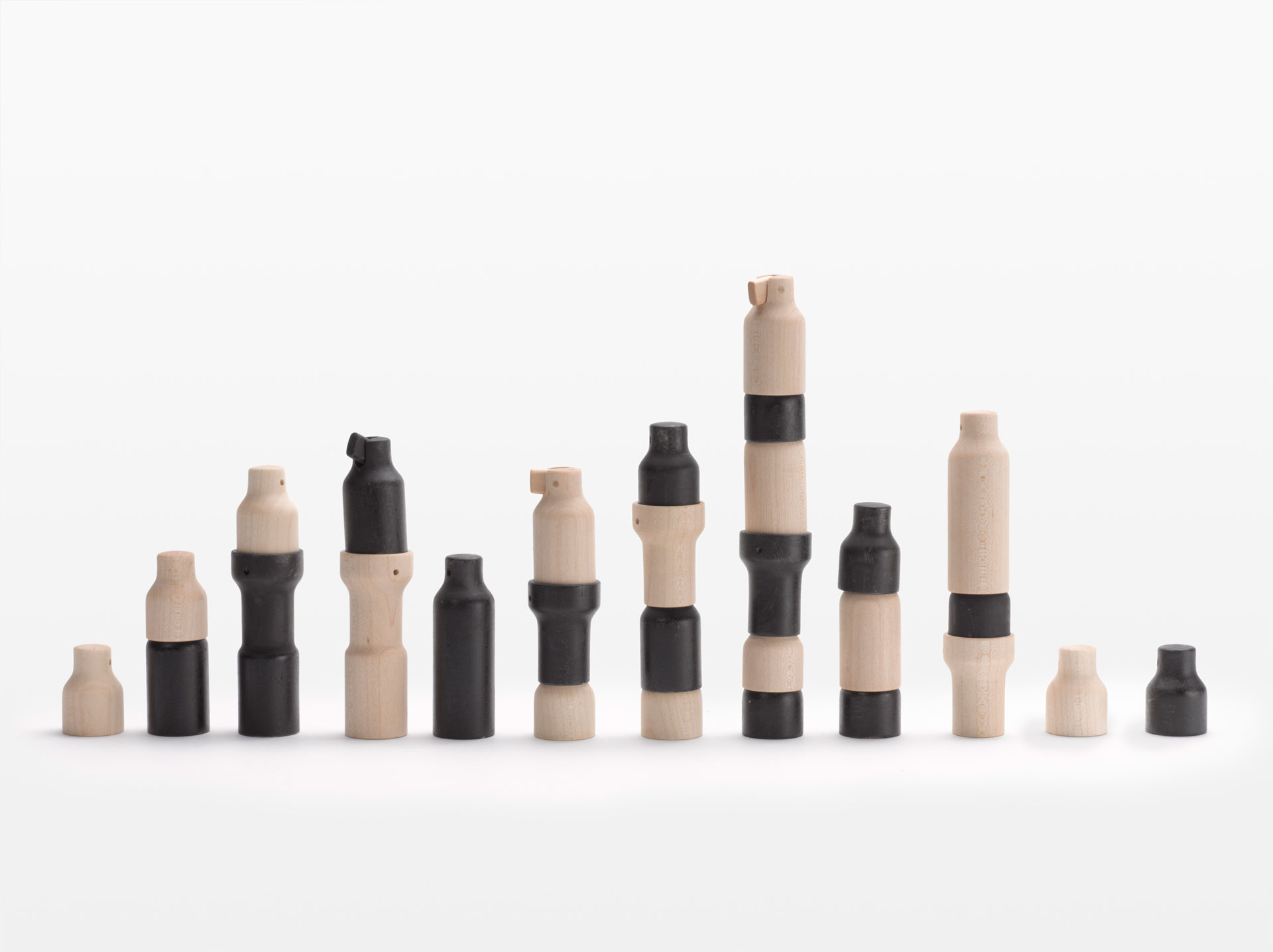
Democratic chess, zdroj: Magazín Bratislava Design Week 2014.
Ako by ste v stručnosti charakterizovali vaše hlavné tvorivé východiská?
FH: Môj proces tvorby je „ťažko zachytiteľný“. Robievam si skice vo vlaku, doma, v kaviarni alebo v mojom ateliéri;najkreatívnejšie bývajú chvíle, keď napoly spím alebo som uťahaný…dobrý nápad ma dokáže z takejto náladyvykopnúť, alebo sa samotná tá nálada možno nejako reguluje…to je ten ľudský faktor, rozdiel medzi nami a strojmi (počítačmi). Cestovanie alebo okolie môjho domova tiež ovplyvňujú moju prácu. Keď robím prvémodely, je to podobné skicovaniu. Sú ako 3D skice; môžu sa zničiť alebo zmeniť veľmi rýchlo. Niekedy ajfotografujem a pracujem na fotkách vo Photoshope, alebo v poslednom čase aj s 3D kresbami a vizualizáciami. Keď dôjde k definovaniu konečného tvaru alebo škály, je to tiež veľmi dôležitá fáza, ktorú mám veľmi rád. Aj keď je to dosť pragmatické, stále je to špecifická fáza, pretože je veľmi skutočná a môže byť zasadená do reálneho života. Moje prototypy mi ležia doma na stole, nové stoličky sú rozmiestnené okolo mňa, keď si ráno čistím zuby; alebo na ne pozriem ako na prvú vec, ktorú zbadám, a vnímam ich sviežim pohľadom bez toho, že by som nad projektom premýšľal. To je skvelý spôsob, ako si overiť hodnotu projektu, a ak to nie je OK, môžem začať odznova. Väčšinou by som rád venoval veciam viac času, ale času mám buď málo, alebo som v nejakom bode zaseknutý…a potom sa to zrazu rozbehne, keďže som zvyknutý realizovať veci rýchlo. Niektoré veci potrebujú čas, aby dozreli, a niektoré vzniknú v naozaj intenzívnom pracovnom období. Keď začínam vyrábať prototypy sám, prepínam medzi výrobcom a dizajnérom; niekedy býva jeden z nich dosť lenivý. Ale práve toto je vlastne ten zaujímavý moment, keď sa veci zjednodušujú. Samozrejme tiež komunikujem s remeselníkmi alebo inými ľuďmi, nikdy nemôžete vedieť všetko.
Často využívate kombináciu ručnej a priemyselnej výroby. Ako vidíte budúcnosť ručnej remeselnej výroby?
Bude to kombinácia. Takisto, ako sa navzájom približujú a miešajú fyzická a virtuálna/počítačová realita(používanie smartfónov a podobne). Fyzická stránka bude mať vždy dôležitú úlohu a remeslo je pre nás viacfyzické a logickejšie. Túžba po remesle a „skutočných objektoch“ vytvorených človekom, bude v budúcnostiešte dôležitejšia než dnes. Prechodné obdobie, v ktorom práve žijeme, sa bude vyvíjať. Fyzická a virtuálna sféra sa k sebe priblížia, a tak sa budú môcť remeslo a ručná práca realizovať priamo s pomocou počítača, napríklad prostredníctvom 3D skenov. Budeme voľnejší, nebudeme väčšinu času tak zafixovaní za počítačmi, počítač sa nám bude musieť prispôsobiť. Nudné práce bude vykonávať počítač a iné, slobodnejšie úkony, ostanú otvorené pre nás. Objekty budú môcť byť vyrobené osobnejšie, a pritom vo väčšom počte. Svojou prácou chcem podnietiť povedomie ľudí o materiáloch a vývojovom procese. Odkiaľ predmety pochádzajú? Aká je za nimi práca? Aké kultúrne zázemie? Remeslo je kultúrna vedomosť a materiál by mal byť volený veľmi dôsledne.
Dizajnéri by mali byť spotrebnými odborníkmi. Nabádať ľudí, aby si uvedomili, čo kupujú a s akými predmetmi žijú. Tak, ako sme čoraz viac opatrní v tom, čo jeme (bio, lokálne potraviny), mali by sme si klásť tie isté otázky, aj keď kupujeme výrobky.
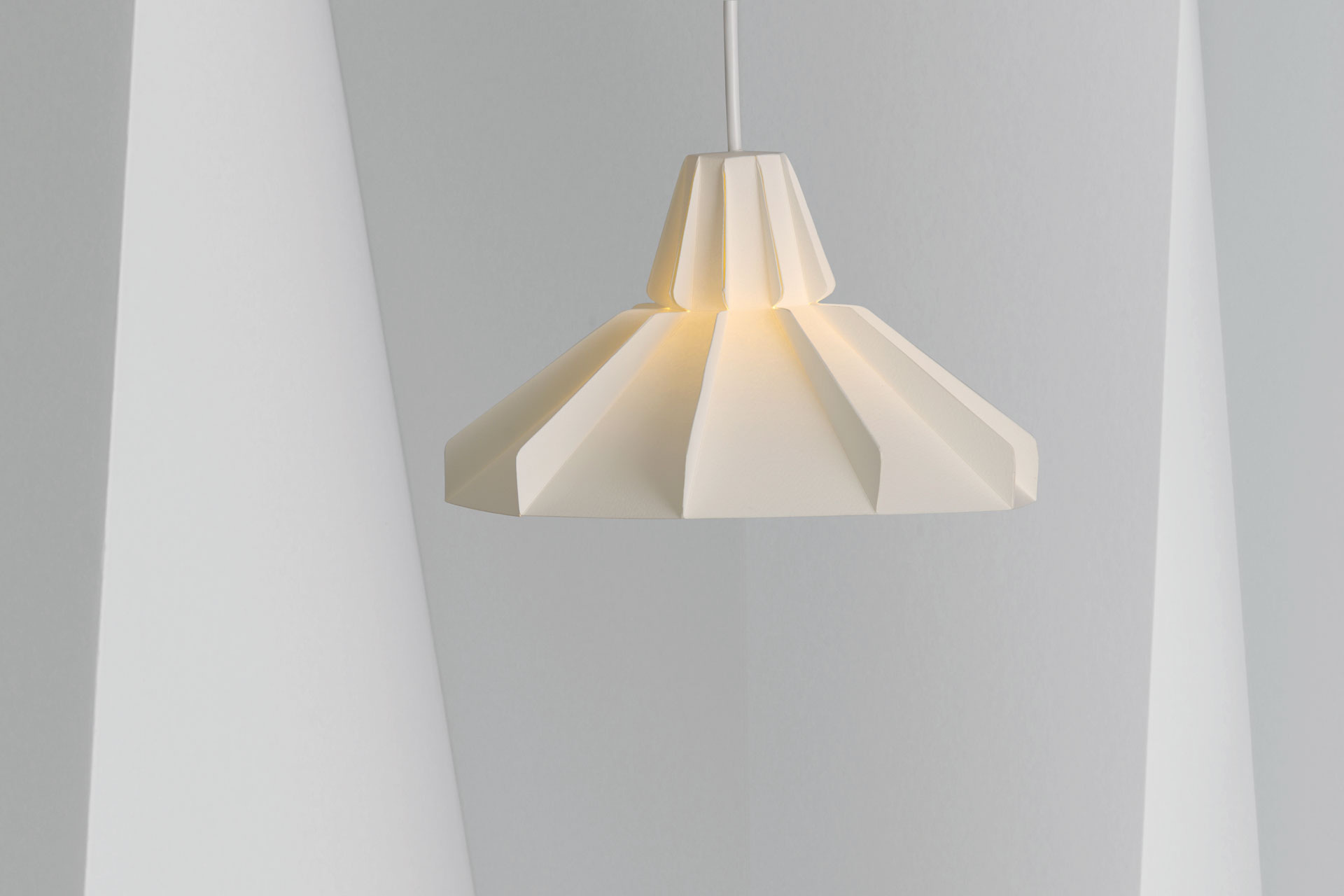
Loppa, zdroj: Magazín Bratislava Design Week 2014.
Vo vašom portfóliu majú okrem produktového dizajnu dôležité miesto aj inštalácie. Aké témy v nich riešite?
Ide o aktívny výskum priestoru a objektov v spolupráci s mojou priateľkou, ktorá je architektka. Pole, na ktorom ani jeden z nás nie je odborníkom, takže je to rovnoprávnejšie a slobodnejšie. Vnímame budovy ako ľudské telá, alebo okolie a prírodu ako „pieskovisko“ pre nachádzanie harmonického/rovnocenného vzťahu k prírode alebo urbánnemu prostrediu. Niekedy sa to končí surreálnym obrazom, ktorý kladie otázky, alebo má „chameleóniu“ povahu; je iritujúci a vyvoláva otázky v zmysle, čo je „správne“, reálne alebo normálne.
Z hľadiska idey ma zaujala práca Demokratický šach; predstavíte nám ju bližšie?
Scenár, popísaný v tradičnej šachovej súprave, pozostáva z kráľovského dvora so sprievodom vrátane veží/mesta, jazdcov/rytierov a pešiakov/ľudí. Je to strategická hra, kde je kľúčové plánovanie nasledujúceho kroku. Šach – „kráľovská hra” – sa hrával odnepamäti v najrozličnejších kultúrach od Indie cez Perziu, Rusko až po Škandináviu. Šach dnes už pomerne bežne hrávajú napríklad aj počítače. Demokratický šach je novou interpretáciou tradičnej šachovej hry. Nielen forma, ale aj funkcia figúrok bola reinterpretovaná, čo znamená, že priebeh a obsah hry sa môže meniť. Demokratický šach zvyšuje nepredvídateľnosť hry, vytvára totálne nové a prekvapivé situácie. Nové spôsoby hrania sú umožnené tvarom figúrok. Vyradené figúrky sa neodstraňujú zo šachovnice, ale skladajú sa na seba, a tak vytvárajú nové figúry, ktoré majú viac možností.Napríklad jazdec, a dokonca aj druhá dáma môžu byť poskladaní z niekoľkých pešiakov a podobne. Demokratický šach sa dá hrať tromi spôsobmi: ako normálny šach; ako nový, demokratický šach s flexibilnými hodnotami a hracími scenármi alebo ako detská skladačka.
Aká je súčasná švajčiarska dizajnérska scéna? Čo by ste nám z nej odporučili?
Dnešný švajčiarsky dizajn odráža geografickú polohu krajiny – je ovplyvnený dizajnovou kultúrou okolitýchštátov. Je stále pragmatický, praktický, nikdy nie je príliš dekoratívny, môže za ním byť pekný príbeh, ale použitie a funkcia sú hlavným zámerom. Sú tu mladí dizajnéri, inšpirovaní skôr francúzskym dizajnom z ECAL (Ecole cantonale d‘art de Lausanne) ako Big Game, Adrien Rovero, Christian Spiess, Dimitri Baehler, Tomas Kral (toho iste poznáte), Anaide Devoudlarian + Gregory Brunisholz, Loris&Livia Sybille Stöckli, Laetitia Florin a mnohí ďalší. Potom sú tu mladí dizajnéri z centra Švajčiarska, ako Stephanie Baechler (móda a textil), Pluersmitt, Fabian Schwärzler, Moritz Schmid, Velt, Postfossil Aekae, a mnohí ďalší. Dobrým miestom na hľadanie mladého švajčiarskeho dizajnu je Deop Basel a www.sachenmachen.ch
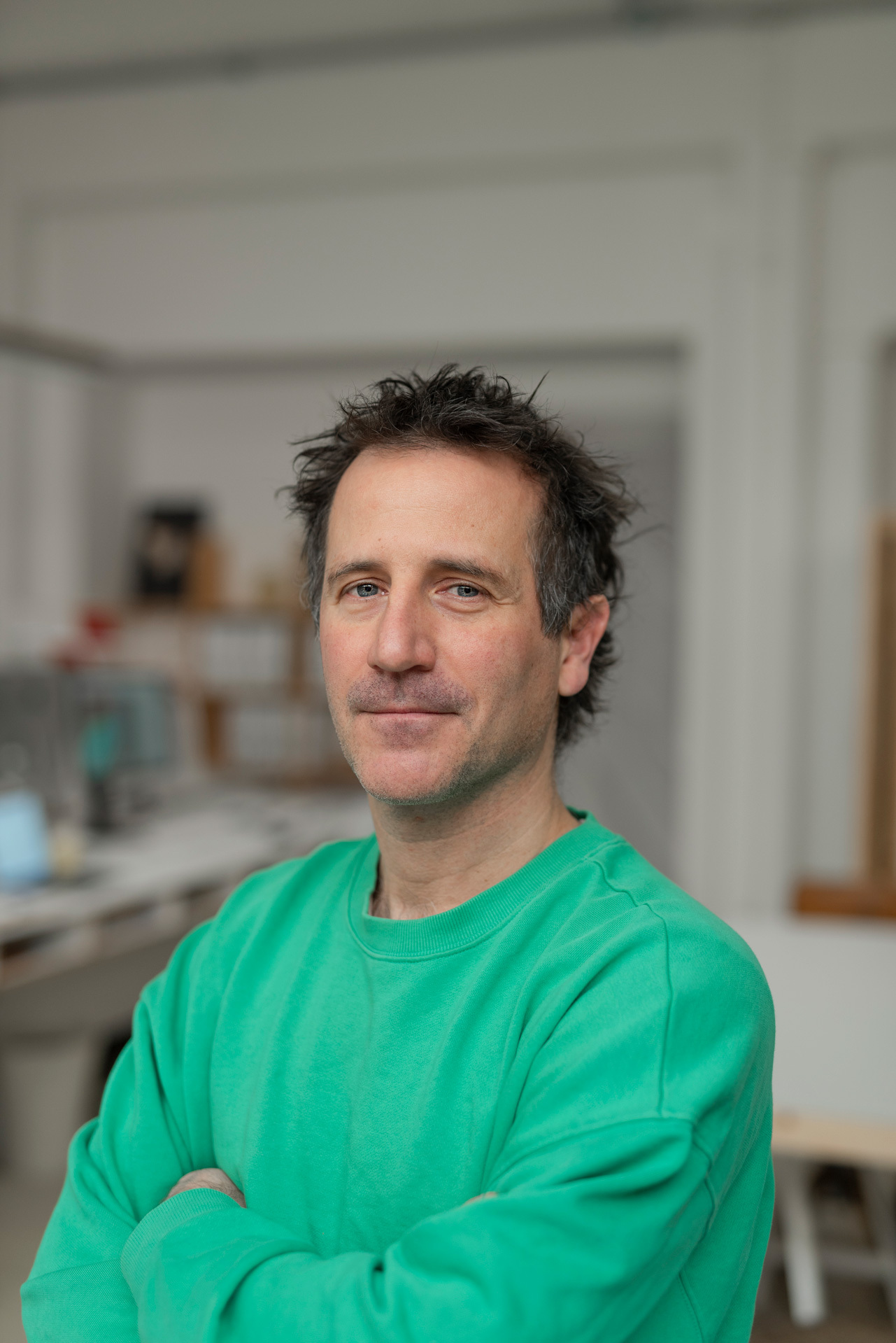
Zdroj: florianhauswirth.ch
florianhauswirth.ch
Rozhovor bol prvýkrát uvedený v Magazíne Bratislava Design Week 2014.
[:en]Swiss rationality, purity and charm. Florian Hauswirth is a designer who distiguishes himself from others by combining industrial and handmade manufacturing processes within one product. Minimalist, contemporary shapes together with maintenance of historical craft traditions are significant for his work.
Democratic chess, source: Magazine Bratislava Design Week 2014.
How would you briefly describe your basic creative approaches?
FH: My process is “hard to catch”. I do some sketching in the train while travelling home, in a café or in my studio, the most creative time is a phase of half sleeping or being in draggy mood… a good idea can kick you out off this mood or the mood itself regulates it somehow…the human factor, the difference between a machine (computer) and us. Traveling or my surrounding at home also influence my work. When I do the first models it is similar to sketching. They are like 3D sketches; they can be destroyed or changed in a very quick time. Sometimes I also take pictures and work over it with Photoshop or lately with 3D drawings and visual renderings. When it comes to defining the final shape or scale, this is a very important phase for my design and I do like this too. Even when it’s quite pragmatic, it is still a very special phase, it is so real and can be “planted” into real live. My prototypes lay on my table at home or new chairs are standing around, when I brush my teeth in the morning or take a first look, without having the project in mind, I have this fresh view. This isgreat to check the projects value; if not ok I may have to start again. Mostly I would like to do something for quite a while, but there is no time or I’m stuck in some points… and then it goes fast, as I’m used to realize things in a short time. Some things need time to grow and others come out in a really intense time of work. And when I start to make the prototype by my own, I switch from the maker to the designer; sometimes one of them is a bit lazy;). But this is actually the interesting moment when things get simpler. Of course I alsocommunicate with other craftsmen or people, you never know everything.
You frequently use a combination of a craft and industrial production. How do you see a future of the craft, hand-made production?
It will be a combination. Similarly to the physical and the virtual-computer reality that gets together and gets mixed (use of smart phones and so on). The physical part will have its important role and craft is more physical and logical for us. The desire for craft and “real objects” made by a human will be important, even more than it is now. The transition time-phase we live now will develop. The physical and the virtual come closer together and so craft and handmade can go more direct through a computer, with 3D scans or tracking. We will be more free and not fixed to computer most of our time; the computer has to adapt it to us. Computer will do boring work and more interesting part will stay open from us. Objects can be manufactured to be more personal even in bigger series With my work I want to increase people’s awareness about materials and development process. Where are objects coming from?What is the work behind it? What is the cultural background? Craft is cultural knowledge and material should be precisely selected.
Designers should be specialists on consumption. Helping people to be aware about what they buy and what kind of objects they live with. As we are more and more careful about what we eat (bio, local), we should ask the same questions when we buy products.
Loppa, source: Magazine Bratislava Design Week 2014.
In your portfolio, installations play an important role. What are their topics?
It’s an active research about space and objects together with my girlfriend who is an architect. A field that bothof us are not specialists in, so it is more equal and free. We see buildings as human bodies or the surroundings and nature as a ”sandbox” to find a harmonic/equal relation to nature or an urban situation.
Sometimes this ends up in a surreal image that asks questions or is as “chameleon-way” – it is irritating and this affects the question about what is the “right”/real or normal?
I like the idea behind your work called Democratic Chess. Could you please describe it closer?
The scenario described by a traditional chess set consists of a monarchy with entourage including a castle/ city, soldiers/knights and pawns/people. It is a game of strategy, whereby planning for the next move is essential. Chess – ‘The Royal Game’ – has been played since time immemorial in the majority of varied cultures from India to Persia, Russia, to the Vikings. Nowadays, computers are increasingly playing alongside chess masters. Democratic Chess is a new interpretation of the traditional chess game. Not only the form, but also the function of the figures has been re-interpreted, which means that the flow and content of the game can change. Democratic Chess increases the unpredictability of the game, creating totally new and surprising situations. New ways of playing are made possible by the shape of the figures. Pieces taken are not eliminated but stacked, thus creating new figures, which have more abilities. For example, a knight or even a second queen can be made from several pawns etc. Democratic Chess can be played in one of three ways:
1 Normal chess (monarchy) with the traditional rules
2 The new, democratic chess, with flexible values and play scenarios
3 A constructive children’s game
How would you describe the contemporary Swiss design? What would you recommend us from it?
Today’s Swiss Design mentality is like its geographic placement, influenced by design culture of neighboringcountries. It is still pragmatic, practical, never too decorative, it can have a nice story behind but the use and its function is in the main focus. There are young designers inspired by French design from Ecal such as Big Game, Adrien Rovero, Christian Spiess, Dimitri Baehler, Tomas Kral (you know for sure ;), Anaide Devoudlarian + Gregory Brunisholz,Loris&Livia Sybille Stöckli, Laetitia Florin and many more. Besides, there are young designers from the center part of Switzerland – Stephanie Baechler (fashion and textile), Pluersmitt, Fabian Schwärzler, Moritz Schmid, Velt, Postfossil, Aekae, and many more Depot Basel and www.sachenmachen.ch (in English: making things) are good places to find young Swiss design.
Source: florianhauswirth.ch
florianhauswirth.ch
The interview was first published in Magazine Bratislava Design Week 2014.
[:]