[:sk]Rozhovor / BENJAMIN HUBERT[:en]Interview / BENJAMIN HUBERT[:]
[:sk]Keď sú veci v rovnováhe[:en]Work is all around[:]
[:sk]Benjamin Hubert má iba tridsať rokov, ale spolupracuje s najvychytenejšími značkami v oblasti produktového dizajnu. Jeho tvorba je dôkazom, že ideálne spojenie ľudského rozmeru a komerčného úspechu je dosiahnuteľné, pokiaľ je človeku jasné, čo chce.
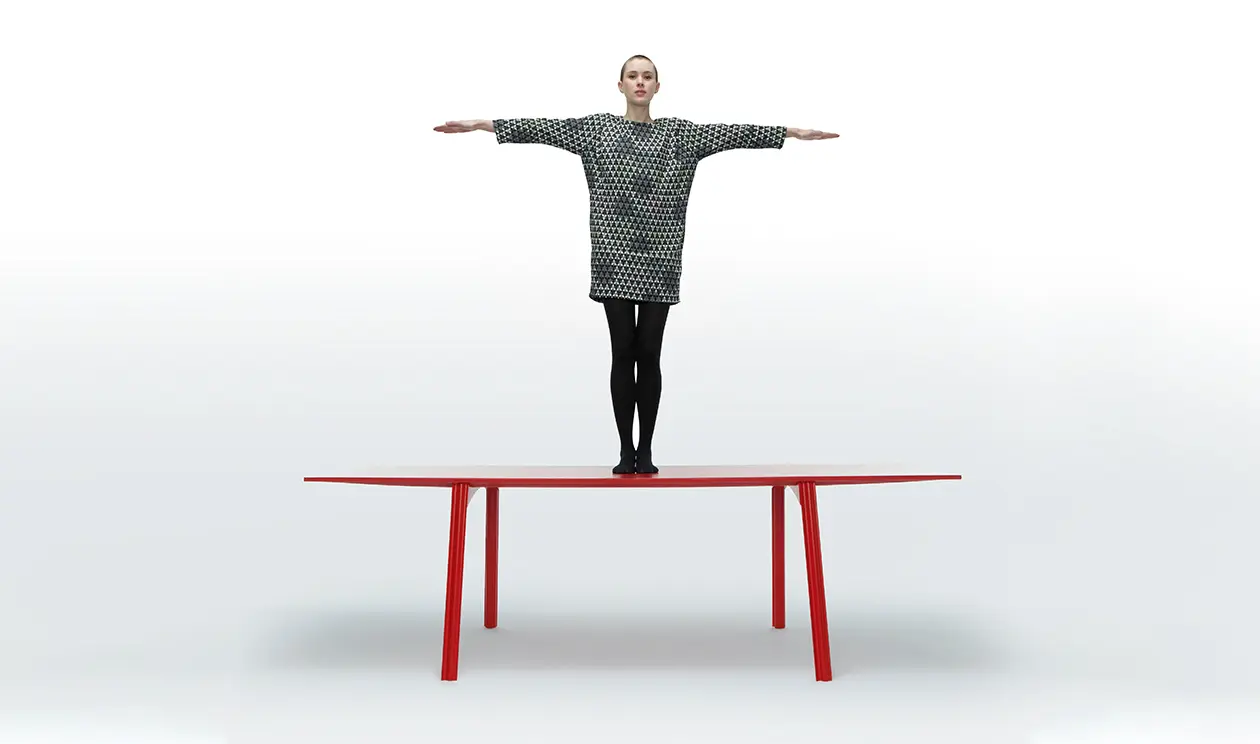
Ripple, zdroj: layerdesign.com.
Ako ste sa dostali k štúdiu dizajnu, čo vás na tom lákalo?
BH: Na kariéru dizajnéra som sa rozhodol vážne zamerať na konci štúdia na univerzite. Rozhodoval som sa medzi štúdiom umenia a dizajnu. Dôvodom, prečo som nakoniec zvolil dizajn, je, že je objektívnejší, pragmatickejší a je o riešení konkrétnych problémov, zatiaľ čo umenie je veľmi subjektívne a ja potrebujem v práci logiku, aby som v ňu mohol veriť.
Predstavte svoje štúdio. Aká je jeho história, koľko ľudí v ňom v súčasnosti pracuje?
Štúdio začalo naplno fungovať v roku 2010 a počet ľudí v ňom kolíše medzi 3 a 6. Teraz sa chystáme sťahovať do nových priestorov, takže urobíme ďalší krok a pripojí sa k nám pár ďalších ľudí. Pred rokom 2010, medzi rokmi 2006 a 2010 (v roku 2006 som absolvoval), som pracoval pre veľké dizajnérske firmy a s vlastným štúdiom som začínal po večeroch, cez víkendy, jednoducho krok za krokom, až som sa dostal do bodu, že som mohol ukončiť svoj pracovný pomer a otvoriť si vlastné štúdio.
Páči sa mi, ako pre svoje produkty používate tvary, prevzaté z iných oblastí (napr. lampa v tvare vesla). Kde všade hľadáte inšpiráciu?
Tento projekt vlastne nie je o tvare. Tvar je zhoda okolností. Je to skôr o spôsobe, akým sa to hýbe. Lampa sahýbe v 360 stupňoch a dvoch osiach a tým je to referencia na veslo. Ale počiatočné východiská projektov samenia v závislosti od typu. Niektoré sú o spolupráci so spoločnosťou – zaujíma nás, ako firmy realizujú svojuprodukciu (výroba, materiály…), čiže veľa projektov vzniká jednoducho tak, že sa zameriame na to, ako ľudiarobia veci a ako ich môžeme zlepšiť. Môžeme dosiahnuť efektívnejšie náklady? Môžeme veci robiť užitočnejšie, praktickejšie…možné je všeličo. Druhý spôsob, ako začíname svoje projekty, je o sledovaní použiteľnostia funkčnosti produktu. Všímame si, ako žijú rôzni ľudia v rôznych častiach sveta a ako môžeme postaviť koncepty a projekty na základe ľudskejšie založeného výskumu.
Ako vyzerá vaša spolupráca s klientmi (výrobcami)? Oslovujú firmy priamo vás, alebo naopak – vy hľadátevhodného výrobcu pre svoje návrhy?
V nábytkovom priemysle nových klientov vyhľadávame veľmi výnimočne. Máme vybudované vzťahy, niekedyhovoríme s nimi o niečom, čo vyzerá zaujímavo, a niekedy zasa hovoria oni s nami. Je to dosť fluidný vzťah. A máme šťastie, že sme v pozícii, keď väčšina veľkých spoločností s ponukami na spoluprácu oslovuje nás. Vo sfére produktov pre domácnosť a spotrebnej elektroniky pracujeme s veľkými značkami, ktorým pomáhamedefinovať a tvarovať budúcnosť technológie.
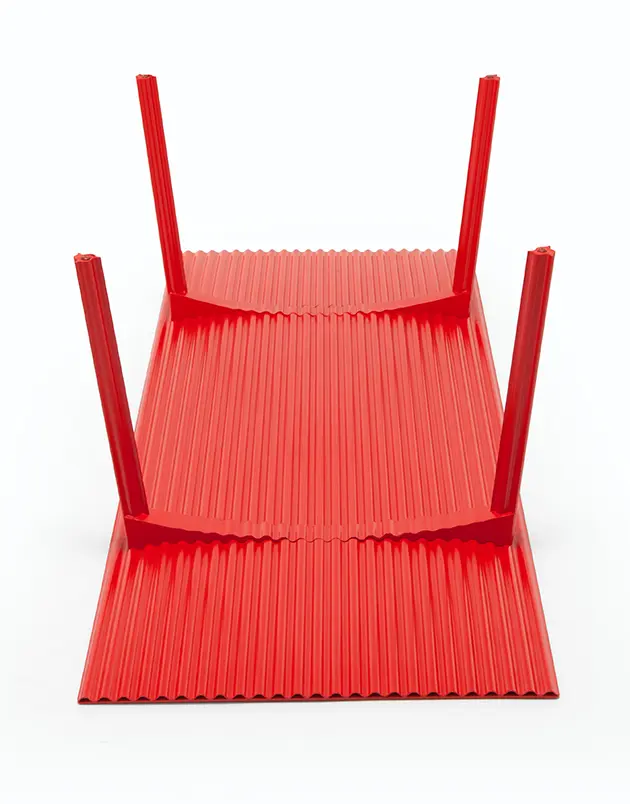
Ripple, zdroj: layerdesign.com.
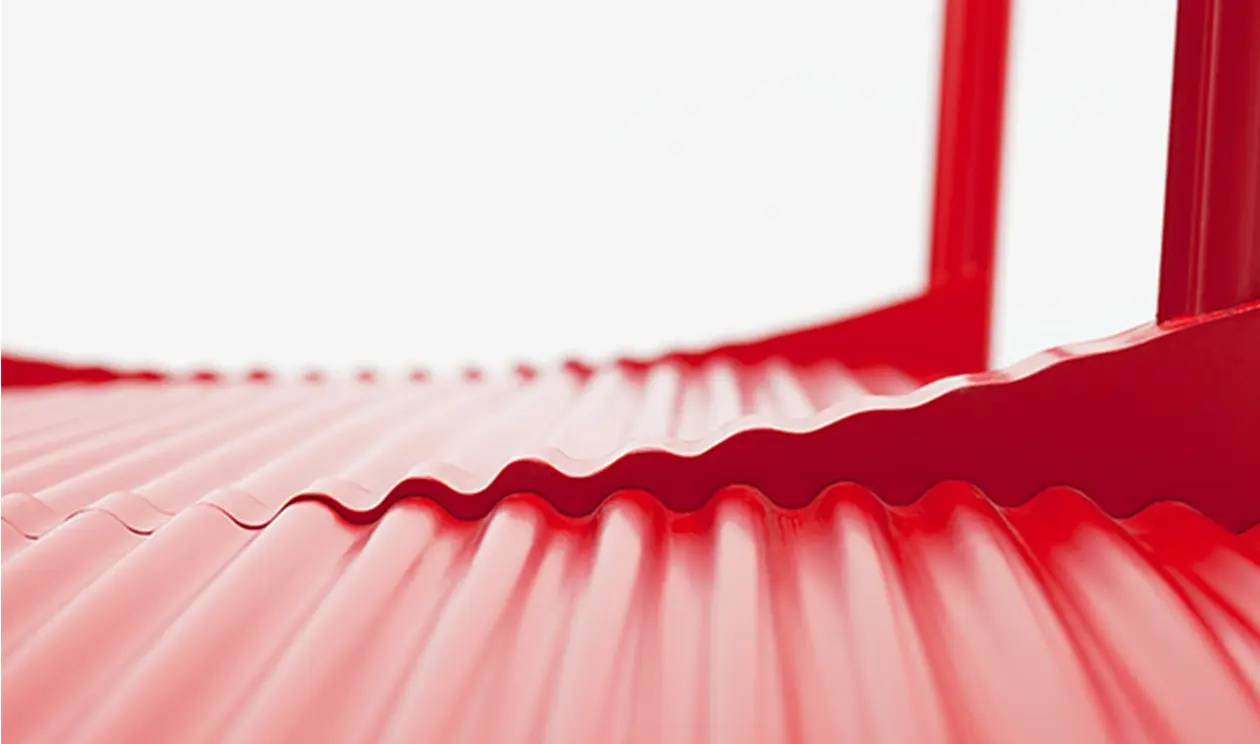
Ripple, zdroj: layerdesign.com.
V čom vidíte najsilnejšie stránky svojich produktov?
To by mal rozhodnúť asi niekto iný. My sa snažíme budovať hodnoty v produktoch, ktoré navrhujeme. Tie spočívajú napríklad v tom, že sa naše produkty ľahšie používajú, sú krajšie, lepšie sa predávajú. Takže sa vždy usilujeme pracovať s hodnotami, ktoré sú hmatateľné z pohľadu biznisu a dávajú spoločnostiam, s ktorými spolupracujeme, naozaj dobrý dôvod zaviesť naše dizajny do svojich nových kolekcií. Je to o tom, pomáhať spoločnostiam robiť kroky smerom k inovácii a biznisu.
Ako sa zmenila dizajnérska scéna vo Veľkej Británii od čias vášho štúdia?
Hýbe sa to veľmi pomaly. Nepovedal by som, že nastali nejaké veľké zmeny. Väčšina našej práce sa týka zámoria. Momentálne vlastne vo Veľkej Británii veľmi nepracujeme, hoci by sme to radi zmenili. Ale momentálne sú naši klienti za morom, takže to, ako ľudia žijú a ako reagujú spoločnosti, vnímame z veľmi globálnej perspektívy. Náš pohľad je dosť holistický a globálny na to, aby sme sa dívali, čo sa deje priamo vo Veľkej Británii.
Máte nejaké vzory, ľudí, ktorých prácu obdivujete? (Nemusia to byť nutne len dizajnéri.).
Sme veľmi zameraní na to, čo robíme, ale pokiaľ ide o kreativitu, veľmi oceňujem Issey Miyakeho a prácu, ktorú robí.
Existuje niečo ako váš „modelový zákazník“?
Nie, zákazníci aj produkty sa veľmi menia. Navrhujeme veci, ktoré sú veľmi, veľmi drahé, ale aj veľmi, veľmi lacné, v rôznych častiach sveta, takže tým sa menia aj zákazníci. Keď začíname na niečom pracovať, vždy premýšľame o tom, pre koho to je, takže jeden projekt môže byť celkom iný než ďalší.
Čo vám momentálne robí najväčšiu radosť?
Keď máme pocit, že sme niečo dosiahli – keď sú projekty, s ktorými sme spokojní a považujeme ich naozaj za dobre zvládnuté – jednoducho, keď vieme, že sme svoju prácu odviedli naozaj dobre. A osobne – keď trávim čas s priateľmi a rodinou a venujem sa iným veciam. Keď sú veci v rovnováhe.
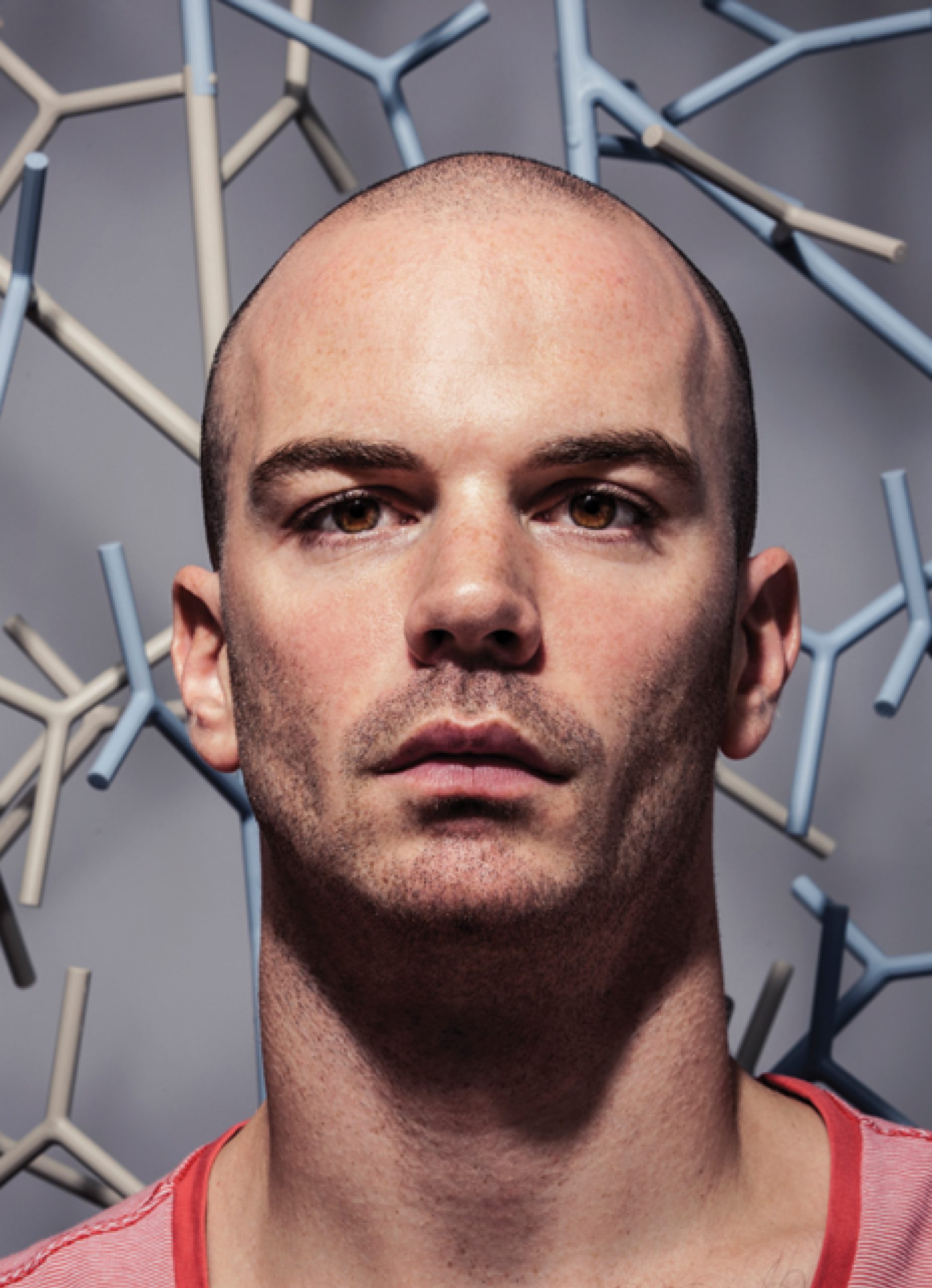
Zdroj: Magazín Bratislava Design Week 2014.
benjaminhubert.co.uk
Rozhovor bol prvýkrát uvedený v Magazíne Bratislava Design Week 2014.
[:en]Benjamin Hubert is only thirty years old, but he has worked with some of the most established brands in product design. His work is proof that the ideal combination of the human dimension and commercial success is achievable as long as one is clear about what one wants.
Ripple, source: layerdesign.com.
How did you get to study design? What attracted you to it?
BH: So I made a choice at the end of my school years to really pursue a career of a designer at the university. The decision was a decision between studying fine arts and studying design. And the reason I chose design wasthat it was more objective, pragmatic and about actual problem solving, whereas art is very much subjectiveand I need rationale behind the work to believe in it.
Could you please present us your studio? How has you started it, how many people are working there now?
The studio really started fulltime in 2010, and the studio fluctuate at that time between three to six people and we are about to move into a new studio so we are taking another step and a few more people will join the studio. But before 2010, between 2006 and 2010 (2006 was when I graduated) I worked for the big designerconsultancies and then started the studio at the evenings and weekends, just step by step until I got to the point where I could quit my day job and then started the studio in 2010.
I like the way you use shapes and forms taken from different fields in your designs (for example, the lamp in a shape of a paddle). Where do you look for inspiration?
That project is not really about the shape. The shape is a coincidence. The project is more about the way itmoves. It moves in 360 degrees and two axes and in that way it is like a reference. But the starting point of the projects changes depending on the type of the project. Some projects are about working with a company on the way they produce things and (in their factories, their manufacturing and their materials) and so we start a lot of projects like that, looking at the way people are doing things and how we can improve it… Can we make things more cost-effective? Can we make things more interfere, more high performance, whatever it is. And then the second way we start projects is about looking at the usability and functionality of a product. And really looking at the way people live their lives, in different parts of the world, different types of people, and then how we can build concepts and projects around more human-based research.
Ripple, source: layerdesign.com.
Ripple, source: layerdesign.com.
What does the cooperation with your clients (manufacturers) look like? Do the companies address you directly, or vice versa – you are looking for a suitable manufacturer for your designs?
In the furniture industry, we very rarely approach new clients. We have relationships, sometimes we talk to them about something that looks interesting and sometimes they talk to us about something that looks interesting. It’s quite a fluid relationship. And we are lucky enough now to be in a position where most of the big companies are offering us to work withthem. And in the field of product, domestic goods and consumer electronics, we are working with big brands to help them define and shape the future of the technology.
What do you think are the strongest qualities of your products?
That is for someone else to decide really, what we are trying to do is build a value in to products that we design. It’s the value that it is easier to use, it is the value that it is more beautiful; it is the value that sells more. So we are always trying to do with values that are tangible to business, and gives the companies wework with a really good reason to introduce our designs into their brand new collections. It is about really helping the companies take steps for an innovation and business.
In what way has the design scene in the UK changed since the times of your studies?
It is very slow moving. I wouldn’t say there are some big changes. Most of our work is overseas. We don’t really work in the UK so much in the moment, we’d like to change that. But at the moment our clients areoverseas we take a very global perspective on the way people are living, and the way companies are reacting to that, so our view is more holistic and global than looking at what the UK is doing really.
Do you have any role models – people, whose work you admire? (They do not have to be necessarilydesigners).
We are very focused on what we do, but in terms of creativity, and I very much appreciate Issey Miyake andthe work that he is doing.
Does something like your „model customer“ exist? If so, who is he/she?
No, the customers and products change hugely. We design things that are very very expensive and then veryvery cheap, in a lot of different parts of the world, so the customers change a lot. When we start designing something, we think about who it is for, one project can be very very different from the next.
What gives you the greatest joy these days?
When we think we have achieved something, projects we are happy with, that we think we’ve performed reallywell, and that we’ve done job really well, that makes us really happy also. And personally, when I spend time with friends and family and pursuing other things. When the balance is right.
Source: Magazine Bratislava Design Week 2014.
benjaminhubert.co.uk
The interview was first published in Magazine Bratislava Design Week 2014.
[:]