[:sk]Rozhovor / GUGLIELMO POLETTI (IT) / Dôslednosť a ucelenosť sú nevyhnutné [:en]Interview / GUGLIELMO POLETTI (IT) / Consistency and integrity are essential[:]
[:sk]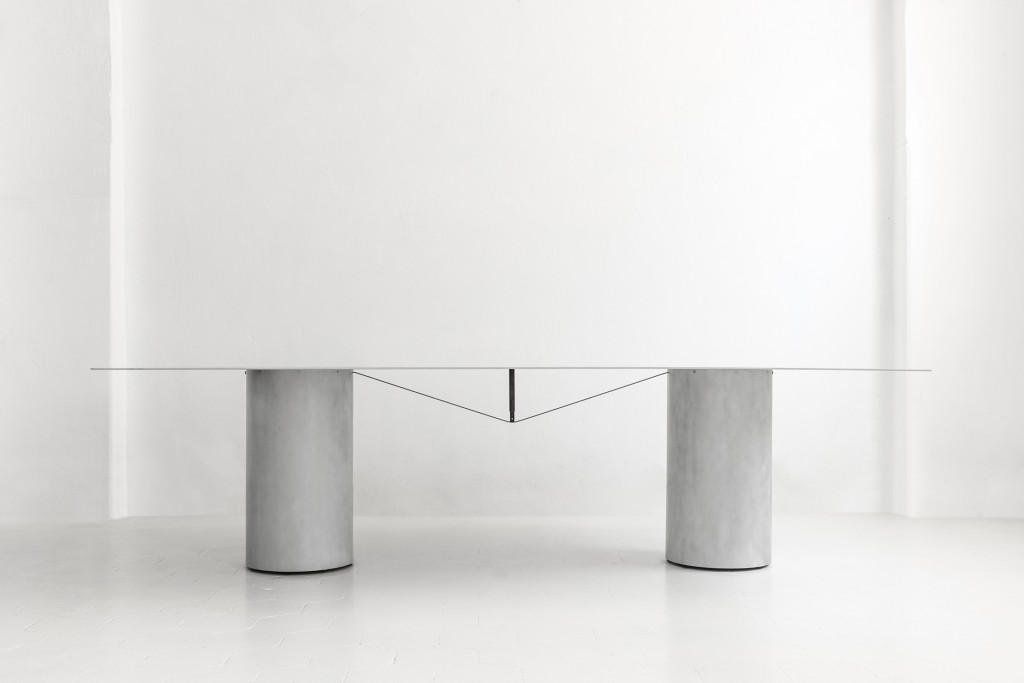
Stôl Equilibrium Rectangular, Galleria Rossana Orlandi, 2018
Odkiaľ si? Vyrastal si v blízkosti či v kontakte s dizajnom alebo umením?
Narodil som sa a vyrástol v Miláne. Až v roku 2014 som sa presťahoval do Holandska. Môj starý otec sa sám vypracoval na obchodníka s umením, zberateľa starovekého umenia a maliara. Môj otec sa vydal v jeho šľapajach a popritom si pestoval vášeň pre dekorácie interiérov. Z okolitého prostredia som toho teda nasal dosť, nalepili sa mňa aj akési neartikulované vedomosti a analytické schopnosti vizuálne rozmýšľať.
Kto bol najlepší učiteľ?
Na svojej ceste som takých mentorov, ktorí pre mňa znamenali bod zlomu, spoznal viac. Ale najdôležitejšie bolo pre mňa stretnutie s Ronom Giladom, ktorého som spoznal na jednom workshope v Boisbuchete v roku 2013. Okamžite som v ňom spoznal nezávislú osobnosť, ktorá vynikala vďaka svojmu nekonvenčnému prístupu. Počas toho workshopu som sa naučil, že myslieť singulárne, jednostranne môže byť plusom, nie mínusom. To bolo pre mňa ozajstné východisko a tak, po iných rôznych skúsenostiach, bol Eindhoven akýmsi prirodzeným pokračovaním. Hľadal som miesta, kde by sa nepracovalo štandardným spôsobom podľa vopred určených metodológií, ale kde by sa zdokonaľovali vlastnosti jednotlivca.
Ktorým smerom si sa na Akadémii dizajnu v Eindhovene vybral a prečo?
Mám magistra z katedry kontextuálneho dizajnu, čo je magisterský kurz zameraný primárne na objekty a hmatateľné výsledky. Tím vedúcich sa skladá z niekoľkých vynikajúcich osobností a kľúčom je postoj, aký vyžadujú od študentov – neustále vás vytláčajú zo zóny pohodlia tým, že treba myslieť rukami a experimentovať bez toho, aby ste vedeli, ktorým smerom sa vydáte. Zároveň je podstatné, aby ste proces tvorby podporili analytickým myslením, prepojeným s teoretickým výskumom.
Prvý rok chodíte na niekoľko kurzov, ktoré vám rozšíria pohľad – od teoretických po rýdzo praktické projekty. Ozajstné ihrisko, na ktorom sa dajú postaviť základy pre druhý rok. V druhom, diplomovom ročníku si pospájate všetky body, aby ste pochopili, aké je vaše stanovisko, a potom ho usúvzťažňujete s vonkajším svetom.
Stôl Equilibrium Console, Galleria Rossana Orlandi, 2016
Už na škole bol na tvojej tvorbe vidieť veľmi sochársky, a zároveň technický prístup. Je ťažké medzi nimi nájsť rovnováhu?
Sochárske prvky mojej tvorby sú priamym dôsledkom mojej fascinácie štruktúrami. Vždy začínam od konštrukcie, ktorá vyplýva z vlastností konkrétneho materiálu. Tento postup v procese vytvára istú hierarchiu, a to mi automaticky pomáha nájsť rovnováhu medzi dvoma stránkami projektu. Najviac sa teším zo skutočnosti, že všetko to „technické“ vychádza z procesu v praxi, čiže ho počas tvorby ako technické nikdy nevnímam.
Keď sme sa stretli, bol tvojou témou limit – limit použitého materiálu, konštrukcie pri zachovaní funkčnosti. Ešte stále to tak intenzívne testuješ?
Myslím si, že tendencia skúmať limity materiálov vyplýva z mojich pracovných kritérií a z vnútornej fascinácie zo zjednodušenej komplexnosti. Myšlienka hranice v oblasti tvorby sa dá vnímať ako minimálne gesto potrebné na to, aby sa niečo neisté zmenilo na niečo štrukturované. V mojej prvej sérii „Equilibrium“ (Rovnováha) som na to použil kábel, zatiaľ čo v projekte lavičiek „Sections“ (Rezy) som iba rozrezal valec tak, aby som ho stabilizoval a nekotúľal sa.
Za týmito veľmi nepatrnými gestami sa v skutočnosti skrýva omnoho širší výskum – dlhý destilačný proces nutný na to, aby sa dosiahol hlbší účinok a aby sa dielu dodali vrstvy.
Aktuálne začínam robiť na nových spoluprácach s priemyselnou výrobou a som na to veľmi zvedavý. Po škole som robil najmä na projektoch, ktoré predpokladali istú slobodu, zameriaval som sa na limitované série pre galérie. Upevnil som svoj prístup a nemusel som pritom robiť žiadne kompromisy. V poslednej dobe prišiel záujem výrobcov. Je tu možnosť preniesť môj prísny prístup do priemyselných noriem. Je tu šanca vniesť aspoň malý odklon do štandardnej priemyselnej výroby. Je to výzva a dúfam, že sa jej budem vedieť chopiť tak, aby som si zároveň zachoval integritu vo svojej tvorbe.
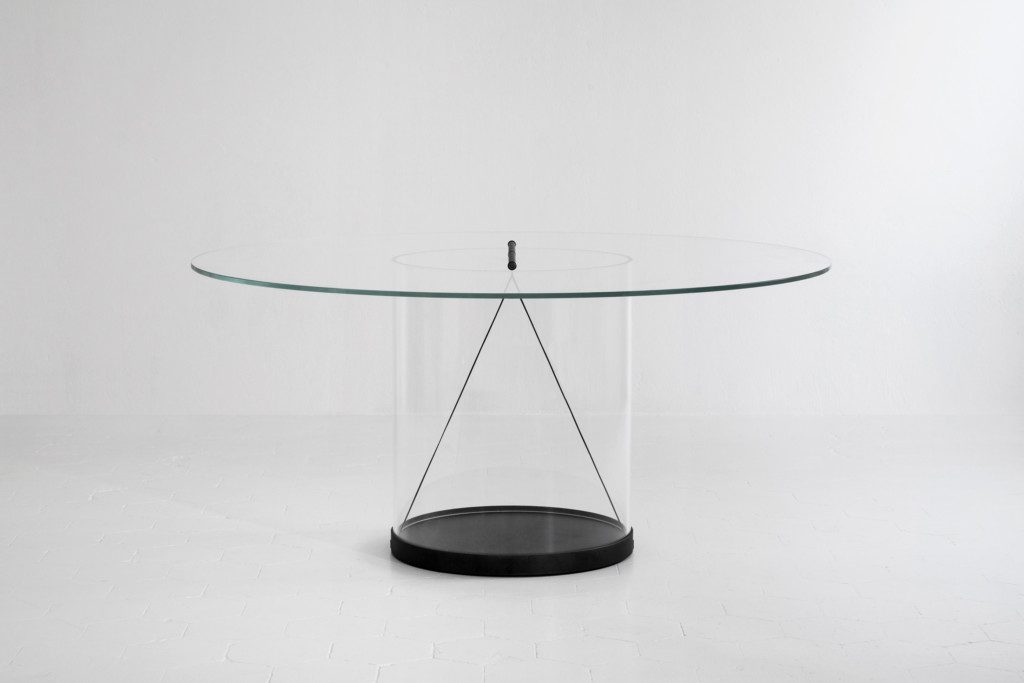
Stôl Equilibrium okrúhly, Galleria Rossana Orlandi, 2017
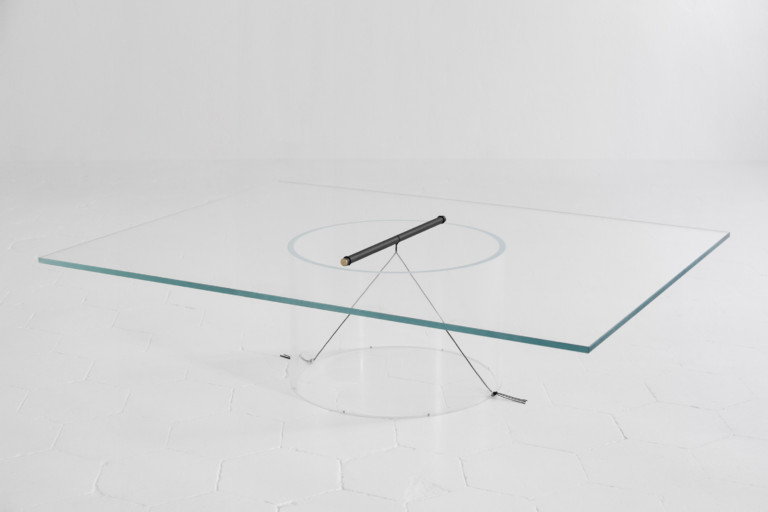
Stôl Equilibrium nízky, Galleria Rossana Orlandi, 2016
Ty si svoj prístup našiel a rozvíjaš ho. Čo si popri tom myslíš o tom, ako sa v súčasnosti hovorí/nazerá na dizajn v spoločnosti? Narážam na veľkú akceleráciu nových prístupov a interdisciplinaritu, aj na nové spoločenské kontexty, úlohy dizajnu.
Hranice dizajnu sa omnoho viac rozostreli a to nám dáva priestor na otvorenú interpretáciu toho, čo by dnes dizajn naozaj mohol znamenať. Hoci je zdanlivo ťažšie túto disciplínu identifikovať, považujem to za pozitívny aspekt. Mne najviac záleží vždy na kontexte, na ktorý sa projekt zameriava – či už je ten kontext spoločenský, konceptuálny alebo priemyselný. Podľa mňa je dôležité dôkladne chápať príčiny, prečo projekt vzniká.
Uvediem príklad, základná téza Akadémie dizajnu v Eindhovene znie, že dizajn sa má používať ako nástroj na skúmanie škály kontextov. Prevracia tak všeobecne zaužívanú tendenciu, ktorá hovorí o tom, že výskum sa robí pre to, aby sa dizajn implementoval do daného kontextu. Síce sa tak ťažšie uchopujú veci v úvodnej fáze projektu, ale neskôr sa vám otvára veľa neočakávaných scenárov.
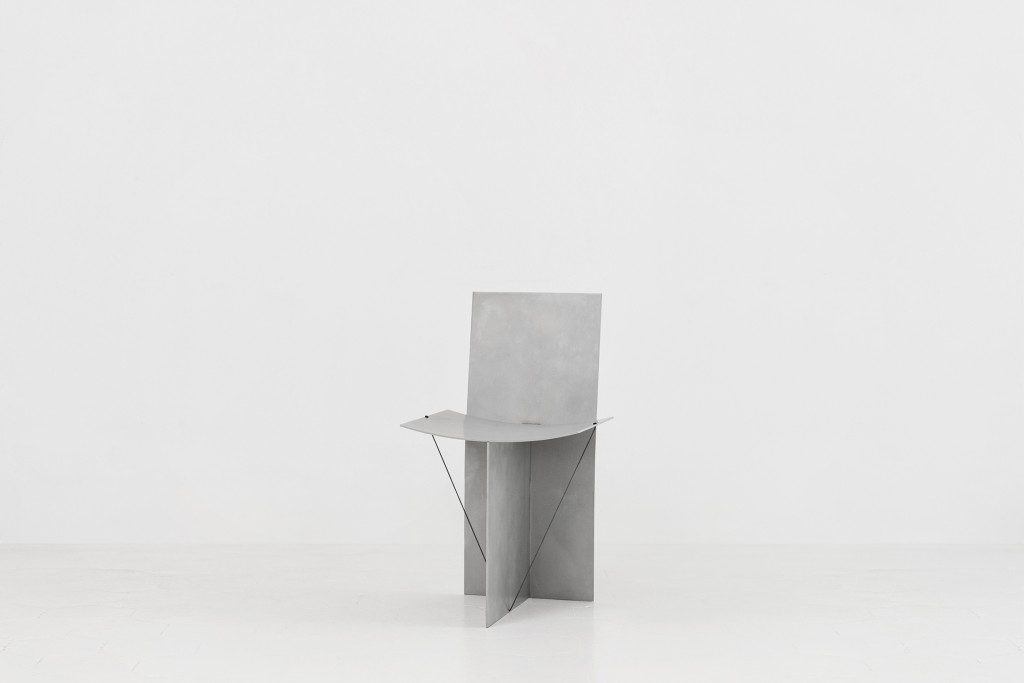
Stolička Equilibrium, Galleria Rossana Orlandi, 2018
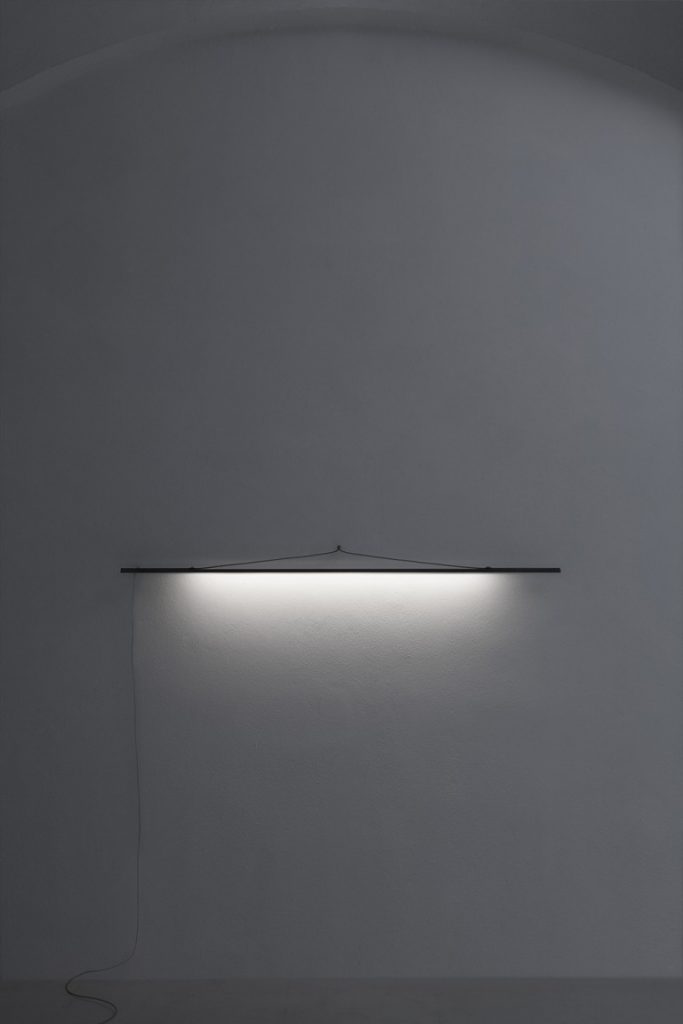
Helix 1622, nástenné svietidlo, Schloss Hollenegg for Design, 2018
A aký je tvoj postoj, čo sú tvoje priority?
Môj prístup je intímny, všetko, čo robím vychádza z mojich potrieb. Čiže mojou prioritou je zostať verný samému sebe počas toho, ako sa vyvíjam. Na to sú podľa mňa podstatné zložky ako dôslednosť a ucelenosť a tie sú nevyhnutné na to, aby som si vypracoval víziu a pevne uchopil svoje myšlienky.
Máš pri svojej práci nejaké rituály?
Snažím sa sledovať presne tie chvíle, keď u mňa v procese tvorby prevláda intuícia a odhaľuje sa pôvod budúceho výsledku. To ma vie prekvapiť. Prvýkrát sa to stalo, keď som bol v poslednom ročníku a myslel som si, že je to iba čistá náhoda. No keď som si všimol, že za správnych okolností by sa to mohlo udiať znovu a znovu, začal som si viac dôverovať. Vedomie potenciálu, skrytého v nevedomí, sa stalo tým najvzácnejším prvkom a snažím sa ho privolať vždy, keď začínam nový projekt.
Aká tvorba ti v súčasnosti príde zaujímavá? A nemusí to byť len z oblasti dizajnu (napr. architektúra, umenie, veda).
Veľmi ma berie architektúra a socha. No zistil som, že v architektúre často hľadám sochárske kvality a v soche zas hľadám kvality architektúry. Povedal by som preto, že najviac ma inšpiruje prepájanie odborov, ktoré sa týkajú priestoru a stavby.
Ale aby som spomenul aspoň zopár mien – mojimi vzormi sú napríklad Donald Judd, Isamu Noguchi či Maarten Van Severen. Podarilo sa im totiž zhostiť sa ambicióznej úlohy a vytvoriť veľmi široké spektrum diel, ktoré zjednocuje absolútne čistá vízia.
Najlepšia udalosť v oblasti dizajnu (výstava, projekt) uplynulého roku a prečo?
Tento rok bol pre mňa dôležitý, lebo sa niesol v znamení udalostí, ktoré ma v mnohých ohľadoch posunuli ďalej.
Mohol som ukázať svoju tvorbu na MAISON&OBJET v Paríži, kde som sa vďaka nominácii Rossany Orlandi zúčastnil na talianskom vydaní „Cien začínajúcich talentov“. Zároveň som bol v užšom výbere ceny časopisu Wallpaper* („Officine Panerai Next Generation Designer of the Year“). Tieto ocenenia mi umožnili predviesť svoju tvorbu pred širším publikom.
Mohol som tiež skonsolidovať svoju experimentálnu tvorbu – rozšíril som sériu „Equilibrium“ o tri nové veci, ktoré som uviedol na Milan Design Week a na PAD v Londýne, obe v spolupráci s Galleria Rossana Orlandi.
A nakoniec som spustil svoj priemyselný projekt – kolekciu dlaždíc „Segments“ (Segmenty), ktoré som navrhol pre taliansku keramickú firmu Decoratori Bassanesi. Celý proces som si veľmi užil a dokonca som dostal aj cenu, ktorú si veľmi vážim – ocenili ma za najlepší keramický a kúpeľňový dizajn „ADI Ceramics & Bathroom Design Award 2018“ na bolonskom veľtrhu Cersaie.
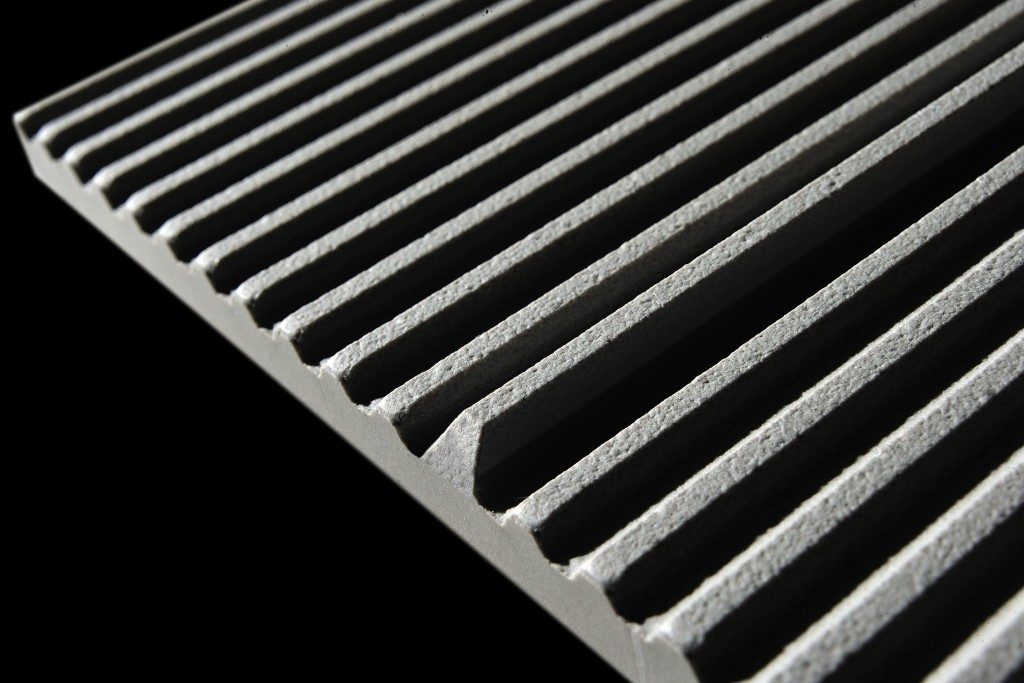
Dlaždice Segmety pre Decoratori Bassanesi, 2018
Kniha, ktorá ťa najviac dostala?
Na magisterskom stupni som čítal „Listy mladému básnikovi“ od Rainera Maria Rilkeho. Bolo to nádherné čítanie, vďaka ktorému som pochopil, že v skutočnosti nezáleží na nástrojoch, ktoré sa chcete naučiť a použiť, aby ste vyjadrili svoje myšlienky, ale to, ako si ich osvojíte a prispôsobíte svojej vízii. Myšlienka, že Rilke odmietal rozprávať priamo o poézii a namiesto toho rozprával o veciach, ktoré ju obklopujú, je veľmi zaujímavá. Podobá sa mojej skúsenosti zo štúdia v Eindhovene, kde som mohol popustiť uzdu svojim myšlienkam vďaka tomu, že som nemal priveľa vopred určených pokynov.
O čom snívaš?
Mojím najväčším snom je momentálne to, aby som našiel správne kontexty, ktoré by mi umožnili uchovať si takýto postoj dlhodobo.
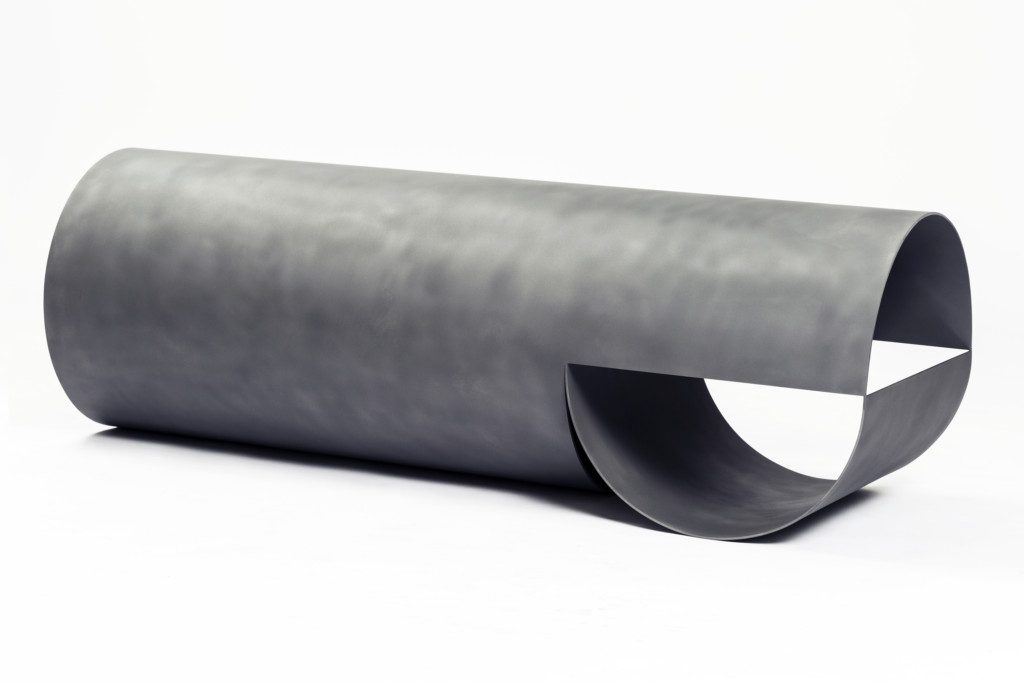
Lavica Sections, oceľ, SEEDS London, 2017
Guglielmo Poletti
Dizajnér pôvodom z Milána, ktorý aktuálne žije v Eidhovene, kde absolvoval progresívnu Design Academy. Poletti programovo vo svojej tvorbe skúma limity materiálov. Ide do extrému, ale snaží sa o zachovanie funkcie a darí sa mu to. Redukciou sa snaží obnažiť podstatu objektu, ukázať jeho krehkosť a pevnosť zároveň. Dáva do kontrastu objemy, experimentuje so spojovacími prvkami. Dôležitým je pre neho skutočne porozumieť materiálu. Zastupuje ho Galéria Rossana Orlandi v Miláne.
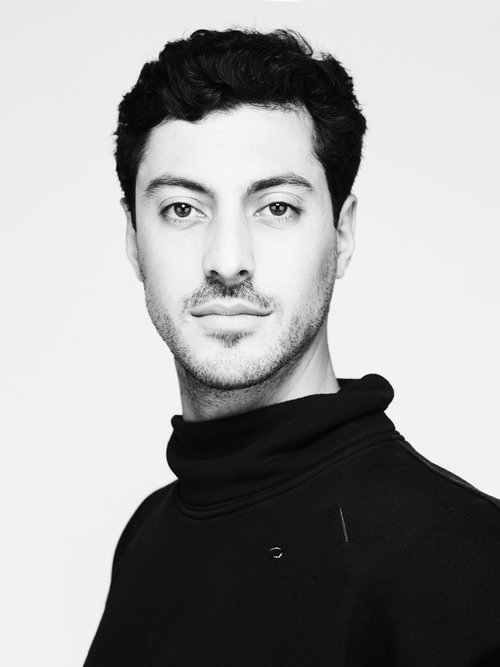
Foto: Giovanni Gastel
[:en]Equilibrium Rectangular, Galleria Rossana Orlandi, 2018
Where are you from? Did you grow up close or in contact with design or art?
I was born in Milan, where I grew up and spent most of my lifetime before leaving Italy for the Netherlands in 2014. My grandfather was a self-taught art dealer and a collector of ancient art. He was also a painter. My father followed the same professional steps, cultivating his passion for interior decoration on the side. I have absorbed many inputs from the environment that surrounded me, plus some tacit knowledge and analytical skills linked to visual thinking.
Who was the best teacher?
On my path I met more than one mentor that represented a turning point for me. The most important encounter was the one with Ron Gilad, that I got to know during a workshop in Boisbuchet back in 2013. I immediately recognized in Ron an independent figure, that stood out thanks to his unconventional approach. During that week I learned that thinking in a singular way could be a plus, not a minus. That was really the starting point for me, and after few other experiences Eindhoven came naturally – I was looking for a place that could enhance the individual’s qualities, instead of pursuing a standardization based on preconceived methodologies.
And which design courses did you attend at the Design Academy Eindhoven?
I graduated from the MA Contextual Design department, a master course mainly focused on objects and tangible outcomes. The mentors’ team is comprised of several great personalities, and the attitude they require from the students is key – you are constantly pushed out of the comfort zone, by thinking through hands and experimenting without knowing anything about the direction you will follow. Simultaneously, analytical thinking is an essential tool that should be used to empower the process of making, by relating it to theoretical research.
During the first year you undertake several courses that aim to broaden your perspectives – ranging from theory-based projects to purely making-based projects. A real playground, where you can build the foundations for the second year. During the thesis year, you connect all the dots to understand what is your position, and start to put it in relation with the outside world.
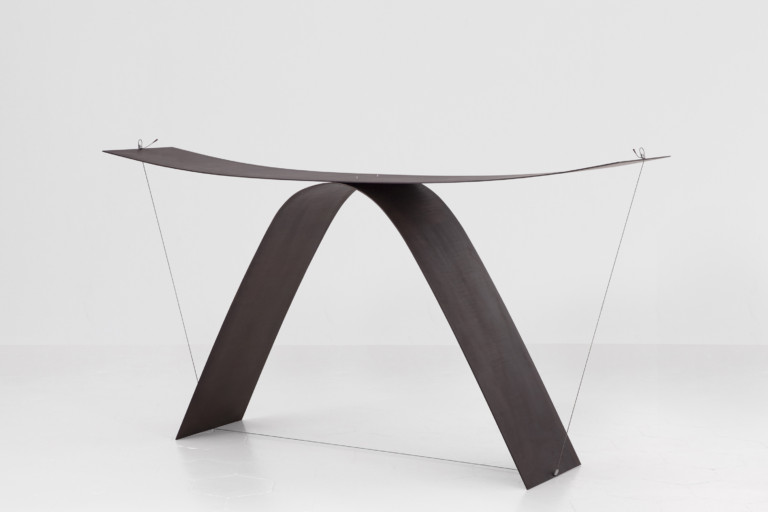
Equilibrium Console, Galleria Rossana Orlandi, 2016
Your work is very sculptural and technical at the same time. Is it hard to find a balance?
The sculptural qualities of my work are a direct consequence of my fascination for structures. I always start from construction in relation to the properties of a specific material. This sequence creates a sort of hierarchy within the process, which automatically helps to find the final balance these two sides of the project.
What I enjoy the most is the fact that all the ‘technical’ result from a hands-on process, therefore I never experience them as technical while facing them during the development of a work.
What are you working on at the moment? Are you still so deeply involved in testing the limits of materials and shapes?
I think the tendency to investigate the limits of materials results from my working criteria and from an innate fascination for simplified complexity. In relation to construction, the idea of limit can also be seen as the minimum gesture needed to turn something precarious into something structural. For example, in my first series ‘Equilibrium’ I used a cable to accomplish this, while in the project of my benches ‘Sections’ I just made a cut on a tube to stabilise it and prevent it from rolling.
Although these gestures are very subtle, there is a much broader investigation done behind the scenes – a long distillation process, necessary to achieve a deeper impact and add layers to the work.
Concerning my current projects, I am starting new collaborations with the industry, and I feel extremely excited about that. After my graduation I mainly developed projects based on a certain freedom, focusing on limited editions for galleries. This enabled me to consolidate my approach without having to compromise at all. When some companies got to know my work later on, they saw the opportunity to translate this sharp approach according to the industrial standards. So having the chance to introduce a little twist within the industrial field is a challenging opportunity, and I hope I will be able to do so while keeping a good deal of integrity in my work.
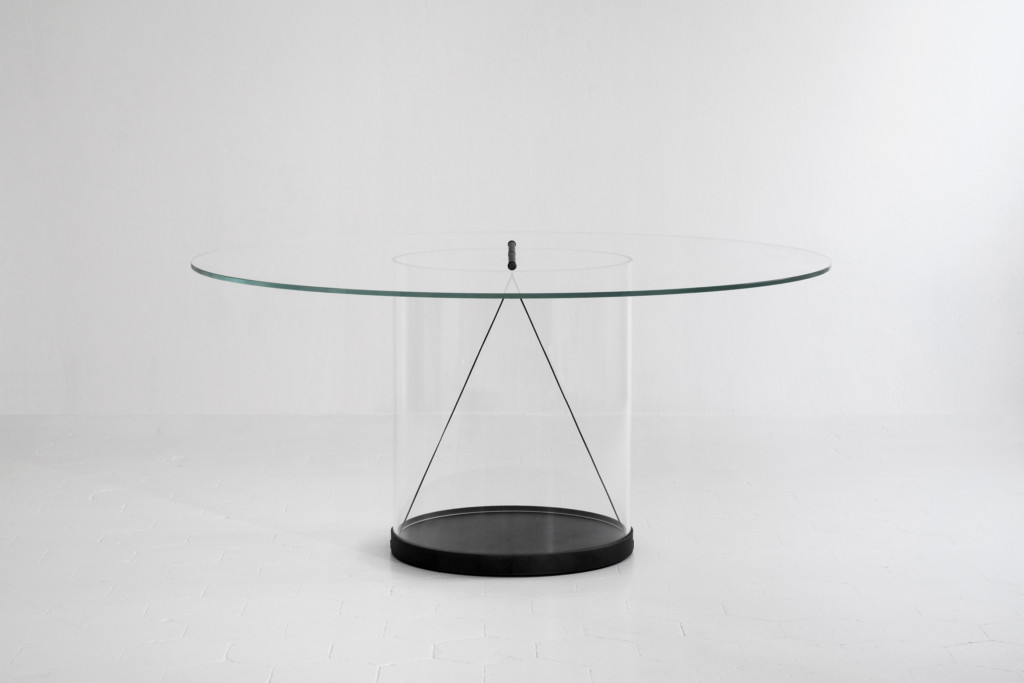
Equilibrium Round Table, Galleria Rossana Orlandi, 2017
What do you think about the contemporary talk/position on design in the society?
The borders of design have become much more blurred, and this leaves room for an open interpretation of what design might actually stand for nowadays. Although it seems harder to identify the discipline, I think this is a positive aspect. For me what really matters is always the context a project is addressing – being it more social, conceptual or industrial, I think it’s important to deeply understand the reasons behind the making.
To give you an example, the DAE philosophy is to use design as a tool to research a broad variety of contexts – flipping the general tendency of doing research in order to merely implement a design for a given context. This makes things much harder to be grasped in the initial phase of a project, but opens up so many unexpected scenarios later on.
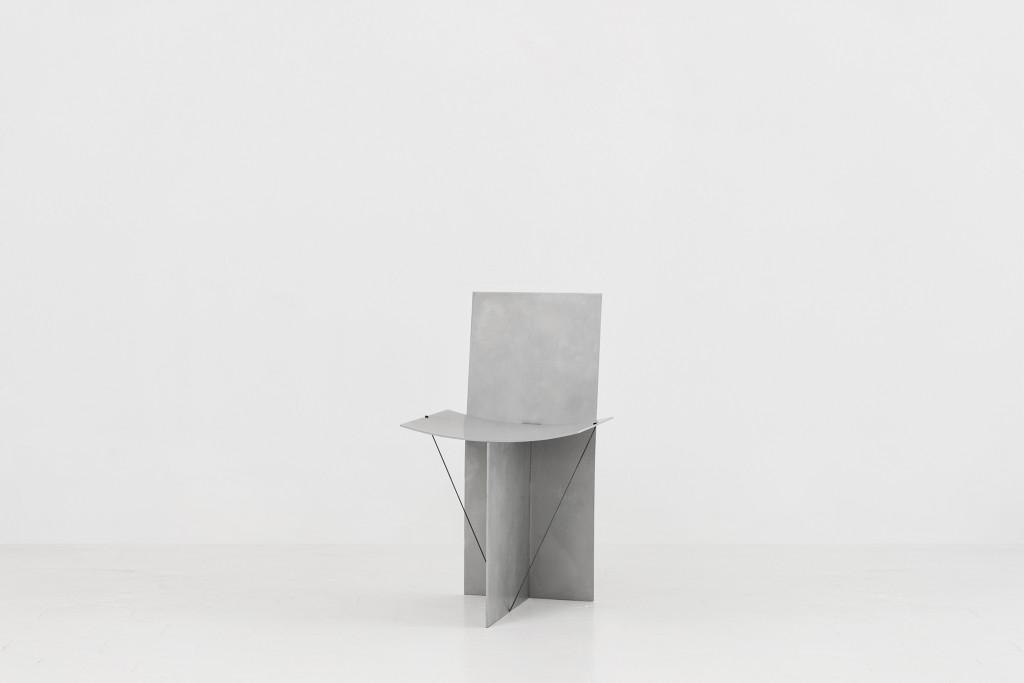
Equilibrium Chair, Galleria Rossana Orlandi, 2018
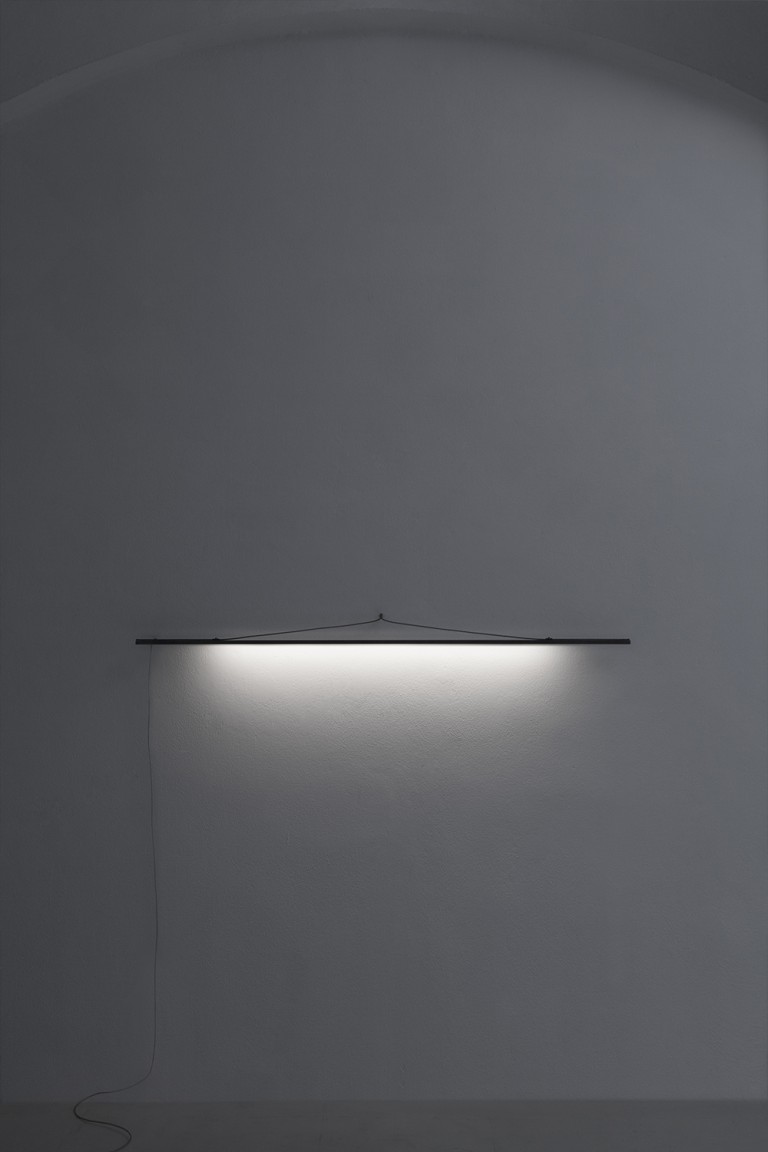
Helix 1622 Wall Light, Schloss Hollenegg for Design, 2018
So what is your attitude, what are your priorities?
I have an intimate approach, what I do comes from my own needs. So my priority is to stay true to myself during my process of evolution. To do so, I believe that consistency and coherence are the fundamental ingredients necessary to elaborate a vision and get a grip on my thoughts.
Do you have any rituals in your work?
I try to keep track of the precise moments when intuition took the lead in my process, unveiling the origin of an outcome that surprised even my own self. The first time that happened was during my graduation year, and I thought of it as a mere coincidence. But when I noticed that by creating the right circumstances it could happen again and again, I started to trust myself more. The awareness of the potential hidden within one’s unconscious thoughts became the most precious element for me, which I constantly try to let emerge every time I start a new project.
Whose work do you find interesting today? And it doesn’t have to be just design (architecture, art, science).
I have a strong feeling for both architecture and sculpture. But I found out that when I relate to architecture, I am often looking for the sculptural qualities of it, and when I relate to sculpture, I might be looking for the architectural qualities of it. So I would say the interweaving of such disciplines that deal with space and construction is what inspires me the most.
To mention just a couple of names, figures like Donald Judd, Isamu Noguchi or Maarten Van Severen represent some models I look at, as they succeeded in the ambitious attempt of creating a very broad body of work, united under the umbrella of a super-clear vision.
The best design event (exhibition, project) for you last year and why?
It’s been an important year for me, marked by events that made me grow under many points of view. I was able to show my work at MAISON&OBJET in Paris, where thanks to the nomination by Rossana Orlandi I took part in the Italian edition of the ‘Rising Talent Awards’. Simultaneously I was shortlisted for the ‘Officine Panerai Next Generation Designer of the Year’, issued by Wallpaper* magazine. These recognitions gave me the possibility to show what I do to a broader audience.
Speaking about my projects, I was able to consolidate my experimental work by expanding my ‘Equilibrium’ series with 3 new pieces, which were presented at the Milan Design Week and at PAD London, in both cases with Galleria Rossana Orlandi.
Finally my first industrial project was launched – the tile collection ‘Segments’, which I designed for Italian ceramic company Decoratori Bassanesi. I enjoyed the whole process very much, and the project received an amazing recognition, being awarded with the ‘ADI Ceramics & Bathroom Design Award 2018’ during its launch at the Cersaie fair in Bologna.
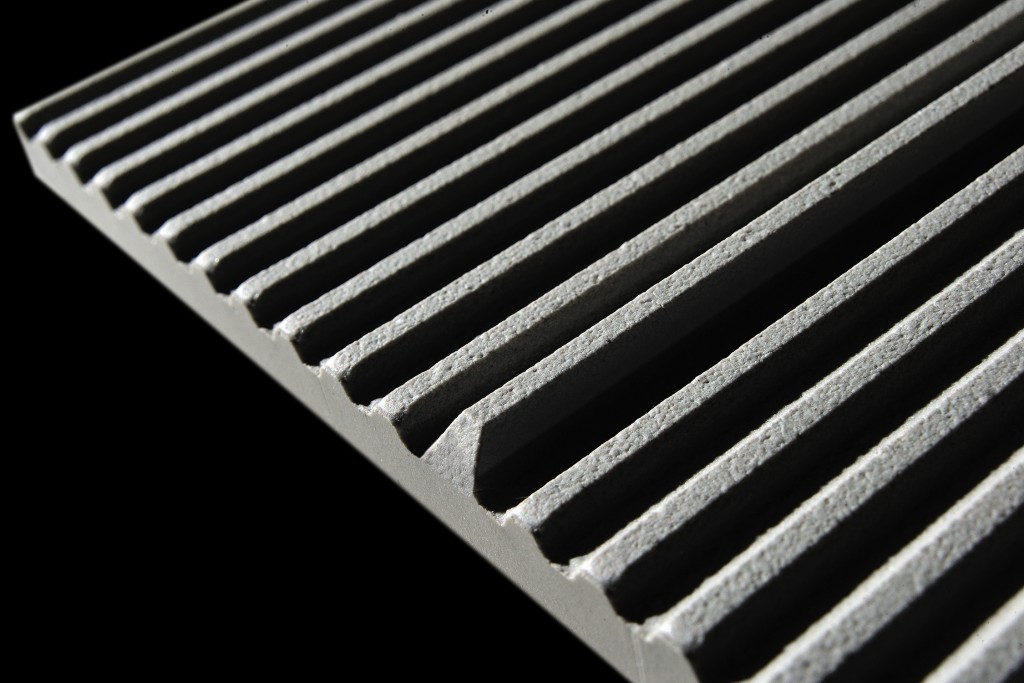
Segments, Decoratori Bassanesi, 2018
The book that hit you the most?
During my masters I read ‘Letters To A Young Poet’ by Rainer Maria Rilke. It was a beautiful reading, which made me understand that what matters is not really the tools you are willing to learn and use to express your ideas, but the appropriation of them according to a personal vision. The idea that Rilke refused to directly discuss about poetry – discussing about all the things that surround it instead – is very interesting. It’s similar to my study experience in Eindhoven, during which I was able to let my thoughts flourish thanks to the lack of too many preconceived instructions.
What are you dreaming about?
At the moment my biggest dream is to find the right contexts for my work, which would allow me to preserve this attitude on the long term.
Guglielmo Poletti
Guglielmo Poletti (b. 1987) is an Italian designer. He founded his practice in 2016 after graduating from the Design Academy Eindhoven, where he earned an MA in Contextual Design. Since 2019 his studio has been based in Milan, from where it covers a variety of projects that range from limited edition series to collaborations with the industry.
Since the beginning Poletti has developed a truly personal language, built around very consistent criteria. Deeply rooted in a hands-on investigation, his research explores the limits of materials in relation to their use, questioning the notions of balance, precariousness and structural strength. Characterised by the extreme purity and apparent simplicity, his elementary constructions stand as metaphors of solved complexity, referencing minimalist sensibilities through their architectural qualiti
Poletti’s works have been published and presented internationally, and over the last few years his studio received important commissions by clients such as Galleria Rossana Orlandi, SEEDS London Gallery, Desalto, Decoratori Bassanesi, Arven AS, Wallpaper* Magazine. The prototype of his ‘Equilibrium Stool’ has been acquired by the Design museum Gent for their permanent collection, while his first industrially produced work – the tile collection ‘Segments’ – has been awarded with the ‘ADI Ceramics & Bathroom Design Award’ as the most innovative product presented at Cersaie 2018
In 2018 Poletti was selected among the six young designers winners of the Italian ‘Rising Talent Awards’ at MAISON&OBJET in Paris. At the same time he was shortlisted for the ‘Officine Panerai Next Generation Designer of the Year’, part of the 2018 edition of the ‘Wallpaper* Design Awards’. In 2019 he has been nominated ‘Young Talent of the Year’ by Elle Decor Italia, which shortlisted him for the ‘EDIDA – Elle Deco International Design Awards’
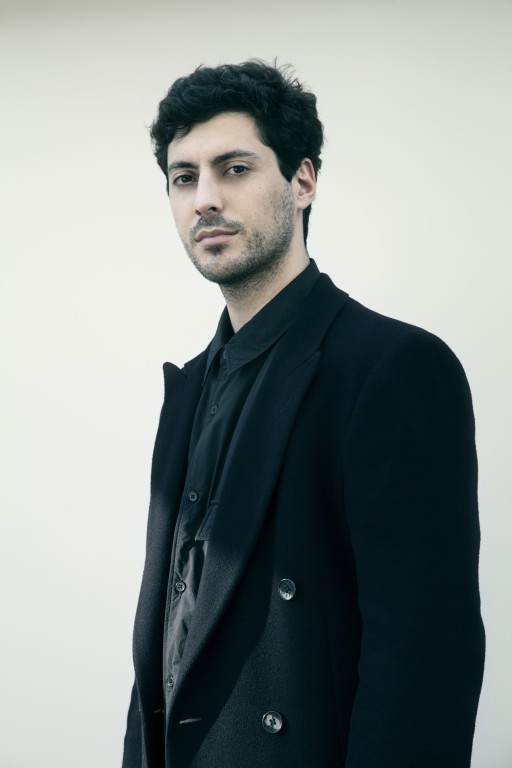
photo: Giulia Piermartiri
[:]