New Work / SIMONA JANIŠOVÁ, INSIDEOUT
[:sk]Po úspešnej kolekcii Anachronik prichádza Simona Janišová s kolekciou Insideout. V názve naznačuje osobnú introspekciu a testuje pri nej pojmy schránka a nádoba.[:en]After the successful Anachronik collection comes Simona Janišová with the Insideout collection. The title suggests personal introspection and tests the notions of box and container.[:]
[:sk]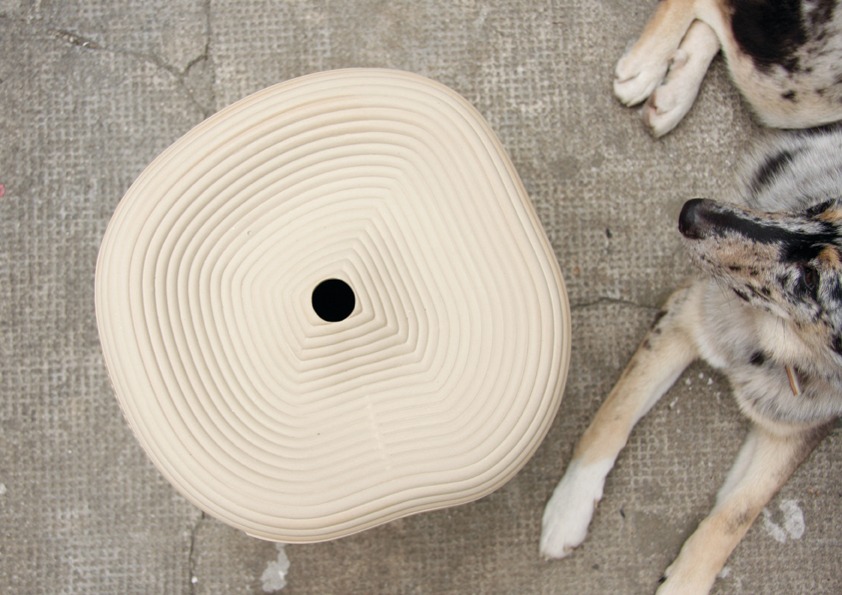
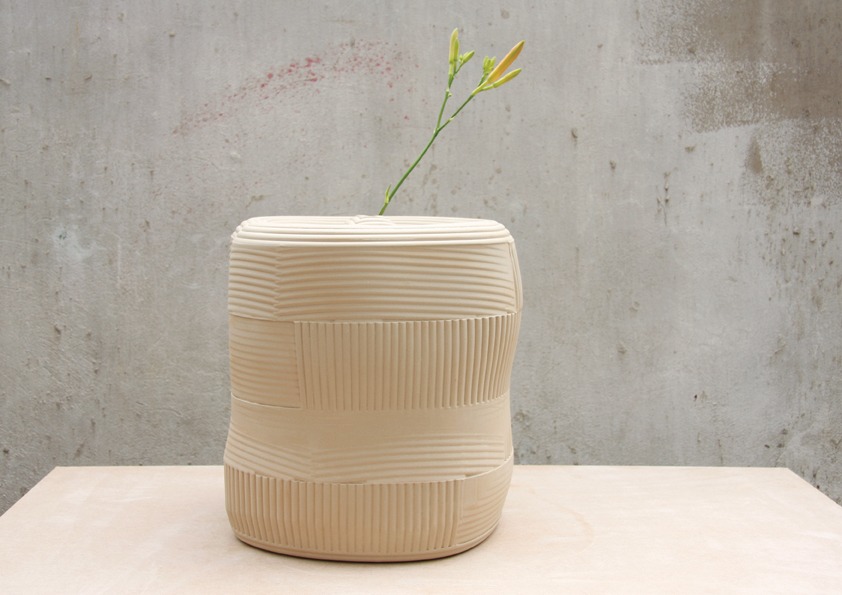
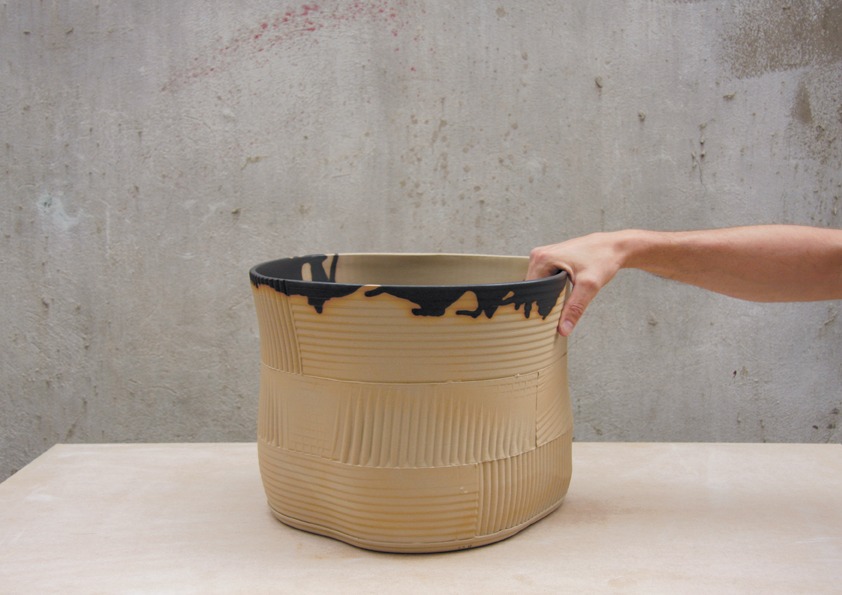
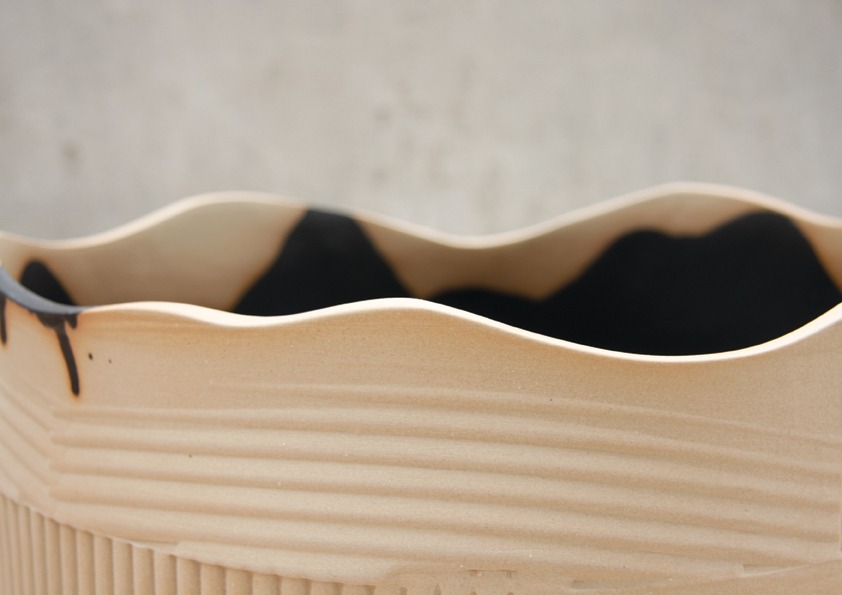
Na začiatku bolo poznanie, že fyzické telo je schránka a nádoba pre obsah. Ako entrée jej potom slúžili otázky “Snažíme sa vlastnou tvorbou zhmotniť tento obsah? Je tvorba predĺžením nášho vnútra? A ako teda naozaj vyzeráme?” Výsledkom je koncentrovaná kolekcia troch kameninových objektov/nádob s glazúrou. Autorka sa snažila o veľké mäkké a objemy. Veľký formát im svedčí a dodáva váhu a výraz. Pracuje s uzavretosť aj otvorenosťou. Exteriér necháva zámerne ako nahý, jednoducho lineárne zdobený a priznávajúci vrstvy z formy. Vnútro zahaľuje do tajomnejšej tmavej glazúry, ktorá po krajoch jemne preteká na povrch. Nahota objemov a abstraktná kresba glazúry dáva kolekcii východný nádych a aj istý typ spirituality. Podobne ako pri Anachroniku aj tu pracovala pri výrobe formy s CNC frézou. Je to pre ňu akýsi abstraktný portrét. Sama hovorí o “úsilí o sprítomnenie neviditeľného”. A uvedomuje si istú márnosť aj naivitu v materiálnom prenose vnútorného sveta do pevnej, nemennej formy.
Napriek skepse, jej nádoby sú tu preto, aby prijali nový obsah. Ona mu dáva hranice aj slobodu zároveň. Vnútorná prázdnota nemusí byť prázdna. A v tomto prípade je aj určite potvrdením úvodnej otázky o vlastnej tvorbe ako predĺžení autorkinho vnútra. Je v nich navždy prítomná.
 [:en]
[:en]
In the beginning was the knowledge that the physical body is a container and receptacle for the contents. The questions “Are we trying to materialize this content through our own creation? Is creation an extension of our interiority? So what do we really look like?” The result is a concentrated collection of three glazed stoneware objects/ foundations. The artist aimed for large soft and voluminous. The large format suits them and adds weight and expression. She works with both closedness and openness. She intentionally leaves the exterior as naked, simply linearly decorated and admitting layers from the form. The interior is enveloped in a more mysterious dark glaze that flows gently along the edges to the surface. The nakedness of the volumes and the abstract pattern of the glaze gives the collection an Eastern feel and also a certain type of spirituality. As with Anachronik, she worked with a CNC milling machine to produce the moulds. It is a kind of abstract portrait for her. She herself speaks of “trying to make the invisible visible”. And she is aware of a certain vanity and naivety in the material translation of the inner world into a fixed, unchanging form.
Despite her skepticism, her vessels are there to receive new content. She gives it boundaries and freedom at the same time. The inner void need not be empty. And in this case, it is also certainly an affirmation of the opening question about her own creation as an extension of the artist’s interiority. She is forever present in them.
[:]