UnArchived
[:sk]Stolička 20. storočia[:en]Chair of the 20th century[:]
[:sk]
Začiatkom osemdesiatych rokov sa v pražskom umelecko-priemyslovom múzeu konala výstava „Stolička 20. Storočia“, ktorá nadviazala na výstavu „90 a jedna stolička“ z roku 1972. Autorkou/ kurátorkou výstavy bola Milena Lamarová. Mala byť reflexiou na zmenu paradigmy spoločenskej funkcie nábytku v priebehu dvadsiateho storočia. Dôraz sa preniesol na úžitkové vlastnosti nábytku, priemyselná výroba nábytok zdemokratizovala – ponúkla ho každému, zmenil sa i estetický ideál. Zároveň sa tvorcom dizajnov stoličiek sa dostávalo postupne viac uznania. Sedací nábytok, ako pre človeka najbezprostrednejší kus nábytku, sa začal považovať za významnú úlohu nábytkového dizajnu. Nové výrobné technológie a nové materiály rozmnožili možnosti, ako ju riešiť.
Výstava ukazuje dynamický vývoj, ktorým stoličky v dvadsiatom storočí prešli, od počiatkov moderného názoru na priemyselný výrobok zo začiatku storočia, cez funkcionalizmus až po vtedy súčasné postfunkcionalistické „antidesignové“ manifestácie. Stolička 20. storočia začína thonetkami z polovice 19. storočia, už tie predznamenávajú „jednotu účelu, materiálu, výrobnej technológie, výtvarného výrazu a spoločenského poslanie priemyselného výrobku“. Thonetov objav ohýbania bukového masívu je na výstave reprezentované jeho neskoršími nasledovníkmi z počiatku storočia (Otto Wagner, 1902 alebo Josef Hoffman, 1925). Objavujú sa tu stoličky secesné aj kubistické, funkcionalistické reprezentované najmä ohýbanými oceľovými rúrkami. Počiatok ohýbaných rúrkových stoličiek siaha k Marcelovi Breuerovi a jeho kreslu „Wassily“ z roku 1925. A pokračuje ďalšími autormi ako Le Corbusier, Ludwig Mies van der Rohe, Walter Gropius.
V tridsiatych rokoch sa zavádza technológia tvarovaných dýhových lamiel, laminovanie dreva často kombinované s ohýbaním preglejky. Táto technológia sa rozvinula najviac v škandinávskych krajinách a na výstave ju reprezentoval Alvar Aalto a Arne Jacobsen. Koncom štyridsiatych rokov sa začali používať plastové materiály, ktoré ponúkli ďalšie možnosti ohýbania a postupne už trojrozmerného tvarovania. Jedným z najdôslednejších použití plastových hmôt toho obdobia je stolička „S“, ktorej autorom je Verner Panton. Na výstave bola odprezentovaná aj vtedajšia súčasná produkcia sedacieho nábytku. Objavilo sa tu napríklad polyuretánové kreslo Gaetana Pesceho.
Výstava okrem retrospektívy a svetovému dizajnu venovala priestor aj československej produkcii – minulej aj dobovej. Medzi tými najstaršími autormi sa ocitli napríklad Jan Kotěra, Pavel Janák, Josef Chochol, Josef Gočár, Otto Rothmayer,…Generáciu vtedy súčasných dizajnérov reprezentovali Antonín Šuman, Miroslav Navrátil, Jaroslav Kadlec, Ladislav Ubr, Ladislav Vrátnik, Júlia Kunovská, Ondrej Čverha a Viliam Chlebo.
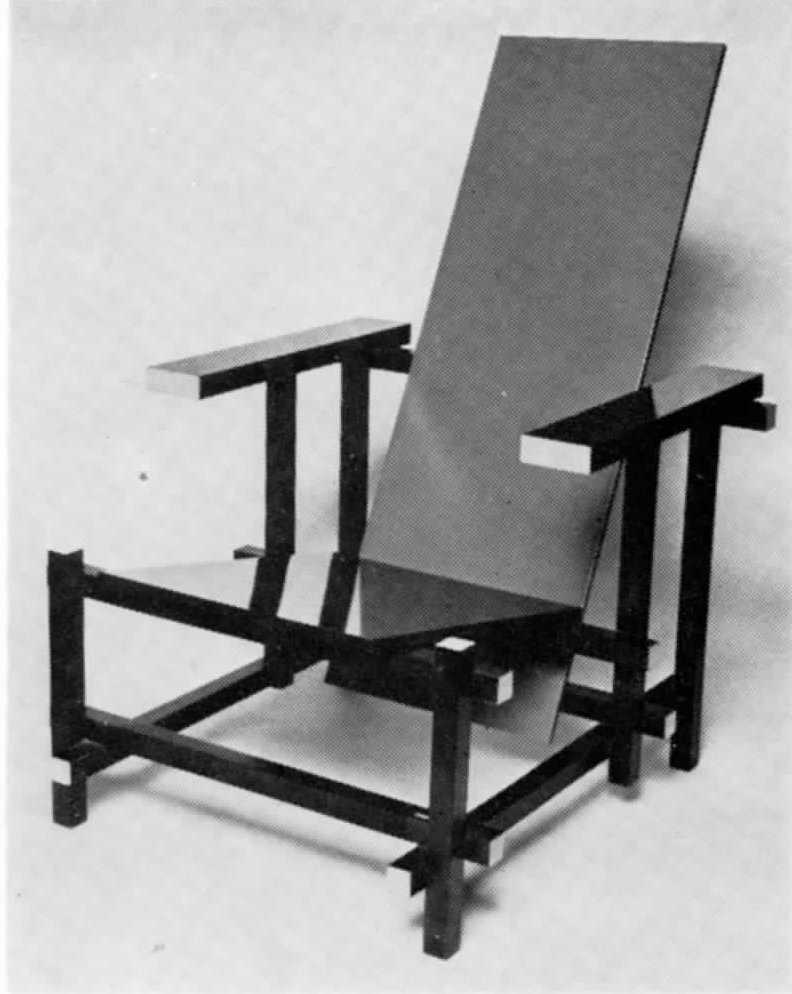
Gerrit Rietveld, kreslo “červenomodré”, 1918, farebne lakované drevo a preglejka, výrobca: Cassina, Miláno.
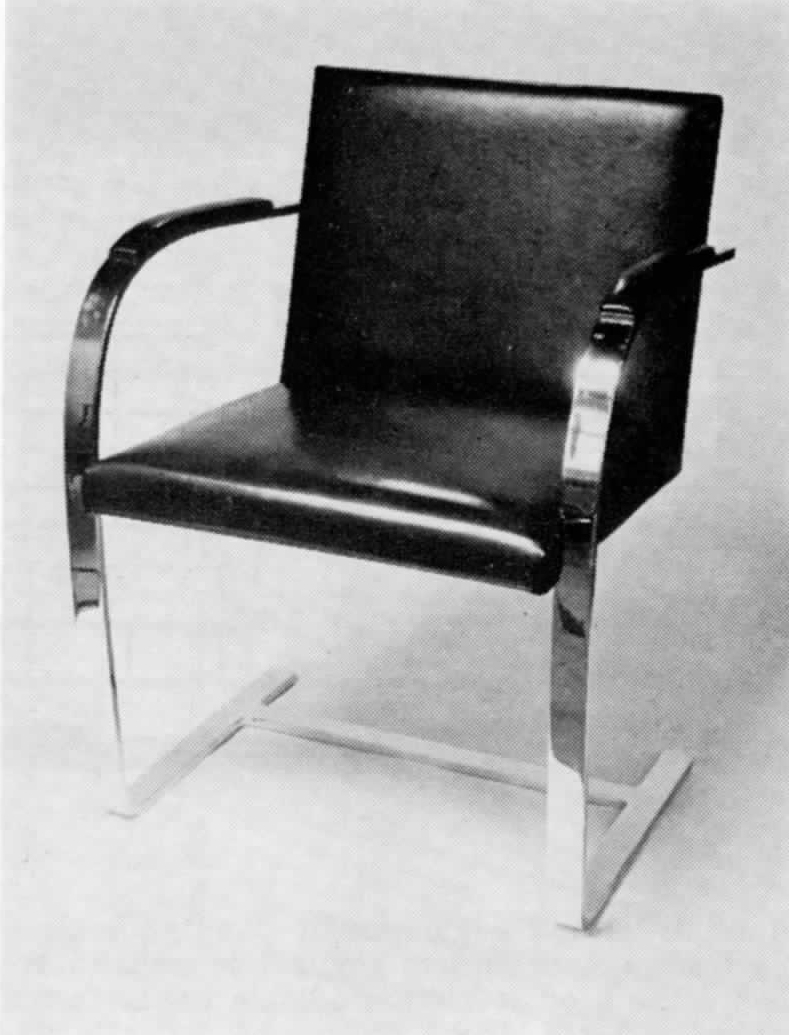
Ludwig Mies van der Rohe, kreslo “Brno”, 1929-1930, chrómovaná pásová oceľ, čierne kožené čalúnenie, kreslo navrhnuté pre Vilu Tugendhat v Brne, výrobca: Knoll International.
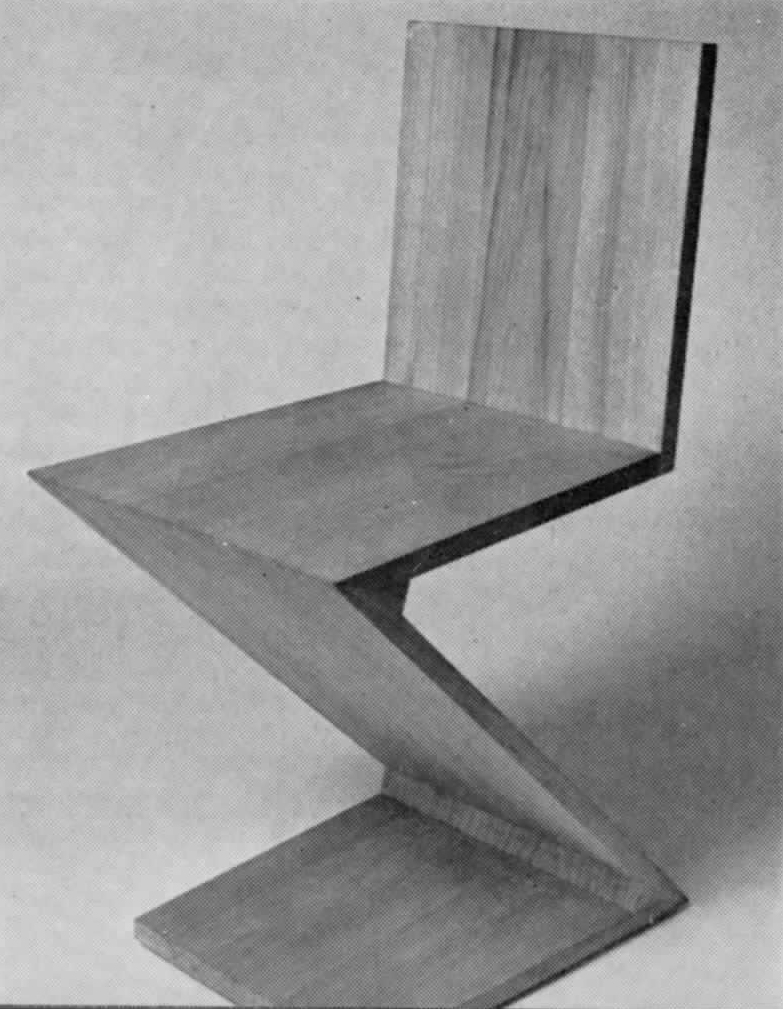
Gerrit Rietveld, stolička “Zig-zag”, 1934, breza prírodná, výrobca: Cassina, Miláno.
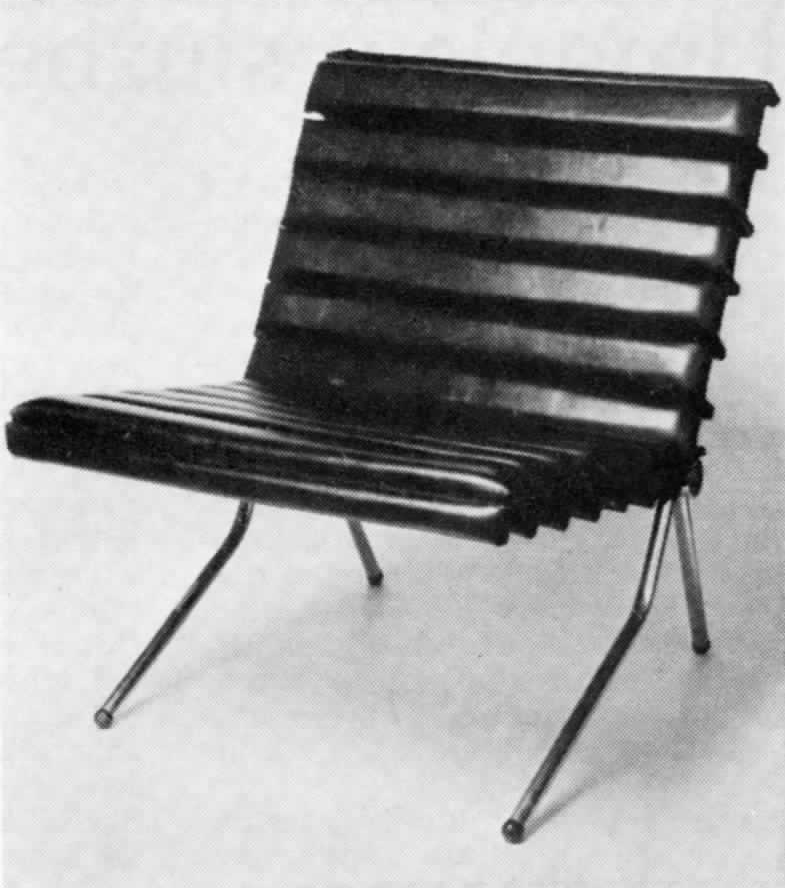
Ladislav Ubr, kreslo s navliekaným čalúnením, 1973, chromová oceľ, čierna koža, výrobca: Kovovýroba Litoměřice.
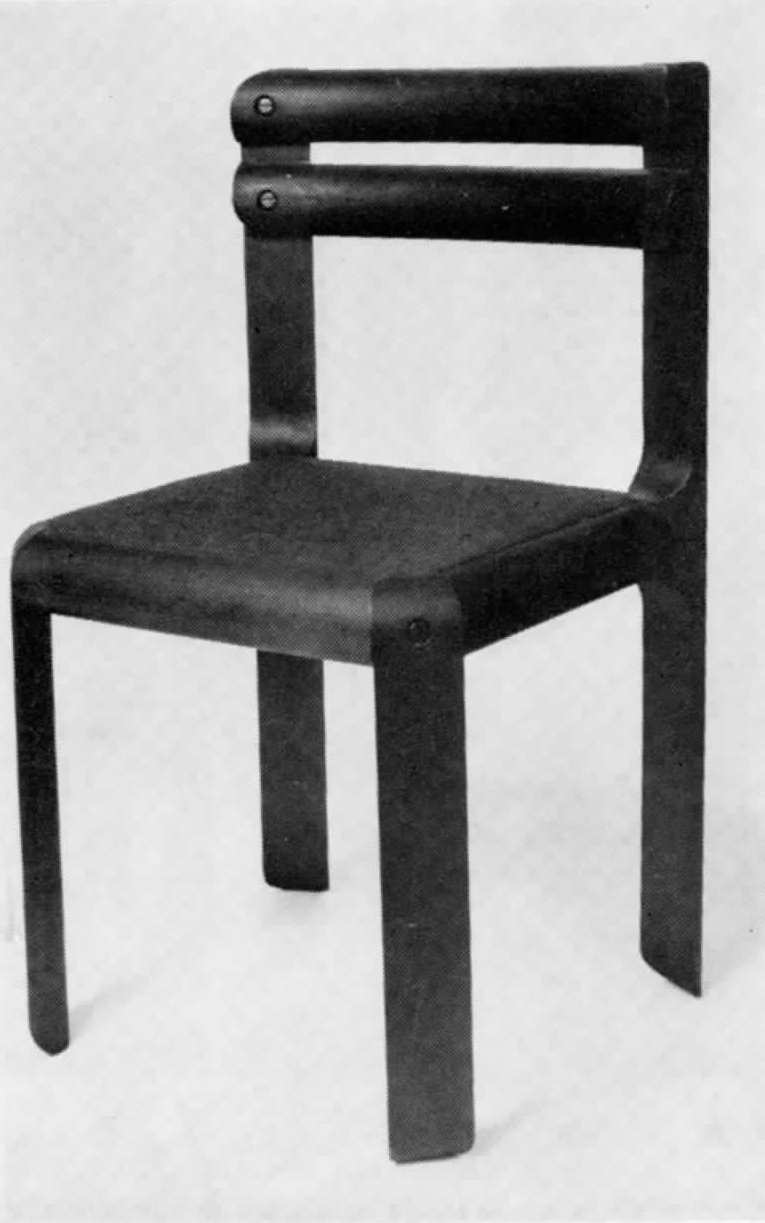
Ladislav Vrátnik, stolička na princípe stolovej konštrukcie, 1978, morený buk, hnedý vlnený poťah.
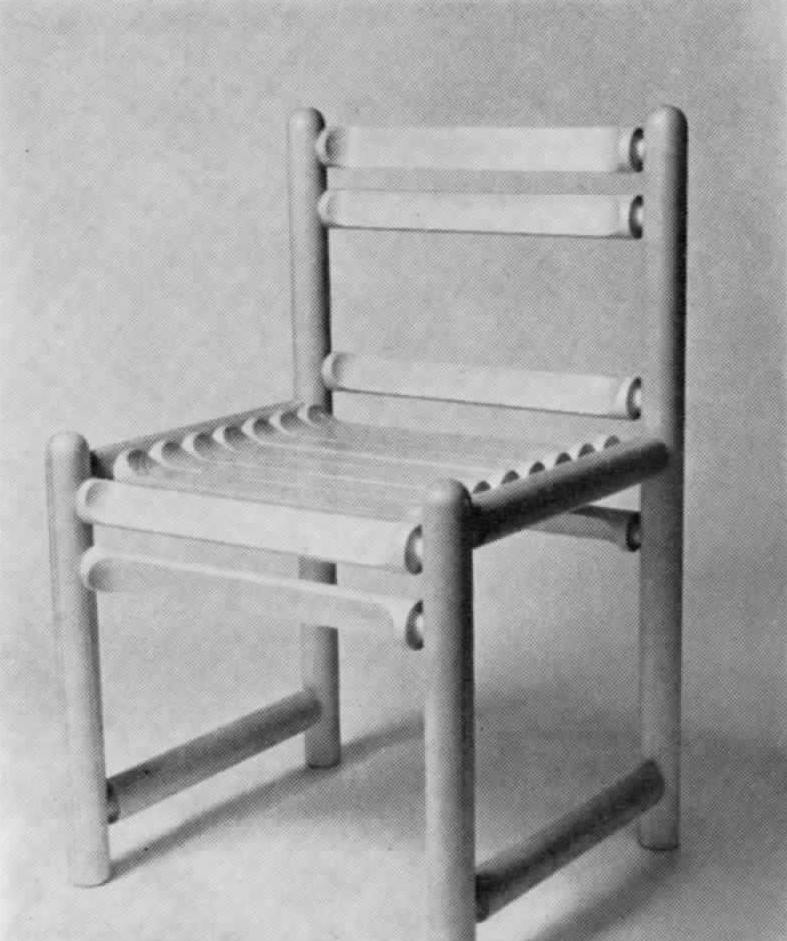
Jaroslav Kadlec, stolička s použitím jedného prvku, 1979, prírodný buk.
Recenzia výstavy Stolička 20. storočia bola publikovaná v časopise Projekt 6/1983, s. 36-37.
[:en]At the beginning of the 1980s, the Prague Museum of Art and Industry held the exhibition “Chair of the 20th Century”, which followed the exhibition “90 and One Chair” from 1972. The author/curator of the exhibition was Milena Lamarová. It was meant to be a reflection on the paradigm shift in the social function of furniture during the twentieth century. The emphasis shifted to the utilitarian properties of furniture, industrial production democratised furniture – offered it to everyone, and the aesthetic ideal changed. At the same time, the creators of chair designs gradually received more recognition. Seating, as the most immediate piece of furniture for humans, came to be seen as an important part of furniture design. New production technologies and new materials multiplied the possibilities of how to address it.
The exhibition shows the dynamic evolution that chairs have undergone in the twentieth century, from the origins of the modern view of the industrial product at the beginning of the century, through functionalism, to the then contemporary post-functionalist “anti-design” manifestations. The twentieth-century chair begins with the mid-nineteenth-century thonettes, which already foreshadow ‘the unity of purpose, material, manufacturing technology, artistic expression and social mission of the industrial product’. Thonet’s discovery of beechwood bending is represented in the exhibition by his later followers from the beginning of the century (Otto Wagner, 1902 or Josef Hoffman, 1925). Both Art Nouveau and cubist, functionalist chairs appear here, represented mainly by bent steel tubes. The origins of bent tubular chairs date back to Marcel Breuer and his ‘Wassily’ chair from 1925. And continues with other authors such as Le Corbusier, Ludwig Mies van der Rohe, Walter Gropius.
In the 1930s, the technology of moulded veneer slats was introduced, laminating the wood often combined with bending plywood. This technology developed most in the Scandinavian countries and was represented at the exhibition by Alvar Aalto and Arne Jacobsen. In the late 1940s, plastic materials began to be used, which offered further possibilities for bending and, gradually, three-dimensional shaping. One of the most consistent uses of plastic materials of that period is the ‘S’ chair, designed by Verner Panton. The exhibition also showcased contemporary seating furniture production at the time. Gaetano Pesce’s polyurethane armchair, for example, appeared here.
In addition to the retrospective and world design, the exhibition also featured Czechoslovak production – both past and contemporary. Among the oldest authors were, for example, Jan Kotěra, Pavel Janák, Josef Chochol, Josef Gočár, Otto Rothmayer,…The generation of contemporary designers was represented by Antonín Šuman, Miroslav Navrátil, Jaroslav Kadlec, Ladislav Ubr, Ladislav Vrátnik, Júlia Kunovská, Ondrej Čverha and Viliam Chlebo.
Gerrit Rietveld, armchair “red and blue”, 1918, coloured varnished wood and plywood, manufacturer: Cassina, Milan.
Ludwig Mies van der Rohe, armchair “Brno”, 1929-1930, chromed tubular steel, black leather upholstery, armchair designed for Villa Tugendhat in Brno, manufacturer: Knoll International.
Gerrit Rietveld, “Zig-zag” chair, 1934, natural birch, manufacturer: Cassina, Milan.
Ladislav Ubr, armchair with upholstery, 1973, chrome steel, black leather, manufacturer: Kovovýroba Litoměřice.
Ladislav Vrátnik, chair based on the principle of table construction, 1978, stained beech, brown wool cover.
Jaroslav Kadlec, chair using one element, 1979, natural beech.
A review of the exhibition Chair of the 20th Century was published in the magazine Projekt 6/1983, pp. 36-37.
[:]